
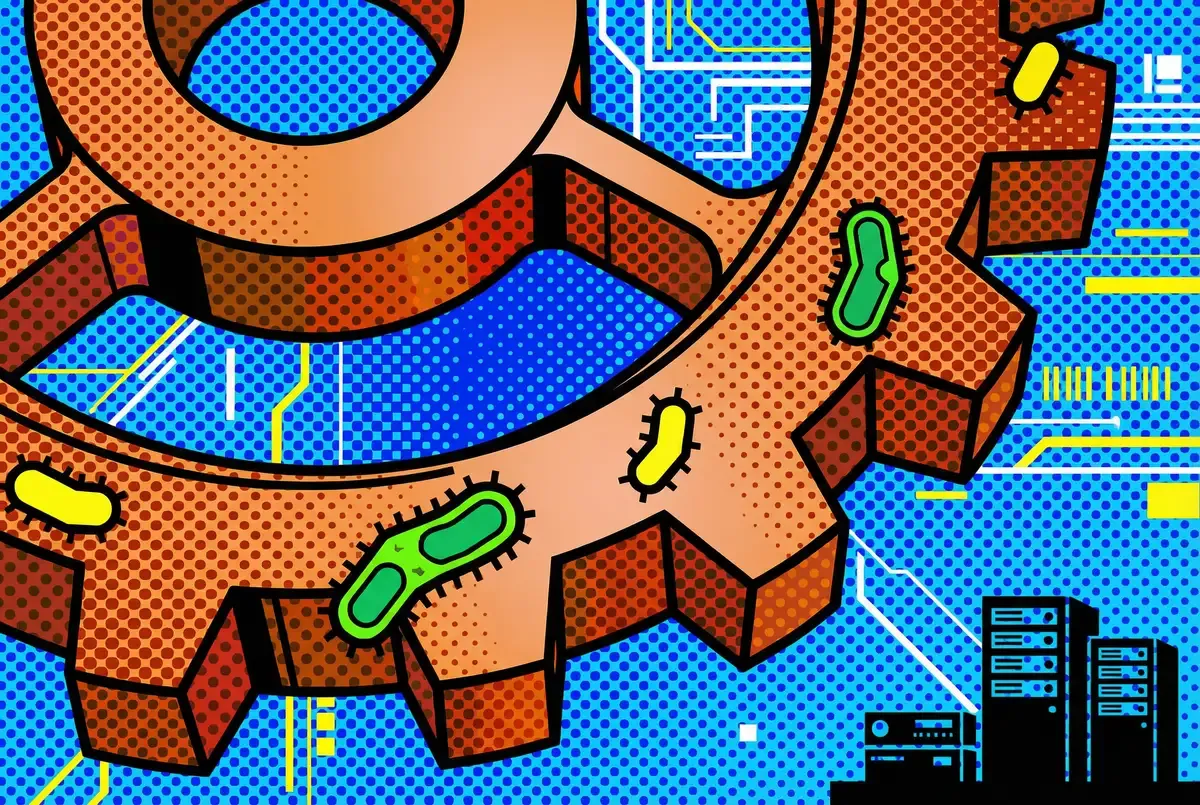
A heap of crushed rock sits in the Arizona sun. Bacteria live inside it. These organisms munch on sulfide ore and excrete copper, the same basic metabolic trick that makes your gut work, except the output here is metal. Not concentrate that ships to China for refining. Finished copper, 99.99% pure, ready to load onto a truck. No smelter. No refinery. No container ships hauling concentrate to Chinese processing plants.
Amazon Web Services signed a two-year deal to buy it all.
Rio Tinto made the announcement this morning. AWS becomes the first customer for copper pulled from the ground using Nuton's bioleaching technology at the Johnson Camp mine. The press releases talk about sustainability and carbon footprints and Amazon's Climate Pledge. All true. But the strategic logic runs deeper than any ESG report.
AI data centers are copper hogs. Every rack of GPUs training the next large language model needs busbars, cables, transformer windings, heat sinks, and circuit boards. A single megawatt of AI training capacity requires roughly 47 metric tonnes of the stuff. Nvidia's GB200 NVL72 server unit ships with over 5,000 copper cables totaling 3.2 kilometers. Multiply that across hundreds of billions of dollars in planned infrastructure, and you start to understand why Amazon is locking down supply before the price spikes hit.
This article continues below.
Sign up once, read everything for free. No algorithms, no fluff—just the AI intel that actually matters for your work.
Get free access →