IMPLICATOR
Canva just launched its biggest update since 2012. The design platform now lets anyone create interactive apps and crunch numbers in visual spreadsheets - no coding required.
The new Visual Suite 2.0 brings AI to everything. Users can generate designs by speaking to an AI assistant, turn spreadsheets into infographics instantly, and create interactive calculators with simple prompts. It even includes AI-powered photo editing that lets you modify specific elements with a click.
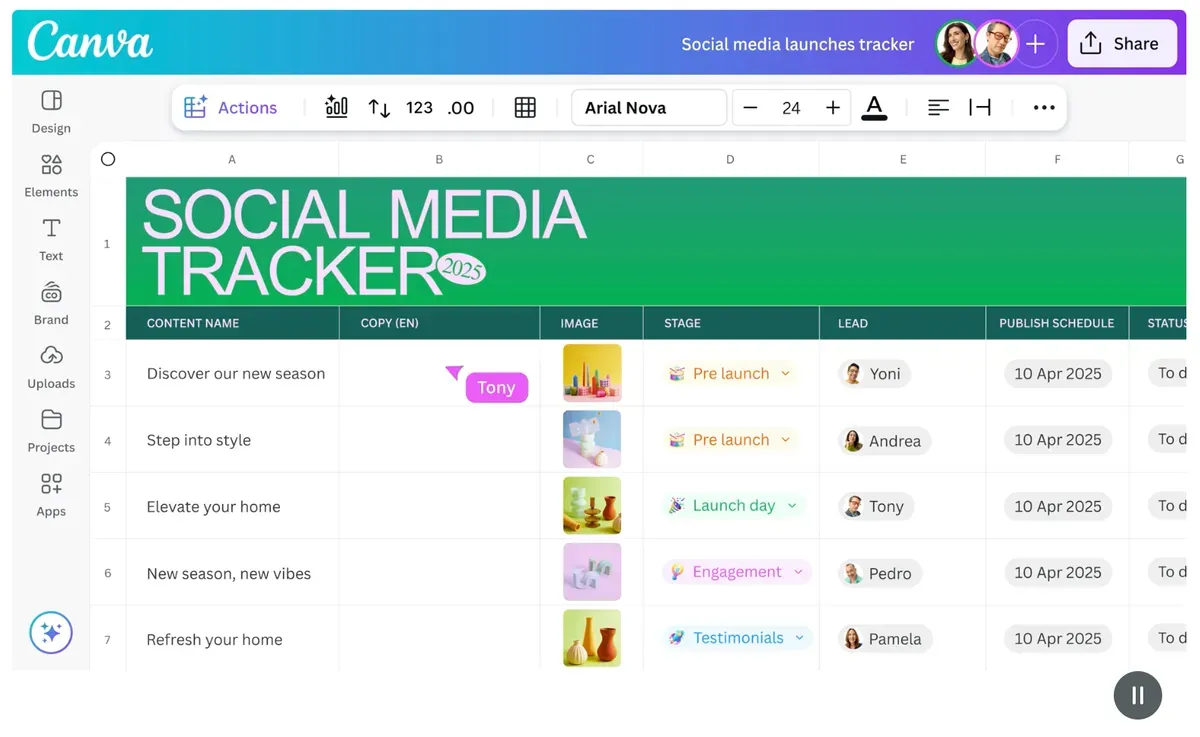
Most notably, Canva introduced Sheets - a visual take on spreadsheets that automatically spots patterns and creates charts. The tool connects with platforms like HubSpot and Google Analytics to import data seamlessly.
AI Takes Center Stage
The heart of Visual Suite 2.0 is Canva AI, a voice-enabled assistant that turns conversations into designs. Users speak their ideas, and the AI creates slides, images, and text. This removes the intimidation of starting with a blank page.

The AI also powers photo editing features. Users can now click on specific parts of an image to modify them or generate new backgrounds that match existing lighting and layout. The system understands natural language commands, making complex edits accessible to everyone.
Code Without Coding
Canva Code marks the company's bold move into interactive design. Users describe what they want - like a calculator or quiz - and the system generates working applications. This opens up new possibilities for presentations, landing pages, and classroom resources.
The company partnered with Anthropic to develop this feature after noticing their internal teams using AI for prototyping. While other startups offer similar capabilities, Canva's integration makes it uniquely accessible to its massive user base.
Reimagining Spreadsheets
Canva Sheets reinvents how people work with data. The tool automatically analyzes spreadsheets to surface insights and creates branded visualizations. Users can import data from various sources and transform raw numbers into scrollable reports or animated charts without learning complex formulas.
Enterprise Push
For business users, Canva added bulk content creation tools and enterprise-grade features. The platform now offers single sign-on, access management, and an indemnification program for AI-generated content. Major companies like T-Mobile, Salesforce, and FedEx already use Canva for their design needs.
The platform serves over 230 million monthly users and generates $3 billion in annual revenue, up 30% from last year. This growth suggests Canva's strategy of offering free services while upselling to professionals and enterprises is working.
The AI Controversy
While Canva pushes ahead with AI, some artists worry about their work being used to train these systems. The company faces the same challenges as Adobe and others in balancing innovation with creator rights.
Canva's co-founder Cameron Adams sees AI as transformative rather than threatening. He believes AI tools will change how everyone works, from designers to engineers. The company lets users opt out of AI training on private content by default.
Why this matters:
- Canva is betting that conversational AI can make complex design tasks as simple as having a chat. The company that democratized graphic design now wants to do the same for interactive content and data visualization.
- The platform's enterprise features and AI focus suggest Canva isn't just competing with Adobe anymore - it's positioning itself as an all-in-one creative and productivity suite for businesses.

Marcus Schuler
Editor-in-Chief and founder of Implicator.ai. Former ARD correspondent and senior broadcast journalist with 10+ years covering tech. Writes daily briefings on policy and market developments. Based in San Francisco. E-mail: editor@implicator.ai