
Google unveiled the Universal Commerce Protocol at NRF, with Shopify, Walmart, and twenty other partners. The "open standard" routes AI shopping through Google's surfaces. Merchants trade customer relationships for visibility.
Microsoft says one in six people now use AI. The methodology: counting clicks on Microsoft products. The US ranks 24th despite hosting every major AI lab. South Korea's surge? A viral selfie filter. The company selling AI infrastructure has appointed itself scorekeeper of AI adoption.
A developer gave Claude Code access to 100 books and a simple command: "find something interesting." What came back wasn't summaries. It was connections no hand-tuned pipeline could find.
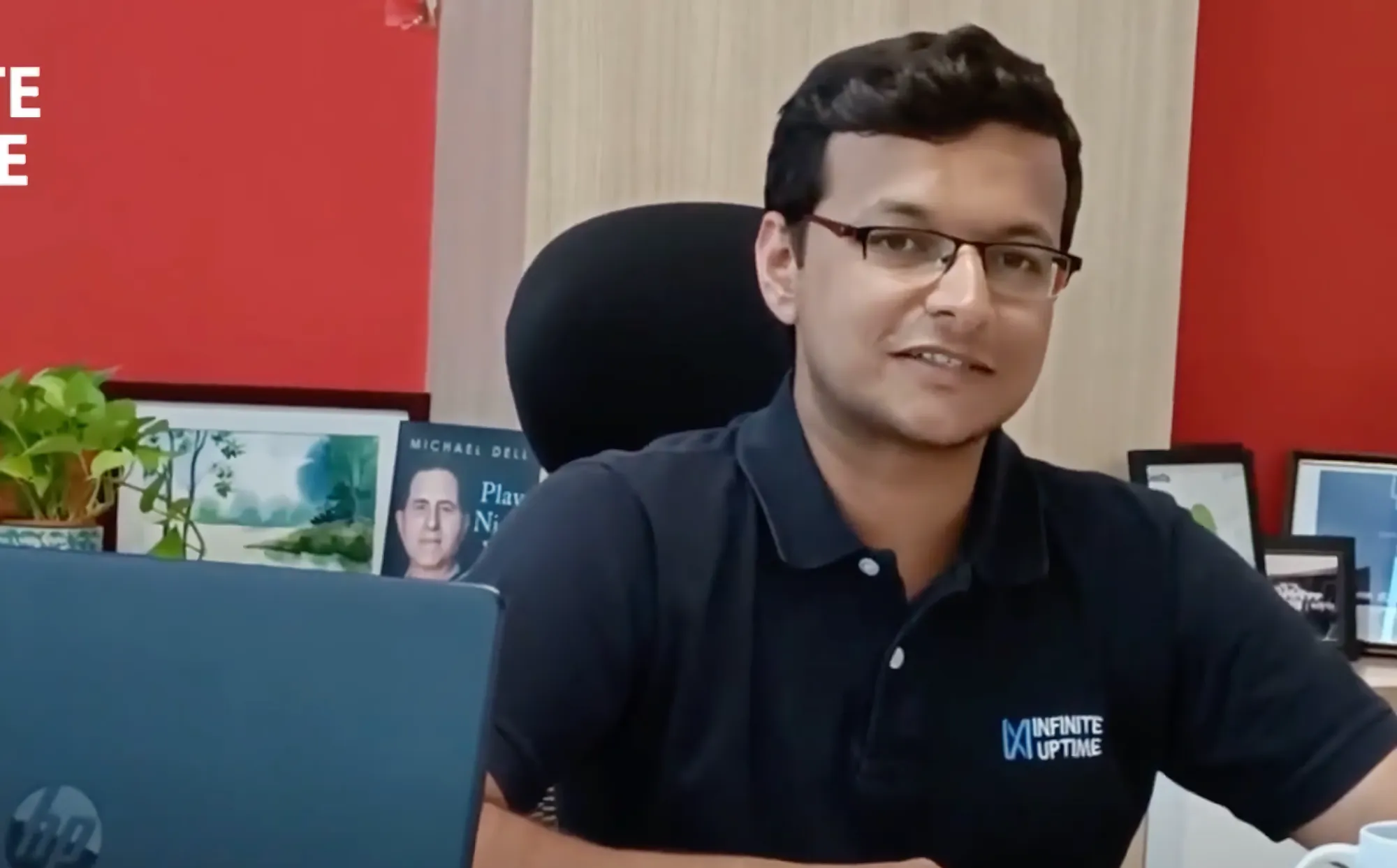
Infinite Uptime just scored $35 million to tell factories when their machines might break. The Indian startup's sensors and AI help prevent costly breakdowns in some of the world's harshest industrial environments.
The company's tech monitors factory equipment in real-time, spotting problems before they cause shutdowns. Their sensors work where others can't - in extreme heat and corrosive acid plants. It's like having a doctor for machines, but one that never sleeps and can predict heart attacks.
CEO Raunak Bhinge claims their approach beats both industry giants and other startups. While Siemens and Honeywell take a top-down view, Infinite Uptime gets up close and personal with individual machines. Their sensors have already saved factories over 74,000 hours of downtime.
The Series C round, led by Avataar Ventures, will fuel US expansion. The company serves 800 plants across 30 countries and has grown revenue 2x annually for three years straight. They're already cash-flow positive - a rare feat in the startup world.
Why this matters:
Heavy industry is finally getting the 'smart' upgrade it desperately needs - turns out even steel mills need AI these days
A startup from India is beating global giants at their own game in some of manufacturing's toughest environments. Someone had to do it.
Tech journalist. Lives in Marin County, north of San Francisco. Got his start writing for his high school newspaper. When not covering tech trends, he's swimming laps, gaming on PS4, or vibe coding through the night.
When Google locked AlphaFold 3 behind commercial restrictions, three MIT PhD students rebuilt it in four months. Now Boltz has $28M, a Pfizer partnership, and a bet that open-source can capture drug discovery infrastructure.
Hollywood calls it bootlegging. Investors say $6.5 billion. MiniMax built the top Chinese AI app in America—then Disney sued. With 70% of revenue overseas, the startup tests whether Chinese AI can scale while depending on Western courts.
Marissa Mayer raised $8 million for her new AI startup. OpenAI raised $11 billion. That gap tells the real story—and so does the $20 million she burned at Sunshine, which managed just 1,000 downloads across multiple products over seven years.
Oracle's bonds carry investment-grade ratings. They trade like junk. Barclays projects the company runs out of cash by November 2026. Behind this single balance sheet sits a $5 trillion industry financing crisis—and a Chinese supply chain nobody wants to discuss.