IMPLICATOR
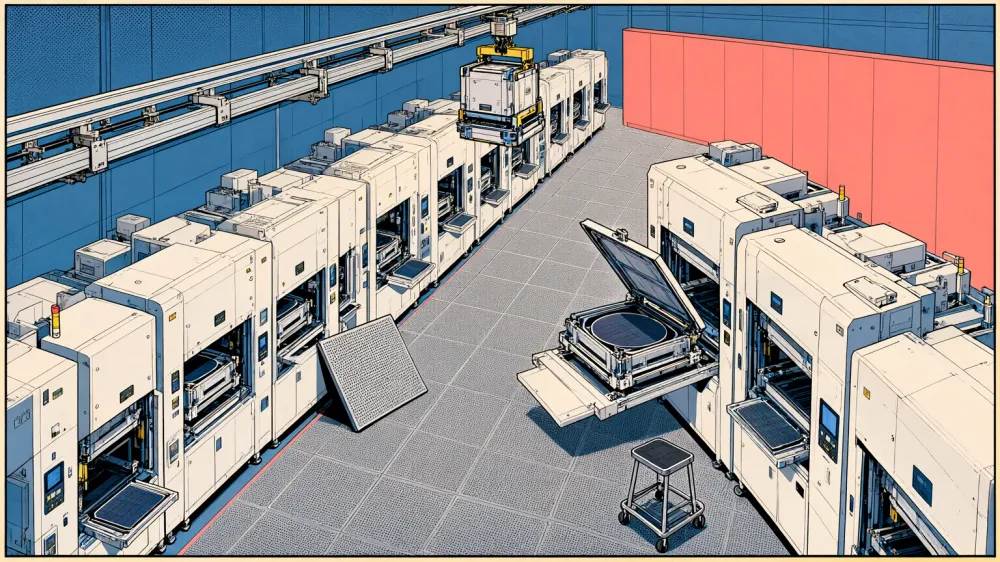
SK Hynix will become the largest shareholder in Kioxia, its Japanese rival in NAND flash memory, by converting bonds of an investment vehicle into shares in December. The South Korean chipmaker will end up with an indirect stake of about 14.1% in Kioxia. Toshiba held a 10.46% stake as of early November, which makes it the second-largest shareholder.
SK Hynix says the move is unrelated to expanding its role in Kioxia's management.
What Changed
- SK Hynix will convert 129 billion yen of SPC2 convertible bonds into 129,000 common shares in December, becoming Kioxia's largest shareholder.
- The deal gives SK Hynix an indirect stake of about 14.1% in Kioxia; Toshiba held 10.46% as of early November.
- Apart from a 100 million yen payment to Bain Capital for the remaining SPC2 shares, there is no new capital injection.
- Both companies say Kioxia's management stays independent; a senior industry analyst sees little near-term change in NAND competition.
AI-generated summary, reviewed by an editor. More on our AI guidelines.
How the conversion works
In a regulatory filing on Friday, SK Hynix said it will convert 129 billion yen ($810.3 million) of convertible bonds issued by SPC2 (BCPE Pangea Cayman2), a special-purpose company, into 129,000 common shares. It will also buy 1,001 common shares of SPC2 from Bain Capital for 100 million yen.
When both steps are complete, SK Hynix will hold a 100% stake in SPC2. SPC2 currently holds a 14.1% stake in Kioxia. The acquisition amount in the disclosure was calculated on the original principal of the bonds bought in 2018. Apart from the 100 million yen payment to Bain, there is no new capital injection.
The 2018 investment
SK Hynix first invested in Toshiba Memory, now Kioxia, in June 2018 through a consortium led by Bain Capital. It put in 395 billion yen ($2.48 billion) in total. Of that, 266 billion yen went into an equity fund managed by Bain Capital through SPC1. The remaining 129 billion yen bought the SPC2 bonds.
Kioxia went public on the Tokyo Stock Exchange in December 2024, and its shares surged amid a boom in the NAND flash memory market. SK Hynix then began gradually selling. By June this year it had sold its entire stake in the SPC1 fund. The company decided to return most of the capital gains to its shareholders through special dividends, which totaled about 7 trillion won ($5.2 billion) in the third quarter of this year.
SK Hynix said the bond conversion is a follow-up measure to reorganize its investment structure after that fund was liquidated.
What the stake buys
"We currently have no plans to further buy or sell shares in Kioxia. We will continue to respect Kioxia's independent management going forward," an SK Hynix official said. A Kioxia spokesperson said the Japanese company's management and business operations will remain independent.
The 2018 deal also set a ceiling. SK Hynix promised to keep its stake at or below 15% of Kioxia's voting-right shares until 2028, unless Kioxia agreed to a bigger holding. In its annual report, Kioxia listed SK Hynix's claim to a stake as a risk factor, citing a possible conflict of interest because the two are direct rivals.
Masahiro Wakasugi, a senior industry analyst, said the conversion is "unlikely to materially change near-term NAND competition." The stake still gives SK Hynix some influence over major decisions, he said, "modestly limiting Kioxia's flexibility in M&A, partnerships and joint ventures." In his view, SK Hynix can oppose a potential Kioxia-Sandisk combination if it weakens its competitive position. He said a much larger stake or control of Kioxia appears unlikely, given Japan's economic security focus on NAND and government support for domestic capacity.
Know someone who'd find this useful? ✉️ Email it to a friend in one click, or they can subscribe free here.
The market share math
Both companies make NAND, a type of chip used for storage in products from smartphones to AI servers. SK Hynix had a 19% share of the global NAND market in the second quarter, while Kioxia had 14%, according to market researcher Counterpoint. Together they would surpass market leader Samsung Electronics' 28%, even without counting Kioxia manufacturing partner Sandisk's 11% share.
Those shares are second-quarter figures from a single research firm, and SK Hynix's 14.1% runs through SPC2 rather than sitting in its own name.
AI services are fueling demand for high-capacity storage in data centers, particularly enterprise solid-state drives. Memory chipmakers are seeing a sharp upturn in orders, though their shares have dipped on investor fears about growing debt and circular financing in the AI sector.
SK Hynix does not plan to sell its remaining investment immediately after converting the bonds. If it later sells, Wakasugi said, "its balance sheet would strengthen, giving it more strategic options."
Frequently Asked Questions
How large will SK Hynix's stake in Kioxia be?
SK Hynix will hold an indirect stake of about 14.1% in Kioxia through SPC2, a special-purpose company it will own fully once the conversion and a purchase of Bain Capital's remaining SPC2 shares are complete.
Who is Kioxia's second-largest shareholder?
Toshiba, which held a 10.46% stake in Kioxia as of early November.
Is SK Hynix putting new money into Kioxia?
Apart from the 100 million yen payment to Bain Capital for 1,001 SPC2 shares, there is no new capital injection. The acquisition amount was calculated on the original principal of the bonds bought in 2018.
Does SK Hynix plan to take a bigger role at Kioxia?
An SK Hynix official said the company has no plans to further buy or sell Kioxia shares and will continue to respect Kioxia's independent management. A Kioxia spokesperson said management and business operations will remain independent.
How do the two companies compare in NAND?
Counterpoint put SK Hynix at a 19% share of the global NAND market in the second quarter and Kioxia at 14%. Together they would surpass market leader Samsung Electronics' 28%.
AI-generated summary, reviewed by an editor. More on our AI guidelines.


Marcus Schuler
Editor-in-Chief and founder of Implicator.ai. Former ARD correspondent and senior broadcast journalist with 10+ years covering tech. Writes daily briefings on policy and market developments. Based in San Francisco. E-mail: editor@implicator.ai