IMPLICATOR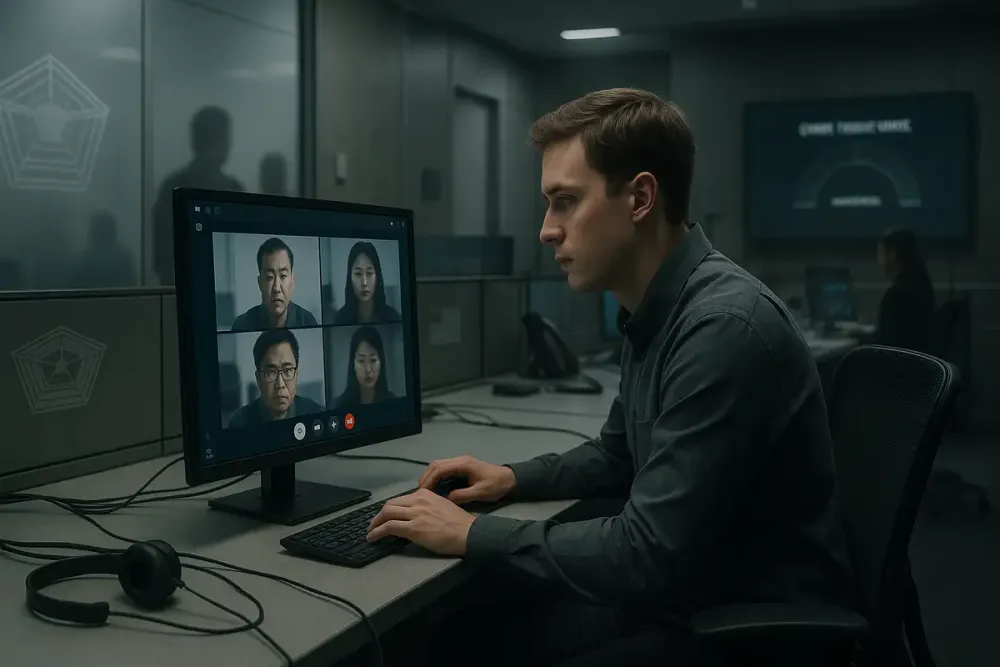
💡 TL;DR - The 30 Seconds Version
🚨 Microsoft used Chinese engineers to maintain the Pentagon's most sensitive computer systems for nearly a decade without top Defense officials knowing.
💰 "Digital escorts" earning just $18 an hour supervise elite Chinese engineers despite lacking technical skills to detect malicious code.
📊 The system handles "Impact Level 4 and 5" military data whose compromise could cause "severe or catastrophic" damage to national security.
🇨🇳 Chinese state-sponsored hackers stole 60,000 State Department emails in 2023 after breaching Microsoft's cloud systems.
⚠️ Former CIA and NSA executives call this arrangement a perfect opportunity for espionage, especially given Chinese laws requiring data cooperation.
🏛️ Defense Information Systems Agency officials initially told ProPublica "literally no one seems to know anything about this" arrangement.
Microsoft used engineers in China to maintain the Defense Department's most sensitive computer systems for nearly a decade, according to a ProPublica investigation that reveals a security arrangement unknown to top Pentagon officials.
The system relies on U.S. citizens with security clearances, called "digital escorts," to supervise foreign engineers working on military networks. These escorts often lack technical skills to detect malicious code and earn as little as $18 an hour.
Former Defense Department Chief Information Officer John Sherman told ProPublica he was "surprised and concerned" to learn about the arrangement. "I probably should have known about this," he said.
A Dangerous Skills Gap
The escort system creates a vulnerability. Chinese engineers with advanced technical skills send commands to American supervisors who may have little coding experience. The escorts then copy and paste those commands into federal networks during Microsoft Teams calls.
"We're trusting that what they're doing isn't malicious, but we really can't tell," one current escort told ProPublica.
Cost-Cutting Over Security
Microsoft created this workaround to win government cloud contracts while avoiding the expense of hiring a dedicated U.S. workforce. The company needed to satisfy federal rules requiring U.S. citizens to handle sensitive data.
Warnings Ignored
Multiple people warned Microsoft about the risks, but the company expanded the program anyway. In 2023, Chinese state-sponsored hackers infiltrated Microsoft's cloud systems and stole 60,000 emails from the State Department alone.
Pentagon in the Dark
Top Pentagon officials knew nothing about the arrangement. When ProPublica contacted the Defense Information Systems Agency, a spokesperson said: "Literally no one seems to know anything about this."
Perfect Storm for Espionage
The timing couldn't be worse. The Office of the Director of National Intelligence calls China the "most active and persistent cyber threat" to U.S. networks. Chinese laws give government officials broad authority to collect data from companies and citizens.
The Microsoft revelations come as Silicon Valley deepens its ties with the Pentagon. The Defense Department recently awarded major AI contracts to Google, OpenAI, Anthropic, and xAI.
Why this matters:
• Microsoft found a way to technically comply with federal security rules while creating massive vulnerability, showing how bureaucratic box-checking can undermine actual security.
• The Pentagon's own IT agency didn't know about a system that gives foreign engineers access to military networks, revealing dangerous gaps in oversight.
Read on, my dear:
❓ Frequently Asked Questions
Q: How long has Microsoft been using this "digital escort" system?
A: Microsoft launched the escort system around 2016 after receiving federal authorization. The practice has been running for nearly a decade, but ProPublica's investigation marks the first time it's been reported publicly.
Q: How many people are involved in this arrangement?
A: Insight Global, one of Microsoft's contractors, employs roughly 50 digital escorts who handle hundreds of interactions with China-based Microsoft engineers each month. The total number of Chinese engineers involved isn't disclosed.
Q: Do other major cloud providers use similar escort systems?
A: Unknown. Amazon Web Services and Google Cloud declined to comment when ProPublica asked about their practices. Oracle didn't respond. Microsoft appears to be the first major cloud provider to have this arrangement exposed.
Q: What specific technical work do the Chinese engineers actually perform?
A: The engineers handle routine but critical maintenance like updating firewalls, installing security patches, reviewing system logs, and troubleshooting network problems. This work requires deep technical knowledge that many escorts lack.
Q: Is Microsoft's escort system legal under federal rules?
A: Technically yes. Microsoft designed the system to comply with Federal Risk and Authorization Management Program rules requiring U.S. citizens to handle sensitive data. However, experts question whether it meets the spirit of those security requirements.
 Marcus Schuler
 Maria Garcia

Marcus Schuler
Editor-in-Chief and founder of Implicator.ai. Former ARD correspondent and senior broadcast journalist with 10+ years covering tech. Writes daily briefings on policy and market developments. Based in San Francisco. E-mail: editor@implicator.ai