IMPLICATOR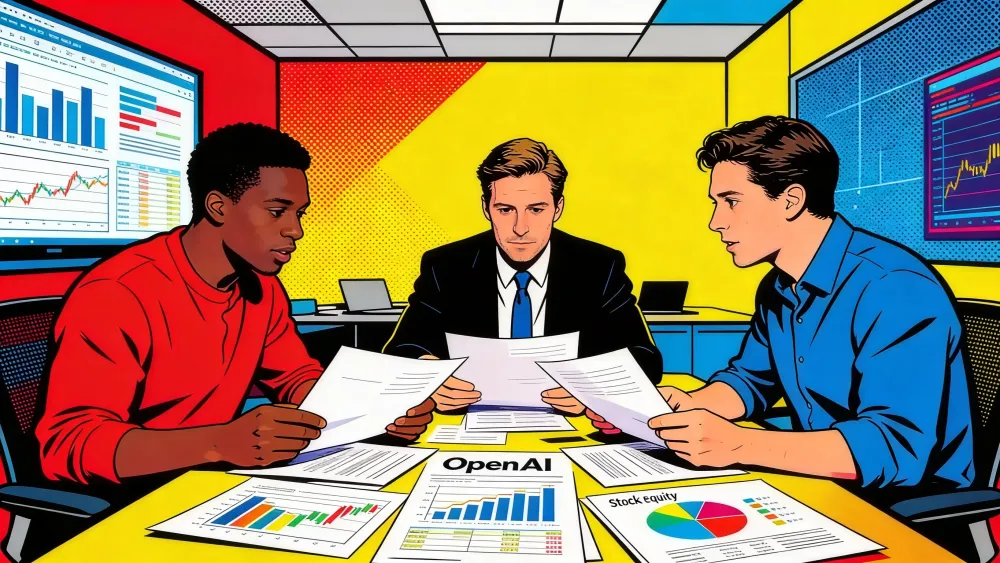
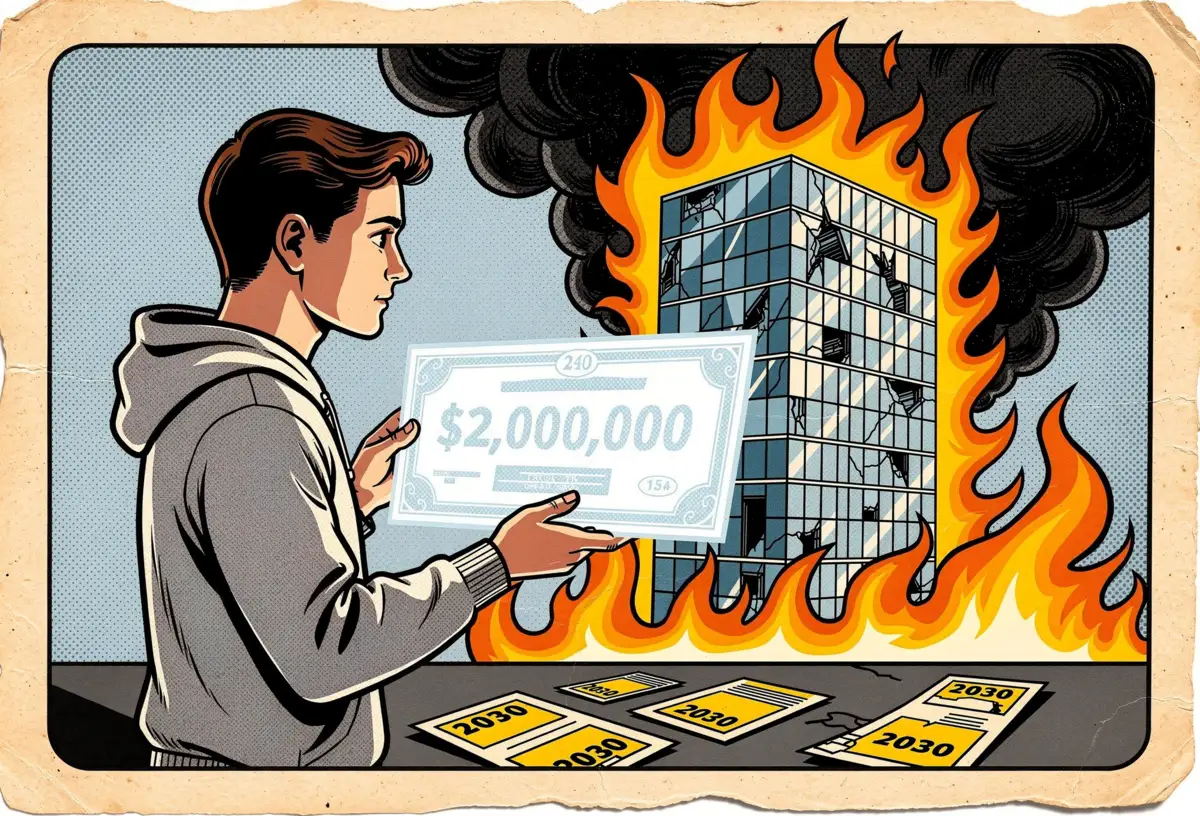
The Wall Street Journal reported Sunday that OpenAI allowed current and former employees to sell as much as $30 million each in an October secondary sale. More than 600 people sold $6.6 billion of shares, and roughly 75 sold the full permitted amount after the startup tripled an earlier cap. The report adds individual payout figures to a transaction that closed last fall as investors sought exposure to the ChatGPT maker.
Key Takeaways
- OpenAI let staff sell up to $30 million each in an October secondary sale.
- More than 600 current and former employees sold $6.6 billion of shares.
- CNBC and Reuters reported the tender priced OpenAI at $500 billion.
- The sale adds employee-level detail to OpenAI's broader IPO and retention push.
AI-generated summary, reviewed by an editor. More on our AI guidelines.
Two-year holders got access
The Journal's account said OpenAI required staff to hold shares for two years before selling, making the October tender the first cash-out window for many workers who joined after ChatGPT's late-2022 launch. OpenAI had previously limited eligible sellers to $10 million each, but raised the ceiling to three times that amount because investor demand exceeded available supply.
The Implicator covered the tender when it closed, with the $6.6 billion sale total and more than $3B of authorized volume that did not clear. The transaction was employee liquidity rather than primary capital: OpenAI received no new money, and existing holders transferred stakes to outside buyers.
CNBC and Reuters used $500 billion
Several follow-up summaries of the WSJ article put the sale near $400 billion. CNBC and Reuters wrote when the deal closed in October that the $6.6 billion offering priced OpenAI at $500 billion, with buyers including Thrive Capital, SoftBank, Dragoneer Investment Group, Abu Dhabi's MGX and T. Rowe Price.
CNBC wrote in September that eligible holders were offered participation after two years on the cap table. The same report said OpenAI had expanded the available employee-sale pool to $10.3 billion and expected the transaction to close in October.
Track the AI money trail
Strategic AI news from San Francisco. No hype, no "AI will change everything" throat clearing. Just what moved, who won, and why it matters. Daily at 6am PST.
No spam. Unsubscribe anytime.
Talent costs keep rising
Fortune's February pay report tied OpenAI's equity program to the recruiting fight among frontier AI labs. Citing Journal data, Fortune wrote that average stock-based compensation reached $1.5 million among roughly 4,000 employees in 2025. The same report put those awards at about 46.2% of annual revenue.
OpenAI also advertises some technical jobs above $500,000 a year, according to the Journal. The Journal also reported seven-figure bonuses as rivals pursued AI researchers. OpenAI ended its vesting cliff last year, adding another retention lever before the current share-sale cycle.
More liquidity may follow
Reuters said in October that OpenAI was preparing for a possible IPO that could value the business at up to $1 trillion. The Implicator covered that listing push after OpenAI and Microsoft signed a new definitive agreement tied to OpenAI's public-benefit-corporation recapitalization.
The Journal's new reporting moves the focus from the valuation to the employees holding shares. Some sellers placed remaining stakes in donor-advised funds, according to the Journal. More workers could face the same choice if OpenAI reaches public markets in 2026 or 2027, though Reuters added that the company had not set a date.
Frequently Asked Questions
How much could OpenAI employees sell?
The Wall Street Journal reported that eligible current and former employees could sell as much as $30 million each in the October secondary sale.
How many people participated in the OpenAI stock sale?
More than 600 current and former employees sold shares, and roughly 75 sold the full permitted amount, according to the Journal report.
Did OpenAI receive new capital from the sale?
No. The transaction was a secondary sale, meaning existing holders sold stakes to outside buyers rather than OpenAI issuing new shares.
Why did OpenAI raise the sale cap?
The Journal reported that OpenAI raised the cap from $10 million to $30 million because investor demand exceeded available supply.
When could more employee liquidity arrive?
Reuters reported OpenAI has considered IPO timing around 2026 or 2027, but also said the company had not set a public listing date.
AI-generated summary, reviewed by an editor. More on our AI guidelines.


Marcus Schuler
Editor-in-Chief and founder of Implicator.ai. Former ARD correspondent and senior broadcast journalist with 10+ years covering tech. Writes daily briefings on policy and market developments. Based in San Francisco. E-mail: editor@implicator.ai