Tim Cook built Apple's leadership into a monument of stability. In 2025, that monument cracked. Meta poached AI and design chiefs with $25M packages. The chip architect may follow. What broke inside the world's most valuable company?
OpenRouter's 100 trillion token study was supposed to prove AI is transforming everything. The data shows something else: half of open-source usage is roleplay, enterprise adoption is thin, and one account caused a 20-point spike in the metrics.
The New York Times sued Perplexity for copyright infringement—months after signing an AI licensing deal with Amazon. Perplexity built revenue-sharing programs for publishers. The Times declined to join any of them. Now lawyers are involved.
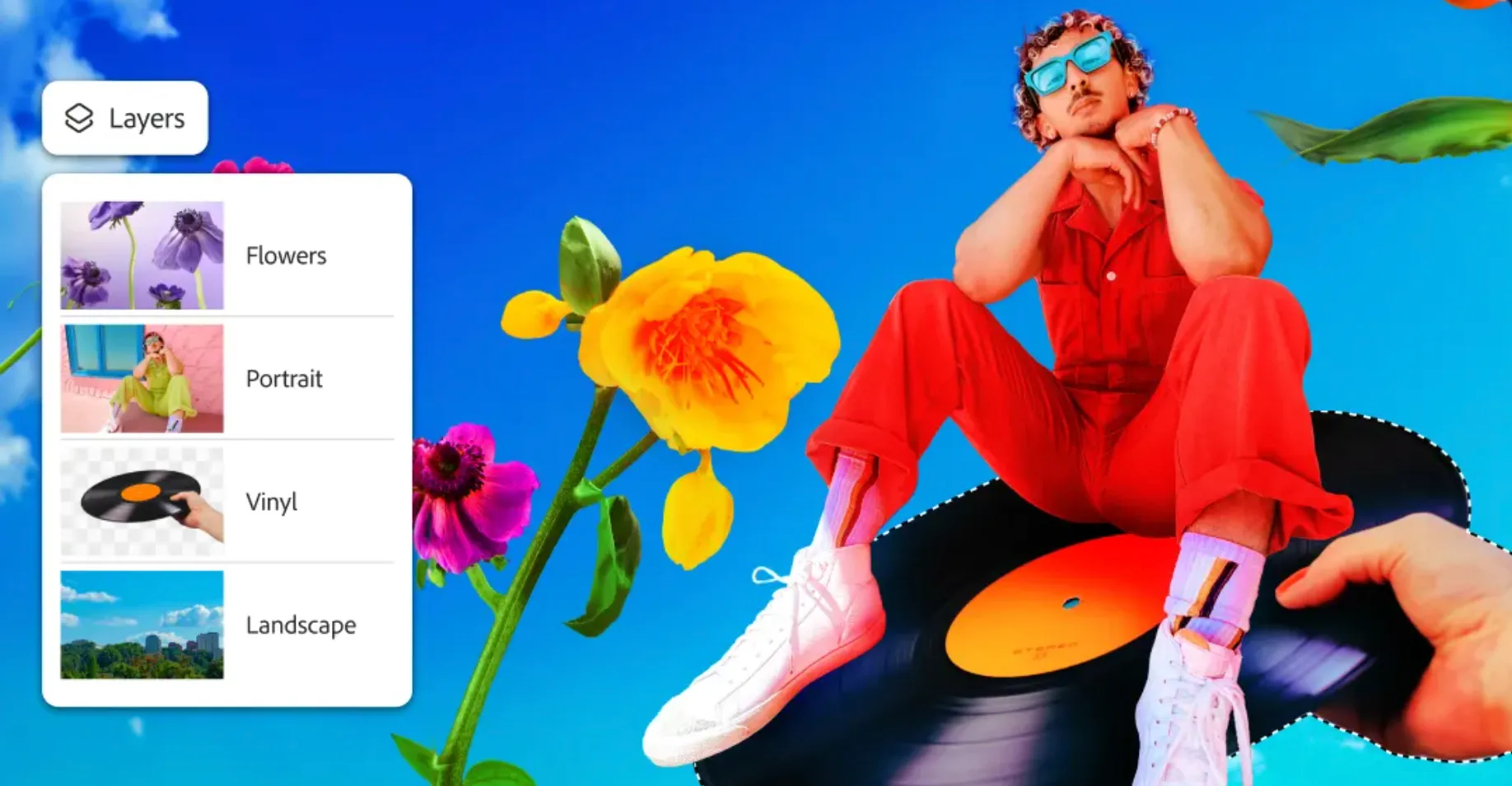
Adobe just dropped a bombshell: real Photoshop on your iPhone. Not Photoshop Express. Not Photoshop Lite. The actual thing.
The app launched globally today for iOS users. Android folks? They'll have to practice patience until late 2025. Consider it a character-building exercise.
This isn't just another mobile editor. It's Photoshop with its professional pants on. Start a project at your desk, tweak it on your commute, finish it while pretending to watch your kid's soccer practice. The seamless integration with Photoshop on the web makes it all possible.
The free tier is surprisingly generous. You get the Spot Healing Brush, Tap Select, layers, masks, and even Adobe's Firefly AI tools. It's like they forgot to run the feature list by their accountants first.
Premium features? That's where Adobe remembers they're a business. Object Select, Magic Wand, Content Aware Fill, Clone Stamp, and the Remove Tool cost $7.99 monthly or $69.99 annually. But existing Photoshop subscribers get these features included. How thoughtful of them.
Adobe's product lineup now reads like a confused family tree. There's Photoshop proper, Photoshop Express ($4.99/month), Adobe Express, and now this. Someone in marketing must be enjoying the chaos.
This isn't just another update. It's Photoshop finally admitting that phones are computers too. The interface has been completely reimagined for touch, making it feel native to mobile rather than a cramped desktop port.
Why this matters:
The great divide between mobile and desktop creativity just vanished. Your phone is now a legitimate professional tool, not just a glorified Instagram machine.
Adobe's move signals a shift in professional creative work - the office is wherever your phone has reception.
This puts pressure on both creators and competitors: creators can work anywhere (goodbye, work-life balance), and competing apps need to step up their game significantly.
Tech translator with German roots who fled to Silicon Valley chaos. Decodes startup noise from San Francisco. Launched implicator.ai to slice through AI's daily madness—crisp, clear, with Teutonic precision and sarcasm.
E-Mail: marcus@implicator.ai
Tim Cook built Apple's leadership into a monument of stability. In 2025, that monument cracked. Meta poached AI and design chiefs with $25M packages. The chip architect may follow. What broke inside the world's most valuable company?
The New York Times sued Perplexity for copyright infringement—months after signing an AI licensing deal with Amazon. Perplexity built revenue-sharing programs for publishers. The Times declined to join any of them. Now lawyers are involved.
Chinese hackers operated inside U.S. VMware servers for 17 months undetected. The malware repairs itself when deleted. It hides where most security teams don't look. CISA's December 4 advisory exposes an architectural blind spot in enterprise defense.
Werner Vogels ends his 14-year keynote streak by handing out printed newspapers and warning developers about "verification debt." His parting message: AI generates code faster than humans can understand it. The work is yours, not the tools.