IMPLICATOR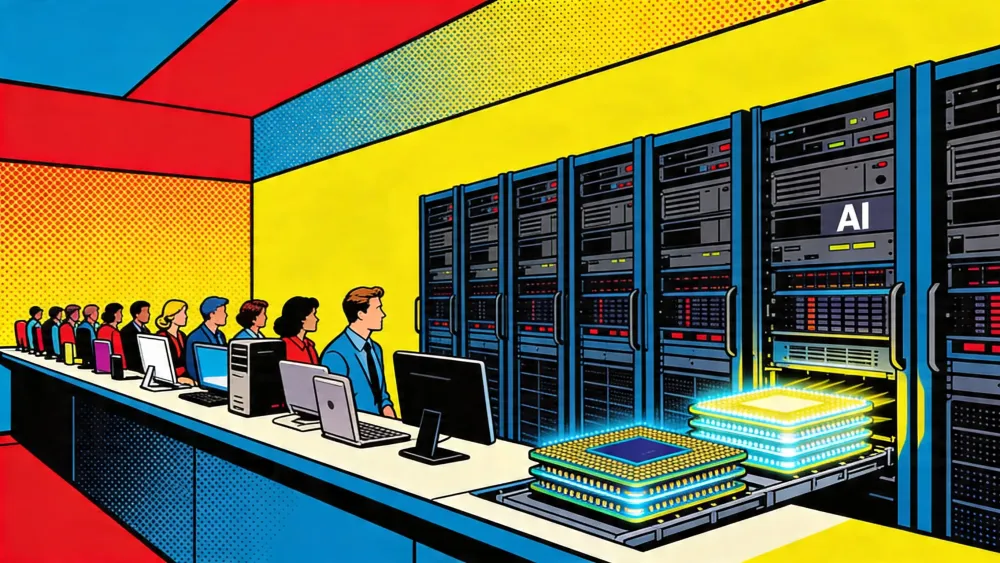
The memory shortage is likely to last until around 2027 as Samsung, SK Hynix and Micron add capacity too slowly to match demand. The three suppliers control about 90% of DRAM, and current expansion plans cover only about 60% of demand. The source of the pain is plain: AI servers pay for high-bandwidth memory first, and everyone else waits at the parts counter.
Key Takeaways
- The memory shortage is likely to last until around 2027.
- Current production plans meet about 60% of demand, with a 12% annual growth target needed.
- TrendForce expects Q2 DRAM contract prices up 58% to 63% and NAND up 70% to 75%.
- Quest price hikes and Apple delays show the shortage reaching retail shelves.
AI-generated summary, reviewed by an editor. More on our AI guidelines.
Nikkei Asia reported the 2027 shortage outlook Saturday, citing supplier expansion plans and Counterpoint Research's estimate that industry output needs to rise 12% a year through 2027.
The capacity math is ugly.
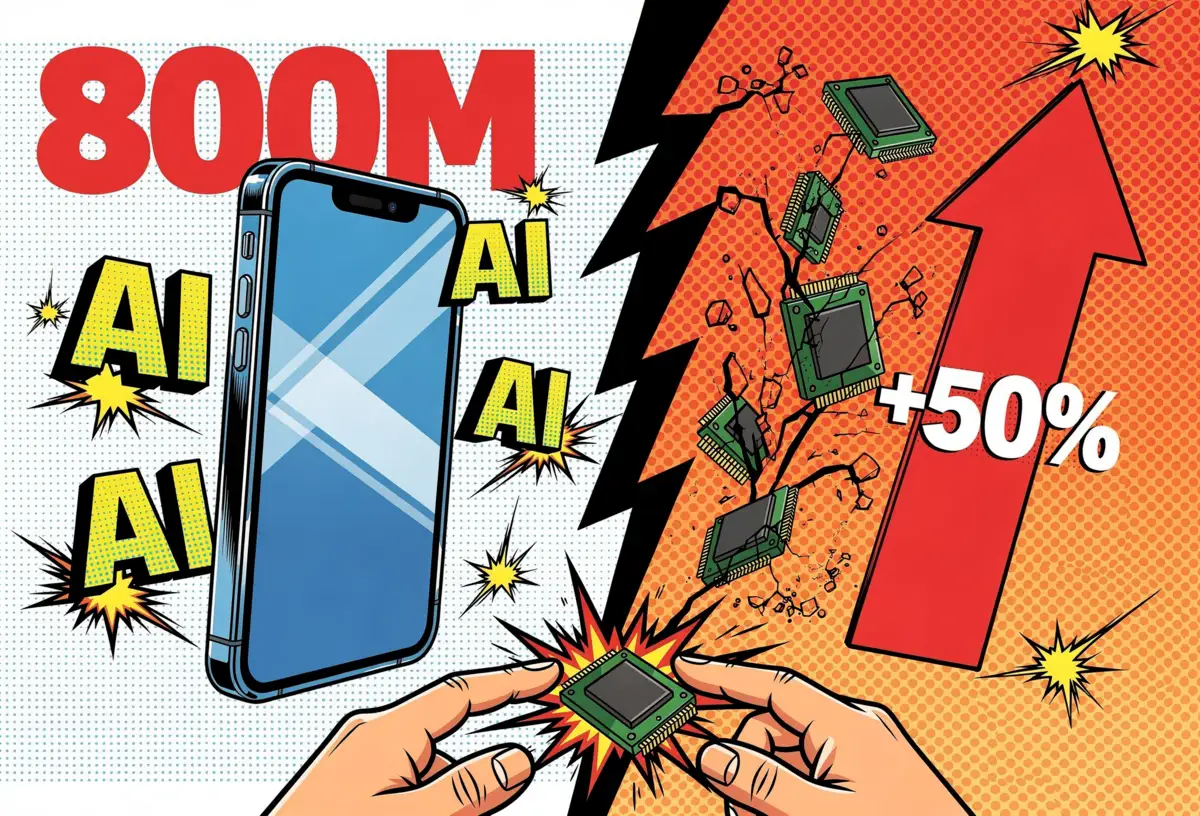
TrendForce said conventional DRAM contract prices are expected to rise 58% to 63% in the second quarter, after a 90% to 95% jump in the first quarter. NAND is getting hauled along too, with flash contracts forecast up 70% to 75%.
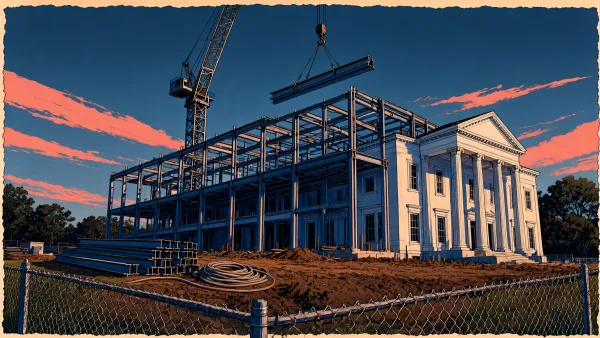
That is why the boardroom mood sounds defensive. Samsung can switch on its fourth Pyeongtaek fab in 2026, but volume output is a different beast. Nikkei says that waits until 2027 or later, after yields climb. A fifth Pyeongtaek fab, aimed at advanced HBM, sits farther out at 2028 or beyond.
Here is the hard line. Counterpoint told Nikkei that resolving the shortage would require industry production growth of 12% a year through 2027. Current plans add 7.5%. That is only five-eighths of the pace needed.
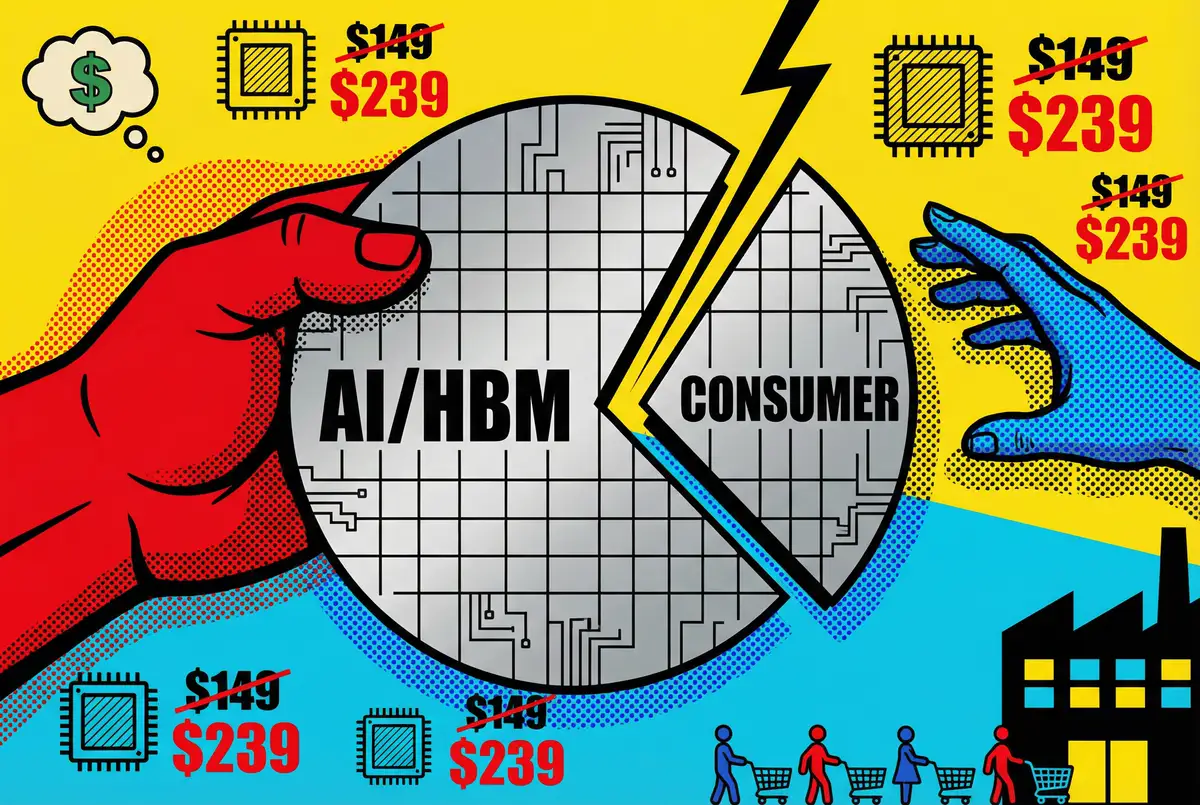
AI gets the wafer.
SK Hynix started an HBM fab in Cheongju in February. It is also dragging the Yongin schedule forward by three months, toward February 2027. Micron has its own map: Idaho and Singapore HBM in 2027, then Hiroshima mass production in 2028. The chipmakers are moving. They are just moving through concrete, clean rooms and yield curves.
AI buyers do not wait politely. North American cloud providers are signing long-term agreements for server DRAM and enterprise SSD supply. That leaves consumer device makers anxious, especially the ones that cannot promise huge orders.
You can see the squeeze on the shelf. IDC now expects PC shipments to fall 11.3% in 2026 and smartphone shipments to fall 12.9%. It also expects the shortage to last through 2026 and likely into 2027.
Get Implicator.ai in your inbox
Strategic AI news from San Francisco. No hype cycle theater. Just what moved, who won, and why it matters.
No spam. Unsubscribe anytime.
The shortage has a retail price.
Meta has already put a sticker on it. Quest 3S models rise by $50 on April 19, while Quest 3 rises by $100 to $599.99, TechCrunch reported. Meta blamed memory chips directly.
Apple looks exposed too, though less cornered. The Wall Street Journal checked the store page and found high-memory Mac Mini and Mac Studio builds either unavailable or pushed out as long as 12 weeks. Ars Technica reported the quieter cut inside Apple's configurator: no 512GB RAM tier for the M3 Ultra Mac Studio, and the 256GB tier priced at $2,000 instead of $1,600.
That is the tell. Even Apple can only shove so many smaller buyers out of the queue.
Their finance teams still remember 2023. Device demand fell, memory prices caved, losses followed. Samsung, SK Hynix and Micron have little reason to flood the market now. Tight supply lifts margins. HBM keeps AI customers close. Consumer DRAM can stand in line.
So the shortage has moved beyond a temporary missing part. It is a toll gate. AI servers reach it with cash in hand. A phone maker, a headset maker and a buyer staring at a delayed Mac checkout page arrive behind them.
The new fabs matter. The absence matters more. Until enough wafers reach ordinary DRAM again, the memory market has capacity on paper and scarcity in the box.
Frequently Asked Questions
Why is there a memory shortage?
AI data centers are buying high-bandwidth memory and server DRAM at scale. Samsung, SK Hynix and Micron have shifted capacity toward those higher-margin products, leaving ordinary DRAM and NAND buyers with tighter allocations.
How long could the shortage last?
Nikkei reported the shortage is likely to continue until around 2027. Counterpoint told Nikkei that supply and demand may not normalize until 2028.
How fast are memory prices rising?
TrendForce expects conventional DRAM contract prices to rise 58% to 63% in Q2 2026, after a 90% to 95% rise in Q1. NAND flash is forecast to rise 70% to 75% in Q2.
Which consumer products are affected?
Meta is raising Quest 3 and Quest 3S prices on April 19. Apple has delays or unavailable configurations for high-memory Mac Mini and Mac Studio models, according to WSJ, and removed a 512GB Mac Studio RAM option.
Who benefits from tight memory supply?
The main memory suppliers benefit from pricing power, especially when AI buyers sign long-term agreements. The risk falls on smaller device makers that cannot outbid cloud providers or Apple-scale buyers.
AI-generated summary, reviewed by an editor. More on our AI guidelines.
Related stories

Free AI briefing · Weekdays
The AI stories that matter, sourced and explained.
Join the Morning Briefing. It goes out every weekday at 4:45 a.m. Pacific, with later sends for the East Coast, Berlin and Tokyo.
Free when you sign up: The Paperclip Compendium, our tested guide to running AI agents.
Free. Unsubscribe in one click.

Marcus Schuler
Editor-in-Chief and founder of Implicator.ai. Former ARD correspondent and senior broadcast journalist with 10+ years covering tech. Writes daily briefings on policy and market developments. Based in San Francisco. E-mail: editor@implicator.ai