Implicator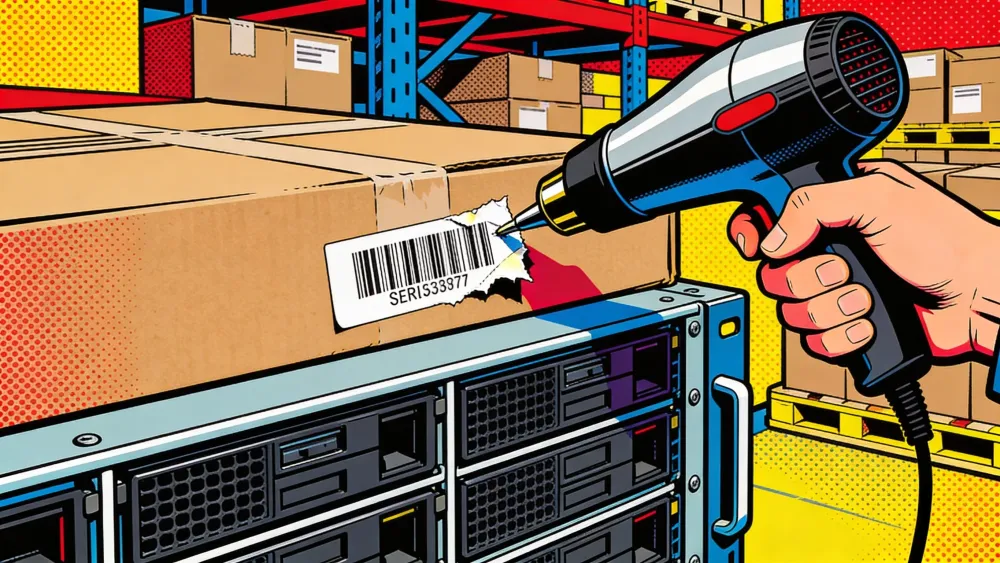
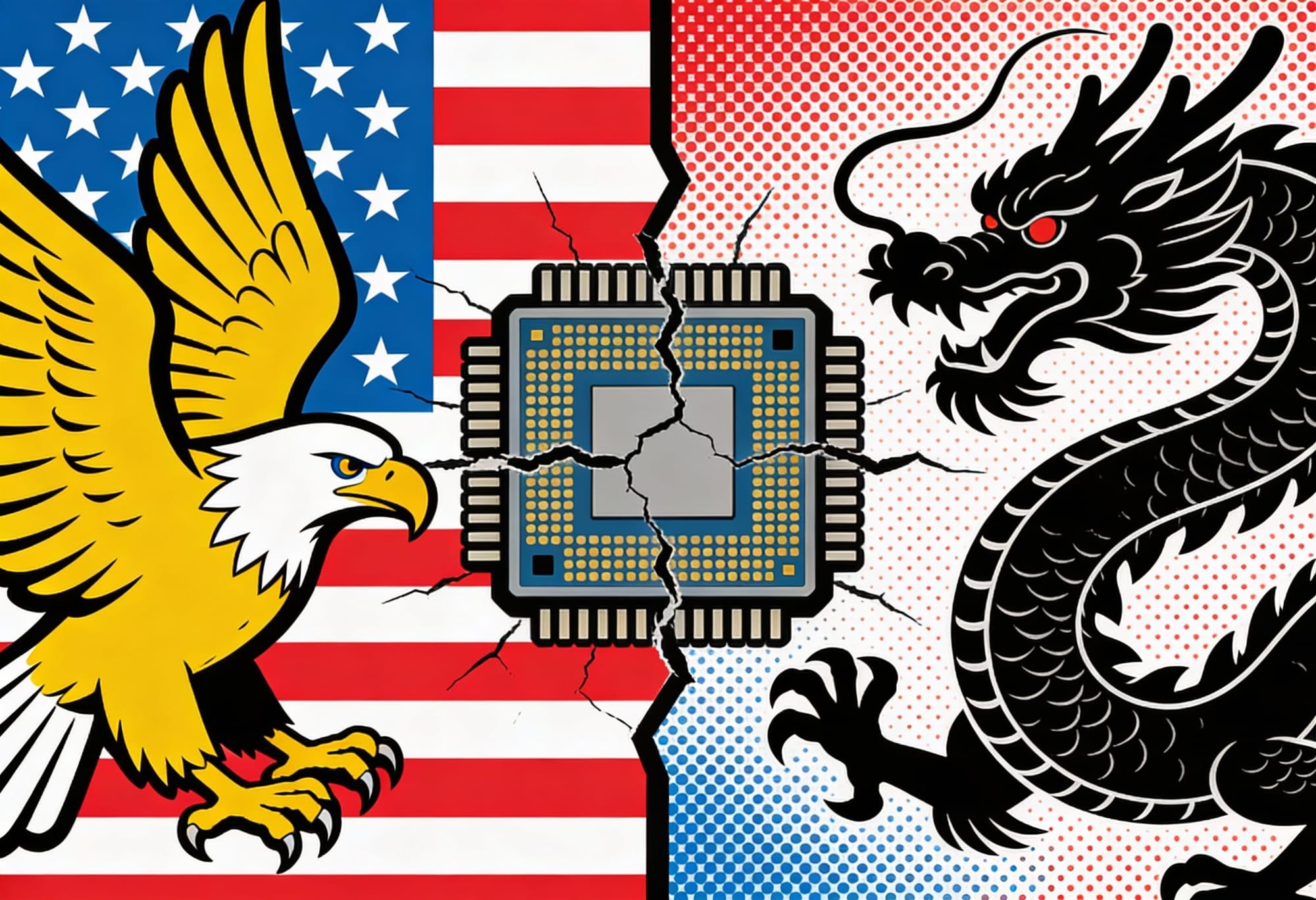
Federal prosecutors on Thursday charged Super Micro Computer co-founder Yih-Shyan "Wally" Liaw and two others with conspiring to divert about $2.5 billion worth of AI servers containing restricted Nvidia chips to China, according to an indictment unsealed in Manhattan federal court. The alleged scheme routed servers through an unnamed Southeast Asian front company between 2024 and 2025, with at least $510 million in hardware reaching Chinese buyers during a single three-week window last spring. Super Micro's stock fell about 33% on Friday to $20.53, its worst single-day decline since October 2018.
The case marks the highest-profile chip smuggling prosecution since Washington first restricted Nvidia exports to China in October 2022. Two defendants were arrested Thursday. A third remains a fugitive.
The Breakdown
- Federal prosecutors charged Super Micro co-founder Wally Liaw with diverting $2.5 billion in Nvidia AI servers to China
- Defendants staged thousands of dummy servers and used hair dryers to swap serial numbers, fooling auditors and a Commerce inspector
- Super Micro stock fell 33% to $20.53, its worst single-day decline since 2018, erasing billions in market value
- Third governance crisis in eight years for Super Micro, following SEC fines and an auditor resignation
Hair dryers and dummy servers
The indictment reads like a screenplay nobody would greenlight. What the surveillance cameras captured was almost absurd: a hair dryer, thousands of fake servers, and two men in a Southeast Asian warehouse peeling serial-number stickers off the replicas and pressing them onto empty boxes. The real servers, loaded with restricted Nvidia AI chips, were already in China. Shipped weeks earlier in unmarked packaging. All of it on camera.
Staged replicas did double duty. When Super Micro's own compliance team arrived to audit the facility, the props were waiting. When a U.S. Department of Commerce inspector showed up for a separate check, the same fakes got wheeled out again. One compliance auditor who was supposed to conduct an in-person review was "off-site enjoying entertainment paid for" by the front company, the indictment said. Sun photographed the dummy servers and sent the images to that absent auditor instead, prosecutors alleged.
Three names on the indictment. Liaw is 71, a co-founder who left Super Micro during its 2018 crisis and talked his way back to a senior vice president title and a board seat. Chang managed the Taiwan office and is 53. Sun was a 44-year-old contractor prosecutors called a "fixer," a word that says plenty about the operation. Liaw got arrested in California and released on bail. Sun remains held for a detention hearing. Chang is a fugitive.
Throughout the scheme, defendants used encrypted messaging apps to coordinate server quantities, delivery locations in China, and strategies for hiding the operation, the indictment said. When a broker sent Liaw a news article about Chinese nationals arrested for smuggling AI chips, Liaw responded with sobbing emojis, prosecutors alleged. The shipments continued.
Billions in servers, zero licenses
Liaw and Chang directed executives at the unnamed Southeast Asian company to place purchase orders with Super Micro as though the servers were bound for that company's own operations, according to the indictment. Servers got assembled in the United States, shipped to Super Micro's facilities in Taiwan, then delivered to the front company at a separate Southeast Asian location. A logistics firm stripped the identifying packaging, placed the hardware in unmarked boxes, and forwarded everything to buyers in China.
No U.S. Commerce Department license was ever obtained.
During a single three-week stretch from late April to mid-May 2025, roughly half a billion dollars' worth of American-assembled servers flowed through this pipeline. Prosecutors said the front company purchased $2.5 billion total in Super Micro servers across the two-year period.
Liaw pushed hard to escalate. In late 2024, he pressured the front company to adopt Nvidia's more advanced B200 chip, built on the Blackwell architecture, the indictment said. "Roughly how many you can take by January? Feb? March? April?" Liaw wrote in a text to an executive at the company. "Just roughly forecast will be fine ... Then we can propose to [Nvidia] with the way they can accept ... This is the only way to have [Nvidia] to promise the B200 allocation so far as I know."
Liaw forwarded a White House statement about upcoming export rules in January 2025, telling the executive that shipments needed to pick up speed before the effective date, prosecutors said.
If convicted on the most serious count, conspiracy to violate the Export Controls Reform Act, each faces up to twenty years. Two additional charges, for smuggling goods and defrauding the United States, carry up to five years apiece.
A 33% stock crater and a compliance scramble
Super Micro shares closed at $20.53 on Friday. Down about 33%. Billions in market capitalization gone in a single session.
The company, visibly cornered, moved fast to contain fallout. Super Micro appointed DeAnna Luna as acting chief compliance officer on Friday, effective immediately. Luna had served as vice president of global trade and sanctions compliance and previously worked at Intel and Teledyne Technologies. Liaw resigned from the board, reducing membership to eight.
Super Micro placed both Liaw and Chang on administrative leave and cut ties with Sun. The company insists it is not a defendant. It says it has been cooperating with investigators.
Super Micro's statement called the alleged conduct "a contravention of the Company's policies and compliance controls." The company "maintains a robust compliance program," it added.
Stay ahead of the curve
Strategic AI news from San Francisco. No hype, no "AI will change everything" throat clearing. Just what moved, who won, and why it matters. Daily at 6am PST.
No spam. Unsubscribe anytime.
Nvidia released a statement distancing itself from the scheme. "Unlawful diversion of controlled U.S. computers to China is a losing proposition across the board," a spokesperson said. "NVIDIA does not provide any service or support for such systems, and the enforcement mechanisms are rigorous and effective." As recently as December, Nvidia had called reports of chip smuggling operations "far-fetched."
A company that keeps catching fire
You could read the smuggling charges as an isolated incident involving rogue employees. Super Micro's own statement encourages that interpretation. The company's track record makes it harder to sustain.
Super Micro fell out of compliance with Nasdaq listing standards in 2018 and its stock was suspended from trading. The SEC investigated its accounting practices. Liaw resigned from all company positions in January of that year during the filing and controls crisis. In 2020, the company paid a $17.5 million penalty and its chief financial officer stepped down.
Liaw came back quietly at first, advising the company starting in 2021. Within two years he had a full-time executive title and his board seat back.
Hindenburg Research dropped a short report in August 2024. The accounting problems, the short-seller alleged, had come back. EY, Super Micro's auditor, was raising its own red flags about governance. Two months later the firm walked out mid-audit, saying it could "no longer rely on management's and the Audit Committee's representations." A company exposed, again.
Without an auditor, Super Micro couldn't file its annual report. Nasdaq gave the company until November. Days before the deadline, Super Micro hired BDO USA as a replacement. A special committee consisting of a single board member later concluded there was no evidence of fraud and called EY's resignation "not supported by facts."
But that committee also recommended replacing CFO David Weigand. Fifteen months later, Weigand remains in the role. "No one wants this job, this is like touching lightning," Shawn Cole, president of executive search firm Cowen Partners, told Fortune last month. Thursday's indictment will not shorten the line of candidates.
The enforcement gap nobody wants to name
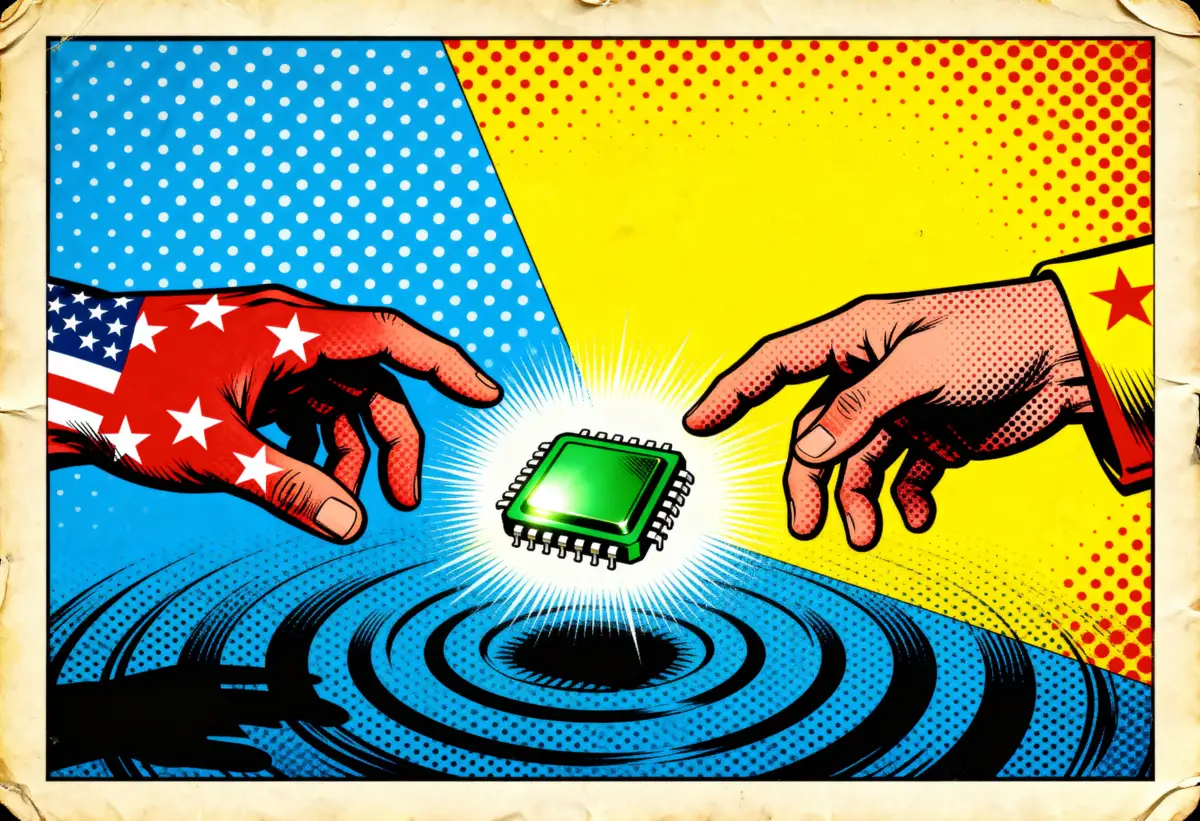
The Super Micro prosecution arrives during an awkward moment for Washington. The Trump administration has been loosening the same export controls that the DOJ is now enforcing with criminal charges.
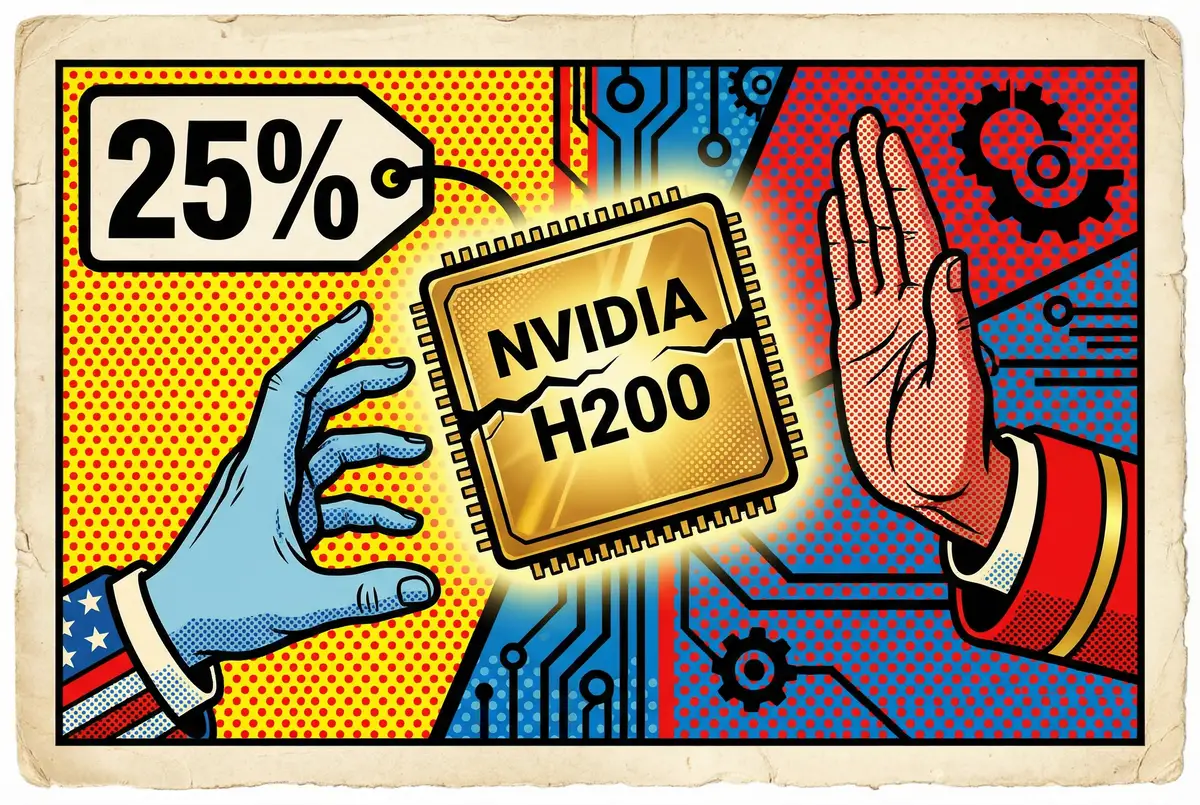
Trump told Chinese President Xi Jinping in December that the U.S. would allow Nvidia to sell H200 GPUs to China "under conditions that allow for continued strong National Security," CNBC reported. Earlier this year, the Bureau of Industry and Security issued revised licensing rules, replacing a presumption of denial with case-by-case review for earlier-generation hardware. Nvidia CEO Jensen Huang said this week the company is restarting manufacturing to fulfill H200 orders from Chinese customers.
And under a separate arrangement last summer, the White House agreed to let Nvidia sell its less powerful H20 chips to China on the condition that a share of the revenue goes to the U.S. government. Washington has, in effect, built a revenue stream from the same export control regime it is now wielding as a criminal enforcement tool.
"This operation is further evidence that China is aggressively stealing U.S. technology to help power its AI industry," said Chris McGuire, a senior fellow at the Council on Foreign Relations, telling NBC News the case exposes "glaring loopholes" in Southeast Asian transshipment routes. The Financial Times estimated last July that China secured roughly $1 billion in advanced AI processors in the three months after controls tightened. The Super Micro indictment suggests the real figure runs much larger.
"Crimes involving sensitive technology must be met with swift action otherwise the law is meaningless," said Jay Clayton, the Trump-appointed U.S. Attorney for the Southern District of New York.
Super Micro was supposed to be turning around. Revenue looked good just a month ago, with the company projecting at least $12.3 billion for the current quarter, well above the $10.2 billion Wall Street expected. Liang shook hands with Jensen Huang at Nvidia's developer conference this week. Super Micro posted a photo. Liaw was standing right there, according to Reuters.
Now the co-founder who built the company alongside Liang in 1993 faces 20 years in federal prison. Super Micro's "robust compliance program" needs a new auditor, a new CFO, and whatever credibility remains after the third governance crisis in eight years. The servers are in China. The dummy boxes sit in a warehouse somewhere in Southeast Asia, serial numbers from a hair dryer still stuck to the wrong machines.
Frequently Asked Questions
Is Super Micro itself charged in the case?
No. Super Micro is not named as a defendant. The company placed Liaw and Chang on administrative leave, terminated contractor Sun, and says it is cooperating with investigators. However, the indictment describes compliance failures within the company's own systems.
What specific chips were allegedly smuggled?
The indictment describes servers containing restricted Nvidia AI chips, including B200 and H200 GPUs built on the Blackwell architecture. U.S. export controls bar their sale to China without a Commerce Department license. No license was ever obtained for these shipments.
How did the scheme avoid detection for so long?
Defendants routed servers through a Southeast Asian front company using false end-user documentation. They staged thousands of nonworking replica servers for audits and communicated via encrypted messaging. One auditor was reportedly entertained off-site by the front company instead of inspecting.
What penalties do the defendants face?
The most serious charge, conspiracy to violate the Export Controls Reform Act, carries up to twenty years. Two additional counts for smuggling and defrauding the United States carry up to five years each. Liaw posted bail. Sun is held pending a hearing. Chang remains a fugitive.
How does this affect Nvidia?
Nvidia is not charged but released a statement calling compliance a top priority. The company said it provides no service or support for unlawfully diverted systems. As recently as December, Nvidia had called reports of chip smuggling far-fetched. Its stock also dipped on the news.

Maria Garcia
Bilingual tech journalist slicing through AI noise at implicator.ai. Decodes digital culture with a ruthless Gen Z lens—fast, sharp, relentlessly curious. Bridges Silicon Valley's marble boardrooms, hunting who tech really serves.