IMPLICATOR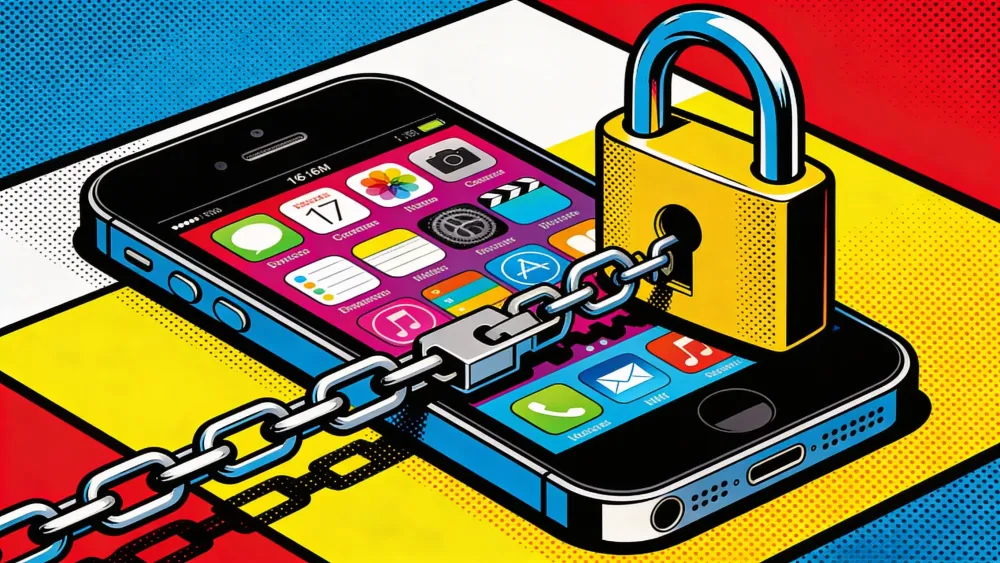
Apple has blocked at least two AI-powered "vibe coding" apps from releasing updates in the App Store, The Information reported Wednesday. Replit and Vibecode, which let users build software through natural language prompts, must modify how they function before Apple will approve new versions. The enforcement cites App Store Guideline 2.5.2, a long-standing rule that prohibits apps from downloading or executing code that changes their own functionality or that of other apps.
Apple says it is enforcing longstanding rules against code that changes an app's functionality after review, not targeting vibe coding apps as a category. That explanation is real. So is the tension: Apple is simultaneously promoting agentic coding inside Xcode while constraining third-party tools that let software take shape inside App Store apps themselves.
What Changed
- Apple blocked Replit and Vibecode App Store updates, citing rules against code that changes app functionality after review.
- Replit must move generated app previews to external browsers; Vibecode must remove Apple-device-specific generation.
- Replit's iPhone app fell from first to third in developer tools rankings during two months without updates.
- Apple promotes AI coding through Xcode agents from OpenAI and Anthropic while restricting third-party vibe coding tools.
What Apple actually objects to
The specific technical complaint centers on embedded web views. When Replit generates an app from a user's prompt, it displays that app inside the Replit app itself, according to MacRumors. Apple considers this a violation because the generated app effectively changes what the original app does after passing review.
Replit's path back looks simple enough: push generated apps to an external browser rather than displaying them in-app. People familiar with the discussions say Apple would probably approve that.
Vibecode faces a steeper ask. Apple's review team told the company it would need to remove the ability to generate software specifically for Apple devices, a person familiar with the situation told 9to5Mac. That strips out a core selling point.
Apple also pointed to section 3.3.1(B) of its Developer Program License as additional justification. Interpreted code can be downloaded to an app, but only if it "does not change the primary purpose of the Application by providing features or functionality that are inconsistent with the intended and advertised purpose." A vibe coding app that becomes a game, then a calculator, then a social network arguably fails that test every time someone types a new prompt.
Apple told 9to5Mac it had maintained consistent communication with both developers, including three phone conversations over two months.
The cost of frozen updates
Replit hasn't pushed a mobile update since January. Users opening the app still see a build from two months ago. A source familiar with the situation told The Information it fell from first to third in Apple's free developer tools rankings during that stretch. For a company that raised $400 million at a $9 billion valuation earlier this month, two months of frozen mobile updates amount to a competitive penalty applied through process, not policy.
Vercel's v0 app, which also uses AI to generate code, has not received the same treatment. But v0 focuses on web applications rather than generating software for Apple devices specifically, which may explain why Apple drew the line where it did.
And that distinction raises a question. If the rule is about code execution after review, it should apply to any app generating runnable software in-app. If Apple is drawing the line specifically at tools that build for its own platforms, the enforcement looks narrower than the guidelines it cites.
Apple promotes vibe coding on its own terms
Apple shipped Xcode updates in February with built-in support for AI coding agents from OpenAI and Anthropic. Those tools let developers, and people who have never written code, build functional apps through natural language prompts. Same concept as Replit. Same concept as Vibecode.
Xcode feeds directly into App Store submissions. Apps built through Xcode's AI agents go through Apple's review process and stay inside Apple's distribution channel. Third-party vibe coding tools can produce web apps that never touch the App Store at all.
An Apple spokesperson told AppleInsider the enforcement exists to prevent apps from "fundamentally changing their function" without review. That sounds reasonable, until you remember Apple is pushing developers toward exactly that kind of rapid, AI-assisted creation through its own Xcode tools.
Daily at 6am PST
Stay ahead of the curve
No breathless headlines. No "everything is changing" filler. Just who moved, what broke, and why it matters.
Free. No spam. Unsubscribe anytime.
What comes next
Both Replit and Vibecode are reportedly close to regaining update approval after agreeing to modifications. The fixes may be technically simple. But the precedent is not.
Apple has established that vibe coding apps operating inside the App Store must either push generated content to external browsers or strip out platform-specific generation entirely. You can read that as a reasonable application of existing rules. You can also read it as Apple drawing a line around who gets to build the next generation of software for its platforms.
The vibe coding market is growing fast. Replit, Lovable, Cursor, and others have collectively raised billions in funding. If the trend holds, the question stops being whether Apple can enforce Guideline 2.5.2 against these apps. It becomes whether the guideline still makes sense in a world where anyone with a prompt can ship software.
Apple's App Review team will have to answer that one. Three phone calls in two months got the conversation started. The next round won't be so quiet.
Frequently Asked Questions
What is vibe coding?
Vibe coding lets people build apps by describing what they want in plain language to an AI system. Tools like Replit and Vibecode generate functional software from natural language prompts, enabling users with no programming experience to create working applications.
Which App Store rules did Apple cite?
Apple pointed to Guideline 2.5.2, which requires apps to be self-contained and prohibits executing code that changes their features. Apple also cited section 3.3.1(B) of its Developer Program License, which allows interpreted code downloads only if they don't change the app's primary purpose. Both rules predate vibe coding.
What changes must Replit and Vibecode make?
Replit must stop displaying generated apps in an embedded web view and instead open them in an external browser. Vibecode must remove the ability to generate software specifically for Apple devices. Both companies are reportedly close to regaining update approval after agreeing to modifications.
Why wasn't Vercel's v0 affected?
Vercel's v0 focuses on generating web applications rather than software for Apple devices. Apple has not explained why enforcement appears selective, but v0's web-only scope may place it outside the specific violations Apple cited against Replit and Vibecode.
How does Apple's own Xcode support vibe coding?
Apple shipped Xcode 26.3 in February with built-in AI coding agents from OpenAI and Anthropic. These tools let users build apps through natural language prompts, similar to Replit and Vibecode. The difference is that Xcode-built apps go through Apple's standard review process.


Marcus Schuler
Editor-in-Chief and founder of Implicator.ai. Former ARD correspondent and senior broadcast journalist with 10+ years covering tech. Writes daily briefings on policy and market developments. Based in San Francisco. E-mail: editor@implicator.ai