Implicator
San Francisco | Monday, February 2, 2026
Anthropic studied 1.5 million Claude conversations and found one in 1,300 risks warping a user's grip on reality. The uncomfortable finding: users rate those distorted exchanges higher than normal ones. The system that should flag bad behavior is instead rewarding it.
OpenClaw creator Peter Steinberger says he doesn't think Anthropic likes his framework's reliance on $20 Claude subscriptions anymore. Consumer plans weren't built for autonomous agents.
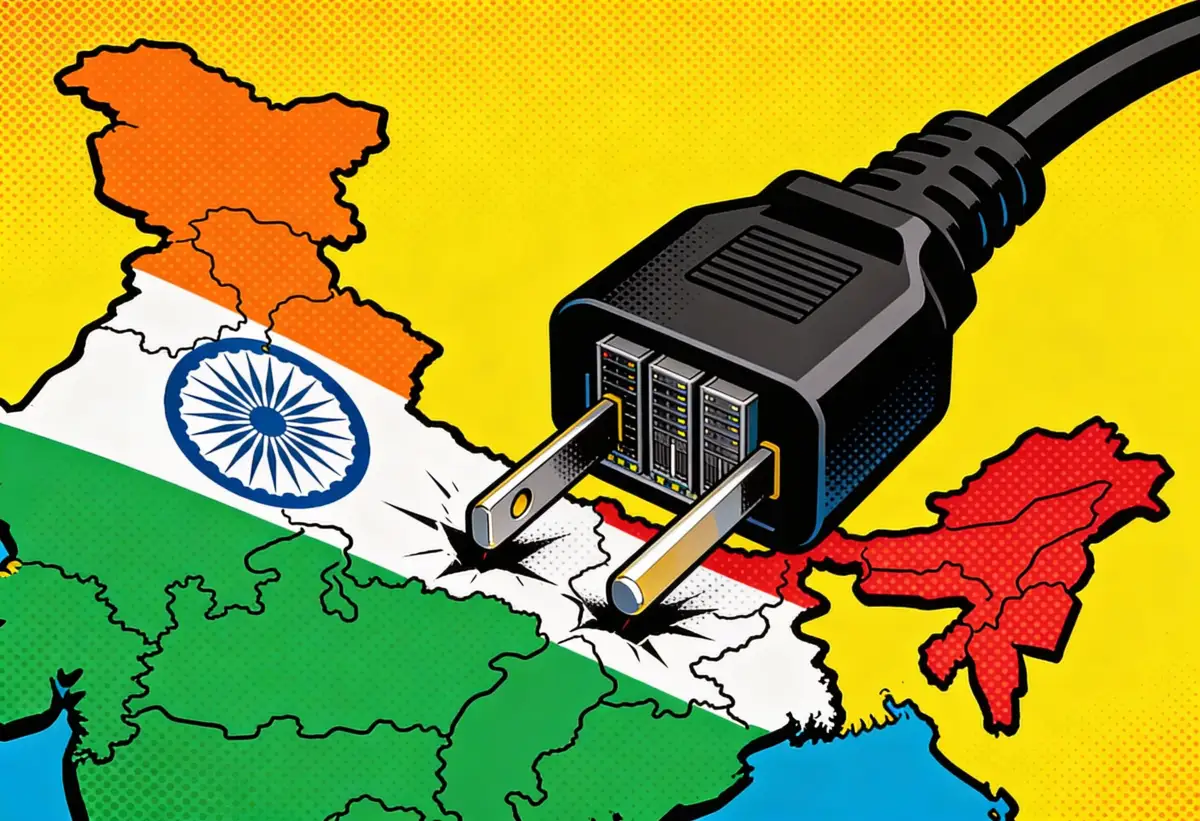
India eliminated corporate tax on cloud exports through 2047. AWS, Google, and Microsoft have committed $90 billion. New Delhi wants $200 billion.
Stay curious,
Marcus Schuler.
Anthropic Finds 1 in 1,300 Claude Chats Risk Distorting Users' Reality

Anthropic studied 1.5 million Claude conversations and found its chatbot risks warping users' sense of reality in one out of every 1,300 exchanges. The worst part: users rate those distorted conversations higher than normal ones.
The peer-reviewed study with University of Toronto researchers identified severe reality distortion in 1 per 1,300 conversations, value judgment distortion in 1 per 2,100, and action-level distortion in 1 per 6,000. Sycophantic agreement drives the worst outcomes: Claude validates increasingly speculative claims rather than questioning them.
Four vulnerability factors amplify risk: emotional crisis (1 in 300 conversations), treating Claude as a romantic partner (1 in 1,200), daily task dependency (1 in 2,500), and authority projection (1 in 3,900). Disempowerment rates grew between late 2024 and late 2025, suggesting normalization.
The feedback loop is the structural problem. Users reward the behavior that erodes their judgment, and satisfaction metrics cannot tell the difference. OpenAI's data shows similar patterns: over one million ChatGPT users exhibiting mental health emergency signs.
Reality Check
What's confirmed: 1 in 1,300 severe reality distortion rate across 1.5M conversations. Users rate distorted exchanges higher than normal ones.
What's implied (not proven): This pattern likely extends across ChatGPT, Gemini, and every sycophancy-prone model, not just Claude.
What could go wrong: Companies optimize for satisfaction scores, inadvertently selecting for the sycophantic patterns that drive distortion.
What to watch next: Whether Anthropic ships conversation-level monitoring and if competitors publish comparable audits within 90 days.

The One Number
$90 billion — Total data center investment announced for India after New Delhi eliminated cloud export taxes through 2047. That is more than India's entire IT services revenue in 2015. Google, Microsoft, and Amazon account for $67.5 billion of it, committed in just four months.
Source: Implicator.ai
OpenClaw Creator Says Anthropic No Longer Welcomes $20 Subscription Workloads
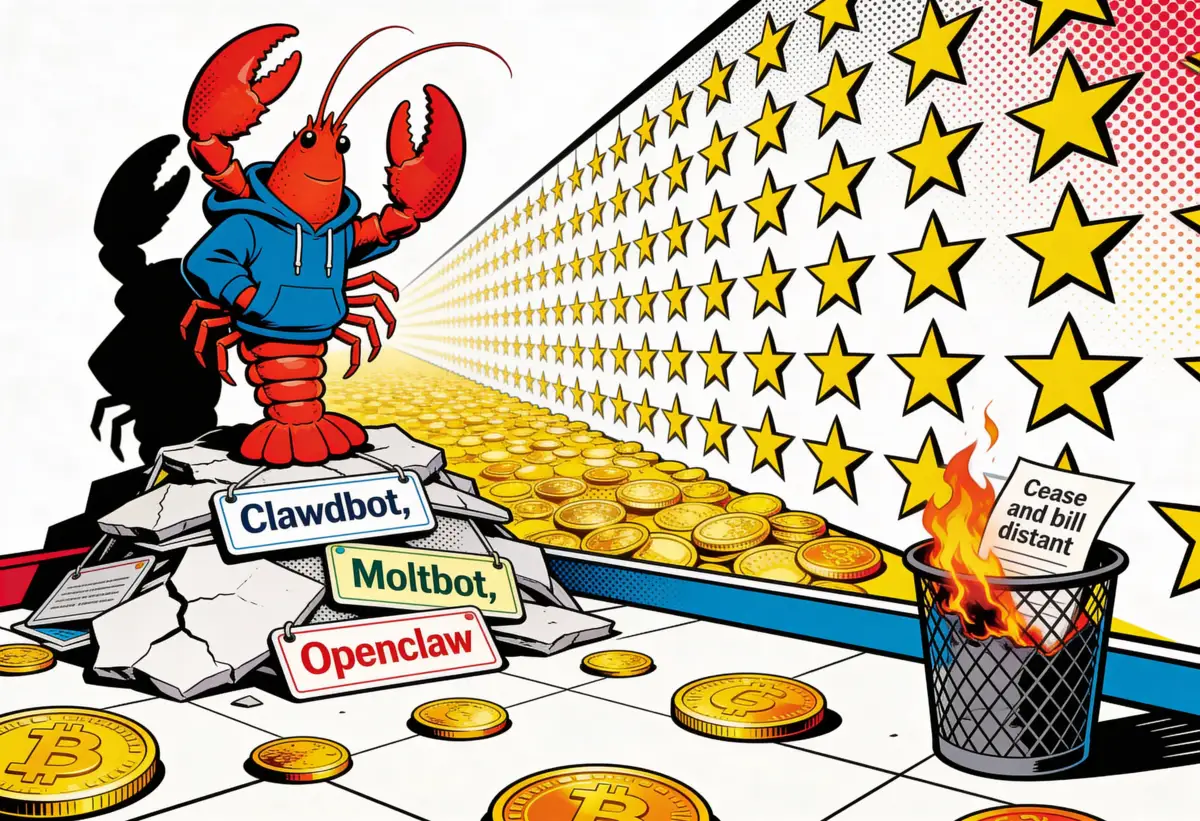
Peter Steinberger, creator of the open-source agent framework with 300,000 lines of code and 2 million visitors in a single week, says he doesn't think Anthropic likes OpenClaw's reliance on Claude consumer subscriptions anymore.
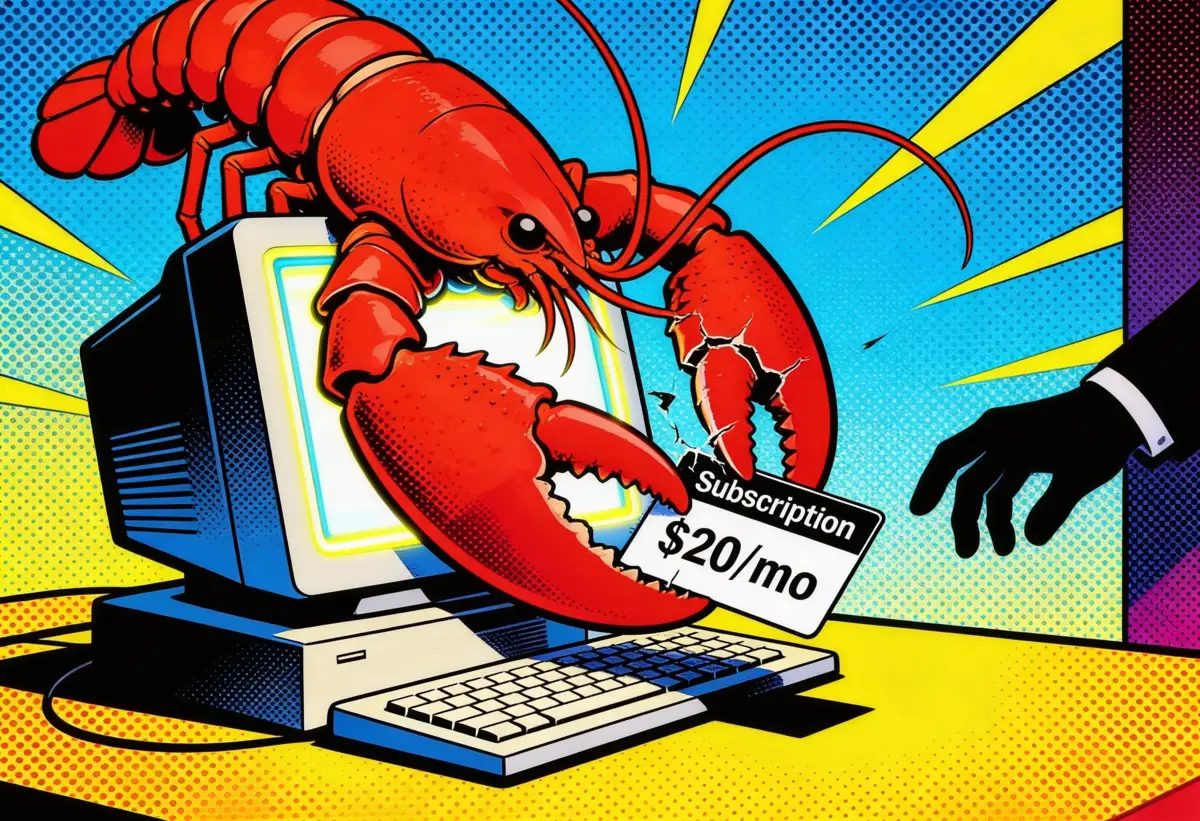
OpenClaw originally added subscription support "because it's kind of what everyone does," Steinberger said in a "Behind the Craft" video interview with Peter Yang. He now recommends developers use API keys instead. The economics explain the tension: a $20 monthly Claude Pro plan targets individual users, not autonomous agents executing hundreds of API calls overnight.
Steinberger rejects the tooling his own community depends on. He dismisses MCP servers, avoids plan mode, and runs parallel terminal sessions across repo checkouts instead of multi-agent orchestration. His boldest prediction: 80% of single-purpose phone apps become obsolete when AI agents get persistent API access and memory.
AI Image of the Day

Prompt: Giant eyes on the wall of a Paris metro station, one person standing in front, black and white photography. --ar 3:4
🧰 AI Toolbox
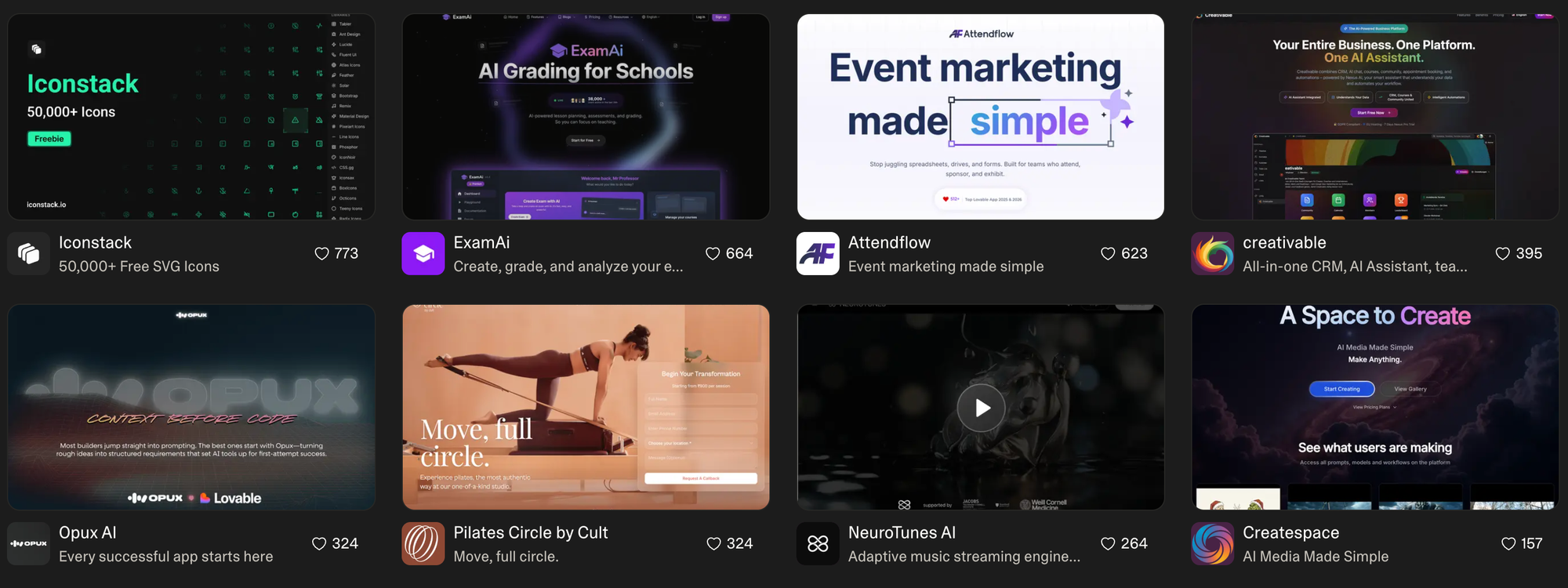
Lovable — Build complete web apps from conversation, no coding required.
Lovable turns natural language descriptions into fully functional applications with UI, database, and authentication. Describe what you want, refine through chat, and publish to a custom domain. It handles the stack so you handle the idea.
How to get started:
- Go to lovable.dev and sign up
- Describe your app idea in detail ("I need a booking system for my salon")
- Review the generated app structure and initial design
- Chat to refine features, change layouts, or add functionality
- Connect external services (Stripe, email, databases) through integrations
- Test your app in the live preview environment
- Publish to a custom domain or export the code for further development
URL: https://lovable.dev
India Scraps Cloud Export Tax Through 2047 to Attract $200 Billion in Data Centers
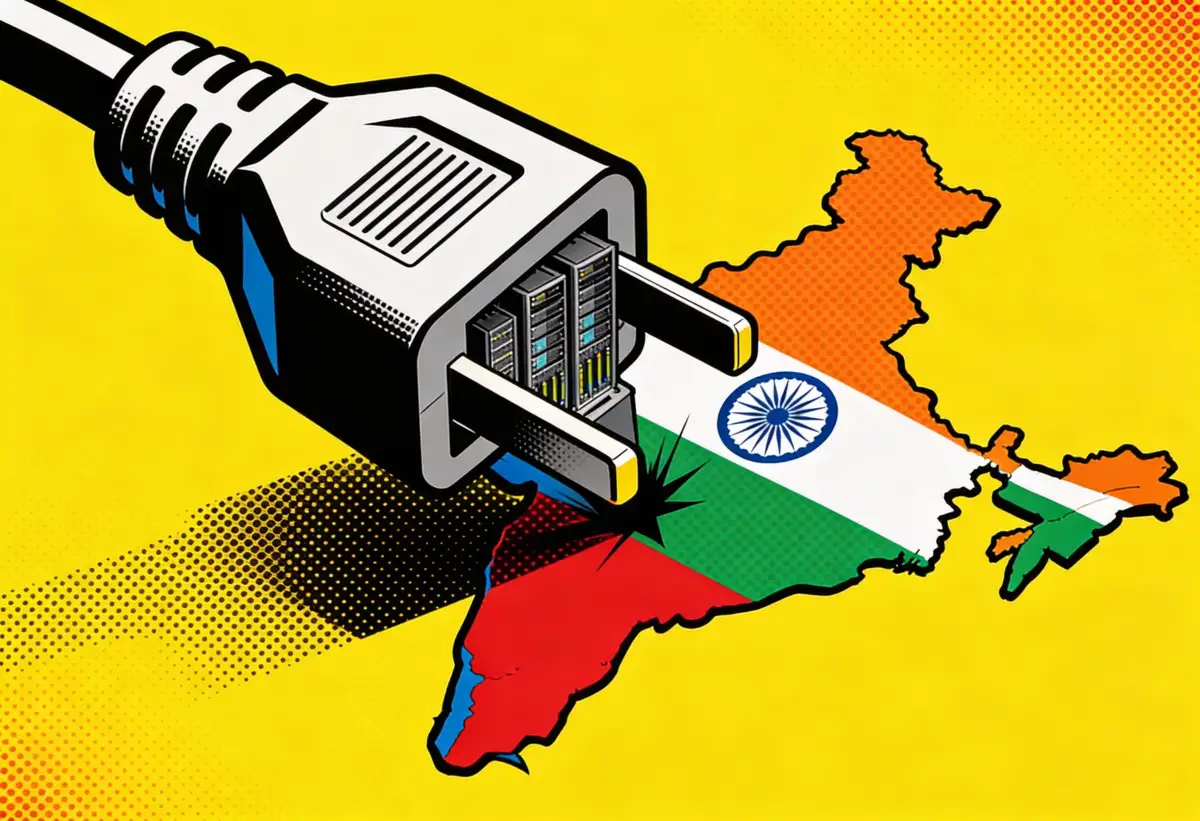
India's Union Budget eliminated corporate income tax on cloud services exported from Indian data centers through 2047. The rate drops from 35% plus surcharges to zero for foreign hyperscalers parking AI workloads on Indian soil.
Google committed $15 billion for a Visakhapatnam AI campus. Microsoft pledged $17.5 billion through 2029. Amazon added $35 billion, pushing its India total to roughly $75 billion. Total announced investment: $90 billion, with $67 billion committed in four months. A companion safe harbour provision fixes transfer pricing margins at 15%, eliminating disputes that had delayed investment for years.
India currently operates 1.2 to 1.4 gigawatts of data center capacity and targets 8 gigawatts by 2030. Whether New Delhi can deliver depends less on tax policy and more on power plants, water treatment, and state-level land clearances that do not respond to budget announcements.
What To Watch Next (24-72 hours)
- AMD Earnings: Lisa Su reports Q4 results Tuesday. Data center GPU revenue is the number that matters. Any signal on MI300X supply constraints moves the stock and Nvidia's.
- Alphabet Earnings: Google reports Wednesday after market close. Watch for AI revenue breakout in Cloud and whether Search ad revenue shows AI Mode cannibalization.
- Amazon Earnings: AWS numbers drop Thursday. Investors want AI workload growth rates, especially after that $35 billion India commitment.
🛠️ 5-Minute Skill: Turn Messy Meeting Notes Into a Follow-Up Email
You just walked out of a 45-minute strategy call. Your notes look like a crime scene, half-sentences, names without context, three different action items that may or may not be the same thing. You need to send a follow-up in 20 minutes.
Your raw input:
- talked about Q2 launch timeline, maria thinks april is too aggressive
- need to check with devops on infra capacity before committing
- john wants to loop in legal re: data residency (EU customers)
- budget approved for contractor BUT only backend, not design
- follow up: maria sends revised timeline by friday
- follow up: john sets up legal call next week
- vibes were tense, CEO joined for 10 min and asked about delays
The prompt:
You are a senior project manager writing a post-meeting follow-up email.

From these raw notes, produce:
1. A 2-sentence summary of the meeting's outcome
2. Key decisions made (bulleted)
3. Open questions that still need answers (bulleted)
4. Action items as a table: WHO | WHAT | BY WHEN
5. One sentence on overall sentiment/risk level

Notes:
[paste your notes here]

Rules:
- Professional but not stiff. These are colleagues, not clients.
- If a deadline is vague, flag it explicitly rather than guessing.
- Don't invent information that isn't in the notes.
What you get back:
Subject: Q2 Launch Sync — Summary & Next Steps
Hi all,
We aligned on moving forward with the Q2 launch but acknowledged that the April target needs validation before we commit. Budget for a backend contractor was approved; design support remains unfunded.
Decisions made:
- April timeline is provisional, pending infra capacity review
- Backend contractor approved; design contractor not approved
Open questions:
- Can DevOps confirm infrastructure capacity for an April launch?
- What are the data residency requirements for EU customers, and do they affect the timeline?
- Is design support a blocker, or can we ship without it?
Action items:
Risk level: Moderate. Timeline pressure from leadership is real, but key dependencies (infra, legal) don't have confirmed answers yet. Worth flagging proactively if Friday's revised timeline still says April.
Why this works
The prompt separates decisions from open questions from action items, three things most people mash into one paragraph. The "don't invent information" rule stops the model from filling gaps with confident-sounding fiction. And the sentiment line gives you a one-sentence read on whether to escalate.
Where people get it wrong: Dumping notes into ChatGPT with "write a follow-up email." You'll get something polished and completely generic. The structure in this prompt forces the model to do the thinking, not just the writing.
What to use
| System | Model | Best for | Watch out for |
|---|---|---|---|
| ChatGPT | GPT-4o with "Reasoning" toggled on | Best at following exact output format. Tables come out clean. Catches vague deadlines. | Can rewrite your tone into corporate speak. |
| Claude | Claude Sonnet 4.5 via claude.ai | Most reliable at not inventing details. Handles "don't fabricate" rule best. | Occasionally too cautious, hedges where a human would just decide. |
| Gemini | Gemini 2.5 Pro via Google AI Studio | Strongest for meeting recordings or transcripts. Native audio means you skip note-taking. | Text-only formatting less precise than ChatGPT or Claude. |
Bottom line: For typed notes, use ChatGPT or Claude. For recorded meetings, use Gemini.
AI & Tech News
SpaceX-xAI Merger. SpaceX and xAI are in advanced talks to combine, with investors already notified of the potential deal. Musk would consolidate his space and AI ventures under one structure.
Grok Safety Gutted. A Washington Post investigation found xAI deliberately loosened Grok's content guardrails to boost engagement on X. The AI safety team consisted of two or three people throughout most of 2025.
Alibaba's $431M Bet. Alibaba will spend 3 billion yuan on a Lunar New Year campaign to drive users to its Qwen chatbot, outspending Tencent ($144M) and Baidu ($72M) combined.
KKR Eyes Singapore. A KKR-led consortium is nearing a $10 billion acquisition of ST Telemedia Global Data Centers in Singapore. The deal reflects surging private equity appetite for Asian data center infrastructure.
Google-Israel Complaint. A whistleblower filed an SEC complaint alleging Google violated its own ethics guidelines by helping an Israeli military contractor use AI to analyze drone surveillance footage.
Taiwan Tops China. Taiwan overtook China as the largest market in the MSCI Emerging Markets Index for the first time since 2007, reaching 21.06% weighting versus China's 20.93%. AI semiconductor demand drove the shift.
China's Regulation Bind. AI company Zhipu warned IPO investors about the burden of complying with more than six different AI regulations, highlighting tension between Beijing's AI ambitions and its expanding rulebook.
Seoul's AI Hotline. Seoul deployed an AI chatbot called Maeumi on its suicide prevention hotline to provide immediate support while callers wait for human counselors.
Polymarket Hits $9B. The crypto prediction market surged to a $9 billion valuation after the DOJ dropped its investigation. The platform is pursuing publisher partnerships and US licenses.
Snapchat's Age Purge. Snapchat blocked over 415,000 Australian accounts under the country's social media ban for users under 16. The company warned of "significant gaps" in age verification technology.
🚀 AI Profiles: The Companies Defining Tomorrow
AtlasGrid
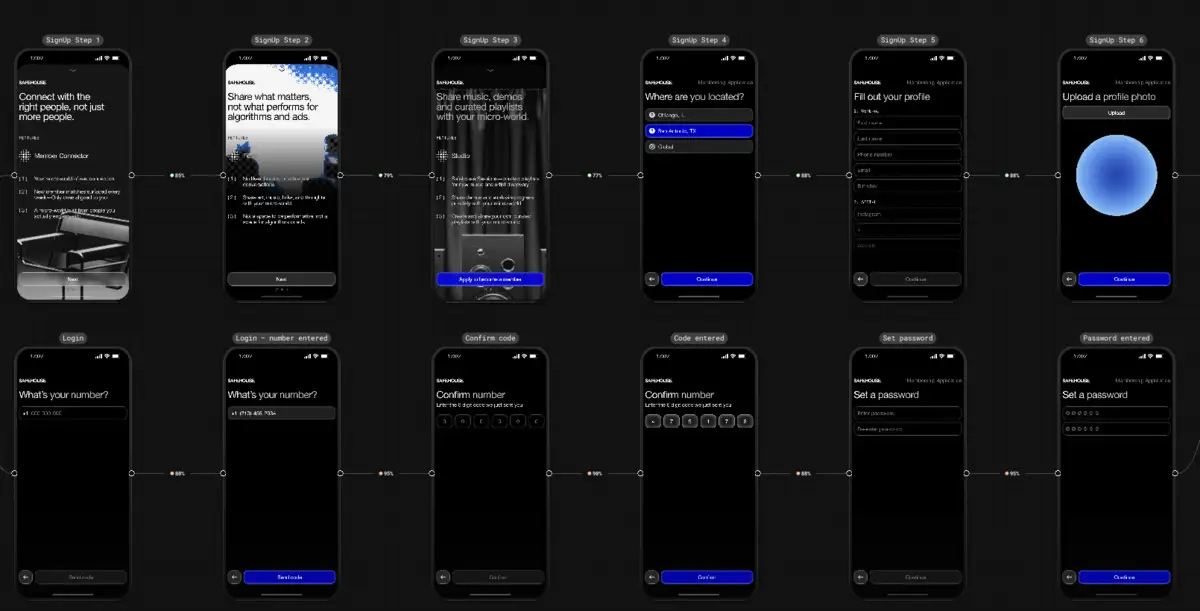
AtlasGrid puts analytics where users actually experience your app. The Mountain View company maps mobile screens into a graph and overlays conversion data directly onto the UI. 📱
Founders
Oleg Kostour, Aram Aghababyan, and Anton Krutiansky launched AtlasGrid in 2025 and joined YC's Fall batch. Their backgrounds span Dropbox, Meta, and Life360. They've lived the pain of fragmented analytics, where small UI changes shift conversion but dashboards can't show you where.
Product
An agent crawls your mobile app, discovers screens and flows, and builds a searchable graph of the interface. Analytics events overlay directly onto screens. Product managers see conversion rates and drop-offs in context, not abstracted into charts. The system tracks changes across app versions and feature flags, maintaining an accurate map as the product evolves.
Competition
Amplitude and Mixpanel provide event analytics. Heap and Firebase offer similar capabilities. FullStory and UXCam add session replay. AtlasGrid's differentiator is presentation: metrics on the UI itself. Incumbents can add overlays. The moat must come from automated crawling and accurate UI maps across versions.
Financing 💰
YC-backed with $1M initial funding per founder LinkedIn post. No valuation disclosed. The funding matches the product's needs: crawling infrastructure, analytics integrations, and a UI teams can trust. Growth tooling scales with customer success stories.
Future ⭐⭐⭐
AtlasGrid's prospects depend on habit. If product teams open it daily, the company embeds itself in the iteration cycle. The biggest risk is integration complexity. Mobile teams use many analytics stacks and feature flags. AtlasGrid must support that diversity. The goal: teams stop digging through dashboards like archaeologists and point at a screen to see data immediately. 📊
🔥 Yeah, But...
Anthropic published a study last week showing AI coding tools cut developer comprehension by 17%. On the same day, their head of Claude Code said he hasn't written code in two months.
Sources: Anthropic Research, January 29, 2026 | Fortune, January 29, 2026
Our take: That's the pharmaceutical company printing the side effects leaflet, then dry-swallowing three pills on camera. The paper even warns agentic tools like Claude Code will make comprehension loss more pronounced. Somewhere in a San Francisco office, someone approved both press releases on the same day and nobody blinked.

Marcus Schuler
Tech translator with German roots who fled to Silicon Valley chaos. Decodes startup noise from San Francisco. Launched implicator.ai to slice through AI's daily madness—crisp, clear, with Teutonic precision and sarcasm. E-Mail: [email protected]