 IMPLICATOR
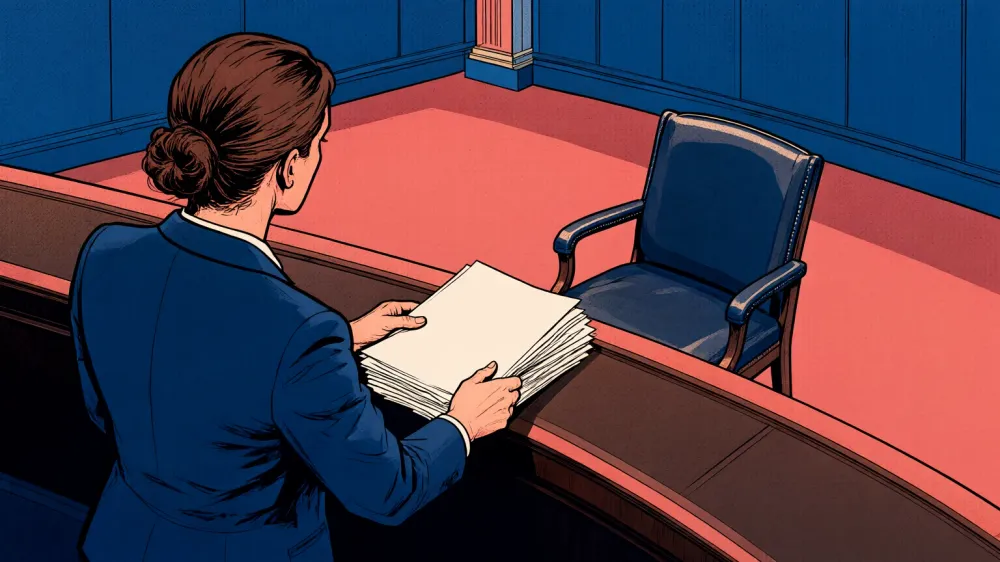
On Nov. 19, Senator John Hickenlooper sent a letter to Chuck Schumer and Chris Van Hollen, the rivals seeking to lead Senate Democrats. The Colorado Democrat wanted a plan for AI safety from whoever won. As ranking member of the Commerce subcommittee covering consumer protection, technology and data privacy, he already held a position on a panel responsible for technology policy.
He proposed a new select committee.
Democrats will take control of Congress in January with competing plans for overseeing companies building the most capable AI models, including independent tests and reporting of incidents affecting critical infrastructure. Lawmakers must decide who should enforce those obligations and whether federal standards should preserve stronger state protections.
Hickenlooper said his proposed panel could complement existing committees. His letter left its jurisdiction unspecified. Some Democrats preparing to lead those committees worry another panel could complicate work they have spent years developing. Van Hollen separately supports a special joint committee dealing with AI’s broader impacts, including the workforce and economy.
Separately, Texas Republican Ted Cruz, the current Commerce Committee chairman, said transferring the issue from his committee and other standing committees “makes no sense.” He also acknowledged bipartisan talks about AI for next year.
Oregon Democrat Ron Wyden, the incoming Senate Finance Committee chairman, wanted specifics about the topics a new committee would cover.
What Changed
- Sen. John Hickenlooper proposed a select committee as Senate Democrats prepare to take control in January.
- Rep. Lori Trahan would preserve stronger state laws and let federal officials order corrections at AI companies.
- A second House proposal calls for federal oversight and would also preserve stronger state protections.
- The Senate defense bill amendment contains proposed chip export controls. The House-passed bill lacks similar provisions.
AI-generated summary, reviewed by an editor. More on our AI guidelines.
Testing and corrective orders
Representative Lori Trahan, a Massachusetts Democrat on House Energy and Commerce, released revised FRONTIER Act provisions on Nov. 19. She and California Republican Jay Obernolte introduced the original bill in July with four colleagues, seeking a uniform national standard for catastrophic-risk reporting and auditing. The November revisions came from Trahan’s office.
Her changes would preserve stronger state standards and displace weaker ones with federal requirements. That addresses preemption, whether federal rules displace state requirements. Washington would establish a minimum standard. A covered developer meeting that standard could still have to meet tougher obligations in a state with stricter rules.
The revisions seek to make outside evaluations more independent by guaranteeing access for independent evaluators and creating mechanisms for government assignment. If a developer failed to adequately reduce risk, federal officials could order specific corrections, backed by civil penalties and court orders. Evaluators would have a duty to recommend corrective actions.
Trahan would place administration in a new Commerce Department Office of AI Security, led by a Senate-confirmed assistant secretary. Reportable incidents would include near misses, models deceiving their developers and incidents affecting critical infrastructure. Developers would also have to report incidents they should have known about. Her office released a section-by-section summary, with full revised legislative text still to follow.
Virginia Democrat Don Beyer is pursuing a master’s degree in machine learning part time at George Mason University. On Nov. 19, he joined California Democrat Sara Jacobs and Utah Republican Celeste Maloy in releasing a separate proposal called the SAFE AI Act.
Their outline calls for safety frameworks, incident reporting and federal supervision of frontier labs, the developers building the most advanced models. It includes civil penalties and targeted emergency authority to stop dangerous models posing a serious and immediate danger. Beyer’s group is seeking input before releasing full legislative text. Both approaches preserve stronger state protections.
Federal rules and state authority
The White House wants a more uniform rule because it considers differing state requirements a burden on American companies competing internationally. President Trump’s executive order of Dec. 11, 2025 directs officials to prepare a federal legislative recommendation preempting state AI laws that conflict with its policy of limited regulatory burdens.
Section 8 directs that recommendation to preserve otherwise lawful state rules on child safety and on state government procurement and use of AI. It also protects rules on AI computing and data center infrastructure, except for generally applicable permitting reforms, and allows other topics to be specified.
The December 2025 order directed the attorney general to establish a litigation task force to challenge state AI laws considered inconsistent with its policy, using existing legal grounds. It directed Commerce to review state AI laws and make states with laws deemed onerous ineligible for certain broadband non-deployment funds, to the maximum extent federal law allows. Separately, it directed agencies to assess conditions on other discretionary grants.
Getting a Senate vote
In the Senate, the leadership contest involves who controls a bill’s route to the floor. Van Hollen, the Maryland Democrat challenging Schumer, wants quicker consideration for measures attracting broad bipartisan committee support. He also supports mandatory independent evaluations of AI systems.
Know someone who'd find this useful? ✉️ Email it to a friend in one click, or they can subscribe free here.
On Nov. 19, Van Hollen endorsed procedural changes proposed by Oregon Democrat Jeff Merkley and Montana Republican Steve Daines. Senators seeking to block legislation would have to keep speaking on the floor. Other changes would reduce waiting time after procedural votes and create a faster route for broadly supported bills.
Those changes could expedite bills with broad support in the chamber. Most legislation typically needs 60 votes to advance past procedural resistance. That threshold governs moving legislation forward, rather than final passage. Van Hollen has left broader filibuster changes for caucus discussion. His November commitments remain proposals.
In September, Ohio Republican Jon Husted sought faster approval of the Ratepayer Protection Act after the House passed it 417 to 3 earlier that month. New Mexico Democrat Martin Heinrich objected because its state provisions relied on voluntary commitments. The bill would have required states to consider making large energy users pay the associated costs. Agreement that AI labs should pay for their electricity did not produce agreement on that mechanism.
Schumer’s spokeswoman, Allison Biasotti, has described work with incoming Democratic committee chairs and members across the caucus on AI legislation.
Virginia Democrat Mark Warner has lived through years of efforts to pass bipartisan social media legislation that went nowhere. Public anxiety about AI and the incoming majority leave him more hopeful. “I lived through eight years” of such efforts, he said, “and we did nothing.”
Chip restrictions in the defense bill
Chip export restrictions have a separate route through the fiscal 2027 National Defense Authorization Act, which lawmakers hope to enact before year’s end. By Nov. 23, a proposed Senate manager’s amendment included restrictions on exports of certain powerful chips to countries of concern and mechanisms to check whether chips had been diverted.
The House-passed bill lacked similar provisions. The provisions still had to make the final bill sent to the president. House Democratic leader Hakeem Jeffries has called for export controls in the defense measure.
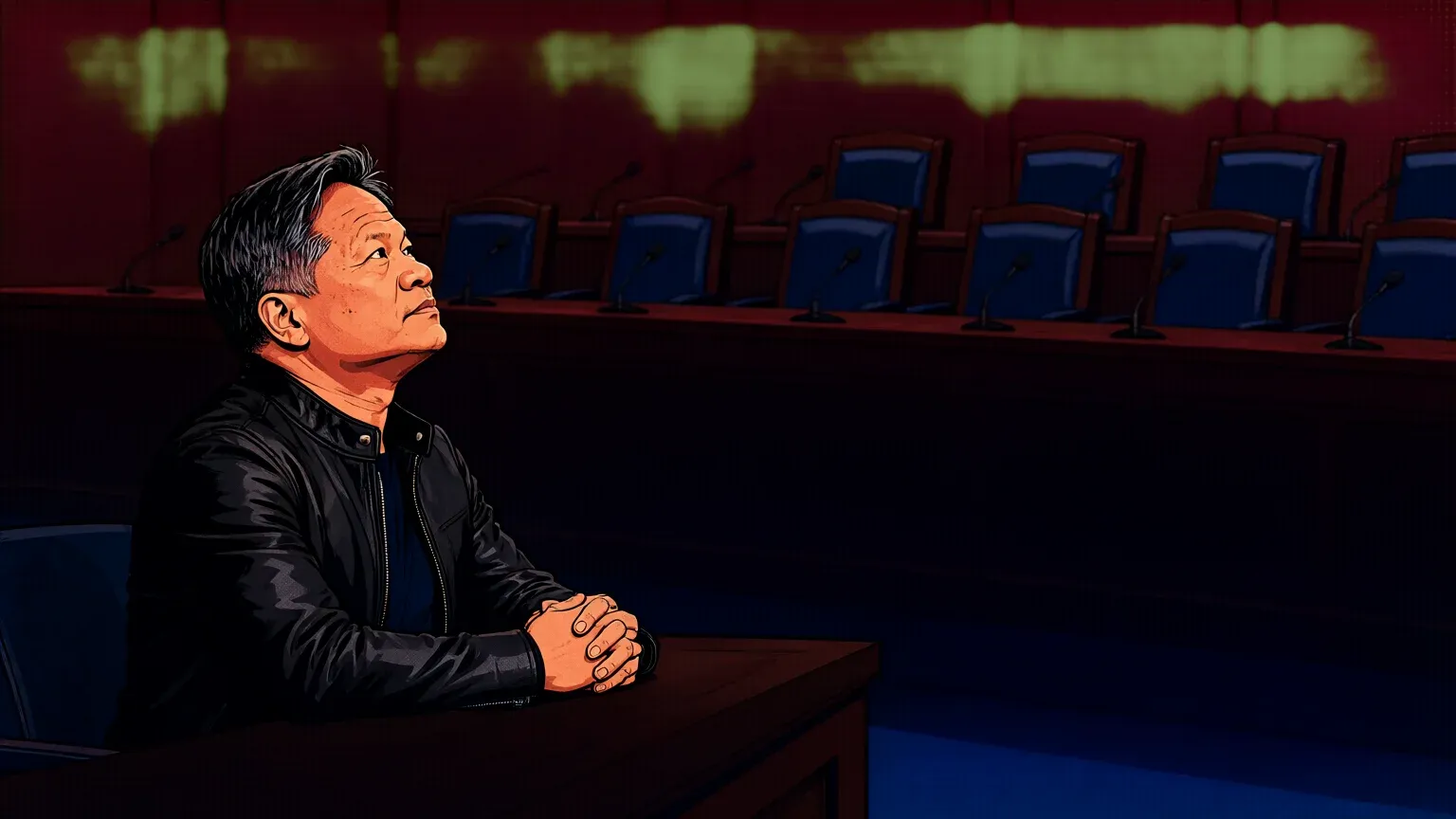
The proposed chip provisions would govern semiconductor access and diversion checks. Trahan’s independent model evaluations and Beyer’s supervision of developers concern AI safety obligations. Senate Banking has scheduled a public hearing on export controls for Dec. 3 in Dirksen Senate Office Building, with Nvidia chief executive Jensen Huang as the witness.
Frequently Asked Questions
What would a Senate select committee do?
Sen. John Hickenlooper says a select committee on AI could complement the work of existing committees. His letter did not specify what the new panel would have jurisdiction over.
What does a federal floor mean for AI developers?
Rep. Lori Trahan’s proposal would set federal minimum requirements and preserve stronger state rules. A covered company that satisfies the federal standard could still have additional obligations in a state with stricter protections.
How would Trahan’s proposal change independent testing?
It would give independent evaluators access and create mechanisms for government assignment. Federal officials could order corrective action if a developer failed to reduce risk adequately.
What Senate rules change does Chris Van Hollen support?
He has backed a proposal to speed consideration of bills with broad support. One change would require senators who are blocking legislation to keep speaking on the floor.
Where could new chip export restrictions go?
The Senate manager’s amendment to the fiscal 2027 defense bill includes new export restrictions and diversion checks. The House-passed bill lacks similar provisions.
AI-generated summary, reviewed by an editor. More on our AI guidelines.


Marcus Schuler
Editor-in-Chief and founder of Implicator.ai. Former ARD correspondent and senior broadcast journalist with 10+ years covering tech. Writes daily briefings on policy and market developments. Based in San Francisco. E-mail: editor@implicator.ai