 IMPLICATOR
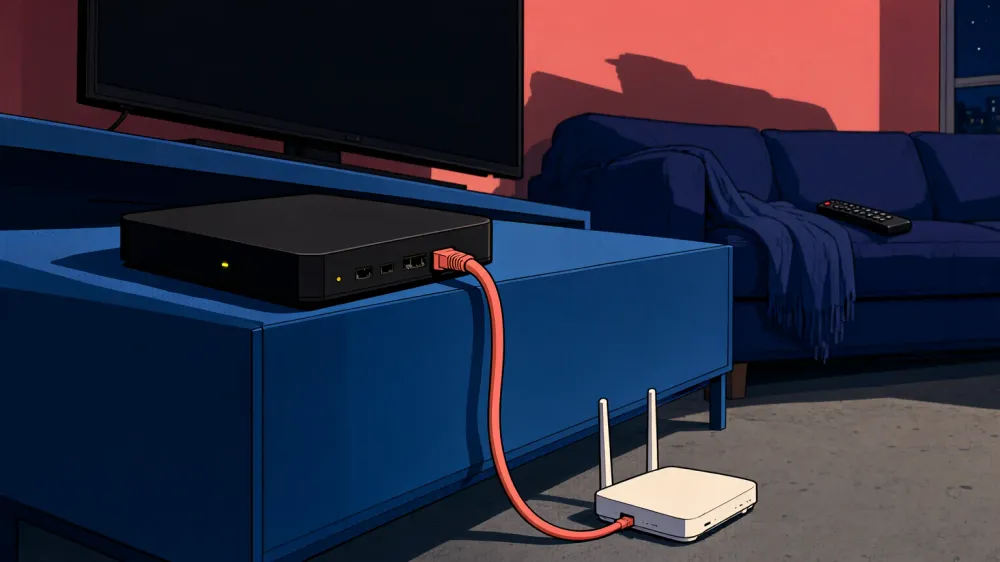
Google has banned a Chinese Android device maker, Videostrong Technology, from building and selling certified Android devices. The XCPE backdoor that Google ties to the company enrolled more than 1.3 million set-top boxes into a botnet before Google and industry partners dismantled it last week, Google said in a Nov. 2 post. Buyers thought they were getting a legitimate product from a Google-vetted company.
What Changed
- Google banned Videostrong and any future subsidiaries or affiliates from building and selling certified Android devices.
- Google says the XCPE backdoor enrolled more than 1.3 million set-top boxes into a botnet, which it and industry partners dismantled last week.
- Google says Videostrong used obfuscation to exploit a gap in its tests and load malicious code after a device's first boot.
- Google assesses that taking down affiliates' command domains will sever access to at least 10 million additional compromised devices.
AI-generated summary, reviewed by an editor. More on our AI guidelines.
Google blames the manufacturer
"We assess with high confidence that the backdoor and botnet were intentionally developed, deployed, and operated for financial gain by Videostrong Technology Co.," Google's Threat Intelligence Group wrote. Google ruled out an accident. "We believe this campaign wasn't an isolated rogue insider or a development oversight," the post said. The malicious software was built into many device models and brands over multiple years.
Videostrong sold access to criminal affiliates and loaded their malware modules onto infected devices, according to Google. The modules committed ad fraud, loaded more malware and secretly added devices to residential proxy networks. Such a network lets other people use a victim's home internet connection to hide their online activity. One device could run as many as three residential proxy kits.
Last month, Bitdefender found Android phones from makers including Doogee and Cubot being sold with preloaded malware. In those cases, the supply chain was compromised and the malware went in without the manufacturer's knowledge.
A gap in Google's tests
Google requires manufacturers to pass compatibility and security tests. Videostrong used obfuscation "to exploit a gap in our tests and load malicious code after the device's first boot," Google said. Google says it has changed its review process and is improving how it ensures firmware integrity on certified Android TV devices. The ban also covers future subsidiaries and affiliates, and it bars Videostrong from supplying software to other certified vendors.
FREE AI BRIEFING · WEEKDAYS
Keep up with the malware hiding in everyday hardware.
Get the AI stories shaping the day, with concise context from San Francisco. The briefing takes about five minutes and arrives at 4:45 a.m. Pacific, 7:45 a.m. Eastern.
Free. No hype. Unsubscribe anytime.
The backdoor, x.cpe, is preloaded in the firmware and runs at a system privilege level. Google says a user cannot remove it, and if it is uninstalled, it reinstalls on reboot.
In late 2024, possibly in response to earlier Google enforcement related to BadBox, Videostrong pulled malicious modules out of x.cpe into a separate package, Google says. Since August 2026, new dropper packages disguised as Android system applications have been installed through the botnet's command channel.
What the operators did
The backdoor let operators silently install apps, run shell commands and disable Google Play Protect's app verification. Google says it saw them capture live screenshots, inject keystrokes and exfiltrate account information and system logs. That was not most of the work. "The preponderance of interactions with victim devices were related to module install, uninstall, and configuration actions," Google wrote.
Set-top boxes were the overwhelming majority of infected devices, but Google also found telehealth devices, karaoke machines and digital signage.
Know someone who'd find this useful? ✉️ Email it to a friend in one click, or they can subscribe free here.
Google also named proxy kits that ran on the boxes. It says AppSalt, an SDK owned by Honeygain, starts without displaying a consent screen and stops running if the app came from the official Google Play Store. "In our analysis, these proxy operators only seek consent when they are forced due to platform policy and enforcement," the post said.
What the takedown leaves open
Google also took legal action against command domains used by over a dozen malware families loaded through the backdoor. Those affiliates have other distribution channels, so Google assesses the action will sever access to at least 10 million additional compromised devices. Both device counts are Google's own. "We don't know how much Videostrong made from selling access to the botnet, or who used it," TechRadar wrote.
Google tells buyers to purchase set-top boxes only from reputable manufacturers, checking the partner list on its Android TV website, and to keep Google Play Protect active. The XCPE backdoor, Google says, wipes user consent settings and then disables Play Protect.
Backdoor operators, ad-fraud rings and residential proxy providers work as an interconnected supply chain, Google wrote, and "when one component is disrupted, operators quickly pivot to new loaders or rival monetization SDKs."
Frequently Asked Questions
What is XCPE?
XCPE is a backdoor preloaded in the firmware of Android set-top boxes. Google says it enrolled more than 1.3 million set-top boxes into a botnet before Google and industry partners dismantled it last week.
Why did Google ban Videostrong?
Google assesses with high confidence that Videostrong intentionally developed, deployed and operated the backdoor and botnet for financial gain. Google says the company sold access to criminal affiliates and loaded their malware modules onto infected devices.
How did the malware get past Google's tests?
Google says Videostrong used obfuscation to exploit a gap in its tests and load malicious code after a device's first boot. Google says it has changed its review process.
Can owners remove the backdoor?
Google says a user cannot remove x.cpe, the preloaded backdoor. If it is uninstalled, it reinstalls on reboot.
What does Google tell buyers to do?
Google tells buyers to purchase set-top boxes only from reputable manufacturers, checking the partner list on its Android TV website, and to keep Google Play Protect active.
AI-generated summary, reviewed by an editor. More on our AI guidelines.


Free AI briefing · Weekdays
The AI stories that matter, sourced and explained.
Join the Morning Briefing. It goes out every weekday at 4:45 a.m. Pacific, with later sends for the East Coast, Berlin and Tokyo.
Free when you sign up: The Paperclip Compendium, our tested guide to running AI agents.
Free. Unsubscribe in one click.

Marcus Schuler
Editor-in-Chief and founder of Implicator.ai. Former ARD correspondent and senior broadcast journalist with 10+ years covering tech. Writes daily briefings on policy and market developments. Based in San Francisco. E-mail: editor@implicator.ai