IMPLICATOR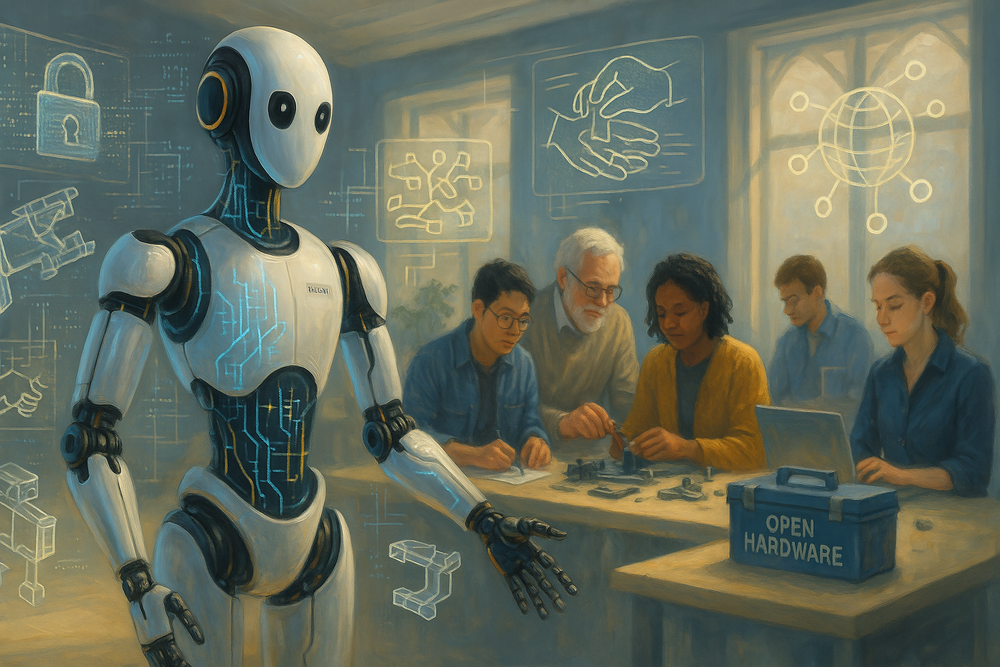
The acquisition centers on Reachy 2, a $70,000 humanoid robot that runs on open source software. Researchers at Cornell and Carnegie Mellon already use it to test AI applications.
Research Roots
Pollen's robots run freely available AI models and let users modify their physical design. The company had raised $2.8 million before the deal.
"Physical robots need more trust than laptop chatbots," says Hugging Face CEO Clément Delangue. Open source lets everyone check what makes robots tick
Building Momentum
The company has moved fast in robotics. It hired Tesla robot expert Remi Cadene, launched the LeRobot code library, and helped create a $100 robot arm. Nvidia picked Hugging Face to host its GR00T N1 robot AI model.
Hard Reality Check
Humanoid robots still struggle with basic tasks. Many companies post flashy videos that hide their robots' real limits. Some use hidden operators or fail at slight changes.
The field faces real challenges. Big players like Tesla and Figure pour money into humanoid robots, but use cases remain fuzzy and reliability poor.
Yet interest grows. When Pollen shared its robot code on Hugging Face's platform, downloads jumped. Meta released its Llama AI model openly. Even secretive OpenAI plans a free release this summer.
The deal shows how AI companies push beyond software. As models get better at controlling physical systems, keeping the technology open becomes crucial.
Why this matters:
- Open source could democratize robotics like it did software - letting more people build and improve the technology
- As AI gains physical abilities, transparency becomes key for safety and trust
Read on, my dear:
- Wired: An Open Source Pioneer Wants to Unleash Open Source AI Robots
- Fortune: AI company Hugging Face buys humanoid robot company Pollen Robotics
Free AI briefing · Weekdays
The AI stories that matter, sourced and explained.
Join the Morning Briefing. It goes out every weekday at 4:45 a.m. Pacific, with later sends for the East Coast, Berlin and Tokyo.
Free when you sign up: The Paperclip Compendium, our tested guide to running AI agents.
Free. Unsubscribe in one click.

Marcus Schuler
Editor-in-Chief and founder of Implicator.ai. Former ARD correspondent and senior broadcast journalist with 10+ years covering tech. Writes daily briefings on policy and market developments. Based in San Francisco. E-mail: editor@implicator.ai