OpenAI burns $17 billion annually while Anthropic eyes $300B valuation. Can AI companies bridge the gap between investor hype and actual profits? 2026 tests whether impressive technology becomes sustainable business—or just expensive demos.
Memory makers choose AI over PCs and phones, consuming 3x capacity for high-bandwidth chips. Result: prices up 50-100%, shortages through 2027, and a semiconductor market split between AI infrastructure and everyone else scrambling for scraps.
Meta spent billions building free AI that nobody pays for. Then it bought Manus, a startup that convinced millions to subscribe in eight months. The acquisition reveals more about Meta's monetization struggle than its technology.
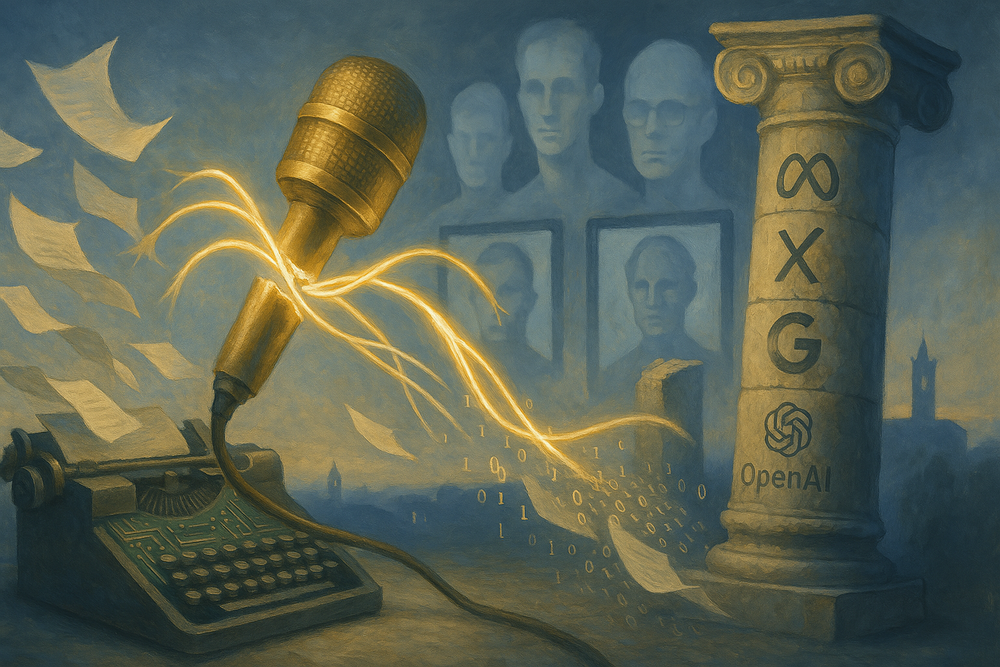
Journalists to Big Tech: We're Not Your PR Team Anymore
The love affair between journalism and Big Tech has hit the rocks. At this year's International Journalism Festival in Perugia, where tech giants once basked in media admiration, the mood turned hostile.
British journalist Carole Cadwalladr didn't mince words: "We must treat these platforms as enemies." The Cambridge Analytica whistleblower knows what she's talking about - she's seen enough tech nightmares to fill a Black Mirror season.
The battle isn't just about headlines anymore. In the U.S., Trump allies feed government data to Elon Musk's AI systems with abandon. It's like watching someone hand over the keys to Fort Knox while livestreaming it.
Most newsrooms still treat tech policy like quantum physics - too complex to bother with. Only tech journalists grasp the full scope of this digital coup attempt. Traditional media relegated these stories to the "geek beat" for years. Now they're scrambling to catch up.
Why this matters:
The watchdogs finally realized they've been guarding the wrong house - while Big Tech walked away with the crown jewels
Newsrooms discovering that their "nerd stuff" actually matters is like finding out the IT guy was right all along - just several billion dollars too late

Tech journalist. Lives in Marin County, north of San Francisco. Got his start writing for his high school newspaper. When not covering tech trends, he's swimming laps, gaming on PS4, or vibe coding through the night.
OpenAI burns $17 billion annually while Anthropic eyes $300B valuation. Can AI companies bridge the gap between investor hype and actual profits? 2026 tests whether impressive technology becomes sustainable business—or just expensive demos.
Memory makers choose AI over PCs and phones, consuming 3x capacity for high-bandwidth chips. Result: prices up 50-100%, shortages through 2027, and a semiconductor market split between AI infrastructure and everyone else scrambling for scraps.
Meta spent billions building free AI that nobody pays for. Then it bought Manus, a startup that convinced millions to subscribe in eight months. The acquisition reveals more about Meta's monetization struggle than its technology.
AI coding tools promise 55% productivity gains. A new study found developers actually work 19% slower with them—but feel faster. The gap between perception and reality explains why some users can't stop prompting, even at 2 AM.