IMPLICATOR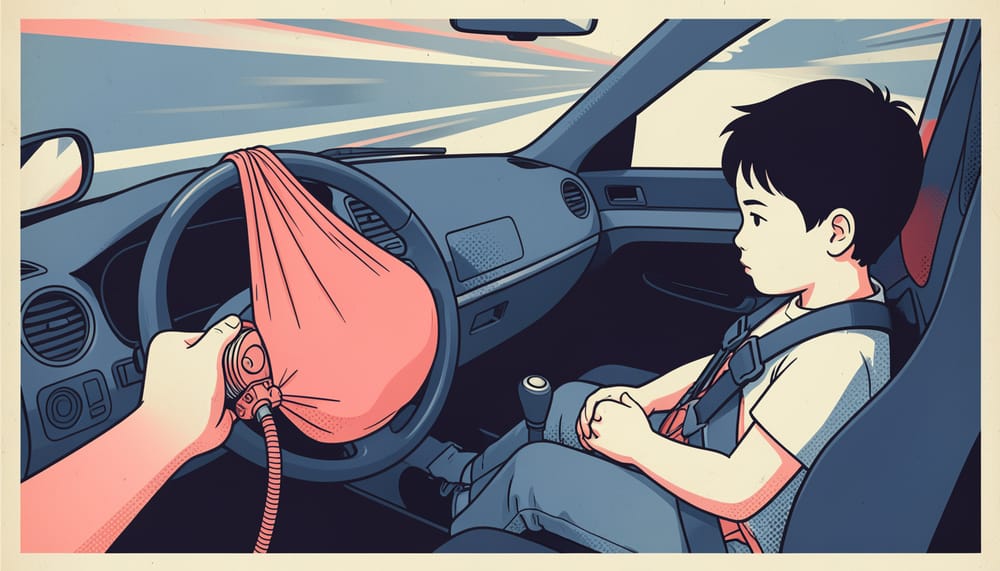
Former Facebook engineering director Arturo Béjar testified on Aug. 19, 2026 that Mark Zuckerberg created a top-down culture at Meta in which growth and engagement took precedence over child safety. Béjar, completing his second day on the witness stand in Oakland, testified that he interacted with or briefed Zuckerberg at least 100 times while employed by Facebook and later working as an independent Instagram well-being consultant. His account gives the states suing Meta an inside witness as they seek to prove that the company misrepresented whether Facebook and Instagram features encouraged addictive use among young people.
What the Jury Heard
- Arturo Béjar estimated that he interacted with or briefed Mark Zuckerberg at least 100 times and testified that Zuckerberg made growth and engagement stronger priorities than child safety.
- Béjar said performance reviews and compensation for employees on user-facing products emphasized user numbers and time spent.
- He described Take a Break and Quiet Mode as weak protections because users had to enable or could easily dismiss them.
- Meta denies deception and says it has built protections for young people; under cross-examination, Béjar acknowledged qualified safety staff and benefits from social media.
AI-generated summary, reviewed by an editor. More on our AI guidelines.
The priorities inside Meta
Béjar worked at Facebook from 2009 to 2015 as an engineering director and later worked independently from 2019 to 2021 as an Instagram well-being consultant. He testified that performance reviews and compensation for employees working on user-facing products largely emphasized user numbers and time spent. Béjar testified that “safety was an afterthought.”
Safety teams could study harm, Béjar said, but meaningful product changes depended on priorities set at the top. Béjar said: “If Mark makes something a priority, mountains move in months.”
Zuckerberg wrote in a public post in 2021 that it was false to say the company put profit ahead of safety and well-being. Béjar then emailed him about what he described as a gap between Meta’s approach to harm and users’ experiences. He said Zuckerberg never replied.
The captured reports of Béjar’s testimony did not include the underlying internal studies and measurements he described.
The product choices
Béjar described autoplay, infinite scroll, popularity counters and notifications as features that can keep users engaged, while optional break controls require people to activate protections themselves or let them dismiss reminders. He focused on Instagram’s Take a Break prompt, introduced in 2021, and Quiet Mode, which can mute notifications but must be switched on by the user.
Béjar said: “In my experience, 'Take a Break' is a feature that's designed to fail.” A reminder that can be dismissed with a tap does not create a real stopping point, he testified. Comparing optional protections with car equipment, he said: “It's like you have to turn on the air bag every time you get into the car.”
His concern became personal after his daughter opened Instagram at age 14 and received unwanted sexual requests and explicit images. Béjar returned to the company in 2019 partly because he believed its reporting tools were not addressing such experiences.
FREE WEEKDAY MORNING BRIEFING
Follow the evidence from Silicon Valley’s biggest trials
The Implicator Morning Briefing filters the AI news cycle to the stories worth your attention and explains their consequences. From San Francisco, every weekday at 4:45 a.m. Pacific, 7:45 a.m. Eastern.
About five minutes. No hype. No spam.
Béjar also testified that his research identified tens of thousands of suspected users younger than 13 on Instagram. He said he saw no goals or metrics for checking the ages of those suspected users. Those figures and the users’ ages remain allegations from his testimony, not established findings.
Meta’s response
Meta denies the states’ allegations. The company says it has built protections for young people, works with teens and parents, and did not deceive the public about the risks associated with social media. Its lawyers have argued that the company recognizes some users struggle and has developed tools intended to help them. Meta also says it continues to improve those tools through research and feedback from users.
Know someone who'd find this useful? ✉️ Email it to a friend in one click, or they can subscribe free here.
Under cross-examination by Meta lawyer Brian Stekloff, Béjar acknowledged that he respected qualified employees working on safety, felt supported and well-resourced during his first employment period, left the company on good terms, and saw benefits in social media, including for teenagers.
Stekloff pressed him on whether he had eliminated any of the harms he studied. Béjar said eliminating harm entirely was not realistic. Béjar said: “It's not an equation that you solve that you get to zero.”
The dispute before the judge
U.S. District Judge Yvonne Gonzalez Rogers said the case concerns alleged misrepresentations about addictive product features, not liability for content posted by users. Her distinction keeps the courtroom focus on Meta’s own statements and design choices.
Rogers said: “The dispute is that they said they were not addictive. That is the dispute, and if the Ninth Circuit disagrees with me on this, we will be back here in three years.”
Frequently Asked Questions
Who is Arturo Béjar?
Béjar was a Facebook engineering director from 2009 to 2015 and returned from 2019 to 2021 as an independent Instagram well-being consultant. He has since become a public critic of Meta’s youth-safety record.
What did Béjar say about Mark Zuckerberg?
He testified that Zuckerberg created a top-down culture in which growth and engagement displaced child safety. Béjar said he emailed Zuckerberg about users’ reported harms in 2021 and received no reply.
Why did Béjar call Meta’s safety tools ineffective?
He said features including Take a Break and Quiet Mode required users to activate protections or allowed reminders to be dismissed easily. He compared that design with making drivers turn on an air bag for every trip.
What did the testimony say about children younger than 13?
Béjar said his research identified tens of thousands of suspected under-13 Instagram users and that he saw no goals or metrics for checking their ages. The figures remain allegations from his testimony, not established findings.
How has Meta responded?
Meta denies deception, says it recognizes that some users struggle, and points to protections intended to help young people. Béjar acknowledged under cross-examination that qualified safety employees remained at Meta and that social media can benefit teenagers.
AI-generated summary, reviewed by an editor. More on our AI guidelines.

Free AI briefing · Weekdays
The AI stories that matter, sourced and explained.
Join the Morning Briefing. It goes out every weekday at 4:45 a.m. Pacific, with later sends for the East Coast, Berlin and Tokyo.
Free when you sign up: The Paperclip Compendium, our tested guide to running AI agents.
Free. Unsubscribe in one click.

Marcus Schuler
Editor-in-Chief and founder of Implicator.ai. Former ARD correspondent and senior broadcast journalist with 10+ years covering tech. Writes daily briefings on policy and market developments. Based in San Francisco. E-mail: editor@implicator.ai