



San Francisco | January 28, 2026
Anthropic's lawyers forced a rebrand. Crypto scammers pounced in ten seconds. And Cloudflare shareholders collected a 24% windfall as the chaos proved what infrastructure investors suspected: AI agents need guardrails, and someone has to build them. The Moltbot saga compressed years of security lessons into 72 hours.
Meanwhile, Masayoshi Son is doubling down on Sam Altman with another $30 billion. S&P is watching. A credit downgrade looms if the loan-to-value math doesn't add up. Son sold his entire Nvidia stake to fund this bet.
For everyone else wondering how to actually use these tools: we published the practical Claude Code setup guide for knowledge workers. Installation, configuration, five copy-paste workflows. The agents are here. Time to learn the controls.
Stay curious,
Marcus Schuler
Moltbot's 72-Hour Meltdown Exposes the AI Agent Security Gap
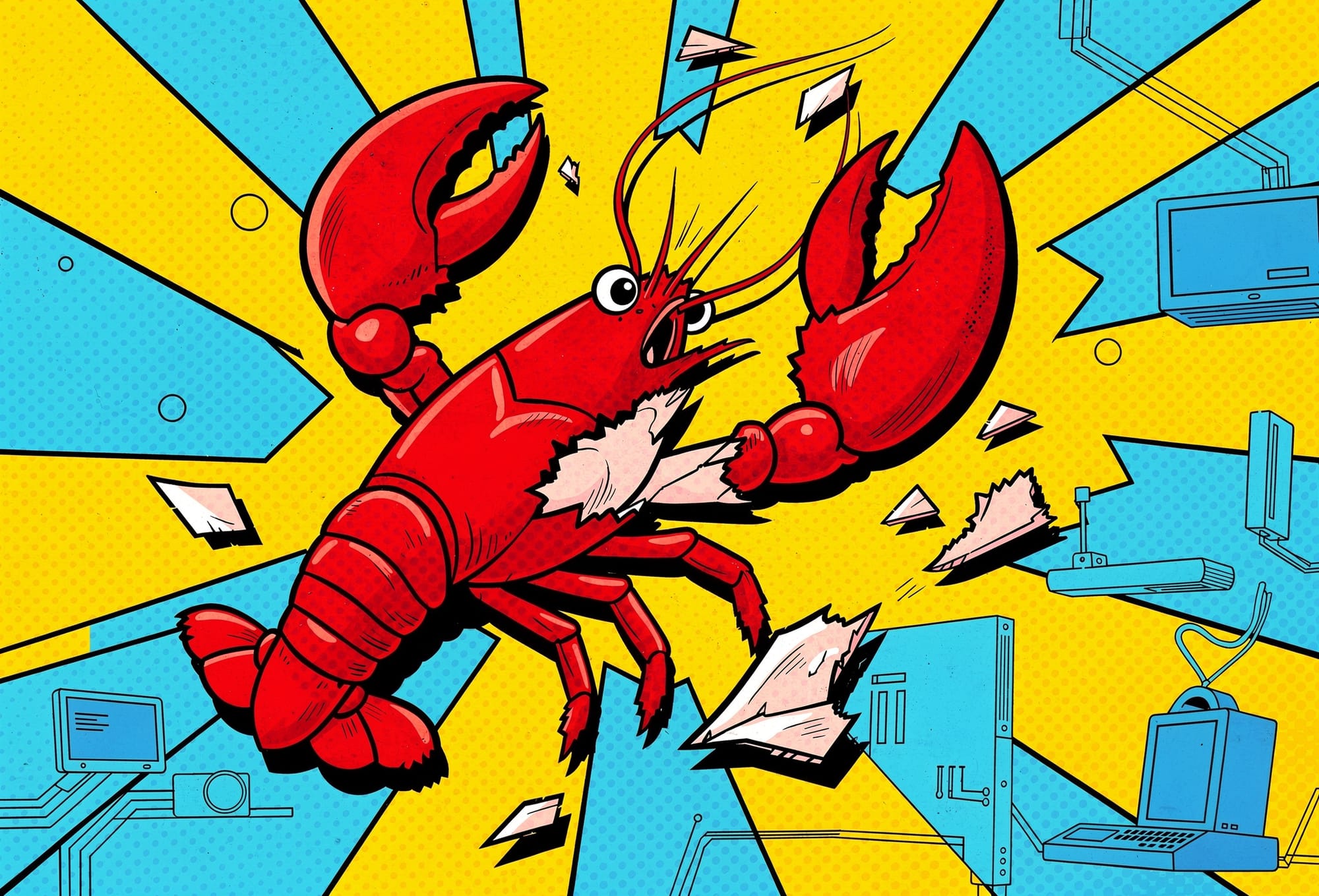
Anthropic's trademark lawyers forced a rebrand. Crypto scammers hijacked the abandoned handle in ten seconds. And Cloudflare stock jumped 24% as investors bet on who profits from the chaos.
The saga started when Anthropic's legal team told developer Peter Steinberger that "Clawdbot" sounded too much like "Claude." He complied, rebranding to Moltbot. Within ten seconds, scammers seized the @clawdbot handle and launched a fake $CLAWD token that hit a $16 million market cap before crashing 90%.
But the security problems ran deeper. Researchers found hundreds of exposed Moltbot instances with zero authentication, plaintext credentials, and supply-chain vulnerabilities. A prompt injection attack took just five minutes to execute. The tool had 60,000+ GitHub stars.
Cloudflare shareholders noticed. The stock climbed 10% Monday, another 14% Tuesday. Infrastructure providers win when agents need guardrails.
Why This Matters:
- AI agents require broad system access that contradicts two decades of OS security design. The attack surface is structural, not incidental.
- The winners in agent chaos are infrastructure and security vendors. Cloudflare's stock move signals where capital sees the opportunity.
Reality Check
What's confirmed: Anthropic forced the Clawdbot rebrand. Scammers launched a $CLAWD token that crashed 90%. Researchers found exposed instances with zero authentication.
What's implied (not proven): AI agents are inherently incompatible with traditional security models, making infrastructure providers the long-term beneficiaries.
What could go wrong: Open-source agents with lax defaults become vectors for supply-chain attacks at enterprise scale, eroding trust in the entire category.
What to watch next: Whether major cloud providers mandate agent sandboxing, and if Moltbot's GitHub stars recover after the security disclosures.

Masayoshi Son Sold His Nvidia Stake to Bet Everything on Altman
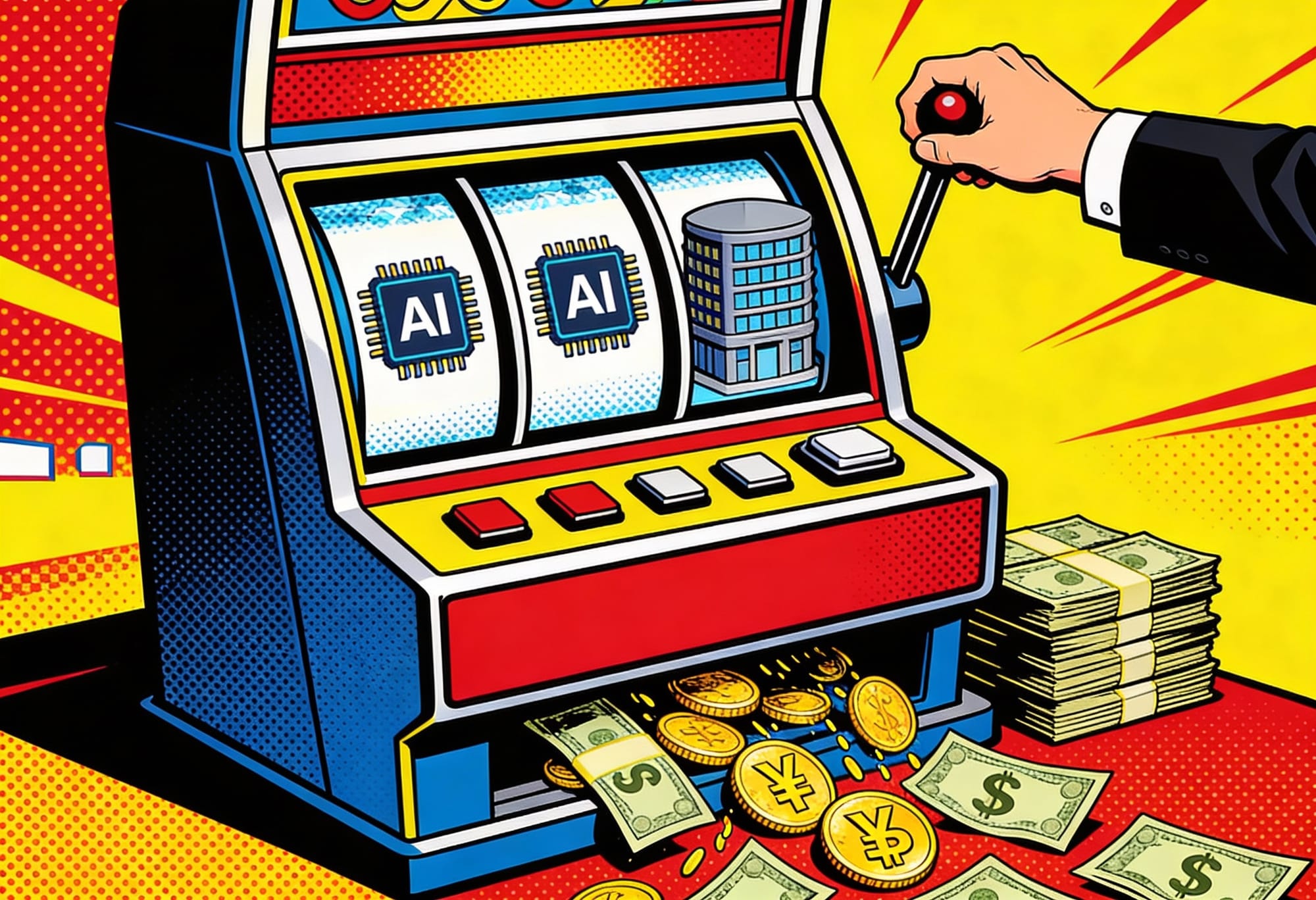
SoftBank's CEO liquidated $5.8 billion in Nvidia shares. Now he's negotiating another $30 billion injection into OpenAI. Credit agencies are watching the math.
Masayoshi Son has restructured SoftBank entirely around OpenAI dominance. The conglomerate spent $16 billion on AI acquisitions over the past year, including Ampere Computing and ABB's robotics division. The proposed $30 billion investment would push SoftBank's total OpenAI stake above $60 billion.
S&P has a warning: if the loan-to-value ratio hits 35%, a credit downgrade follows. SoftBank currently holds a BB+ rating. To maintain its 25% LTV ceiling, the company would need $15 billion in asset sales.
The timing is uncomfortable. SoftBank shares sit nearly 40% below their peak. Sam Altman issued a "code red" memo acknowledging erosion of OpenAI's research lead against Google's Gemini and Anthropic's Claude. The broader funding round could reach $100 billion at an $830 billion valuation.
Why This Matters:
- Son is making the largest concentrated AI bet in history at the exact moment OpenAI's competitive moat faces serious pressure.
- A SoftBank downgrade would ripple through AI funding markets, signaling that even the biggest backers can overextend.
AI Image of the Day

Prompt: A sunlit Mediterranean coastal terrace overlooking dramatic seaside cliffs, inspired by the Amalfi Coast. Cascading white and cream stone buildings with terracotta rooftops cling to the cliff face on the left, opening to calm sapphire-blue ocean on the right. A small round café table with pink tabletop sits between wooden bistro chairs, a bowl of bright yellow lemons resting on the table. Bougainvillea with bright pink blossoms frames the scene overhead. Warm romantic Mediterranean palette, elegant travel photography aesthetic.
Claude Code Meets Your File System: The Setup Guide for Knowledge Workers
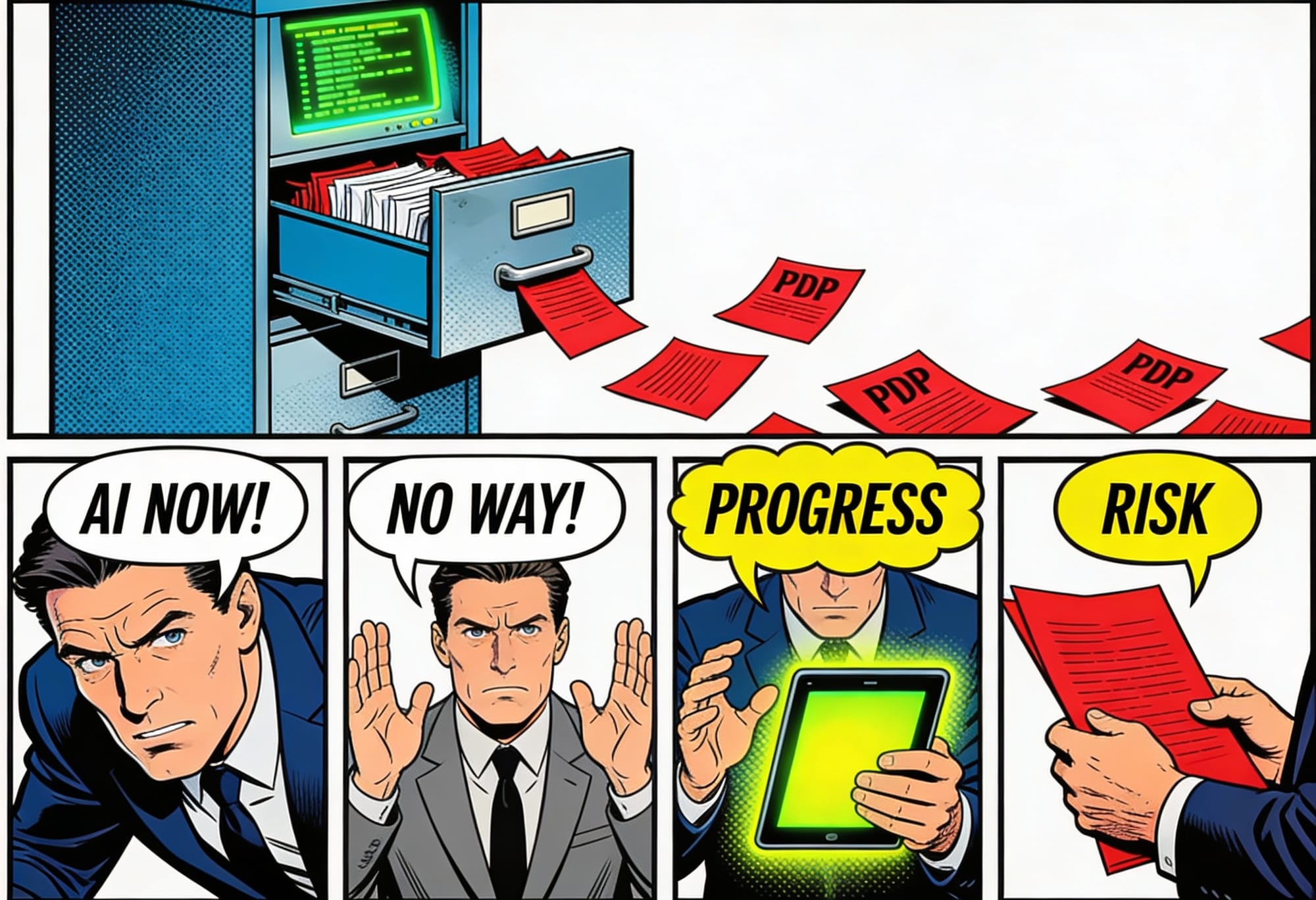
The agents are here. Now you need to learn how to point them at your actual files without creating new chaos.
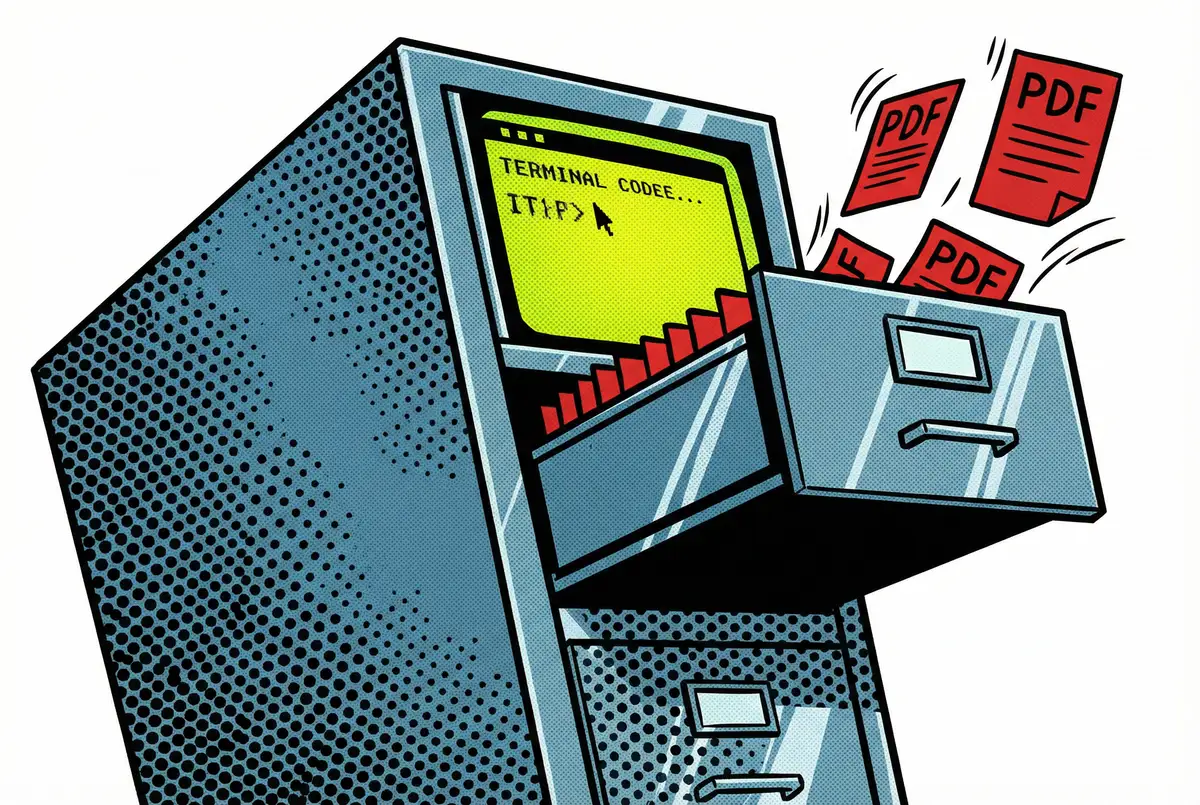
Claude Code can now access your local file system directly. That capability solves one problem and creates another: most knowledge workers have filing systems that resemble archaeological dig sites. Documents scanned into folders become "ScanSnap_20260114_093247.pdf" and similar unnamed chaos.
The guide covers installation, CLAUDE.md configuration, and five copy-paste workflows designed for file organization. Security considerations get their own section, because giving an AI agent access to your documents is a decision that deserves scrutiny.
This is a PRO briefing for paid subscribers. If your file system needs intervention, this is the practical starting point.
Why This Matters:
- AI agents with file access represent a new category of productivity tool, but only if you understand the boundaries.
- The gap between "AI can do this" and "I can actually use this" closes when setup guides get specific.
What To Watch Next (24-72 hours)
- Apple Q1 Earnings: Thursday at 5 PM ET. Analysts expect iPhone revenue up 17% and a record $138 billion quarter. The real question: can Apple Intelligence finally make Siri relevant, or does the Gemini partnership signal surrender?
- Samsung Full Earnings: Thursday. Preliminary numbers showed profit tripled to a record $14.8 billion on AI memory demand. The division breakdown will reveal whether HBM4 qualification with Nvidia is on track.
- Ethos Technologies IPO: Thursday on Nasdaq (ticker: LIFE). The insurtech backed by Sequoia and Alphabet's GV prices tonight. At $1.3 billion valuation, it's a test of whether the 2026 IPO window is real.
The One Number
3 to 1 — Every bit of high-bandwidth memory manufactured for AI servers costs three bits of conventional DRAM that won't exist for phones, laptops, and cars. That's the trade-off Micron's chief business officer confirmed this week. AI isn't just competing for memory. It's cannibalizing it.
Source: Wall Street Journal
🧩 Workflow of the Day
Workflow of the Day: "Turn research into a podcast-ready briefing doc"
Who: Content strategist, analyst, or executive preparing for a presentation, interview, or deep dive.
Problem: You have 15 browser tabs, three PDFs, and a deadline. Synthesis takes 4+ hours. Key insights get buried.
Workflow (with Perplexity + NotebookLM):
- Start in Perplexity with your research question. Toggle Web and Academic sources. Copy the 5 most relevant linked sources.
- Create a new NotebookLM notebook and paste those URLs as sources. Let Gemini pull additional relevant materials.
- Ask NotebookLM: "Generate a briefing document with key themes, supporting quotes, and open questions."
- Use the Audio Overview feature to create a podcast-style summary. Listen while commuting or walking.
- Review the auto-generated FAQs to stress-test your understanding and identify gaps.
- Export the briefing doc and share with your team before the meeting.
Payoff: 4 hours of synthesis becomes 45 minutes. You walk in with quotes, themes, and counterarguments ready.
Gotcha: NotebookLM can only work with sources you upload. If a key document is paywalled, you'll need to add it manually.
Tools: Perplexity | NotebookLM
Better Prompting... Today: History That Sticks
Memorizing dates is easy. Understanding why things happened, and why they still matter, is harder. These prompts turn passive reading into active thinking.
The Counterfactual Probe
"I'm studying [historical event]. Walk me through what would likely have happened if [key factor] had been different. Then tell me: what does the fact that this alternative didn't happen reveal about the forces actually at play? What did I misunderstand about causation before this exercise?"
Best on: Claude (handles complex chains of consequence) or ChatGPT (strong historical knowledge base)
The Source Interrogator
"Here's a primary source from [era/event]: [paste excerpt]. Before analyzing its content, tell me: Who likely wrote this? What did they want readers to believe? What would their opponents say they left out? Now, with that lens, what can I actually trust from this document?"
Best on: Claude (skilled at detecting bias and subtext) or ChatGPT (broad contextual knowledge)
The Time Traveler's Briefing
"I need to explain [modern concept: democracy, internet, global economy] to [historical figure] in terms they would understand using only references from their time. What analogies would work? What would confuse them most? What would they find familiar?"
Best on: ChatGPT (creative roleplay and analogies) or Claude (precise historical framing)
History isn't about what happened. It's about understanding why it couldn't have happened any other way, or realizing that it easily could have.
🧰 AI Toolbox
How to Turn Any Content into Visual Mind Maps with GitMind
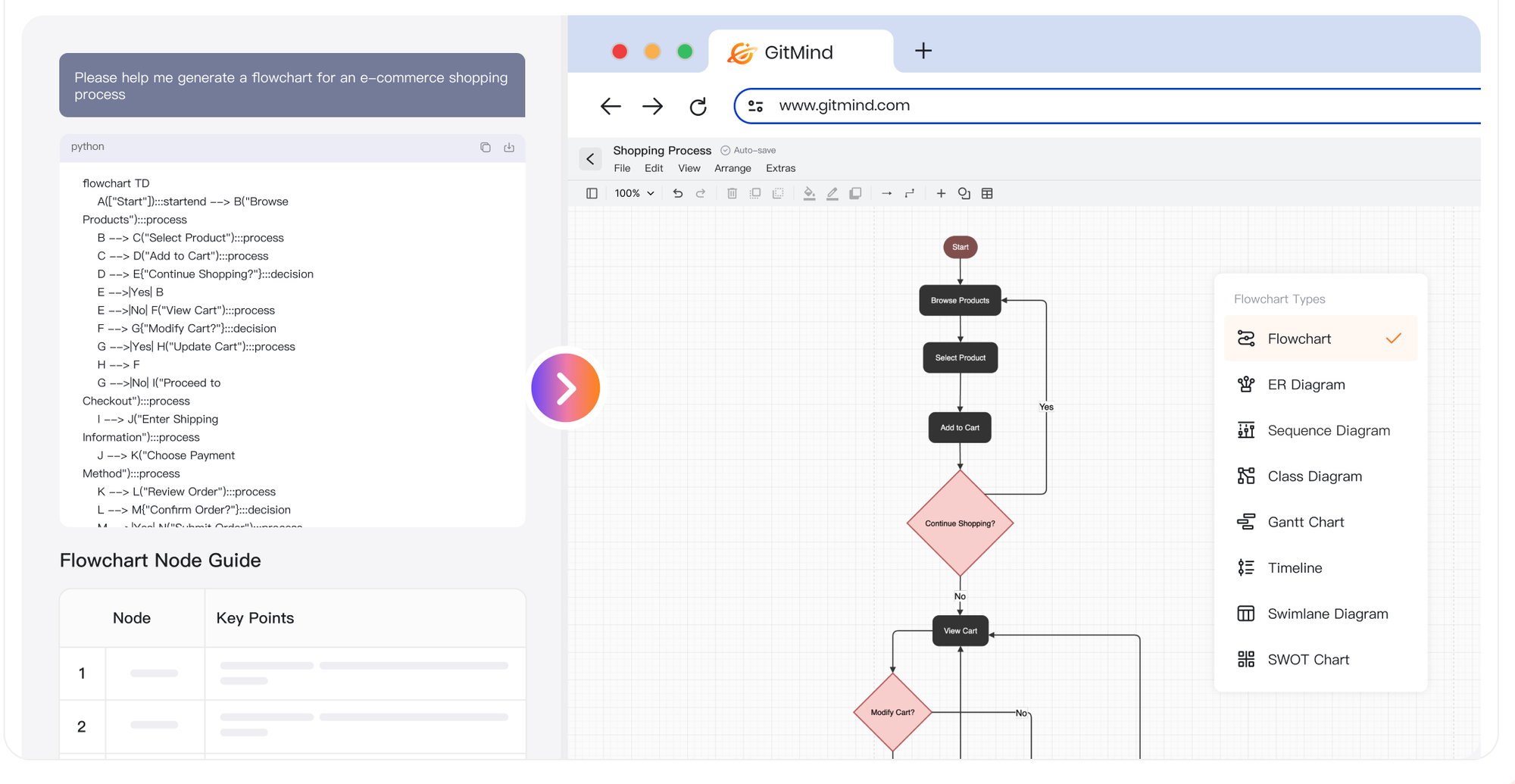
GitMind transforms articles, videos, podcasts, and PDFs into structured mind maps using AI. Upload content and get an organized visual breakdown you can edit, share, or export.
Tutorial:
- Visit gitmind.com or download the mobile app
- Choose your input: paste text, upload PDF/PPT, or enter a YouTube URL
- Click "AI Generate" to create a mind map from your content
- Watch as GitMind extracts key points and organizes them visually
- Edit nodes, add branches, or rearrange the structure
- Use AI Chat to ask questions about your mind map content
- Export as image, PDF, or share a collaborative link with your team
URL: https://gitmind.com
AI & Tech News
SK Hynix Posts Record Quarter on AI Memory Surge
SK Hynix delivered record Q4 results, with revenue hitting $23 billion (up 66% YoY) and operating profit surging 137% to $13.3 billion. High Bandwidth Memory chips for AI servers drove the blowout performance.
Amazon Cuts 16,000 Jobs in Continued Restructuring
Amazon announced plans to eliminate 16,000 positions as it continues reducing organizational layers and bureaucracy. The cuts follow previous layoffs in October 2025.
ASML Cuts 1,700 Jobs Despite Sales Boom
The Dutch chip equipment giant will eliminate 4% of its workforce, primarily in Technology and IT divisions. CEO Christophe Fouquet cited reducing management layers. Shares jumped 5% on the news.
Waabi Raises $1 Billion for Autonomous Trucking
Toronto-based Waabi secured $750 million in Series C funding led by Khosla Ventures, plus up to $250 million from Uber. The partnership signals expansion into robotaxis.
Digital Edge Plans $4.5 Billion Indonesia Data Center
Singapore-based Digital Edge, backed by Stonepeak, will build a 500 MW hyperscale facility in Indonesia. First phase opens Q4 2026.
Ex-DJI Chief Scientist Launches Robotics Startup
James Wu left the drone giant to found FJDynamics, targeting automation for agriculture and construction. Wu says these "forgotten" sectors face persistent labor shortages.
India's Tech Workers Face Mental Health Crisis
Indian tech employees are experiencing severe workplace stress amid deadline pressure and AI-driven layoff fears. The crisis has been linked to a wave of suicides within the industry.
AI Mirrors Help Blind People See Themselves
New AI-powered apps like Aira Explorer are providing detailed visual descriptions to blind users, giving many their first experience of body image feedback.
Amazon Shutting Down Palm Payment System
Amazon One, the palm recognition payment technology, will shut down for retail on June 3. All user palm data will be automatically deleted. Healthcare check-in use continues.
Samsung Teases Privacy Display for Galaxy S26
Samsung confirmed the Galaxy S26 series will feature pixel-level privacy display technology designed to prevent "shoulder surfing" in public spaces.
🚀 AI Profiles: The Companies Defining Tomorrow
Cape

Cape sells privacy as a product. The Washington, D.C. carrier offers cellular service that masks your identity from the network itself, targeting journalists, abuse survivors, and anyone tired of being the product. 🔒
Founders
John Doyle launched Cape in 2022 after running Palantir's national security business and serving in Army Special Forces. Co-founder Nicholas Espinoza handles technical architecture. Harvard Law on the resume, paranoia in the product. The team of roughly 90, over 70% of them engineers, product designers, and solutions architects, operates from D.C., close to the government clients who understand what they're protecting against.
Product
A $99/month MVNO with security baked into the core, not bolted on. Cape rotates your IMSI identifier every 24 hours, blocking persistent tracking. SIM swap protection uses customer-controlled cryptographic keys. Voicemails encrypt with your private key before Cape stores them. The company collects no names, addresses, or Social Security numbers. They helped EFF detect an IMSI catcher near the 2024 Democratic National Convention. The service runs on USCellular's network with Cape's own mobile core software masking identifying metadata.
Competition
Traditional carriers have no incentive to compete on privacy. Invisiv's Pretty Good Phone Privacy tackles similar problems. Proton partnered with Cape rather than compete. The real threat: if Apple or Google build equivalent protections into iOS and Android, the $99 premium evaporates.
Financing 💰
$91M total raised. Series B led by Andreessen Horowitz with $15M debt from Silicon Valley Bank, followed by an additional $30M round in March 2025. A*, XYZ, Costanoa Ventures, Point72, and Karman Ventures participated. Katherine Boyle at a16z called it "an answer to long-standing vulnerabilities in telecom infrastructure."
Future ⭐⭐⭐⭐
Cape bet that surveillance fatigue would create a market. The $99 price point filters for customers who value privacy enough to pay for it. Open beta launched March 2025; general availability hit January 2026. The test: can privacy sell to consumers, or does it stay a niche for spooks and survivors? 🛡️


