IMPLICATOR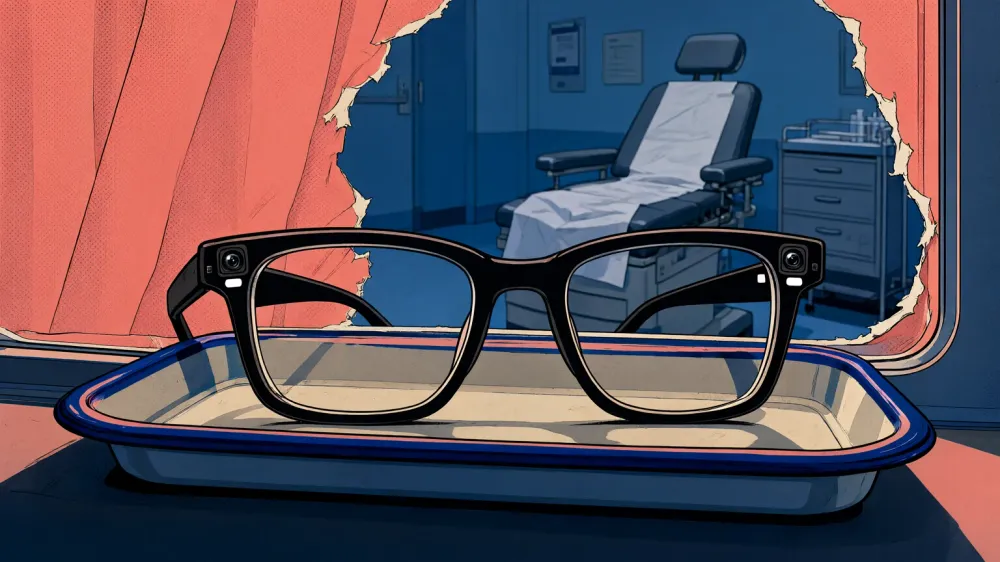
California Gov. Gavin Newsom vetoed SB1130 Wednesday, rejecting new restrictions on recordings by smart glasses and other wearable recording devices in areas of businesses where people reasonably expect privacy. The measure would have required explicit consent and made violations a misdemeanor punishable by fines of up to $1,500.
The veto leaves existing privacy laws in place while blocking additional consent and recording-indicator rules.
State Sen. Eloise Gómez Reyes, a Democrat from Colton, sponsored the bill to address wearable devices that can resemble ordinary eyewear while capturing sound or video.
The enrolled bill limited its consent requirement to areas within businesses where the person being recorded has a reasonable expectation of privacy. It did not require permission for every recording inside a shop or prohibit all public filming.
EssilorLuxottica disclosed worldwide sales of more than 7 million AI glasses in 2025 including Ray-Ban Meta and Oakley Meta.
What Changed
- Gavin Newsom vetoed SB1130, which would have restricted smart-glasses recordings in private areas within California businesses.
- The bill would have required prominent recording indicators on wearable devices sold in California beginning January 1, 2028.
- Newsom cited broad definitions and existing privacy laws. The veto leaves those laws in place.
- The proposed criminal restrictions exempted disability-related assistive use, while Meta highlighted its glasses' accessibility benefits.
AI-generated summary, reviewed by an editor. More on our AI guidelines.
Recording consent
A place of business meant a physical office or retail establishment where the public receives goods or services. Capturing sound or video meant storing it or transmitting it to another person. Temporary processing that involved neither storage nor transmission to another person was excluded.
FREE WEEKDAY MORNING BRIEFING
Follow the privacy rules for AI you wear.
The Implicator Morning Briefing filters the AI news cycle to the stories worth your attention and explains their consequences. From San Francisco, every weekday at 4:45 a.m. Pacific, 7:45 a.m. Eastern.
About five minutes. No hype. No spam.
Violations of the proposed criminal provisions could have brought up to a year in county jail, a fine of up to $1,500 per violation, or both. Disabling an indicator that signals recording was also covered by those criminal penalties.
Device indicators
Manufacturers and sellers would have faced a separate requirement beginning January 1, 2028: wearable recording devices sold in California needed a light, sound or other signal prominent enough to alert a reasonable person nearby that recording was occurring.
Separate civil rules barred commerce in, and acquisition of, technology primarily designed, marketed or likely used to defeat those indicators, as well as using any technology to disable them. Knowing violations carried civil penalties of up to $2,500 each.
Objections and support
Newsom objected to definitions he considered broad or imprecise. The definition of a wearable recording device could include some smartwatches, he wrote, creating confusion for devices widely used in public.
Newsom wrote that existing California law already prohibits recording people in areas where they reasonably expect privacy and recording confidential communications without consent.
Know someone who'd find this useful? ✉️ Email it to a friend in one click, or they can subscribe free here.
Reyes sought clearer safeguards against secret recordings and indicators that bystanders could readily notice. Justin Brookman, director of technology policy at Consumer Reports, said recognizing when glasses are recording is harder than recognizing someone filming with a phone or camera.
TechNet opposed the measure as unfair to businesses and customers. Its executive director, Robert Boykin, said the bill was not the right approach given existing recording laws.
Meta safeguards
In its July FAQ, Meta describes a blinking white capture light and says second-generation and later glasses disable cameras when they detect that the light is blocked. It announced an update to disable cameras when they detect that the LED was physically tampered with or destroyed. These are manufacturer claims; the available reporting does not establish the update’s completion, the safeguards’ universal effectiveness or how common covert smart-glasses recordings are.
The company also promotes accessibility uses, including a June program offering glasses and training to blind veterans to help them read documents and identify objects. The final bill exempted disability-related assistive use for daily activities or functional needs, including hearing and communication aids, from proposed Penal Code section 632.8’s criminal restrictions. That exemption did not extend to the separate device and commercial requirements.
Newsom acknowledged that reported invasive behavior demanded a legislative response. But, he wrote, “we must approach this issue with precision and care.”
Frequently Asked Questions
What would SB1130 have changed?
It would have required explicit consent to capture someone with a wearable recording device in areas within a business where that person reasonably expects privacy. It also targeted disabling recording indicators and technology intended to defeat them.
Why did Gavin Newsom veto the bill?
Newsom considered several definitions too broad or imprecise, including language that could cover some smartwatches. He also pointed to existing restrictions on recording people in private areas and recording confidential communications without consent.
What was scheduled to begin in 2028?
Beginning January 1, 2028, manufacturers and sellers would have had to provide wearable recording devices with a light, sound or other indicator prominent enough to alert people nearby. That date applied to the device indicator requirement.
What penalties did the bill propose?
Violations of the proposed criminal provisions could have brought up to $1,500 per violation, up to a year in county jail, or both. Knowing violations of the separate commercial rules carried civil penalties of up to $2,500 each.
How did the bill treat assistive uses of smart glasses?
The proposed criminal restrictions exempted disability-related assistive use for daily activities or functional needs, including hearing and communication aids. That exemption did not cover the separate commercial rules. Meta promotes its glasses for tasks such as reading documents and identifying objects.
AI-generated summary, reviewed by an editor. More on our AI guidelines.
Related stories


Free AI briefing · Weekdays
The AI stories that matter, sourced and explained.
Join the Morning Briefing. It goes out every weekday at 4:45 a.m. Pacific, with later sends for the East Coast, Berlin and Tokyo.
Free when you sign up: The Paperclip Compendium, our tested guide to running AI agents.
Free. Unsubscribe in one click.

Marcus Schuler
Editor-in-Chief and founder of Implicator.ai. Former ARD correspondent and senior broadcast journalist with 10+ years covering tech. Writes daily briefings on policy and market developments. Based in San Francisco. E-mail: editor@implicator.ai