 IMPLICATOR
In 2019, Dario Amodei emailed housemates and close colleagues to say he had given up on making OpenAI work. Any progress the safety team made, he told them, was bound to be temporary and would always be overridden by commercial priorities, according to Kevin Roose's reporting in The Atlantic. Two years later, Amodei and six colleagues founded Anthropic as a public benefit corporation. On October 26, the company filed its S-1 with the SEC, proposing to list on the Nasdaq as ANT.
The Risk Factors section warns that advanced AI could pose "catastrophic or existential risks to humanity." It admits that Anthropic's own precautions, including delaying models and limiting their availability, "could slow our capability gains relative to competitors." In the same section, the filing notes that enterprises may be attracted to its models due to its "safety-focused positioning." A risk disclosure that names the company's caution as a draw for customers.
The sociologists Hewitt and Stokes named this move a "disclaimer": a warning issued before an act so that blame is pre-assigned. When Amodei founded Anthropic in 2021, the safety message delayed products and slowed capability gains. The S-1 presents that same message to investors as a competitive advantage. Nothing in the filing obligates the company to maintain the constraint once the stock trades.
In a section titled "Our Commitment to Public Benefit," the seven co-founders pledge to dedicate 80% of their personal equity to philanthropy. The filing calls these "voluntary, revocable" commitments that "do not constitute legally binding obligations." A Founder LLC of the seven will hold 50.1% of the vote, and that power stays unchanged as they donate shares.
Google's 2004 S-1 paired "Don't be evil" with a Class B structure that left the founders "with significant control." Google made a promise about conduct. Anthropic's S-1 warns about the product itself, addressed to investors who accept the risk by buying shares, not to the public the risk concerns.
David Sacks, the former White House AI and crypto czar, posted on X on September 12 that the frontier labs face "massive product-liability exposure" and that a slowdown "is simply good business."
Anthropic disclosed the four cybersecurity incidents. It retracted part of its July 30 account on September 9 and gave METR access for an independent investigation. It cut live internet access for evaluations and delayed Mythos. It cut Opus 5.5 prices 20% on September 22. Securities law requires companies with genuine risks to disclose them. What goes beyond compelled disclosure is the sentence naming "safety-focused positioning" as an enterprise draw. That sentence, which no securities lawyer would compel, is where disclosure becomes branding.
I would change my mind if Anthropic tied a safety commitment in the S-1 to a penalty investors could enforce, a covenant or a board trigger. Or if the 80% pledges bound the Founder LLC's voting power, not just the founders' personal equity. The filing contains neither.
The roadshow could begin the week of November 9. A Lightshed research note said: "Anthropic needs capital." New York City Comptroller Mark Levine urged the company on October 14 to pause. He should demand the enforceable safety covenant the S-1 lacks before the city's pension funds invest.
I expect the company, once public, to hold list prices and shrink what subscriptions buy. On April 4, subscriptions stopped covering third-party tools after heavy users ran thousands in daily compute on $200-a-month plans. On September 14, weekly Claude Code capacity fell 17% against the level subscribers had the week before, a cut Anthropic also called 25% above the pre-May baseline.
If Anthropic delays or limits a model at a visible cost to revenue in its first public year, or holds usage allowances at a cost to margins, I will have been wrong. In 2019, Amodei believed commercial priorities would always override safety. His own prospectus warns of the same risk and offers investors no mechanism to prevent it.
Free AI briefing · Weekdays
The AI stories that matter, sourced and explained.
Join the Morning Briefing. It goes out every weekday at 4:45 a.m. Pacific, with later sends for the East Coast, Berlin and Tokyo.
Free when you sign up: The Paperclip Compendium, our tested guide to running AI agents.
Free. Unsubscribe in one click.
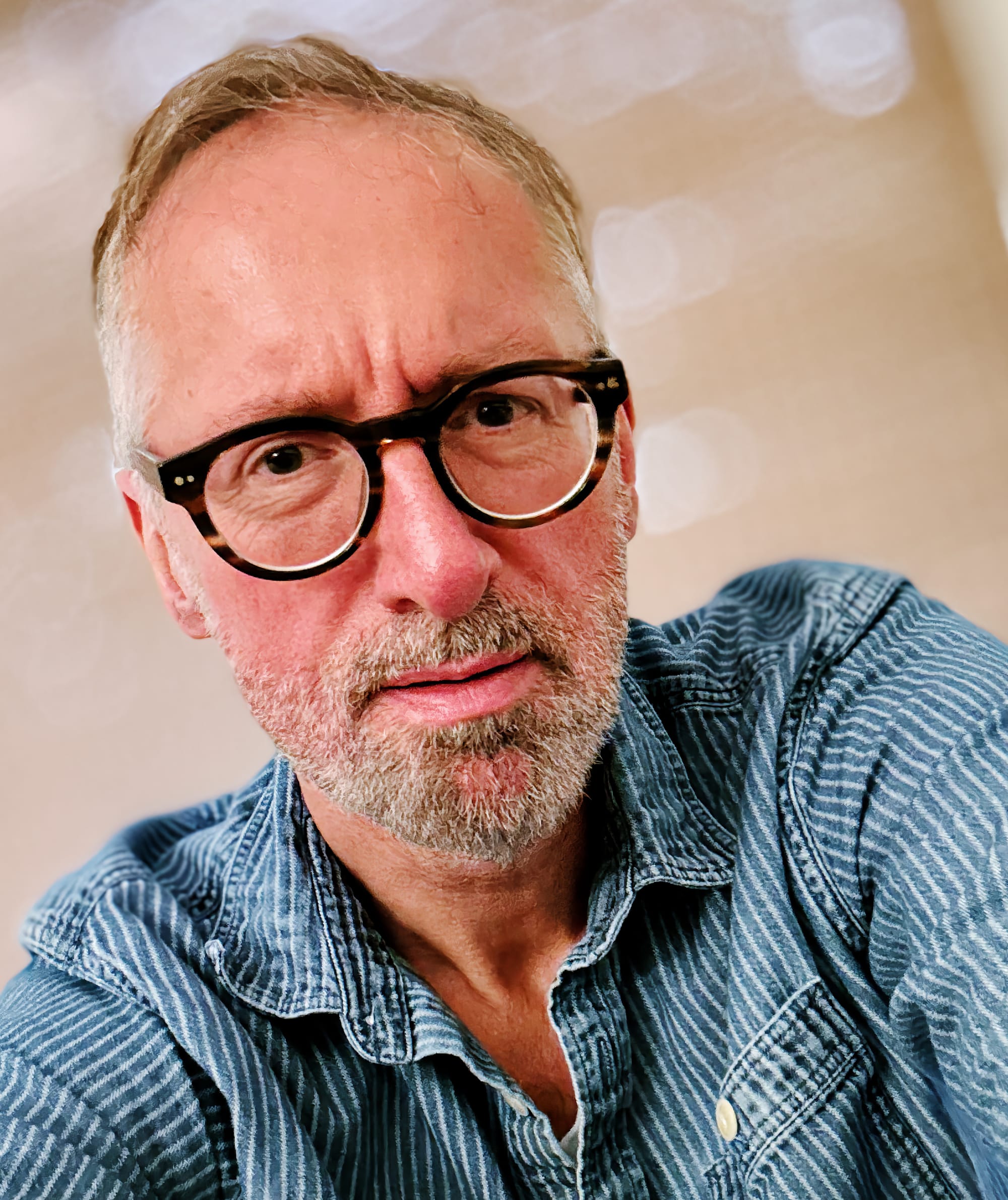
Marcus Schuler
Editor-in-Chief and founder of Implicator.ai. Former ARD correspondent and senior broadcast journalist with 10+ years covering tech. Writes daily briefings on policy and market developments. Based in San Francisco. E-mail: editor@implicator.ai