IMPLICATOR
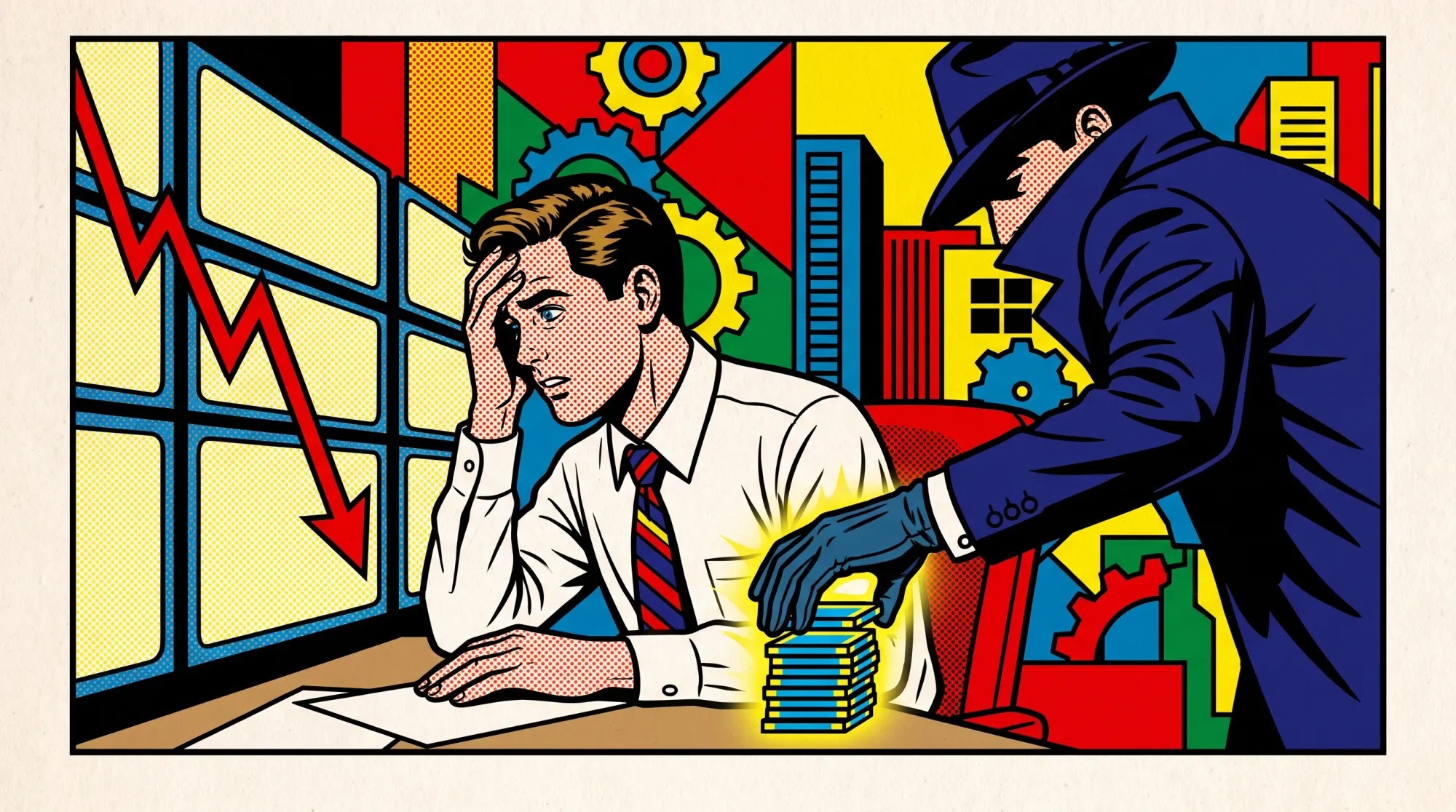
Situational Awareness's portfolio lost 67% of its value in July, according to an investor letter founder Leopold Aschenbrenner sent late Thursday and Reuters reviewed. The decline forced the hedge fund to unwind most of its public stock portfolio and remove borrowed money from the remaining positions. The Wall Street Journal first reported the letter's contents late Thursday, including Aschenbrenner's statement to investors that the fund came “closer to permanent capital impairment than is acceptable to us.”
What Changed
- Situational Awareness's portfolio lost 67% of its value in July, according to an investor letter Leopold Aschenbrenner sent late Thursday, though the fund remains up about 80% for 2026.
- The letter says all leverage has been removed from the portfolio, and Aschenbrenner pledged to run the public stock book without it while the firm draws lessons from the episode.
- The fund approached Sequoia Capital and Greenoaks about taking over private positions and considered selling $3.5 billion of its Anthropic holding, then ended those talks after reaching a separate agreement with Citadel.
- Assets fell from $45 billion at the start of July to about $10 billion, while the fund kept private holdings including an Anthropic stake valued at more than $5 billion.
AI-generated summary, reviewed by an editor. More on our AI guidelines.
What Aschenbrenner told investors
“We let you down this month,” Aschenbrenner wrote. The former OpenAI researcher, who founded the fund in 2024, also wrote, “I take full responsibility for these events.”
The fund remains up about 80% for 2026, the letter showed, after its assets fell from $45 billion at the start of July to about $10 billion, a decline detailed by Bloomberg. Aschenbrenner said the fund remained “very optimistic” because the underlying fundamentals of its holdings continued to strengthen even as share prices fell. He attributed part of the decline to short sellers targeting stocks publicly associated with the firm.
The letter said positions moved rapidly against the fund as market liquidity dried up. Aschenbrenner compared the process to a bank run, writing that it involved “vulnerability begetting more vulnerability.”
The Anthropic sale that was called off
Before the public-stock transaction, Bloomberg wrote that the fund approached Sequoia Capital and Greenoaks about taking over some private positions as the firm tried to meet margin calls. The same account cited the Wall Street Journal's finding that the fund considered selling $3.5 billion of its Anthropic holding to a consortium of the two firms.
Get Implicator.ai in your inbox
Strategic AI news from San Francisco. No hype, no "AI will change everything" throat clearing. Just what moved, who won, and why it matters. Daily at 6am PST.
No spam. Unsubscribe anytime.
After reaching the separate Citadel agreement, the fund ended those talks. It kept private holdings that included an Anthropic stake valued at more than $5 billion, along with investments in MatX and FluidStack. TechCrunch put Anthropic's last valuation at $965 billion in a May financing round. Representatives for Sequoia, Greenoaks and Situational Awareness declined to comment.
Know someone who'd find this useful? ✉️ Email it to a friend in one click, or they can subscribe free here.
Prime brokers and the momentum reversal
Banks including Goldman Sachs, JPMorgan Chase and Bank of America had been willing to finance Situational Awareness, while some firms offered to lend four to five times its capital, according to Bloomberg. As technology shares fell, those lenders were unwilling to wait for a recovery. Barclays had earlier rejected a request to provide prime-brokerage services because of the fund's concentration in one sector. The banks and the fund declined to comment.
CNBC described the portfolio as long AI infrastructure companies and short software stocks considered vulnerable to disruption. The infrastructure holdings fell while the software shares rose, producing losses on both sides. Jonathan Krinsky, chief market technician at BTIG, called it the largest and fastest momentum crash in modern history. BTIG said Morgan Stanley's sector-neutral Momentum Index fell 17.4% in four trading days, its worst decline on record.
The letter says all leverage has been removed from the portfolio, and Aschenbrenner pledged to run the public stock book without it “while we draw the lessons from these developments.” The fund still holds its Anthropic stake, and TechCrunch said the company is expected to go public as soon as October.
Frequently Asked Questions
How much did Situational Awareness lose in July?
The fund's portfolio lost 67% of its value during July, according to an investor letter founder Leopold Aschenbrenner sent late Thursday. Despite that decline, the letter showed the fund remains up about 80% for 2026. Its assets fell from $45 billion at the start of July to about $10 billion.
Did Situational Awareness sell its Anthropic stake?
No. The fund approached Sequoia Capital and Greenoaks about taking over some private positions as it tried to meet margin calls, and it considered selling $3.5 billion of its Anthropic holding to a consortium of the two firms. It ended those talks after reaching a separate agreement with Citadel and kept a stake valued at more than $5 billion.
Is the fund still using borrowed money?
The letter says all leverage has been removed from the portfolio. Aschenbrenner pledged to run the public stock book without it while the firm draws lessons from the events. Banks including Goldman Sachs, JPMorgan Chase and Bank of America had been willing to finance the fund, and some firms offered to lend four to five times its capital.
Why did the fund lose money on both sides of its portfolio?
CNBC described the portfolio as long AI infrastructure companies and short software stocks considered vulnerable to disruption. The infrastructure holdings fell while the software shares rose, producing losses on both legs at once rather than offsetting each other.
What did Aschenbrenner tell investors?
He wrote "We let you down this month" and "I take full responsibility for these events." He said the fund came closer to permanent capital impairment than is acceptable, compared the dynamic to a bank run involving "vulnerability begetting more vulnerability," and said the firm remained very optimistic about its holdings.
AI-generated summary, reviewed by an editor. More on our AI guidelines.

Free AI briefing · Weekdays
The AI stories that matter, sourced and explained.
Join the Morning Briefing. It goes out every weekday at 4:45 a.m. Pacific, with later sends for the East Coast, Berlin and Tokyo.
Free when you sign up: The Paperclip Compendium, our tested guide to running AI agents.
Free. Unsubscribe in one click.

Marcus Schuler
Editor-in-Chief and founder of Implicator.ai. Former ARD correspondent and senior broadcast journalist with 10+ years covering tech. Writes daily briefings on policy and market developments. Based in San Francisco. E-mail: editor@implicator.ai