IMPLICATOR
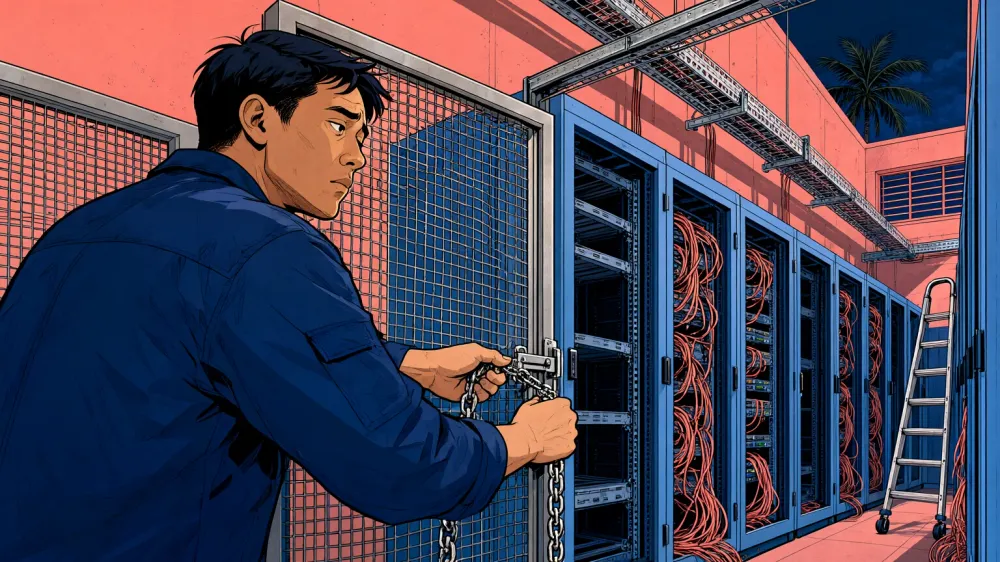
Oracle has canceled a chip leasing contract with Tencent after bowing to pressure from the Trump administration. The deal, worth an estimated $7 billion, would have given Tencent access to about 100,000 advanced AI chips that were not available in China because of curbs from Washington and Beijing. The Financial Times reported the cancellation on Wednesday, amid continued US scrutiny of Chinese access to chips like these.
Reuters could not immediately verify the report. Oracle, Tencent and the White House did not respond to its requests for comment. The account of how US officials raised their concerns with Oracle rests on two people familiar with the matter.
What Changed
- Oracle has canceled a chip leasing contract with Tencent after bowing to pressure from the Trump administration.
- The deal, worth an estimated $7 billion, would have given Tencent access to about 100,000 advanced AI chips.
- Top officials in Guangdong visited Tencent and asked it to support domestic Chinese chips.
- Reuters could not immediately verify the report. Oracle, Tencent and the White House did not respond to its requests for comment.
AI-generated summary, reviewed by an editor. More on our AI guidelines.
The lease
The same newspaper reported last month that Oracle had signed a five-year agreement to lease the chips to Tencent. The lease was signed earlier this year. Tencent had agreed to it across multiple Oracle data centers in Southeast Asia. It was the company's largest overseas lease deal. The $7 billion value is an estimate.
The lease would have given a Chinese internet company a way to use hardware it could not get at home.
FREE WEEKDAY MORNING BRIEFING
Track who can rent advanced AI chips next.
The Implicator Morning Briefing filters the AI news cycle to the stories worth your attention and explains their consequences. From San Francisco, every weekday at 4:45 a.m. Pacific, 7:45 a.m. Eastern.
About five minutes. No hype. No spam.
Pressure from two governments
US officials approached Oracle to raise concerns about the Tencent deal. The contract was canceled after they did. Tencent also faced a request at home. Top officials in Guangdong, where the group is based, visited the company and asked it to support domestic Chinese chips. Investing.com's summary of the report puts it differently, saying Tencent was scrutinized by Beijing over the deal and was asked to seek domestic chips.
Washington is vying to maintain its lead in the AI race while keeping Chinese development in check.
Nvidia's 51% instruction
The cancellation report came a day after a related one. On Tuesday, the same newspaper reported that Nvidia told its cloud computing clients they must now sell at least 51% of their capacity to non-Chinese companies. That instruction came from Nvidia itself, and it sets a share of capacity for its clients. The Oracle case turned on one contract with one customer. Both the cancellation and the Nvidia instruction come from that newspaper's reporting.
Where the two companies stand
Oracle is near a $10 billion share sale at an 11% discount. It is seeking $20 billion for AI growth. It also led a 17-firm high-grade bond push before the US midterm vote. Tencent, for its part, has declared that its latest AI model ranks among China's best.
Know someone who'd find this useful? ✉️ Email it to a friend in one click, or they can subscribe free here.
The leases still standing
The canceled contract is not the only lease of its kind. Chinese internet companies ByteDance and Alibaba still have massive chip leasing deals with US providers. Oracle is a major supplier to ByteDance in Asia, with several data centers in Malaysia. So Oracle has dropped one Chinese customer and, on these accounts, still serves another.
Democrats won control of Congress as voters rebuked the Trump agenda, on the same day the report appeared. A separate Reuters story says the midterm rebuke gives trading partners room to resist.
Two questions follow. Had Tencent started using any of those chips before the contract ended? And will the officials who approached Oracle about Tencent raise the same concerns about ByteDance?
Frequently Asked Questions
What did Oracle cancel?
Oracle canceled a chip leasing contract with Tencent, worth an estimated $7 billion. The deal would have given Tencent access to about 100,000 advanced AI chips that were not available in China because of curbs from Washington and Beijing.
Where would the chips have been?
Tencent had agreed to a five-year lease across multiple Oracle data centers in Southeast Asia.
Why was the deal canceled?
US officials approached Oracle to raise concerns about the Tencent deal, and the contract was canceled after they did. The account rests on two people familiar with the matter.
Did Chinese officials get involved?
Top officials in Guangdong, where Tencent is based, visited the company and asked it to support domestic Chinese chips.
Does Oracle still lease chips to Chinese firms?
Oracle is a major supplier to ByteDance in Asia, with several data centers in Malaysia. ByteDance and Alibaba still have massive chip leasing deals with US providers.
AI-generated summary, reviewed by an editor. More on our AI guidelines.


Free AI briefing · Weekdays
The AI stories that matter, sourced and explained.
Join the Morning Briefing. It goes out every weekday at 4:45 a.m. Pacific, with later sends for the East Coast, Berlin and Tokyo.
Free when you sign up: The Paperclip Compendium, our tested guide to running AI agents.
Free. Unsubscribe in one click.

Marcus Schuler
Editor-in-Chief and founder of Implicator.ai. Former ARD correspondent and senior broadcast journalist with 10+ years covering tech. Writes daily briefings on policy and market developments. Based in San Francisco. E-mail: editor@implicator.ai