IMPLICATOR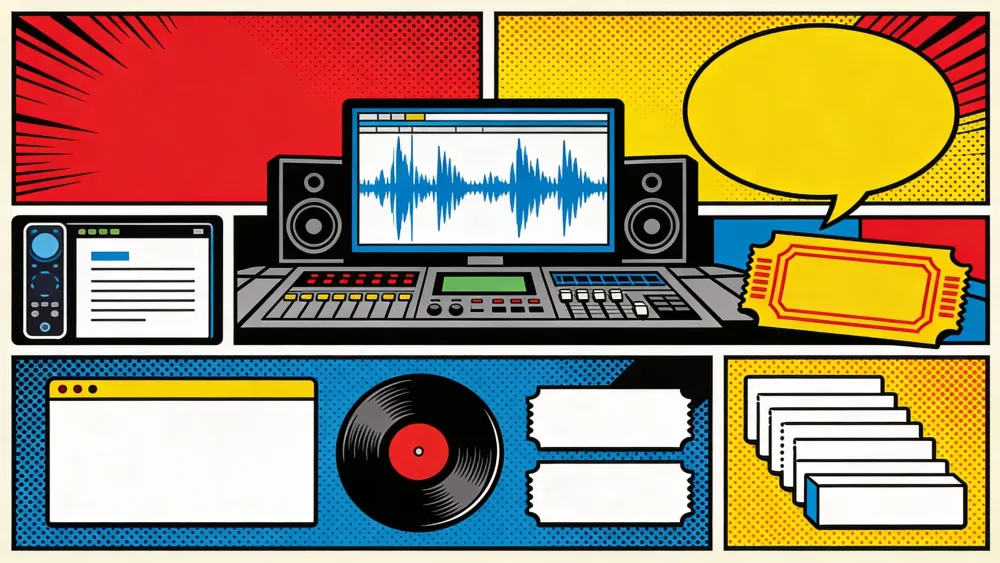
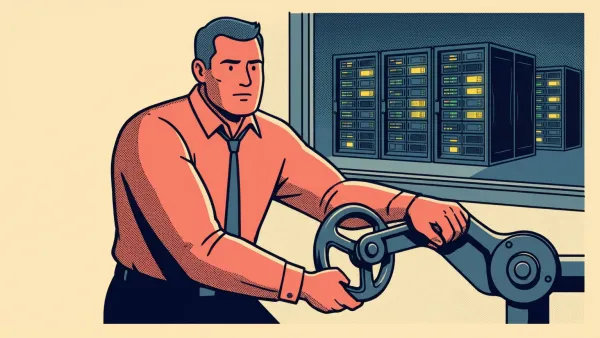
On a frosty February evening in Cambridge, Mikey Shulman typed three phrases into Suno, pedal steel guitar, country Americana folk, acoustic guitar. Forbes watched the CEO generate a polished track while his bass guitar hung unused on the wall and a 61-key synthesizer sat a few doors away. Suno says more than 100 million people have tried the product. More than 7 million songs are made on it each day.
That is the achievement. Suno can make music production feel instant and personal; it still has to prove that AI songs create durable listening demand outside the prompt box. The business has users, revenue and label attention, but not evidence that listeners want the flood.
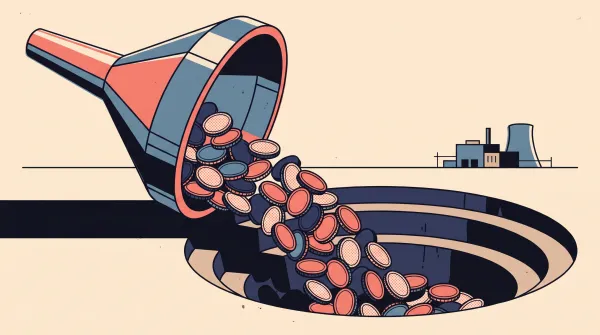
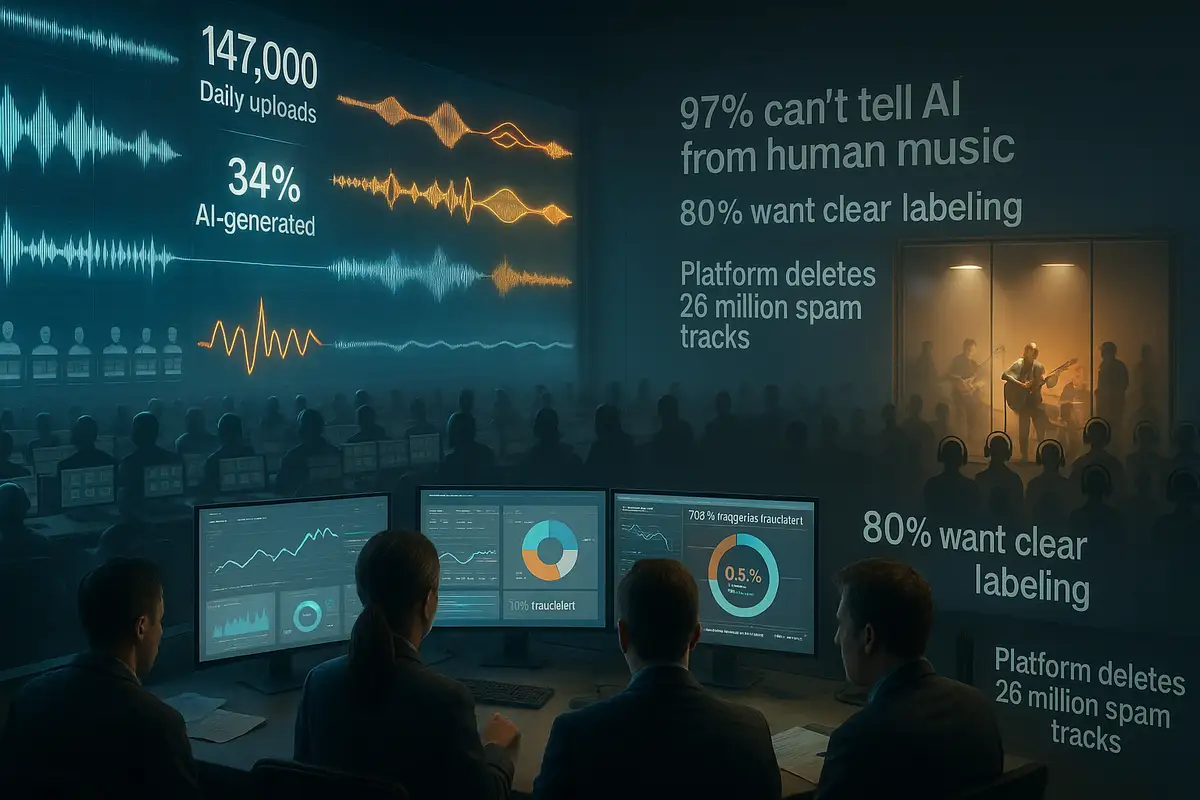
Deezer said in April it receives almost 75,000 fully AI-generated tracks a day, 44 percent of daily uploads, while those tracks account for only 1 to 3 percent of streams and 85 percent of their streams were judged fraudulent in 2025. Suno adds a second question. What if the most successful AI music company is building a creation business before the listening market exists?
Key Takeaways
- Suno has paying users, but streaming demand for AI music remains thin.
- Warner's settlement turns licensing, opt-ins, and paid downloads into product rules.
- Songkick data points to a larger fan and creation routing strategy.
- Streaming platforms and distributors are treating AI music as a fraud and liability problem.
AI-generated summary, reviewed by an editor. More on our AI guidelines.
The creation numbers are real
Suno's consumer business is no longer theoretical. By February, Shulman was telling people the company had 2 million paid subscribers and $300 million in annual recurring revenue. Music Business Worldwide compared that with the $200 million the Wall Street Journal reported in November. Investors had priced Suno at $2.45 billion a few months earlier.
Those paired numbers separate Suno from AI demos that impressed people once and disappeared. A paid user making a birthday song or sketching a sample-free track is not a bot farm. It is a customer.
"Consumers don't experiment with tools," Menlo Ventures partner Amy Wu told Forbes. "They will only use a product if it's bringing them joy, really adding value to their lives."
The quote frames Suno as entertainment, not software. A digital audio workstation asks for skill. Suno asks for taste. For a company selling subscriptions at $10 and $30 a month, that distinction matters.
The streaming numbers are worse
The listening side is less flattering. Deezer's April release said AI-generated tracks rose from 10,000 daily uploads in January 2025 to nearly 75,000 a year later. It has detected and tagged more than 13.4 million AI tracks. It excludes fully AI-generated tracks from algorithmic recommendations and editorial playlists.
Spotify is moving in the same direction without banning AI music. It said it removed more than 75 million spammy tracks in the past 12 months and began supporting AI disclosures in music credits. The largest music services are not treating AI music primarily as a new genre. They are treating it as a moderation, fraud and trust problem.
Suno says 7 million songs are made every day. Deezer says AI tracks are 44 percent of uploads. AI tracks draw 1 to 3 percent of Deezer streams.
The listener is missing.
Songkick makes the strategy clearer
This is why Songkick matters. When Warner Music Group settled with Suno in November, the agreement included licensed models, download restrictions and the sale of Songkick, the concert discovery platform. WMG said the combination could connect interactive music with live performance.
Music Business Worldwide reported Sunday that Songkick user data, including account details, artist preferences, locations and alert settings, is being transferred to Suno as controller. Suno also posted a general manager role to connect Songkick's "live music graph" with Suno's creation system.
The business logic is plain. Suno already knows what users want to make. Songkick can tell it what they follow, where they live and which shows they track. The company claim is deeper artist-fan connection. The asset is years of concert-app behavior.
No connective tissue needed.
Labels are choosing different walls
The music industry is not moving as one bloc. Warner chose settlement and licensing. Universal and Sony remain in conflict with Suno. Believe and TuneCore went further, telling Music Business Worldwide they are blocking tracks created partly or fully on unlicensed "pirate studios," including Suno.
Denis Ladegaillerie, Believe's chief executive, said the company can identify the model and platform behind a track with 99 percent reliability. He also called distributors that keep accepting unlicensed AI output a "litigation time bomb."
Warner's settlement points to one operating model. Believe's block, Spotify's credit work, Deezer's detection system and the RIAA suit point to another. The same song can be a subscription product for Suno, a licensing asset for Warner, a rejected upload for TuneCore and a fraud signal for Deezer.
Suno's answer is that creation expands the music economy. Shulman told Forbes he does not want a world divided between AI-generated and non-AI-generated music because "it's all going to have AI in it somewhere." He may be right about the tool. The commercial proof is listening at scale.
Shulman started the Forbes demo by leaving the instruments alone, and the song appeared anyway. The next test starts after that moment, when no one is typing, the bass is still on the wall and the listener has to press play.
Frequently Asked Questions
What is Suno's main business tension?
Suno has shown that users will pay to generate songs, but the wider music industry still controls whether those songs can move into streaming, distribution, and licensed artist ecosystems.
Why does the Warner Music deal matter?
Warner's settlement creates a template for licensed models, artist opt-ins, and paid download controls. Those rules could become the structure Suno uses in talks with other rights holders.
Why did Suno acquire Songkick?
Songkick gives Suno data about artist preferences, locations, and live music interest. That could help Suno connect user-created music with fandom, tickets, and licensed artist experiences.
Are people listening to AI music at scale?
Deezer says AI-generated tracks account for only 1% to 3% of streams on its service, even though they now represent about 44% of new daily uploads.
What is the biggest 2026 test for Suno?
The key test is whether Warner's licensed models and paid-download rules can replace Suno's current export model without slowing user growth or alienating rights holders.
AI-generated summary, reviewed by an editor. More on our AI guidelines.


Marcus Schuler
Editor-in-Chief and founder of Implicator.ai. Former ARD correspondent and senior broadcast journalist with 10+ years covering tech. Writes daily briefings on policy and market developments. Based in San Francisco. E-mail: editor@implicator.ai