IMPLICATOR
Sascha Corti keeps a coding agent above Neovim and its LazyVim configuration. Yazi handles file operations. Lazygit occupies the right column, tracking the same checked-out branch. This unglamorous stack has collapsed his work into one window, “the only thing I open when I sit down to work”, Corti wrote.
The application arranging those panes neither generates code nor reviews it.
Supacode is a native Mac workspace above existing command-line agents, giving their terminals, branches and attention states a common control surface. On August 20, its GitHub repository had 2,295 stars and its Homebrew cask showed 7,673 install events over the available 365-day window. Those figures do not measure active use, retention or better code.
What Changed
- Supacode gives existing command-line coding agents a native Mac control surface organized around Git worktrees.
- The project reached 2,295 GitHub stars and 7,673 Homebrew install events in the available 365-day window by August 20, but neither figure measures active or retained users.
- Its beta requires macOS 26, and its source license restricts competing commercial products until each release converts to Apache 2.0 after two years.
- Orca, Nimbalyst and cmux offer different tradeoffs across platform support, visual project management and programmable terminal workflows.
AI-generated summary, reviewed by an editor. More on our AI guidelines.
The terminal queue
The opening poster was tired of having “a million unorganised terminal tabs open.” In a discussion captured August 20, another described 10 to 15 sessions, lost plans after context compaction, prompts copied from notes and poor retrieval of old logs. The community discussions name cmux, Orca, tmux, iTerm grids, tiling window managers and home-built systems, evidence of fragmentation rather than agreement.
No single response displaced the others. The discussions instead show developers assembling their own answer from multiplexers, branch scripts, alerts and naming conventions.
These self-selected accounts show anecdotal demand. They are not a representative sample of developers.
Ry Walker, an independent researcher who recorded Supacode’s growth, also found thin evidence for sustained use.
How Supacode organizes the work
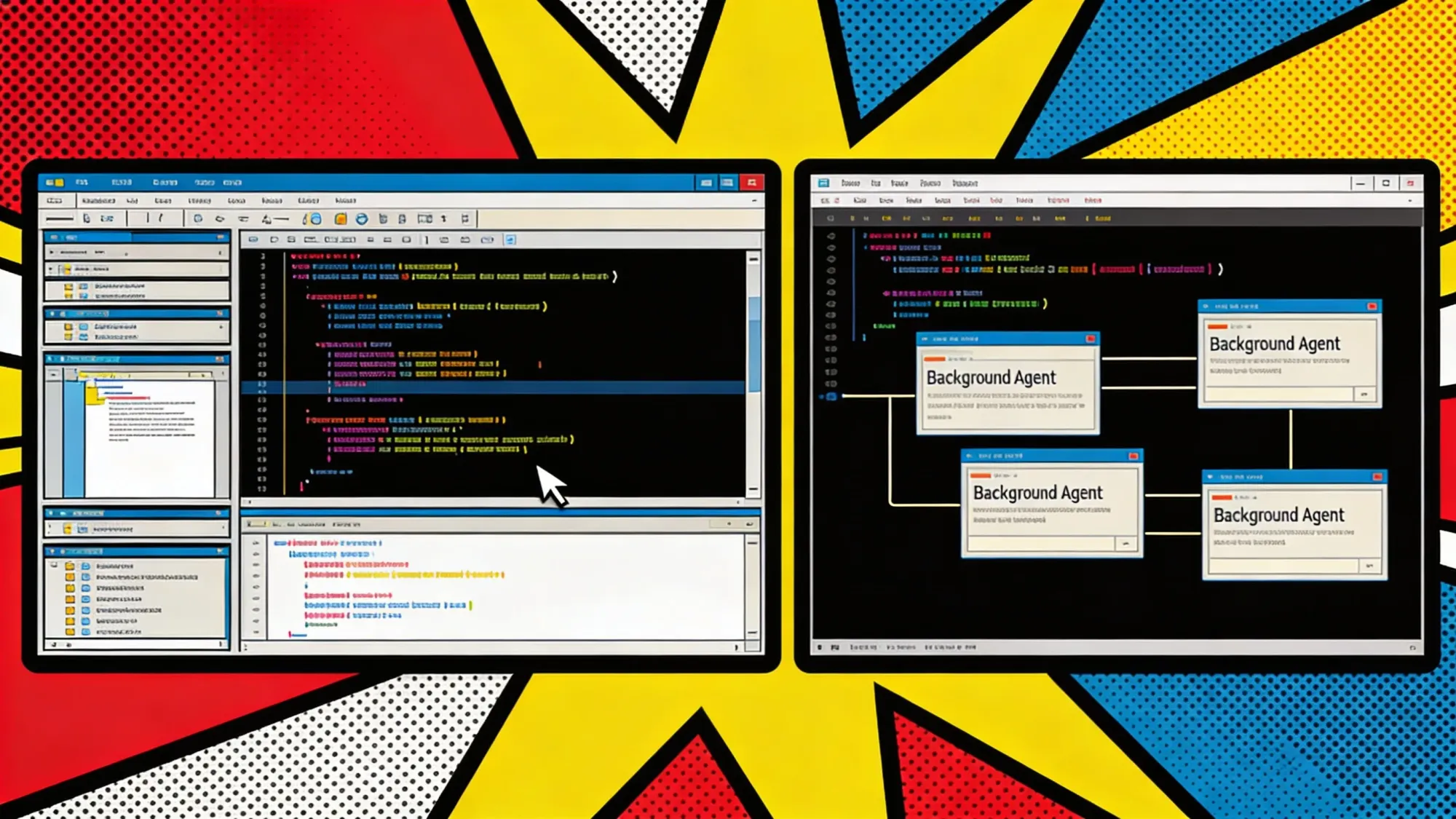
A developer adds a repository, then creates a worktree and branch for one task. A setup script can prepare that directory before an existing agent starts inside a libghostty terminal pane. Tests or a development server can run beside it. Zmx keeps the processes, layout and scrollback alive across an app restart, while pull-request status stays attached to the worktree.
Because the agent remains its familiar command-line program, its own authentication, configuration and provider relationship do not move into Supacode. The app organizes that existing process and gives it a location.
A git worktree is an additional checked-out working directory linked to the same repository, and Supacode’s workflow commonly puts the task on its own branch. It lets separate tasks modify separate working copies. That separation is not a security sandbox. Credentials, processes, network access, ports, databases and shared repository data remain exposed to ordinary user permissions. Later merge or logical conflicts are still possible.
Where Supacode fits
Supacode makes the worktree the organizing unit. Its nearest alternatives start from a broader agent environment, a visual project board or a programmable terminal.
FREE WEEKDAY MORNING BRIEFING
The AI systems shift is already underway
The Implicator Morning Briefing filters the AI news cycle to the stories worth your attention and explains their consequences. From San Francisco, every weekday at 4:45 a.m. Pacific, 7:45 a.m. Eastern.
About five minutes. No hype. No spam.
| Product | Advantage | Disadvantage or tradeoff |
|---|---|---|
| Supacode | Native macOS, real libghostty terminals, worktree-first organization, zmx persistence and shell-agent neutrality | macOS 26 floor, beta state, concentrated maintenance, FSL competing-use restriction and no independent benchmark |
| Orca | macOS, Windows and Linux support, mobile monitoring, worktrees, browser, annotated diffs, GitHub and Linear links, many CLI agents and MIT license | Broader and more opinionated agent development environment than a terminal-centered manager; no independent productivity benchmark |
| Nimbalyst | Cross-platform visual workspace, Kanban, session chaining, live monitoring, diff review, optional worktrees and free individual use | Its orchestration page centers on Claude Code and Codex and favors visual project management over a native terminal-first workflow; no comparative performance proof |
| cmux | Native Ghostty-based Mac terminal, vertical tabs, notifications, programmable browser, CLI automation, session restoration and GPL source | Flexible terminal primitives rather than a mandatory worktree lifecycle; users supply more task, branch, review and merge conventions; Mac-only |
The products organize different units of work, from terminal panes and worktrees to visual boards and broader agent environments, and the comparison does not establish a performance ranking.
Supacode’s source is available under FSL-1.1-ALv2. A competing commercial product or service is restricted, and each released version is scheduled to convert to Apache 2.0 on its second anniversary.
Attention is not adoption
The repository was created January 21, 2026. Its 2,295 stars and 298 forks on August 20 followed 249 stars in February and 1,135 by June 11.
Know someone who'd find this useful? ✉️ Email it to a friend in one click, or they can subscribe free here.
Khoi, Supabit’s publicly named founder, was the dominant repository contributor in the August 20 API snapshot with 1,595 contributions. Stefano Bertagno, a major contributor and maintainer, had 241. The gap makes the maintenance base another practical constraint around a beta app.
The Homebrew snapshot recorded 799 install events over 30 days, 6,490 over 90 days and 7,673 over the available 365-day window on August 20. Roughly 85 percent of the 365-day events occurred in the latest 90 days.
The GitHub snapshots show stars rising quickly, but the overlapping 30-day, 90-day and 365-day Homebrew windows are not separate cohorts and cannot be subtracted from one another.
Install events are not unique or retained users. Homebrew analytics can be disabled, direct DMG installations are absent, and stars measure attention or bookmarking. No public monthly-active-user, retention, revenue or productivity data was found. The figures support rapid attention and trial among Mac developers who run terminal agents, but they do not show mass adoption, retention, productivity or category leadership.
What the workspace cannot solve
The pseudonymous practitioner Dizzard found the worktree-centered layout useful but kept another terminal for remote and background work: “I still use Kitty for all my ssh sessions, logs, etc.”
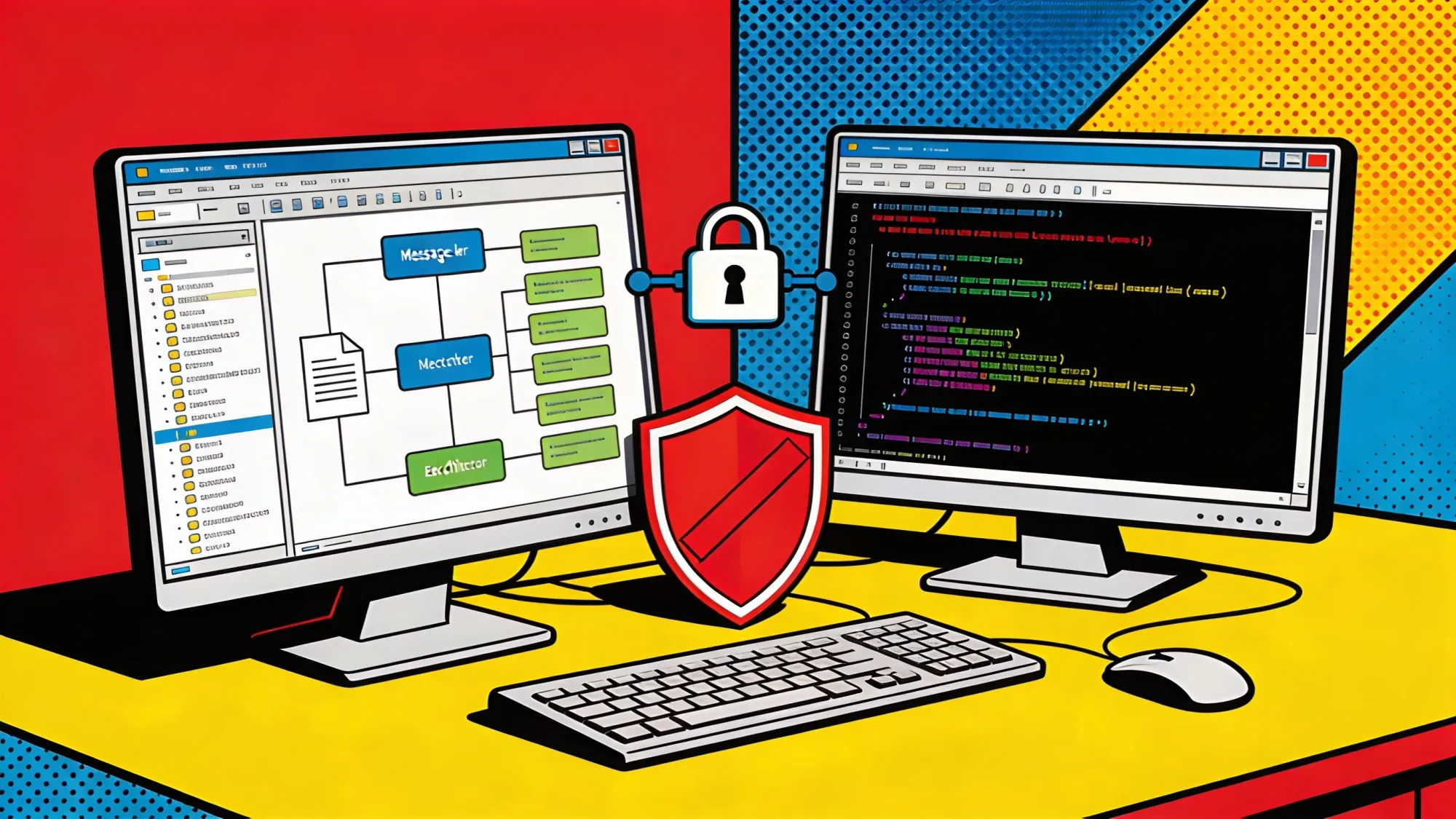
Users still supply agents, subscriptions, authentication, permissions and review discipline. Supacode cannot improve model reasoning, validate a patch, prevent insecure code or reconcile incompatible branches. Nor does the worktree boundary decide whether a proposed change belongs in the product. The human still has to inspect the diff and decide what can merge.
Its privacy disclosure covers Supacode’s own behavior, not every external agent running inside it. Dizzard was considering whether to try cmux, leaving the choice open between a worktree command center, a broader agent IDE and terminal primitives.
Frequently Asked Questions
What does Supacode do?
Supacode organizes existing command-line coding agents, terminals, branches and attention states in a native Mac workspace. It does not generate or review code itself.
Why does Supacode use Git worktrees?
A worktree provides an additional checked-out working directory linked to the same repository. Supacode commonly pairs one with a task branch so separate tasks can modify separate working copies.
Does a Git worktree isolate an agent for security?
No. A worktree separates working copies, not credentials, processes, network access, ports, databases or shared repository data. Ordinary user permissions still apply.
How large is Supacode's user base?
No public active-user or retention figure was found. GitHub stars and Homebrew install events show attention and trial, but they do not establish unique users, sustained adoption or productivity.
How does Supacode compare with Orca, Nimbalyst and cmux?
Supacode is Mac-only and worktree-first. Orca offers a broader cross-platform agent environment, Nimbalyst uses visual project management, and cmux provides flexible programmable terminal primitives.
AI-generated summary, reviewed by an editor. More on our AI guidelines.

Free AI briefing · Weekdays
The AI stories that matter, sourced and explained.
Join the Morning Briefing. It goes out every weekday at 4:45 a.m. Pacific, with later sends for the East Coast, Berlin and Tokyo.
Free when you sign up: The Paperclip Compendium, our tested guide to running AI agents.
Free. Unsubscribe in one click.

Marcus Schuler
Editor-in-Chief and founder of Implicator.ai. Former ARD correspondent and senior broadcast journalist with 10+ years covering tech. Writes daily briefings on policy and market developments. Based in San Francisco. E-mail: editor@implicator.ai