Joshua Pham spent three years building something most people didn't know they needed. Enzyme started as an Obsidian plugin, a side project he worked on nights and weekends while designing the agentic playlist architecture at Spotify. Now it sits at the center of a quiet shift in how AI tools understand human knowledge.
The pitch sounds simple: a memory layer for Claude Code that prevents the AI from getting lost in your notes. But that simplicity hides a deeper bet. Pham is wagering that raw intelligence matters less than knowing where to look.
The Breakdown
• Enzyme reads your Obsidian vault's structure, tags, and links to give Claude Code persistent memory across sessions
• Claims 2-12x token compression versus keyword search, meaning faster context and lower costs
• Local-only version exists (tested with Qwen 7B) for privacy-conscious users
• One-person operation, bootstrapped, competing against inevitable platform integration from Apple and Microsoft
The token wall
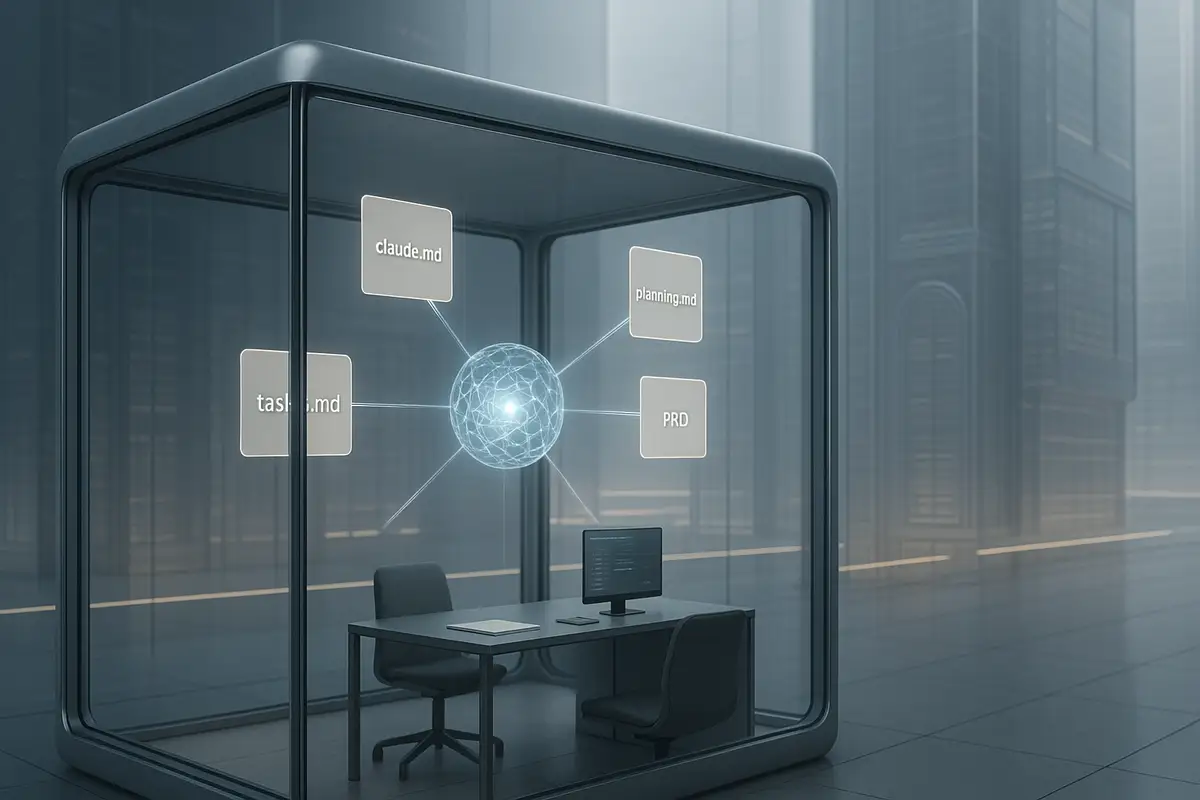
Anyone who has used Claude Code for knowledge work has hit the same wall. You open a new session, and the AI has amnesia. It doesn't remember what you worked on yesterday. It doesn't know how you organize your files. Every conversation starts from zero.
The workaround most people reach for is keyword search. Tell Claude to grep through your folders, find files that match certain terms, piece together context from scattered documents. This approach breaks down fast.
Pham explained the problem in practical terms: Claude might find one term in this file,' Pham told me, 'but you used a different word to describe it in another file. The AI just has to guess what that word is. The guessing is lossy. Connections disappear. Ideas that belong together stay apart.
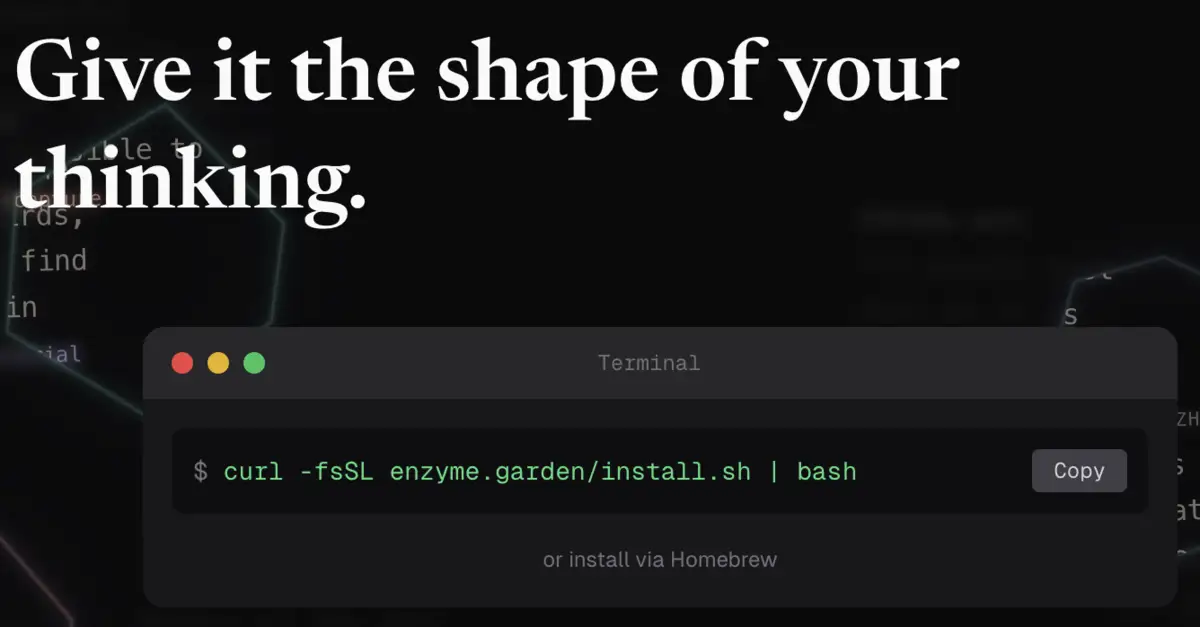
Enzyme attacks this problem differently. Instead of keyword matching, it reads the structure you've already built. Tags. Links. Folder hierarchies. The half-finished organizational systems that most Obsidian users abandon halfway through. Enzyme treats incomplete structure as intent, not failure.
The technical claim is specific: Enzyme compresses the context-gathering step by two to twelve times on token count. That's not marketing math. Twenty minutes into a session, you're either still burning tokens on context or you're actually working. Enzyme gets you to the second state faster.
Get smarter about AI.
Join 3,200+ execs and builders getting The Implicator—daily AI strategy in 5 minutes.
Subscribe Free →
A Spotify engineer's side project
Pham is 30. He lives in New York now, but his family stayed in San Jose, near Milpitas, so he flies back when he can. Before Enzyme consumed his life, he spent years at Spotify building the agentic framework behind their natural language playlist feature. That work left a mark. He learned something about the gap between what users say and what they actually mean.
He described thinking about how people describe music in different ways, and the assumptions about what they know to describe versus what the system has to fill in for them.
That same problem haunts knowledge management. People don't describe their notes in consistent language. They use different terms for the same concept across different files. They tag things inconsistently, link things incompletely, organize things according to moods that shift week to week.
Most AI tools treat this as user error. Enzyme treats it as signal.
Pham draws a parallel to his old work: making a playlist teaches Spotify your taste. Tags and links do the same thing for a knowledge system. Every small organizational choice leaves a trace.
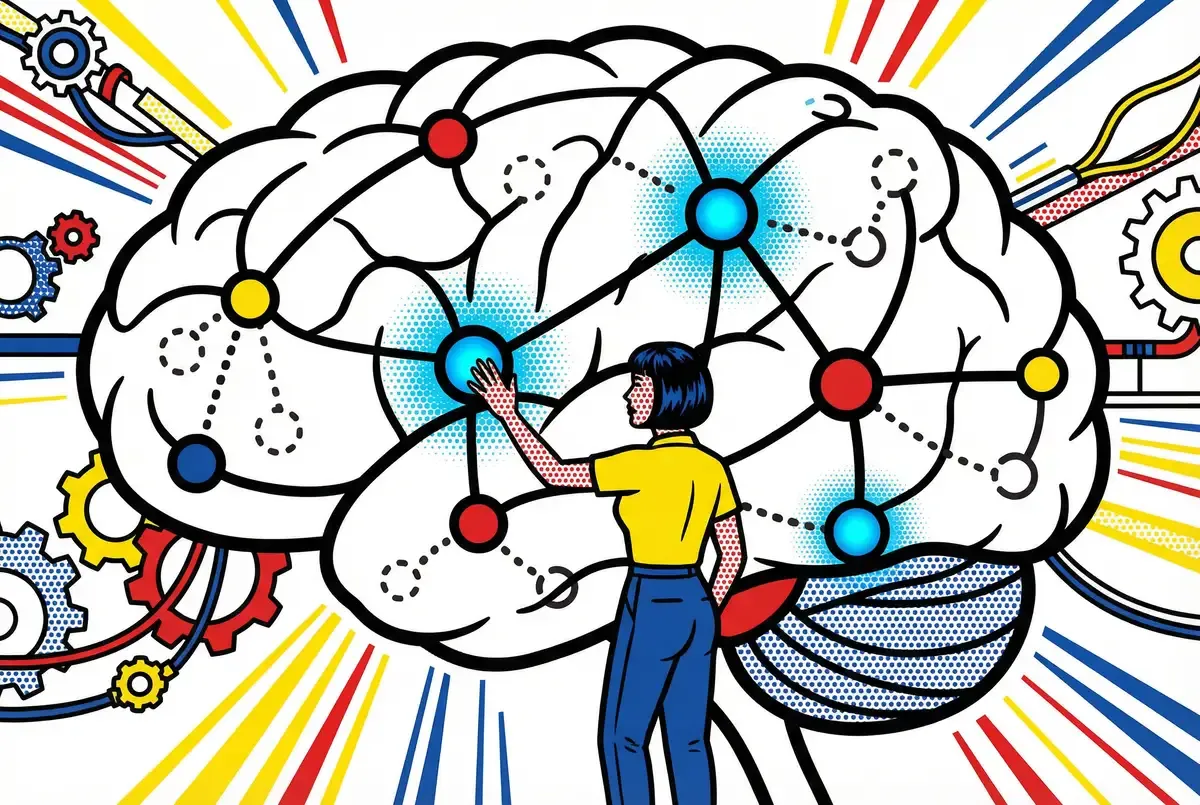
The insight is that partial organization still carries information. A tag used three times out of fifty relevant notes still tells you something. Say you tagged three notes with "pricing strategy" six months ago but wrote about the same topic in ten other notes using different language. A fact-storage system finds the three tagged notes. Enzyme finds all thirteen because it mapped the relationship when you first linked two of them together. That link was incomplete, a half-thought, but it still carried signal. Enzyme builds a graph from these fragments and surfaces what it calls "catalysts," questions and themes that emerge from your own scattered thinking.
The Obsidian moment
Obsidian has always attracted a specific type of user. Privacy-conscious. Willing to tinker. Skeptical of cloud services that lock up your data. The application stores everything as local markdown files, which means your notes remain yours even if the company disappears tomorrow.
This philosophy created a problem. Hundreds of plugins exist. Most require serious configuration time. You know the feeling if you've tried it: ten browser tabs open, three conflicting guides, a growing suspicion that the tool is smarter than you are. And if you wanted AI integration? Duct-tape solutions. Raw, unpolished options that felt like they'd been built over a weekend and abandoned.
Pham noted the friction directly: There are so many plugins to configure,' Pham told me. 'People who are trying to work with the tool need to get flying right away.' People who are trying to work with the tool need to get flying right away. They already rely on existing tools. It ends up being very hard to convince somebody who already has an established workflow to adopt something new.
Enzyme was one of the first MCP servers to launch when Anthropic released the Model Context Protocol in November 2024. Pham had been talking with the protocol's creator a week before launch. He expected immediate adoption. Nothing.
For months, nothing. Pham found himself surprised by the silence.
Then March 2025. Claude Code got better. MCP servers started getting attention. Enzyme's download numbers climbed. Pham watched from New York, refreshing the stats.
The Christmas 2025 holiday promotion accelerated everything. Anthropic lifted rate limits, and a wave of non-programmers discovered they could use terminal-based AI tools for creative work. The demographic of Claude users shifted practically overnight.
Forward this to a friend? They can subscribe here.
The privacy question
Obsidian users care about data sovereignty. Enzyme sends excerpts to AI for analysis, which creates tension with the community's values.
Pham built a local-only version. It works. It's slow, but it works. He confirmed the MEDI model and inference can all run locally, and that he tested it with Qwen 7B. Even the smaller models work well with Enzyme.
He hasn't released this version yet, but it exists. If you're the type who won't touch a tool that phones home, that matters. The bet is that local compute will keep getting cheaper while models get more efficient. A tool that runs entirely on your device, never touching external servers, is technically possible now and will only become more practical.
For users less concerned about privacy, Enzyme offers a voice component. Push your knowledge graph to Enzyme's servers, connect it to Claude, and you can talk to a representation of your Obsidian vault from your phone. Early users report it works well for capturing ideas on the go.
Pham's own workflow shows what this looks like in practice. He carries a Boox e-reader, an Android-based device the size of a phone, lighter than his actual phone. On the New York subway, offline, he reads articles he's pushed to Readwise from around the web. He highlights as he goes. Those highlights sync to Obsidian, and Enzyme digests them into his knowledge graph. A week later, he asks Claude a question that touches three different articles he barely remembers reading. Enzyme finds them.
The e-reader is a forcing function. On the subway, he reaches for it instead of his phone. No doomscrolling. Just the articles he queued up earlier, waiting to become part of the graph.
The pipeline is: push article, highlight on e-reader, sync to Obsidian, Enzyme digests. His podcast highlights go through Snipd the same way. It's a workflow he built for himself before he built Enzyme, and now Enzyme is the layer that makes the whole thing queryable.
The business model reflects these different use cases. Local MCP server on a single vault: free. Multiple vaults, memory refreshes, voice access: subscription. Pham mentioned interest in a one-time purchase option for users who want to bring their own API keys.
Beyond the note-taking app
Pham sees something bigger than an Obsidian plugin. Memory layers, he argues, have been stuck on a fundamental misconception.
He put it bluntly: most important knowledge is directional. PRDs and documents are at most evidence of evolving thinking. You need a memory that tells Claude where to look, as opposed to where the answers are.
The distinction matters. Say you tagged three notes with "pricing strategy" six months ago but wrote about the same topic in ten other notes using different language. A fact-storage system finds the three tagged notes. Enzyme finds all thirteen because it mapped the relationship when you first linked two of them together. That link was incomplete, a half-thought, but it still carried signal.
Apple and Microsoft will eventually ship system-level memory layers. Pham knows this. Both companies have been embarrassed by their AI assistant failures, Siri's stagnation, Cortana's quiet death, and they're hungry to prove they can compete. He's also watching the emergent excitement around file systems as AI-friendly interfaces. People are getting really excited about files because they're interoperable, he observed. You can hack your own workflows around them.
The question is whether Enzyme can establish itself before the platforms absorb this functionality. Pham is bootstrapping, no VC funding, just organic growth and attention to how people actually use the tool.
The incomplete map
Enzyme's setup page tells users their "half-tagged vault is enough." It's a positioning statement that doubles as a philosophy.
Most productivity tools demand perfection. Organize everything. Tag everything. Build comprehensive systems before the tool becomes useful. Enzyme inverts this. Incomplete systems still remember. Links that go nowhere still reveal threads between scattered captures.
There's something honest about this approach. Nobody maintains a perfect organizational system. Life gets in the way. Priorities shift. That half-finished tag hierarchy you abandoned six months ago still contains information about how you thought about your work. Throwing that away because it's incomplete wastes signal.
Pham isn't sure what product form factor his ideas will eventually take. He's watching how users adopt the tool, paying attention to the patterns that emerge, letting the demand shape the roadmap.
He expressed particular inspiration from non-technical users. There is so much that you can do, so much you can play around with. This idea of using language to play around with your ideas that can lead to writing. But the output doesn't have to be the writing itself.
Enzyme isn't promising to write for you. It's promising to remember how you think.
The Obsidian founders haven't reached out yet. Pham hopes they will. He sees them hitting an inflection point in a lot of different ways. They're not VC funded. They're a very small team. He has a lot of respect for how they're able to execute.
For now, Enzyme remains a one-person operation in New York, built on a bet about what memory actually means. Not storage capacity. Structure. The half-finished kind.
❓ Frequently Asked Questions
Q: What exactly does Enzyme do for Claude Code users?
A: Enzyme acts as a memory layer between Claude Code and your Obsidian vault. It reads your existing tags, links, and folder structure to give Claude persistent context across sessions, so the AI doesn't start from zero each time you open a new conversation.
Q: Do I need a perfectly organized Obsidian vault for Enzyme to work?
A: No. Enzyme is designed to work with incomplete organization. Even partial tags, abandoned folder structures, and links that go nowhere still carry useful signal. The tool treats your half-finished systems as intent, not failure.
Q: Can Enzyme run completely locally without sending data to external servers?
A: Yes, Pham has built and tested a local-only version using Qwen 7B. It's slower but functional. This version hasn't been publicly released yet, but it exists for users who prioritize data sovereignty.
Q: How much does Enzyme cost?
A: The local MCP server for a single vault is free. Premium features like multiple vaults, memory refreshes, and voice access require a subscription. Pham has mentioned exploring a one-time purchase option for users who bring their own API keys.
Q: What's the token compression claim about?
A: Enzyme claims 2-12x reduction in tokens needed for context-gathering compared to keyword search. This means faster startup times and lower API costs when using Claude Code with large knowledge bases.