IMPLICATOR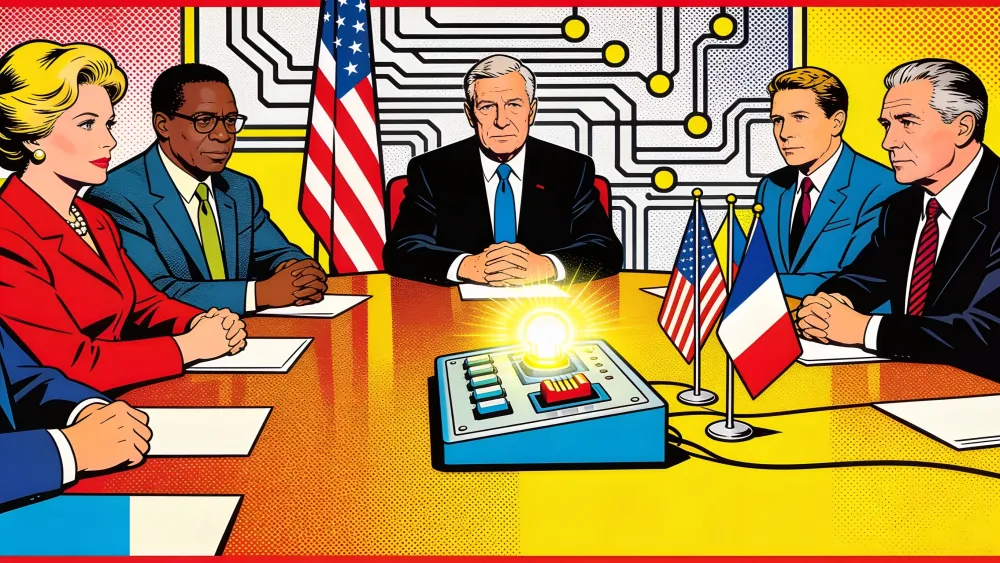
The obvious reading of Anthropic's pitch at the G7 is that Washington still gets to lead the democratic world's AI rules. But the same week Washington ordered Anthropic to bar foreign-national access to Fable 5 and Mythos 5, forcing it to disable both models for all customers, Dario Amodei's call for a U.S.-led coalition became a test of whether allies trust American access as much as American capability.
A quick look at the room suggests they might. Amodei, Google DeepMind's Demis Hassabis and OpenAI's Sam Altman sat with G7 leaders and roughly a dozen AI executives in Évian-les-Bains on Wednesday, and Amodei and Hassabis both argued for U.S.-led standards, CNBC reported. Altman asked for "an international forum for discussion that establishes globally accepted standards for testing, provides expert and impartial analysis of capabilities and risks, and serves as a venue for cooperation among nations," according to an OpenAI briefing.
Key Takeaways
- Anthropic, DeepMind and OpenAI pushed G7 leaders toward a U.S.-led AI standards forum.
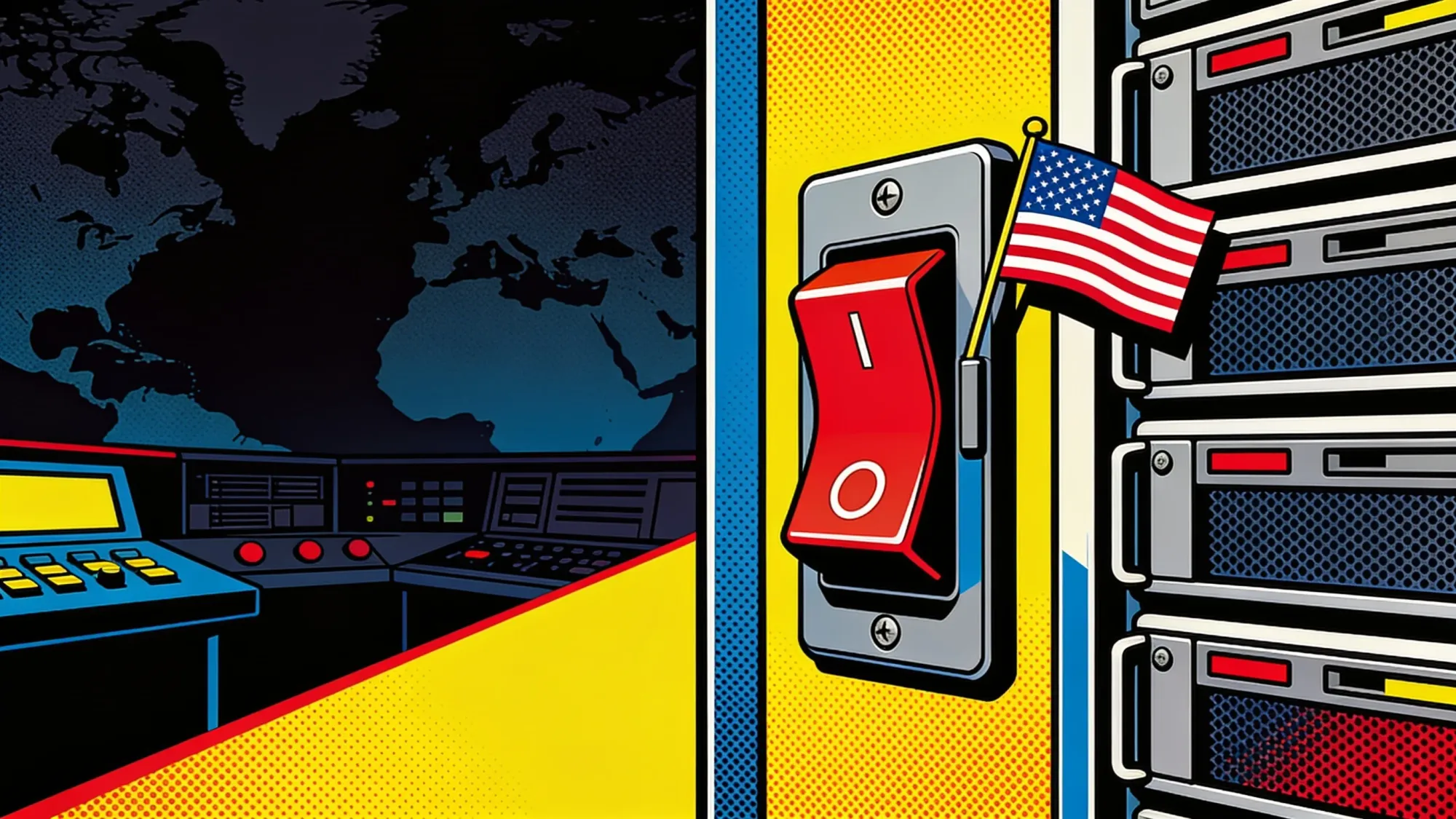
- The Fable 5 and Mythos 5 order showed allies how quickly American access can disappear.
- A trusted-partners plan could reopen access for selected countries or companies.
- September's G7 ministerial is the next test for standards and model access.
AI-generated summary, reviewed by an editor. More on our AI guidelines.
The access risk was visible in Anthropic's own timeline. It said the U.S. directive arrived at 5:21 p.m. ET on June 12 and covered foreign nationals inside and outside the United States, including foreign-national Anthropic employees. The directive's "net effect," Anthropic said, was that it had to disable Fable 5 and Mythos 5 for all customers while leaving other models online, according to its statement.
Macron supplied the counterweight to the coalition pitch. He said after the lunch that U.S. recognition of frontier-model danger was "a good thing," but called the export order a "strictly nationalist" reaction, the Associated Press reported. Carney had made the business lesson explicit earlier in the week, according to the Washington Post: "Nobody has done anything wrong in the situation. But we will have done something wrong if we just accept this, don't take the lesson, don't build out and diversify."
Anthropic's own record gives Washington evidence for caution. Implicator reported last month that Mythos Preview found more than 10,000 high- or critical-severity vulnerabilities in its first month of Project Glasswing. Anthropic's June 12 statement said Fable had been red-teamed for thousands of hours by the U.S. government, the U.K. AISI, private groups and internal teams. The same statement said the government had shown only verbal evidence of a narrow, non-universal jailbreak involving minor known vulnerabilities that other public models could identify. Anthropic said no tester had found a universal jailbreak.
Follow the AI sovereignty fight
Strategic AI news from San Francisco. No hype, no "AI will change everything" throat clearing. Just what moved, who won, and why it matters. Daily at 6am PST.
No spam. Unsubscribe anytime.
Reuters supplied the access counterproposal. G7 leaders had discussed a "trusted partners" plan that could widen access to advanced U.S. models for selected countries or companies, and Anthropic had previously given Mythos access to organizations in more than 15 countries for vulnerability scanning. Arthur Mensch of Mistral put the dependency question plainly after the lunch when he asked whether participants could be sure their counterparts could not "cut you off," the Financial Times reported.
Know someone who'd find this useful? ✉️ Email it to a friend in one click, or they can subscribe free here.
POLITICO's readout shows why the American forum still has pull. Victor Riparbelli, Synthesia's chief executive, told POLITICO that G7 countries and allies need to "band together" so they "don't let autocratic countries take the winning position." Chris Lehane, OpenAI's global affairs chief, said leaders and companies were coalescing around a democratic forum that could set standards and preserve access to frontier models.
The safety paperwork is not blank. POLITICO noted that the EU's AI law already requires frontier-model providers to test, evaluate and report risks, and the G7 has had a code of conduct for frontier AI companies since Japan's 2023 presidency. Mensch warned that standards can also become a control point. "If there's one way to establish a foothold and become unassailable in countries other than the United States, it's by owning the standards and enforcing them," he told POLITICO.
At the planned September ministerial, a testing forum would keep Washington at the center of model safety. The harder item is a trusted-partner access rule, because that is what tells allies whether American leadership comes with continuity when the next model scare reaches customers.
Frequently Asked Questions
What did Anthropic propose at the G7?
Anthropic CEO Dario Amodei and Google DeepMind CEO Demis Hassabis argued for U.S.-led international cooperation on AI standards and access, with OpenAI also backing an international testing forum.
Why did Fable 5 and Mythos 5 matter?
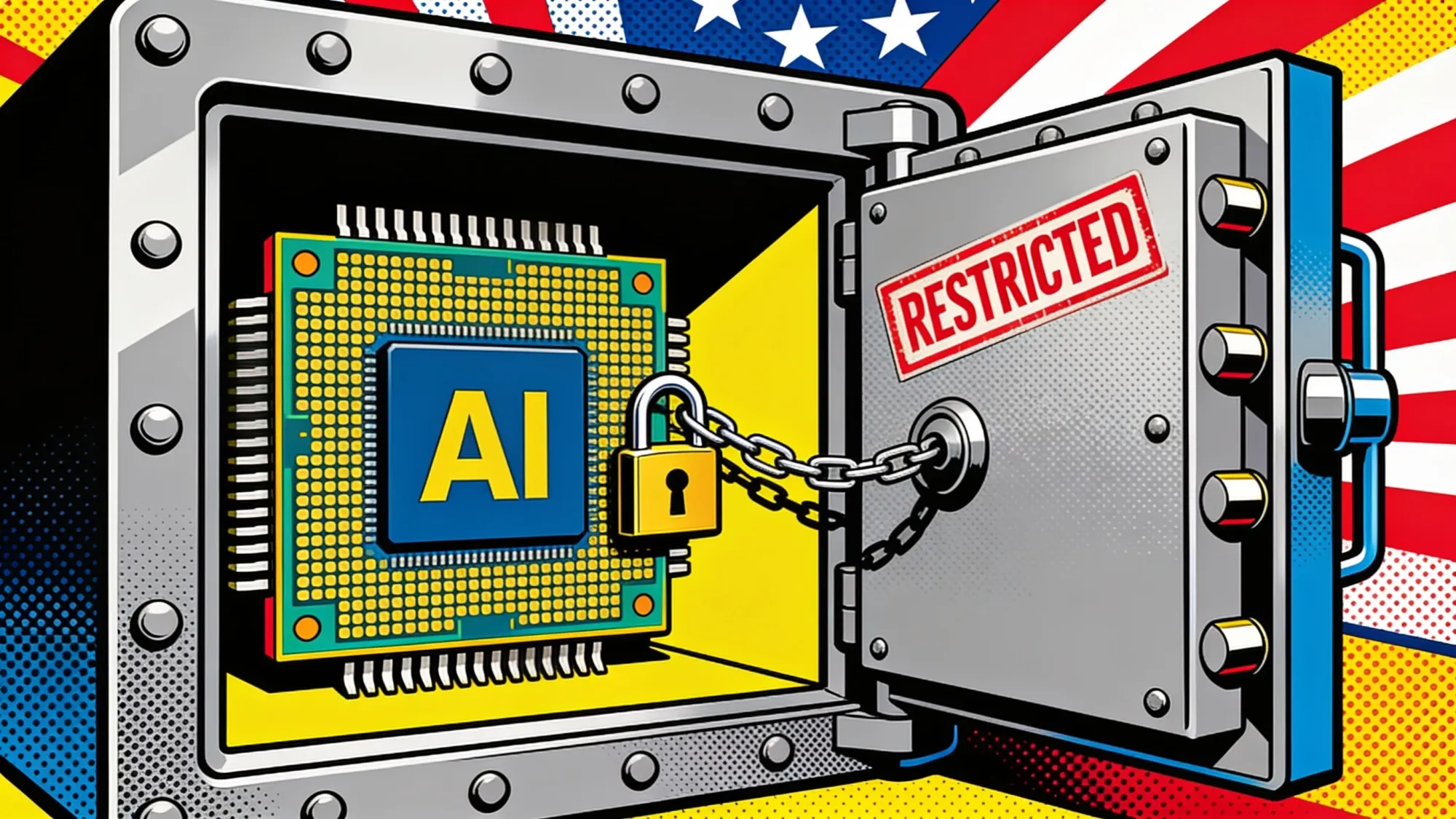
The U.S. order targeted Anthropic's newest models, citing national security concerns. Anthropic said the order covered foreign nationals and forced it to disable both models for all customers.
What is the trusted-partners idea?
Reuters reported that G7 leaders discussed giving selected countries or companies access to advanced U.S. AI models, potentially opening a route around blanket foreign-national restrictions.
Why are allies worried about U.S. AI access?
France, Canada and European officials argued that the Anthropic cutoff showed reliance on American frontier models can turn into a sovereignty risk when access changes by government order.
What happens next?
POLITICO reported that a G7 ministerial planned for September is expected to shape the forum. The key question is whether standards include standing access rules for allies.
AI-generated summary, reviewed by an editor. More on our AI guidelines.

Marcus Schuler
Editor-in-Chief and founder of Implicator.ai. Former ARD correspondent and senior broadcast journalist with 10+ years covering tech. Writes daily briefings on policy and market developments. Based in San Francisco. E-mail: editor@implicator.ai