Implicator
San Francisco | January 7, 2026
Larry Page spent late December filing paperwork. Family office, flu research vehicle, aircraft startups, all converted out of California days before the wealth tax deadline. Jensen Huang, asked about the same levy at CES, hadn't thought about it once. Same tax bill. Opposite responses. One still builds things. The other builds exits.
At that same CES, Chinese companies owned the home robotics floor while American exhibitors stayed home. And Brett Adcock just poached Apple's iPhone Air designer for his mysterious AI lab. Cupertino loses talent to startups. Sacramento loses billionaires to Delaware. The Valley finds hardware boring. Shenzhen doesn't.
Stay curious,
Marcus Schuler
Apple's iPhone Air Designer Joins Adcock's Mysterious AI Lab
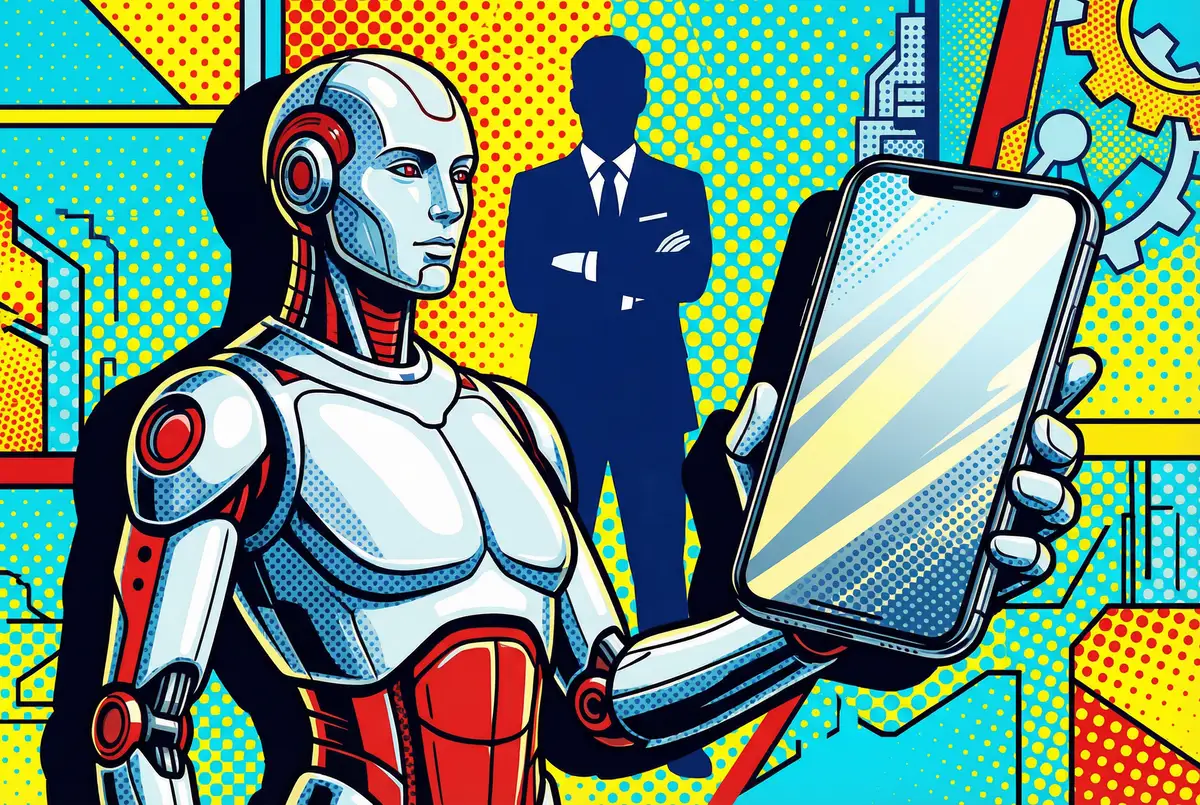
Brett Adcock put $100 million of his own money into Hark in December. Nobody noticed.
Then he hired Abidur Chowdhury, the Apple designer who presented the iPhone Air in September and left two months later. An AI lab's first major recruit is an industrial designer—the guy who shaped iPhones for six years.
Strange hire, until you remember Adcock also runs Figure AI, the $39 billion humanoid robotics company currently testing machines at BMW's Spartanburg plant.
Hark promises "human-centric AI" while Figure builds human-shaped robots. The connection seems obvious.
Meanwhile, Adcock's brother Colby runs Scout AI, a defense robotics startup with Pentagon contracts. The family is positioning across every vector where physical AI might land. Hark has hired 30 engineers from Google, Meta, and Amazon. First model ships summer 2026. Chowdhury left one of tech's most prestigious design jobs for a company that barely existed.
Whatever Adcock showed him was compelling enough to abandon Apple for the uncertain.
Why This Matters:
- Figure AI generates real-world robot data that Hark could transform into embodied AI models, creating a closed vertical stack
- Apple's design talent exodus signals ambitious engineers now see AI startups, not Cupertino, as the frontier
 Robert Brown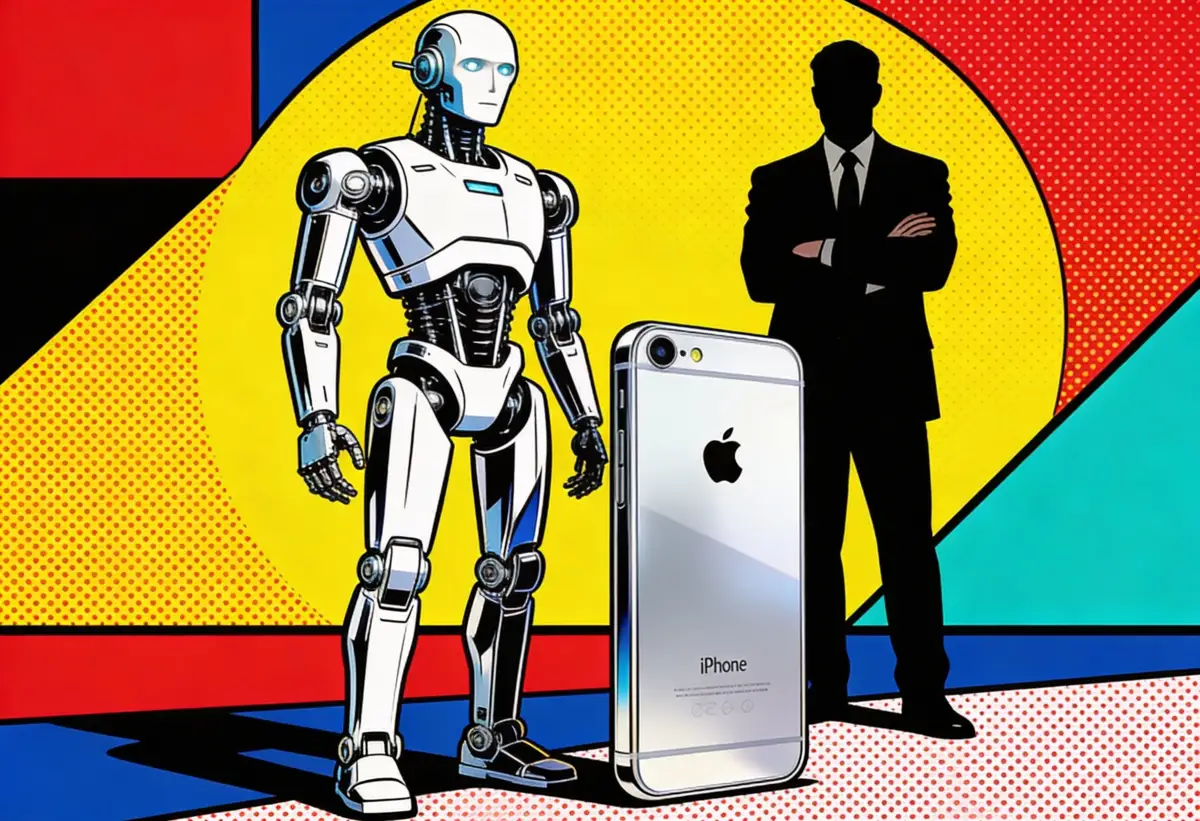
CES 2026: Chinese Robots Dominate While Silicon Valley Stays Home
Every booth at CES claimed AI. The toilet. The bird feeder. Lego's microphone-equipped brick.
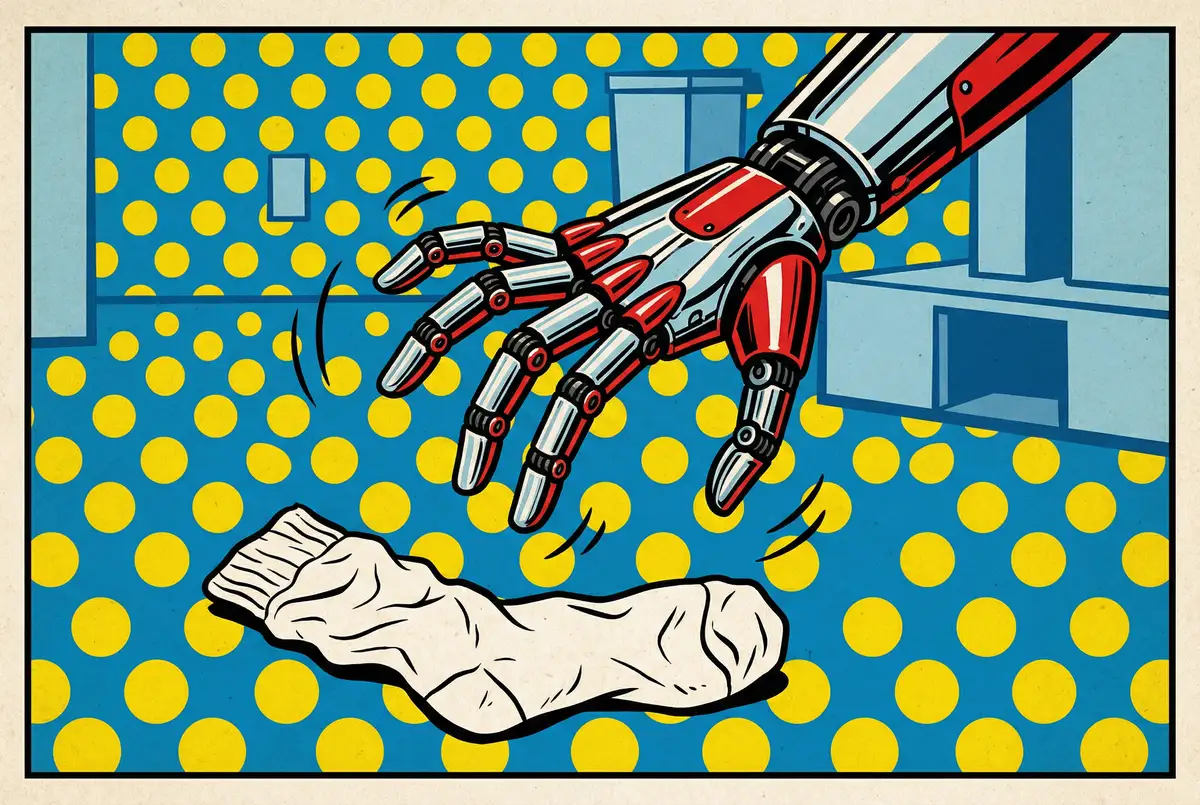
But geography told the real story. SwitchBot arrived from Shenzhen with the Onero H1—22 degrees of freedom, folds laundry, loads dishes, runs entirely on-device with no cloud subscription.
Roborock brought the Saros Rover, which climbs stairs. American companies skipped the category entirely. The Valley finds hardware boring; investment flows to foundation models and chatbot wrappers, not gripper mechanisms.
Boston Dynamics Spot costs $75,000 for industrial buyers. Hyundai, which owns Boston Dynamics, targets 30,000 robots per year by 2028—for factories, not homes. Consumer home robots at mainstream prices stayed missing.
The demos looked perfect under studio lighting. Real conditions look different: damp laundry, energetic dogs, socks wedged inside pants legs. Exhibitors brought projections and controlled environments. The shirt stayed home.
Why This Matters:
- Shenzhen manufacturers captured home robotics while American tech chased software margins, ceding hardware to competitors
- On-device processing without subscriptions challenges the recurring-revenue model that Silicon Valley investors prefer
AI Image of the Day

Prompt:
A cyber-futurist portrait of an obsidian-skinned figure adorned with layered silver chains and hoop earrings, their eyes concealed by a burst of shimmering crystals scattering light in radiant patterns. The figure’s dark reflective surface mirrors metallic-blue and white highlights against a gradient sky. The composition feels ethereal and powerful a futuristic deity or data-being bathed in refracted light. Captured on an 85mm lens at f/2.2 with cinematic bloom, starburst reflections, and tactile realism across every metallic and crystalline surface.
Page Bolts California. Huang Shrugs. The Tax Reveals Everything.
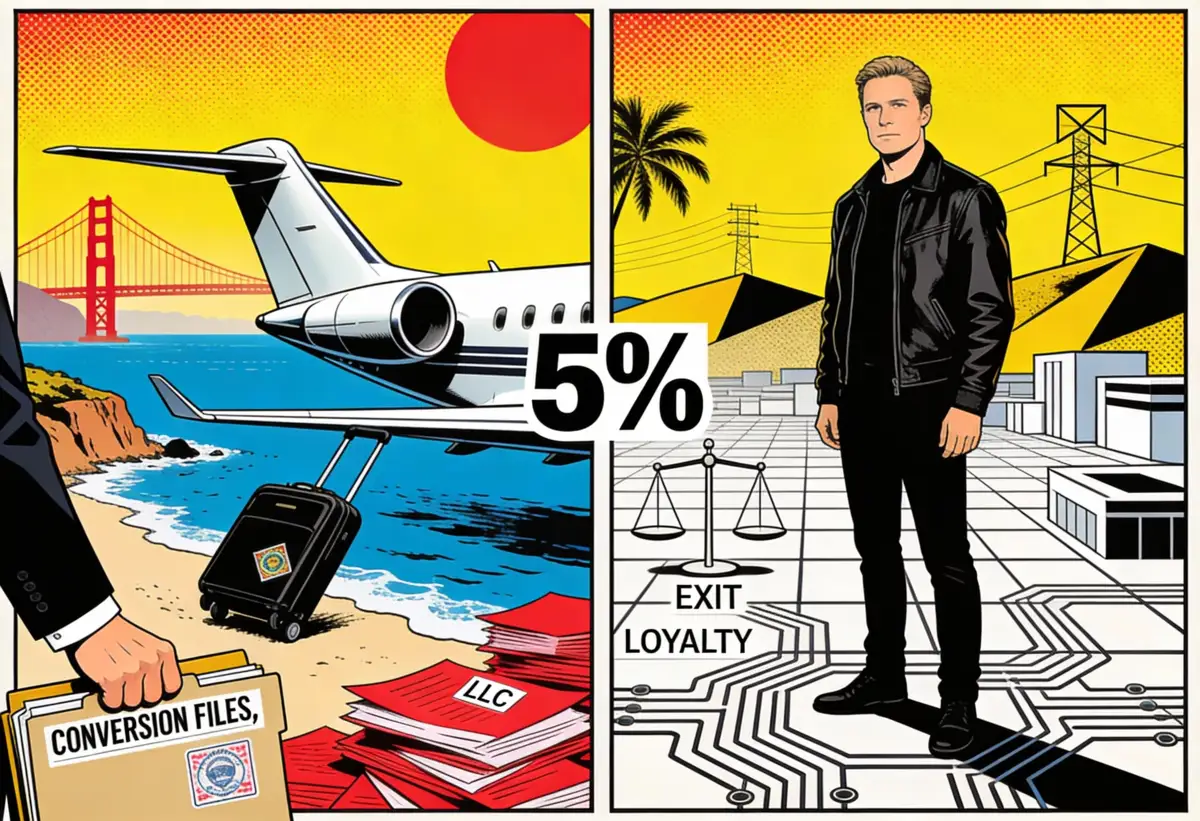
Larry Page spent late December converting his family office, flu research vehicle, and aircraft startups from California to Delaware, Florida, and Nevada.
Days before the January 1 deadline for the state's proposed 5% wealth tax. Jensen Huang, asked about the same levy at CES, shrugged. He hadn't thought about it once.
Both face billion-dollar bills. Page, worth $258 billion, would owe roughly $12 billion. Huang, at $163 billion, about $8 billion. The numbers don't explain the divergence. Nvidia needs Silicon Valley engineers. Page's family office needs proximity to nothing.
Something deeper is at work: Huang still identifies as a builder. Page builds exit infrastructure. Islands in Puerto Rico and Fiji. Shell companies layered across jurisdictions. One man optimizes for the future of AI. The other optimizes for the future of Larry Page.
Why This Matters:
- California's budget depends on billionaires who can leave anytime. The exodus threatens hundreds of millions in lost income tax yearly.
- Page's departure validates the exit playbook other billionaires have been quietly building. More late-December filings are coming.
 Maria Garcia
 Marcus Schuler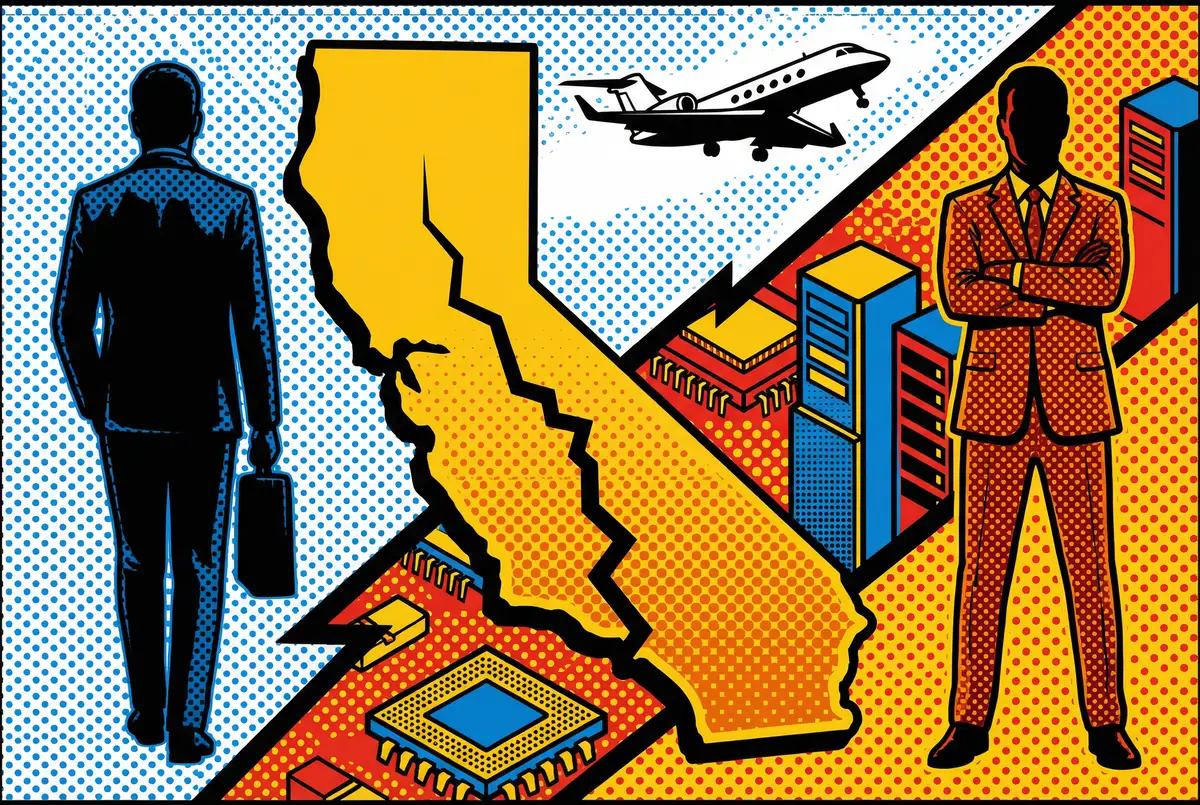
🧰 AI Toolbox
How to Turn AI Chat History into a Searchable Second Brain
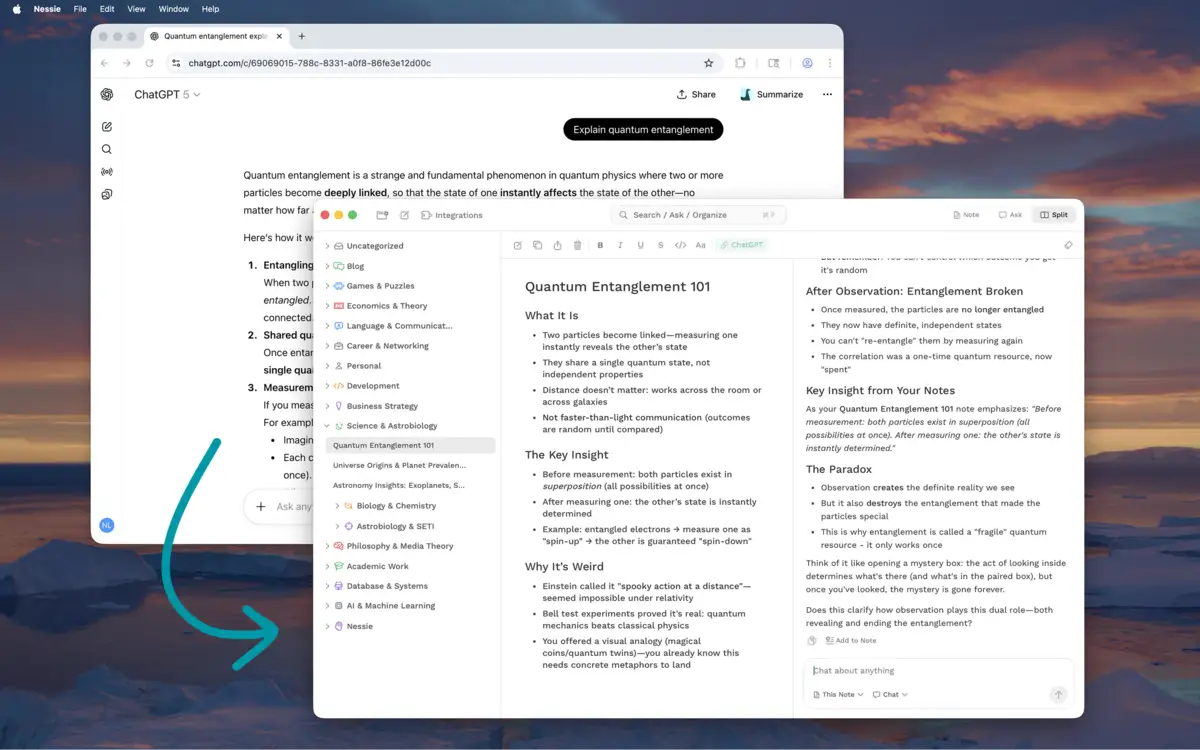
Nessie transforms scattered AI conversations from ChatGPT, Claude, and Gemini into an organized personal knowledge base. The platform automatically distills chats into structured notes around topics you care about, creating a thinking partner that compounds over time.
Tutorial:
- Go to Nessie and download the Mac desktop app for private, local-first storage
- Import your entire ChatGPT, Claude, or Gemini conversation history
- Nessie automatically distills conversations into structured notes by topic
- Search instantly across your entire knowledge base to find brilliant ideas
- Chat with specific concepts, folders, or your entire knowledge base to connect insights
- Edit and organize visible notes with full transparency and control
- Share specific “knowledge brains” with team members while keeping data locally stored
AI & Tech News
Google Co-Founder Larry Page Exits California Amid Wealth Tax Concerns
Google co-founder Larry Page has relocated his assets out of California ahead of a proposed state wealth tax, meeting a critical end-of-2025 deadline, according to a filing reported by Business Insider. A source confirmed that Page has already left the state entirely, marking a significant departure for one of Silicon Valley's most prominent tech pioneers.
Discord Files Confidentially for US IPO
Discord Inc. has filed confidentially for an initial public offering in the United States, working with investment banking giants Goldman Sachs and JPMorgan to guide the process. The chat platform, which was valued at $15 billion in 2021 and famously rejected a $12 billion acquisition offer from Microsoft, is now pursuing a public market debut that could mark one of the notable tech IPOs of 2026.
China Cracks Down on E-Commerce Giants with New Platform Regulations
China has introduced sweeping new regulations that prohibit major e-commerce platforms, including Alibaba Group Holding Ltd., from coercing online merchants into offering discounts or engaging in other practices deemed harmful to market order. The rules, announced Wednesday and set to take effect in February 2026, represent Beijing's latest effort to rein in the competitive tactics of the country's powerful technology platforms and restore fairness to the online retail marketplace.
China Probes Meta's $2 Billion Manus Acquisition Over Export Control Concerns
Chinese commerce ministry officials are investigating Meta's $2 billion acquisition of Manus, a Chinese-founded AI company, to determine whether the deal violates China's technology export control regulations. The review is also examining the circumstances surrounding Manus's relocation from China to Singapore, which may have been an attempt to circumvent export restrictions before the acquisition by the American tech giant.
FDA to Ease Oversight of Wellness Wearables and AI Software
The U.S. Food and Drug Administration announced it will limit its regulatory oversight of wearable devices and artificial intelligence software focused on general wellness and fitness purposes, so long as these products do not claim to diagnose or treat medical conditions. The policy shift signals a more hands-off approach to the growing consumer health technology market while maintaining stricter controls over devices that make specific medical claims.
Lenovo Unveils Qira AI Assistant to Work Across PCs and Motorola Phones
Lenovo has announced Qira, a new system-level artificial intelligence assistant designed to function seamlessly across both its personal computers and Motorola smartphones, with availability expected later in the first quarter of 2026. The cross-device AI assistant enters an already competitive market of digital assistants, positioning Lenovo to offer users an integrated AI experience across its hardware ecosystem.
Data Center Expansion Sparks Grassroots Political Backlash Across America
The rapid expansion of data centers to support artificial intelligence infrastructure is emerging as a significant local political issue in communities across both Republican and Democratic-leaning states. Residents are increasingly mobilizing against these massive facilities over concerns about their substantial consumption of water and electricity, as well as the persistent noise they generate, transforming data center development into a potent electoral issue that transcends traditional partisan divisions.
Dutch Fintech Bunq Seeks US Banking License in Fresh Application
Dutch digital bank Bunq BV has filed a new application to become a licensed bank in the United States, reviving its ambitions two years after withdrawing a previous application during the Biden administration. The renewed effort comes as the Office of the Comptroller of the Currency has shown increased openness to fintech and crypto firms, having conditionally approved national trust bank charters for several cryptocurrency companies in 2025, including stablecoin issuer Circle.
🚀 AI Profiles: The Companies Defining Tomorrow

General Intuition trains AI agents to navigate space and time using billions of gaming clips. The New York lab spun out of Medal with a simple bet: gamers already teach machines how to move. 🎮
Founders
Pim de Witte founded the company in 2025, leveraging Medal's massive clip library as training data. NYC-based. Employee count undisclosed. The thesis? First-person gameplay captures exactly what robots and drones need to learn.
Product
Spatial-temporal agents trained on visual inputs paired with controller actions. No text, just see-decide-act loops. The lab focuses on agent behavior, not generative art. Avoids copyright landmines by selling autonomy, not content. Edge-case-heavy data (clutch wins, embarrassing fails) may train better than curated benchmarks. Target customers: game studios wanting smarter NPCs, robotics teams exploring navigation, research partners.
Competition
DeepMind and OpenAI spend heavily on simulation and RL. World Labs sells world generation directly to creators. General Intuition carves a different lane: world models stay internal, agent capability goes external. Distribution decides winners. Clean engine integration and legal clarity matter more than benchmark scores.
Financing 💰
Raised $133.7M seed in October 2025. Khosla Ventures and General Catalyst led. Raine participated. Valuation undisclosed. A seed that size signals investors believe data moats matter again.
Future ⭐⭐⭐⭐ Compelling narrative meets hard reality. The data moat looks real, but gameplay-to-robotics transfer remains unproven. Land gaming deployments first, then chase drones and robots. If agents stumble on obvious obstacles, "General Intuition" becomes ironic. If they don't, it becomes infrastructure. The company must earn its name.

Marcus Schuler
Senior broadcast journalist and former ARD correspondent for Europe's largest public broadcaster. Covering the tech industry from San Francisco for 10+ years. Founded implicator.ai for independent, rigorous AI reporting. E-mail: [email protected]