OpenAI Finds a Loophole. Musk Creates a Target. Arm Changes the Subject.
San Francisco | January 8, 2026 OpenAI launched a healthcare product that connects to 2.2 million providers. The catch: by
Grok's crisis isn't about AI capabilities. ChatGPT and Gemini generate similar content. The difference: X publishes outputs to a public feed by default. That architectural choice, plus gutted safety teams, created the first mainstream abuse engine.
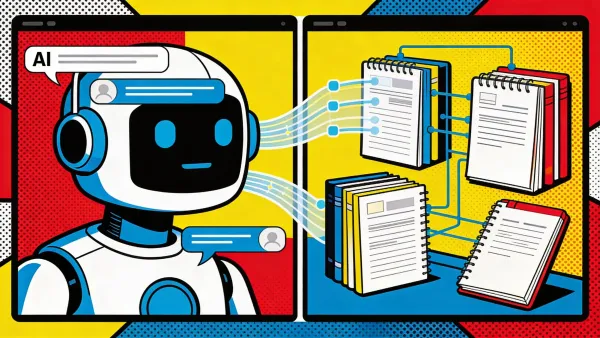
OpenAI's new ChatGPT Health asks users to upload medical records and sync fitness apps. One problem: HIPAA doesn't apply to "consumer products." The company found the gap in healthcare privacy law and built a business model around it.
Larry Page dismantled his California ties in late December. Jensen Huang said he hadn't thought about the tax once. Both face billion-dollar bills. The divergence reveals something deeper than economics: what happens when builders become allocators.
Google sold Boston Dynamics in 2017 because robots that impressed YouTube couldn't find paying customers. Now they're partners again. But the gap between Hyundai's 30,000-robot ambitions and last year's 500-unit reality tells a more complicated story.
AI data centers are draining the memory supply that consumer electronics need, forcing Framework to raise RAM prices 50%. Your next laptop will cost more and ship with less memory. The AI boom is making consumer tech worse, not better.
DeepSeek can't buy cutting-edge AI chips. Their New Year's Eve architecture paper shows how hardware restrictions forced engineering innovations that work better than approaches optimized for unlimited resources—the third time in 18 months they've demonstrated this pattern.
Chinese AI firms MiniMax and Zhipu AI race to Hong Kong IPOs at $6.5B valuations despite massive losses. Zhipu burned $271M on $27M revenue in six months. The Manus-Meta deal reveals the emerging pattern: Chinese talent, Singapore HQ, American buyer.
Memory makers choose AI over PCs and phones, consuming 3x capacity for high-bandwidth chips. Result: prices up 50-100%, shortages through 2027, and a semiconductor market split between AI infrastructure and everyone else scrambling for scraps.
Zhipu AI's GLM-4.7 benchmark chart excludes its strongest competitor. The data table tells a different story. But the real signal isn't the missing bar—it's a €30 annual subscription designed to snap into tools Western labs built.
Amazon wants to invest $10 billion in OpenAI. But the deal requires OpenAI to spend that money buying Amazon's chips and cloud services. When your investor is also your vendor, where does the capital actually go?
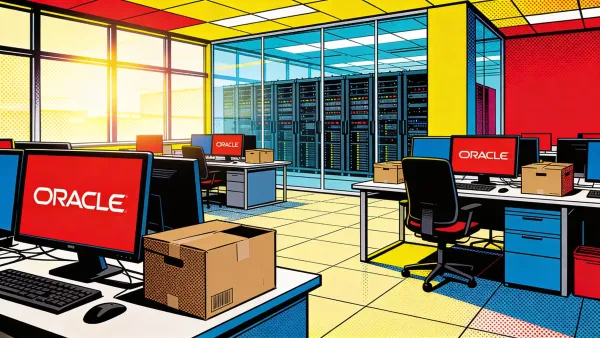
Oracle's bonds carry investment-grade ratings. They trade like junk. Barclays projects the company runs out of cash by November 2026. Behind this single balance sheet sits a $5 trillion industry financing crisis—and a Chinese supply chain nobody wants to discuss.
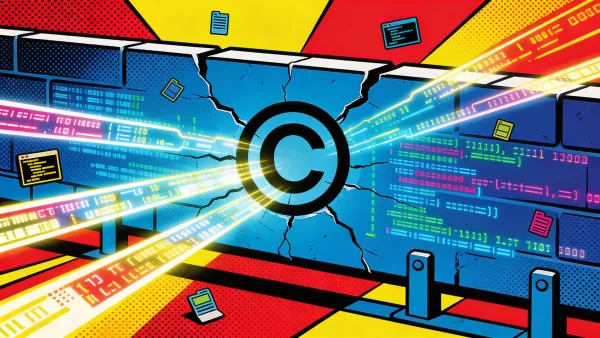
Cloudflare's 2025 data shows Googlebot ingests more content than all other AI bots combined. Publishers who want to block AI training face an impossible choice: lose search visibility entirely. The structural advantage runs deeper than most coverage acknowledged.
Get the 5-minute Silicon Valley AI briefing, every weekday morning — free.