Anthropic Faces Friday Deadline to Drop AI Safeguards or Lose Pentagon Contract
Hegseth tells Amodei to drop Claude's safety guardrails by Friday or face supply chain risk designation and Defense Production Act.
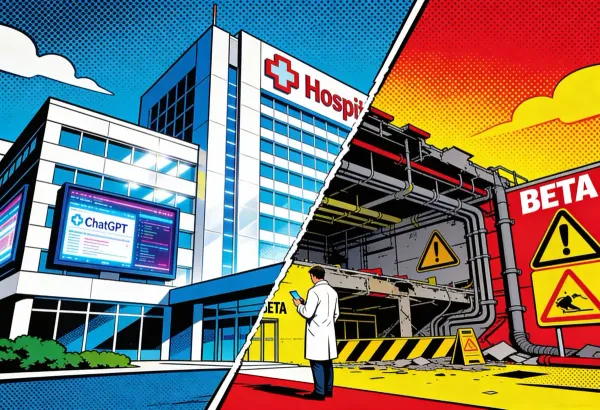
Boston Children's Hospital is deploying OpenAI's new healthcare product. The executive leading the rollout says an AI casualty is "very likely." He's doing it anyway. The math behind that decision reveals how hospitals are thinking about risk.
Google and Character.AI settled lawsuits from families of teenagers who died after talking to chatbots. No liability admitted. No trial. The first AI harm settlements reveal what the industry fears most: discovery.
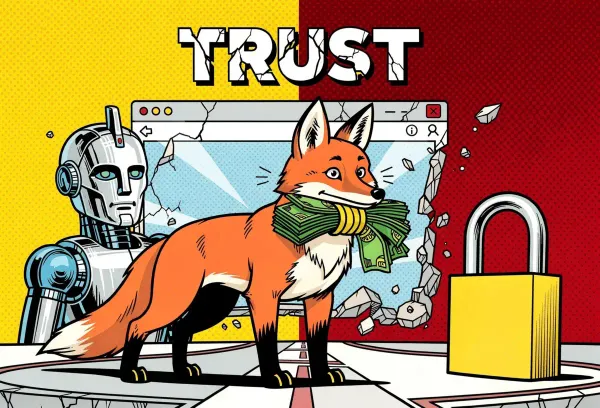
OpenAI's new ChatGPT Health asks users to upload medical records and sync fitness apps. One problem: HIPAA doesn't apply to "consumer products." The company found the gap in healthcare privacy law and built a business model around it.
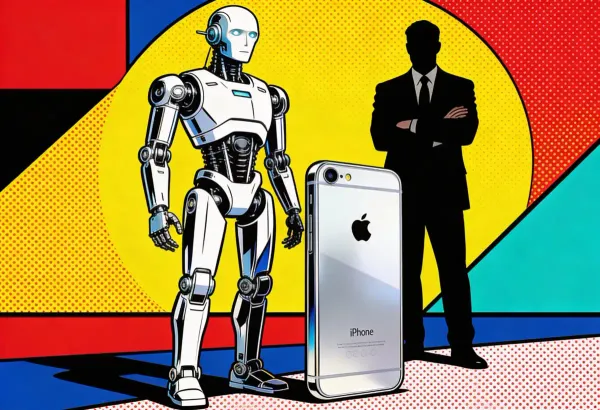
Brett Adcock's new AI lab Hark just poached Apple's iPhone Air designer. Why does an AI company need an industrial designer as its first major hire? The answer may lie in Adcock's $39 billion robotics company—and his family's quiet expansion across physical AI.
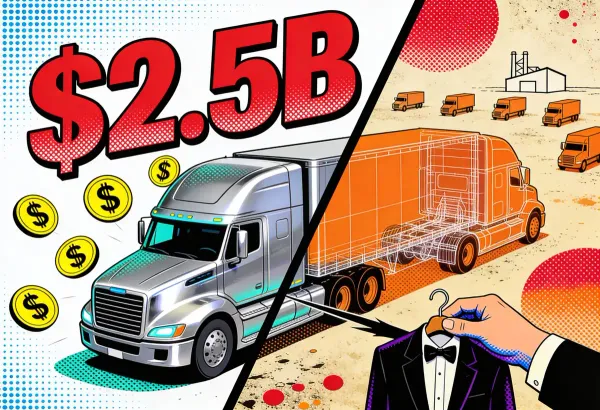
Three months after a $2.5 billion SPAC, Kodiak announces it needs Bosch to manufacture its autonomous trucks. The partnership reveals the gap between building software and building a business—and what happens when scaling meets reality.
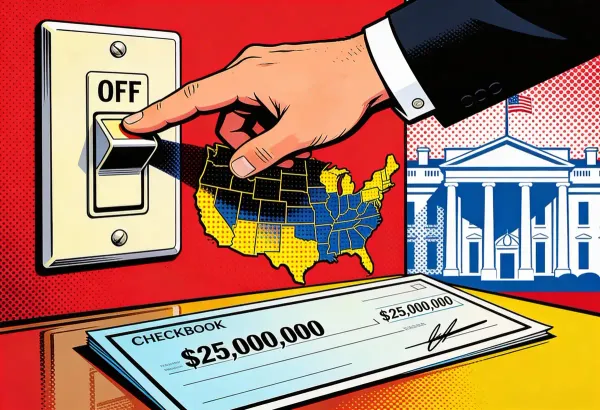
Greg Brockman wrote a $25 million check to Trump's super PAC eight days after a White House dinner. Three months later, Trump signed an order blocking all state AI regulation. For the cost of a seed round, OpenAI bought a federal off-switch.
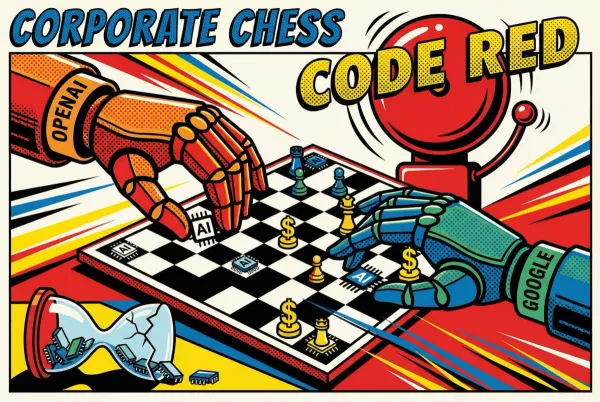
OpenAI is merging teams and rushing a March audio model, but the real goal isn't better voice. It's preventing a future where ChatGPT becomes the engine but not the car—powerful technology that users access through competitors' devices.
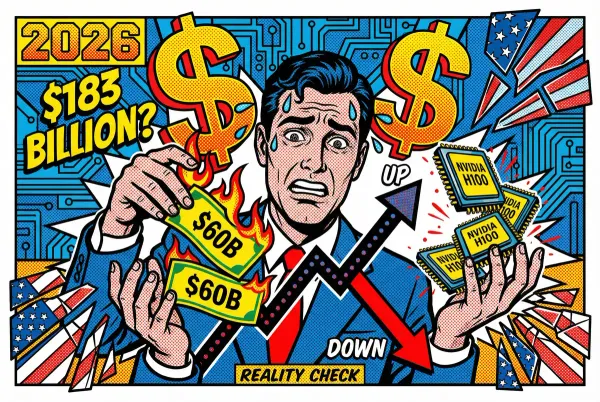
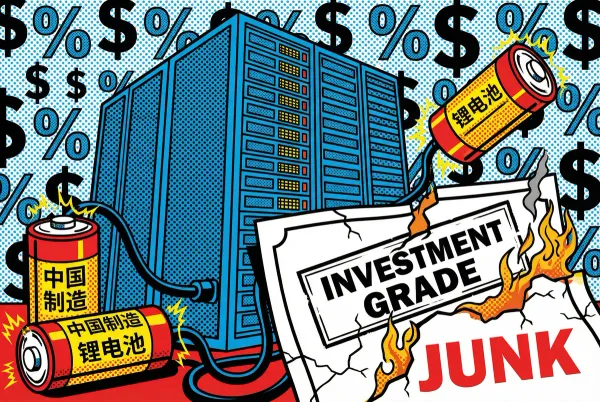
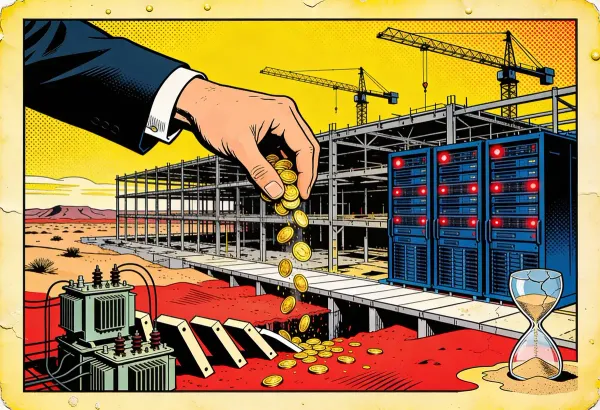
OpenAI burns $17 billion annually while Anthropic eyes $300B valuation. Can AI companies bridge the gap between investor hype and actual profits? 2026 tests whether impressive technology becomes sustainable business—or just expensive demos.
Nvidia paid $20 billion for Groq's technology and hired its leadership. But it's not an acquisition, according to Jensen Huang. The licensing deal structure has become Silicon Valley's preferred method for absorbing competitors while avoiding regulatory scrutiny.
Marissa Mayer raised $8 million for her new AI startup. OpenAI raised $11 billion. That gap tells the real story—and so does the $20 million she burned at Sunshine, which managed just 1,000 downloads across multiple products over seven years.
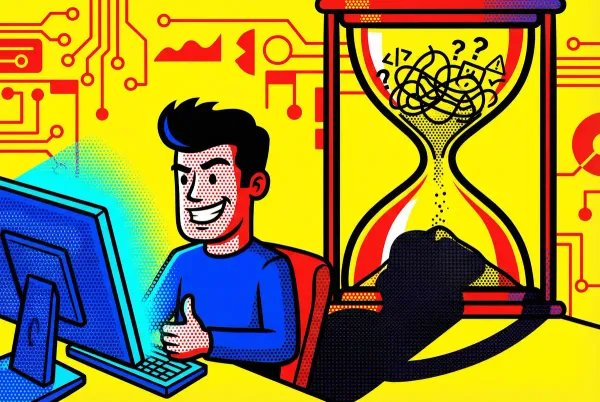
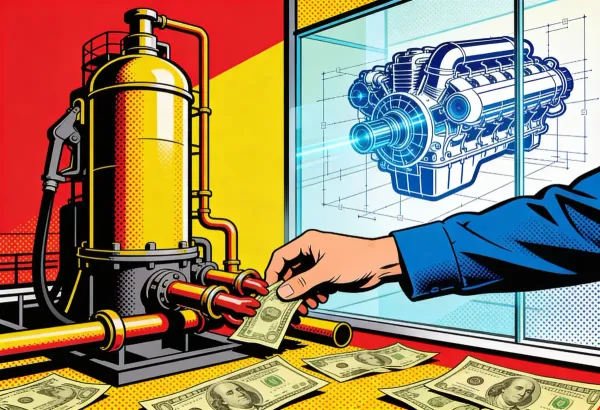
Cursor just paid a premium for a code review startup to fix what it calls the new bottleneck in software development. But a July 2025 study using Cursor's own tools found AI made experienced developers 19% slower. The math gets uncomfortable from there.
Zuckerberg paid $14 billion for Scale AI's founder to lead Meta's AI push. But Wang built a data labeling company, not a research lab. The Financial Times reports tensions mounting as Turing Award winner Yann LeCun heads for the exit.
Get the 5-minute Silicon Valley AI briefing, every weekday morning — free.