 IMPLICATOR
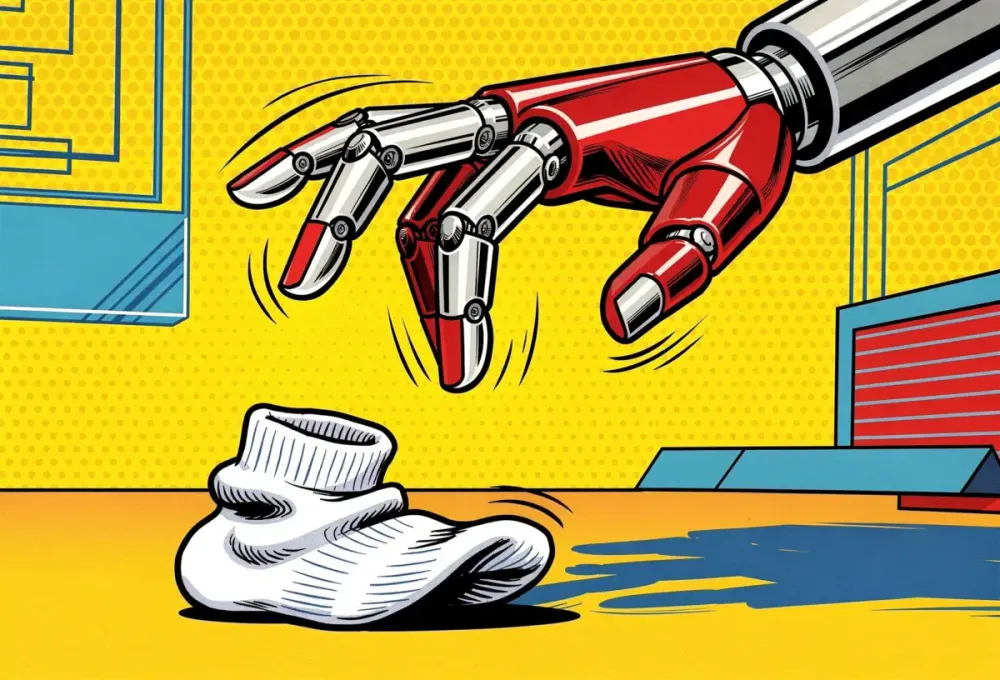
Every booth at CES 2026 trumpets artificial intelligence. The pool cleaner. The toilet. The bird feeder. Lego brought a brick with a microphone in it. One analyst wandered the floor all day and came back tired. "Everything is AI now, so nothing is AI," he said, which about sums it up.
AI went from selling point to checkbox sometime in the last eighteen months. Wi-Fi made the same trip a decade back. Touchscreens before that. Features that show up everywhere stop mattering. What matters is whether they do anything.
CES offered mixed evidence on that question.
The Breakdown
• Chinese companies (SwitchBot, Roborock, Mammotion) dominated home robotics while American exhibitors skipped the category entirely
• Boston Dynamics Spot costs $75,000 for industrial buyers; consumer home robots remain "two years away" after eight years of promises
• AI gadgets split into cheap gimmicks or enterprise pricing—mainstream products at normal prices stayed missing from the floor
• Underlying business model: sensors collecting data beyond stated purpose, from pet feeders with night-vision cameras to Lego bricks with microphones
The Chinese robot invasion you weren't watching
Geography mattered more than technology on the show floor. Home robotics drew crowds. Chinese companies owned the space.
SwitchBot came from Shenzhen with the Onero H1, a wheeled thing with two arms and no legs, 22 degrees of freedom total. Folds laundry. Loads dishes. Roborock brought the Saros Rover, which climbs stairs. People have wanted that for years. Mammotion had a pool cleaner that crawls out of the water by itself when it needs charging. Narwal showed off something called "AI treasure mode" on their vacuum. Spots jewelry on your floor, steers around it.
Where were the American companies? Not there.
The Valley finds hardware boring. You can see it in the investment patterns, the conference lineups, the job postings. Foundation models get funded. Chatbot wrappers get funded. Gripper mechanisms and injection-molded housings don't generate the same excitement. So Shenzhen took the category. LG, which is Korean, showed a concept video of a home robot at CES. SwitchBot showed an actual robot actually folding shirts.
Training a vision model to recognize laundry requires compute. Building an arm that picks up a wet towel without fumbling requires something else: mechanical engineering, tolerance testing, years of prototypes that didn't work. Chinese manufacturers ground through that work while American labs wrote papers about transformers.
Get Implicator.ai in your inbox
Strategic AI news from San Francisco. No hype, no "AI will change everything" throat clearing. Just what moved, who won, and why it matters. Daily at 6am PST.
No spam. Unsubscribe anytime.