IMPLICATOR
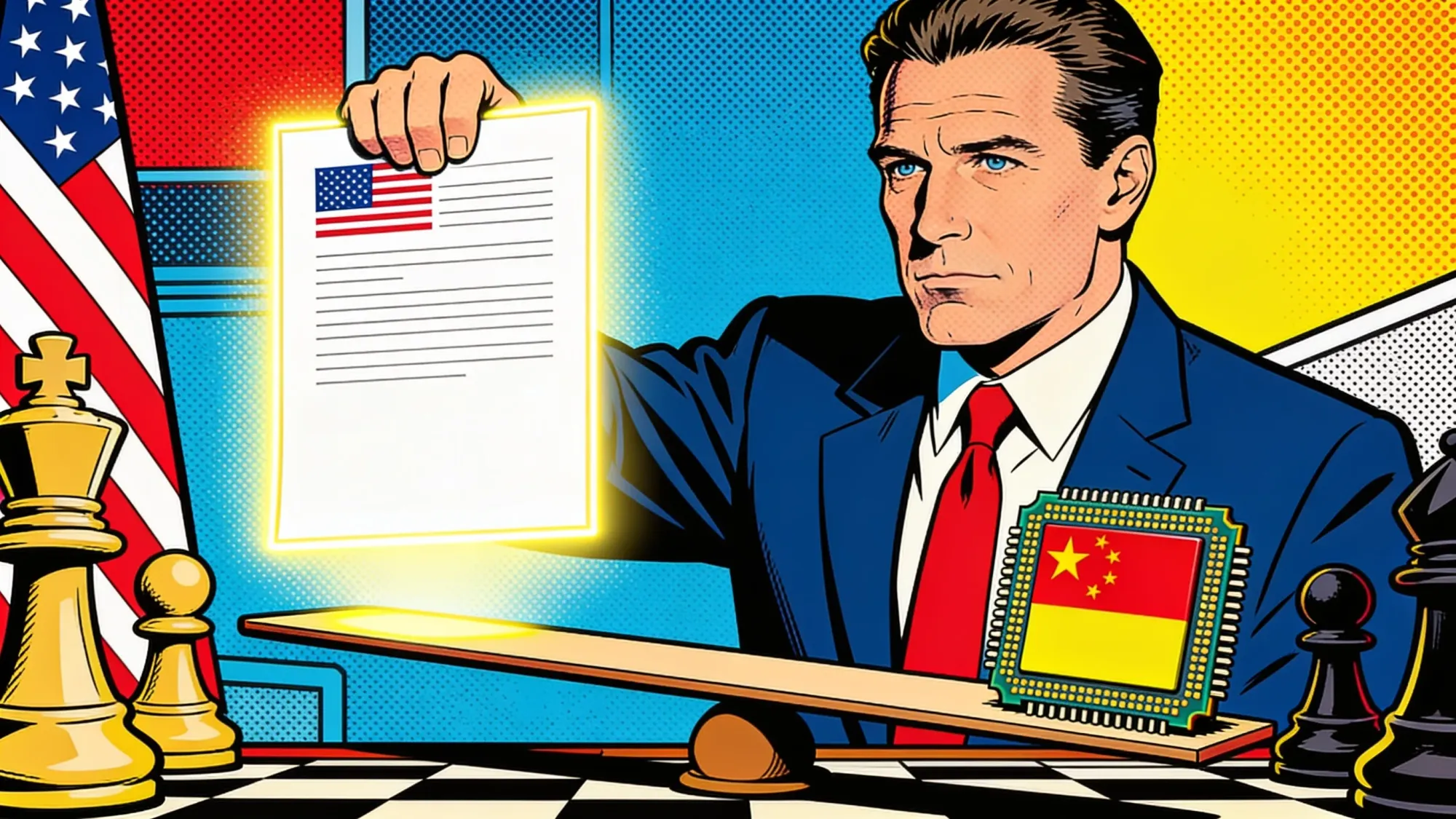
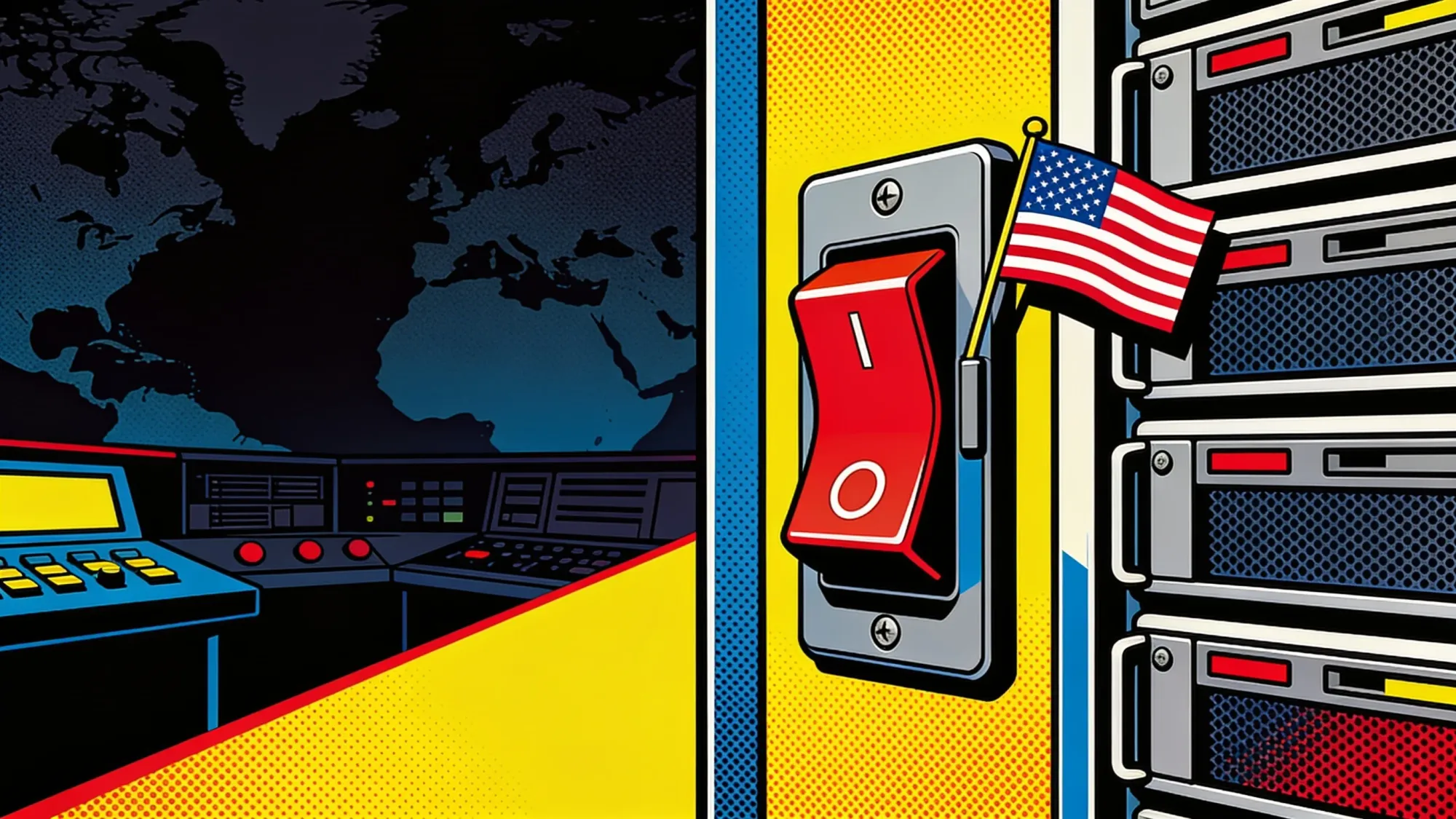
Anthropic said Tuesday that the U.S. Department of Commerce has lifted the export controls it imposed on the company's Claude Fable 5 and Mythos 5 models on June 12, and that it would begin restoring access on Wednesday. Commerce Secretary Howard Lutnick, in a letter to Anthropic co-founder Tom Brown, wrote that a license is no longer required for the export, reexport, or in-country transfer of either model. The reversal ends an 18-day suspension that had taken both of the company's most advanced systems offline worldwide.
"We've received notice that the Department of Commerce has lifted export controls on Claude Fable 5 and Mythos 5," Anthropic said in a statement posted to X. "We'll begin restoring access tomorrow." The company thanked users for their patience and promised a further update. The Commerce Department had ordered both models offline on June 12, three days after their June 9 debut, citing national security concerns about the models' ability to find and exploit software flaws.
Key Takeaways
- The U.S. Commerce Department withdrew the June 12 export controls on Anthropic's Claude Fable 5 and Mythos 5; a license is no longer required to export either model.
- Anthropic said it will restore access to Fable 5 starting Wednesday, ending an 18-day worldwide suspension of both systems.
- The reversal followed a new safeguard the company says blocks the flagged jailbreak in over 99 percent of cases, tested by Commerce's Center for AI Standards and Innovation.
- Co-founder Tom Brown, not CEO Dario Amodei, led the talks; a Trump executive order sets an August deadline for the government to standardize model-security reviews.
AI-generated summary, reviewed by an editor. More on our AI guidelines.
The withdrawal letter
Lutnick confirmed the decision in a separate post on X. After the Bureau of Industry and Security evaluated "the diversion risks now presented by Claude Mythos 5 and Claude Fable 5, the controls in the June 12 letter are withdrawn," he wrote, adding that his department had "worked closely with Anthropic to analyze and approve Fable 5 to ensure alignment across the US Government and strengthen America's leadership in AI." The letter to Brown, viewed by WIRED, Reuters and NBC News, listed the commitments Anthropic made: Anthropic agreed to proactively detect and address security risks in the models, to coordinate with the government on protocols and standards for future releases, and to report any malicious activity it finds.
An over-99-percent block
Anthropic said the approval followed a change to the model's guardrails. In a post detailing the redeployment, the company said a new classifier blocks the specific technique described in the Amazon report in more than 99 percent of cases. Commerce's Center for AI Standards and Innovation tested the previous and the new safeguards, according to Anthropic. The company said the added guardrail could also cause Fable 5 to flag more benign requests. Neither Anthropic nor the Commerce Department detailed what else changed between the June 12 order and Tuesday's withdrawal.
Eighteen days offline
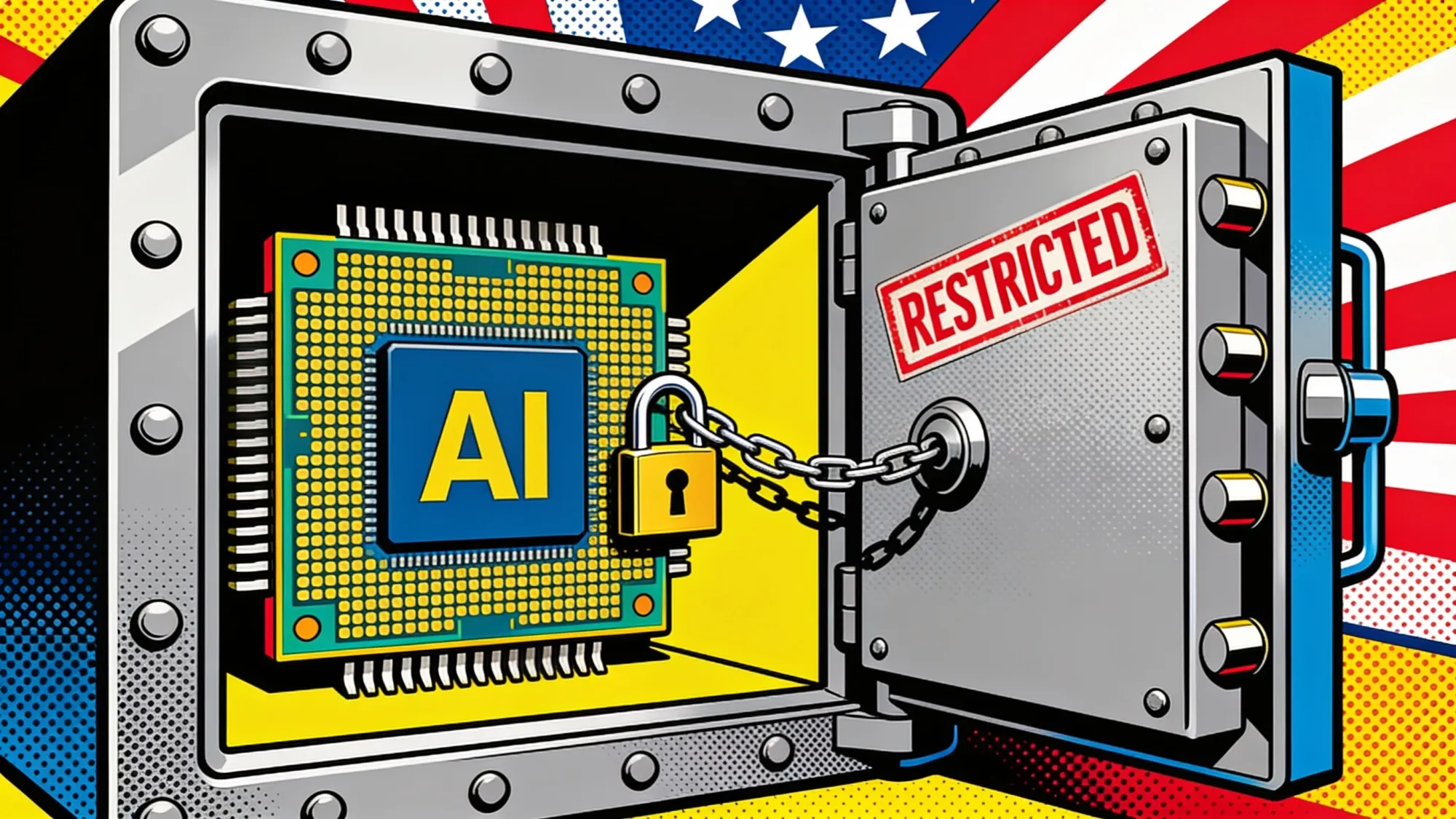
Anthropic released Fable 5 and Mythos 5 on June 9, calling them state-of-the-art on industry benchmarks and, in Fable's case, the most advanced model it had yet made available to the public. The two are built on the same technology. Mythos 5 is the more capable, designed for businesses and cybersecurity researchers and able to identify and exploit vulnerabilities in software code. Anthropic had restricted it from the start; its first iteration, Mythos Preview, was released only to selected organizations under a program the company called Project Glasswing, meant to give defenders time to harden their systems. Fable 5 is the consumer-facing version, sold to Claude subscribers with guardrails intended to keep it from assisting with cyber- and biology-related attacks. The June 12 order required the company to suspend access for any foreign national inside or outside the United States, including its own foreign-national employees. Anthropic took both models offline within about 90 minutes, saying the order effectively required it to disable them rather than block individual users.
The company sent a team of its top scientists to Washington to negotiate a solution. Lutnick led the government's side alongside the national cyber director, Sean Cairncross, according to WIRED. Brown, an Anthropic co-founder, handled the talks in place of chief executive Dario Amodei. WIRED reported that officials preferred dealing with Brown, and CNBC that Amodei had been a target of the administration over his AI-safety views and his support for Kamala Harris in 2024. Lutnick's letters on June 26 and June 30 were both addressed to Brown, not Amodei.
The government eased the order in stages. On June 26, Lutnick allowed Anthropic to release Mythos 5 to more than 100 trusted U.S. organizations that work on cybersecurity and critical infrastructure, a partial reversal that left Fable 5 blocked. Tuesday's decision removed the licensing requirement on both models.
Get Implicator.ai in your inbox
Strategic AI news from San Francisco. No hype, no "AI will change everything" throat clearing. Just what moved, who won, and why it matters. Daily at 6am PST.
No spam. Unsubscribe anytime.
The concern that triggered the order originated with Amazon. Researchers at the company reported that a series of prompts could get Fable 5 to produce information useful in cyberattacks, and conversations between Amazon chief executive Andy Jassy and the White House helped prompt the directive, The Wall Street Journal reported. Anthropic disputed the severity, calling the jailbreak "relatively simple" and replicable on other publicly available models, and said recalling a model deployed to hundreds of millions of people over a narrow vulnerability would, by that standard, halt new releases across the industry. The company had also argued that it was impossible to guarantee zero jailbreaks on a model as capable as Mythos, according to WIRED. In the same post announcing the redeployment, Anthropic said it would work with Amazon, Microsoft, Google and other partners in its Glasswing program to draft a shared framework for rating the severity of AI jailbreaks and how developers should respond, scoring them on capability gain, breadth, ease of weaponization and how readily a flaw can be discovered.
Know someone who'd find this useful? ✉️ Email it to a friend in one click, or they can subscribe free here.
OpenAI and the August deadline
OpenAI limited the rollout of its GPT-5.6 model last week to a small group of government-approved partners at the administration's request, and its chief executive, Sam Altman, said he did not "like the idea of the government picking the customers." OpenAI announced three new models on Friday, including GPT-5.6, and said it had previewed their capabilities for the government ahead of the launch. White House chief of staff Susie Wiles wrote on X on Tuesday that the government and private sector had "worked together in a way we have never seen before." President Trump signed an executive order this month creating a voluntary process for AI companies to give the government early access to advanced models before release, and federal agencies face an August deadline to set standards for evaluating the models' security risks.
Francesco Bailo, deputy director of the AI, Trust and Governance Centre at the University of Sydney, said the government "likely realised it had overreacted," and that blocking Fable and Mythos on national security grounds would have forced it to block competitors' models on the same logic. Tanishq Abraham, a former Stability AI research director who now runs the medical AI company Sophont, said the unresolved question is whether the government will need to approve every frontier model release.
Anthropic's IPO
For Anthropic, the resolution removes an obstacle as it moves toward a public offering. The company filed a confidential S-1 draft on June 1, a first step toward an initial public offering that Business Insider reported could come this year. Its relationship with the administration has been strained since the spring. In March, Defense Secretary Pete Hegseth labeled Anthropic a "supply chain risk," and the company sued after the government ordered federal agencies to stop using its technology. A federal judge blocked those restrictions, calling them "Orwellian," and the government is appealing.
Anthropic said Fable 5 would return Wednesday for users worldwide across its Claude platform, Claude.ai, Claude Code and Claude Cowork. On paid plans, the model will count for up to half of weekly usage limits through July 7 before shifting to usage credits.
Update, June 30, 2026: This article has been updated with new information published directly by Anthropic, including the company's statement that its new classifier blocks the flagged technique in over 99 percent of cases and its plan to draft a jailbreak-severity framework with Amazon, Microsoft and Google.
Frequently Asked Questions
What did the Commerce Department decide about Claude Fable 5 and Mythos 5?
On June 30, the Commerce Department's Bureau of Industry and Security withdrew the export controls it imposed on June 12, meaning a license is no longer required to export, reexport, or transfer either model. Anthropic said it would begin restoring access to Fable 5 on Wednesday, July 1.
Why were the models pulled in the first place?
Amazon researchers reported that certain prompts could get Fable 5 to produce information useful in cyberattacks. Citing national security, Commerce ordered Anthropic on June 12 to suspend access for all foreign nationals, including its own foreign-national employees. Anthropic took both models offline within about 90 minutes to comply.
What changed to get the controls lifted?
Anthropic said it built a new classifier that blocks the flagged technique in more than 99 percent of cases, tested by Commerce's Center for AI Standards and Innovation. Anthropic also agreed to detect and report security risks and coordinate with the government on future releases.
How does this affect other AI companies?
The episode set an ad hoc precedent for government review of frontier models. OpenAI limited its GPT-5.6 rollout to approved partners at the administration's request. Federal agencies face an August deadline, under a Trump executive order, to set standards for evaluating new models' security risks.
AI-generated summary, reviewed by an editor. More on our AI guidelines.

Marcus Schuler
Editor-in-Chief and founder of Implicator.ai. Former ARD correspondent and senior broadcast journalist with 10+ years covering tech. Writes daily briefings on policy and market developments. Based in San Francisco. E-mail: editor@implicator.ai