IMPLICATOR
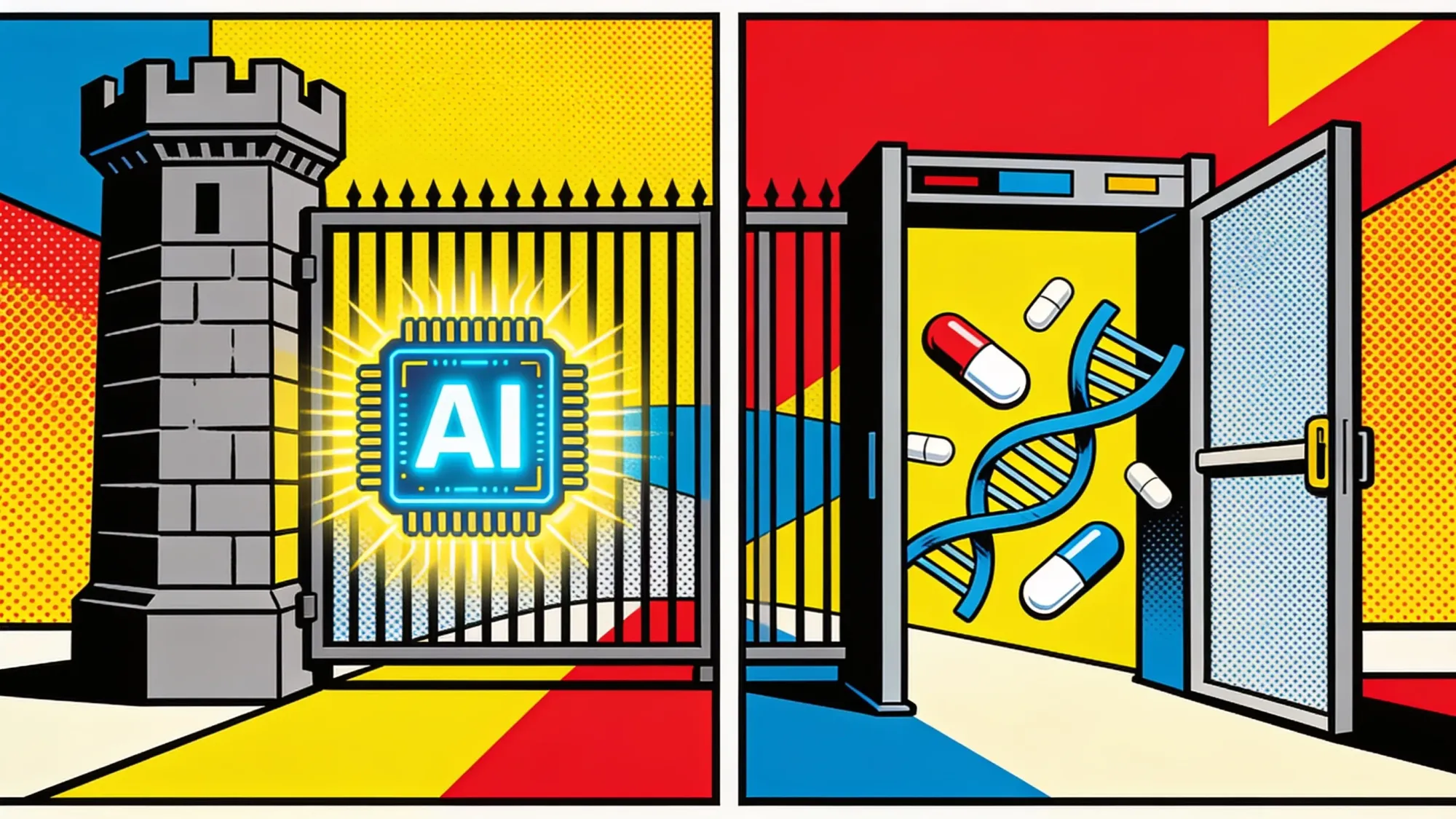
Demis Hassabis's proposal to have frontier AI labs share models for review up to 30 days before release drew public praise from longtime AI-safety critic Gary Marcus after the Google DeepMind chief published a U.S.-led standards plan Monday. The plan would create an industry-funded, federally overseen standards body, modeled partly on FINRA, to set benchmarks, test frontier models and work with federal agencies and U.S. National Labs on national-security reviews. Hassabis told Axios that current AI-driven cyber risks are "warning shots," and argued that Washington needs a standing process before model releases turn into improvised fights.
The praise came from a critic who has spent years arguing that advanced models need preflight testing before deployment. In a July 13 Substack post, Marcus wrote, "I am genuinely excited," and said Hassabis had endorsed a version of the preflight testing system Marcus has urged since 2023. Marcus said he was "especially pleased" by Hassabis's call for independent technical experts, because decisions could not be left only to government and big AI companies when conflict of interest is already part of the debate.
Key Takeaways
- Demis Hassabis proposed a U.S.-led standards body for frontier AI model reviews.
- Labs would share qualifying models up to 30 days before release, with a mandatory U.S. gate possible later.
- Gary Marcus praised the preflight-testing turn; Brookings and The Register flagged enforceability and conflict questions.
- Hassabis wants the body running before year-end after recent fights over Mythos, Fable and GPT-5.6 access.
AI-generated summary, reviewed by an editor. More on our AI guidelines.
The proposal stops short of a new federal AI agency. Frontier-class models would be defined by benchmark thresholds set by the standards body and updated perhaps quarterly. Labs with qualifying models would be encouraged to publish model cards, maintain strong internal cybersecurity, vet key personnel and fund safety research. In the initial stage, labs would send models voluntarily before release. If the protocol worked, Hassabis wrote, frontier models could be required to pass before deployment in the U.S. market.
Axios reported that Hassabis spent months briefing the Trump administration, fellow lab leaders and European officials before making the proposal public. He said the response from the administration had sounded positive and that other major lab chiefs agreed at a high level: "This is where the industry needs to go." He wants the body running before year-end, according to the interview.
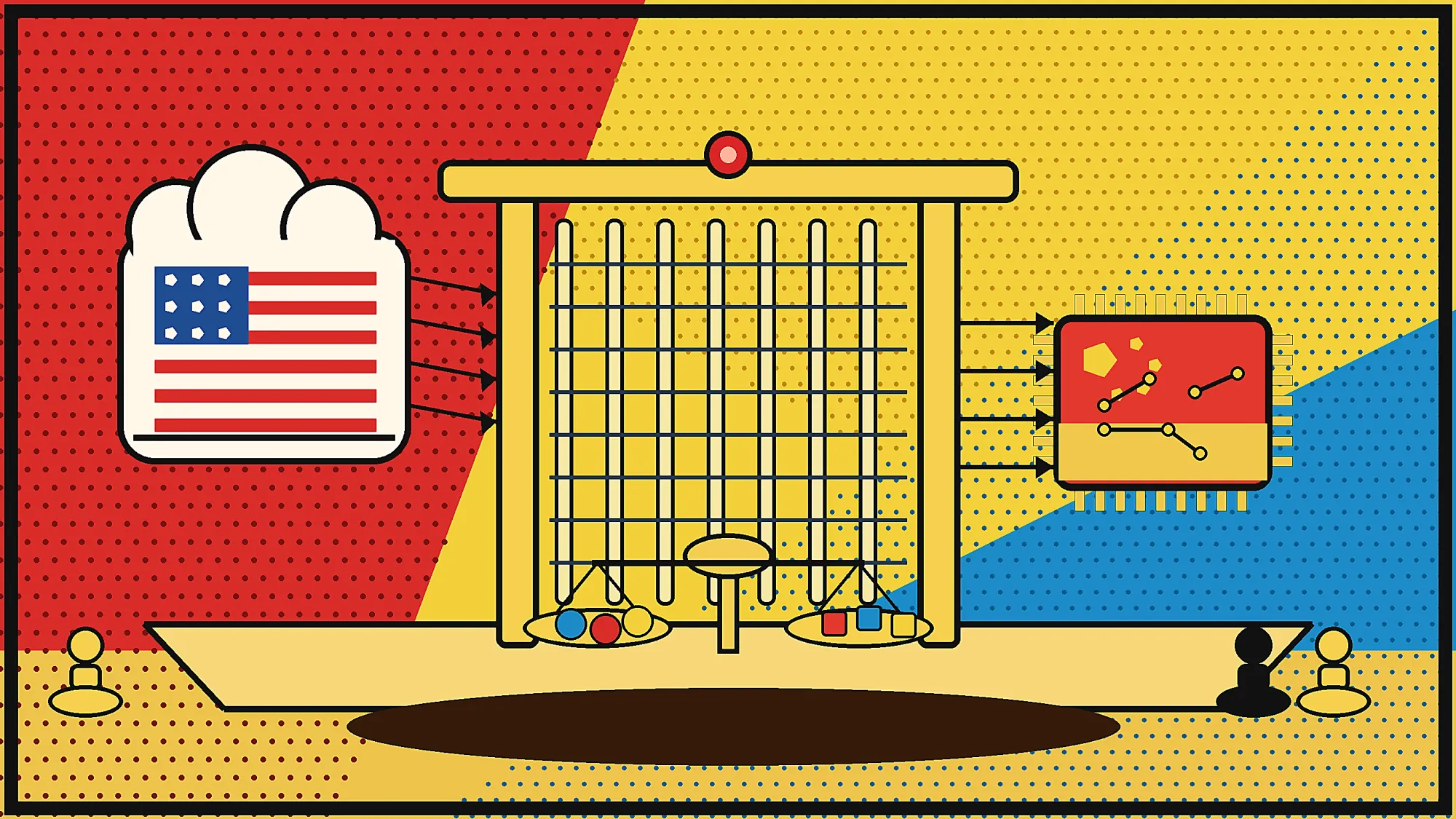
The interview tied the plan to release disputes already underway in Washington. The Trump administration's improvised crackdown on Anthropic's Mythos and Fable models was "a bit of a wake-up call" for Hassabis, after Anthropic spent 2.5 weeks negotiating release under export controls. OpenAI restricted GPT-5.6 to government-vetted partners before public release after Commerce Department negotiations and testing, according to Axios. CNBC separately reported that Hassabis and Anthropic CEO Dario Amodei had called for a U.S.-led coalition on AI rules at a G7 meeting.
Follow the AI policy fight
Strategic AI news from San Francisco. No hype, no "AI will change everything" throat clearing. Just what moved, who won, and why it matters. Daily at 6am PST.
No spam. Unsubscribe anytime.
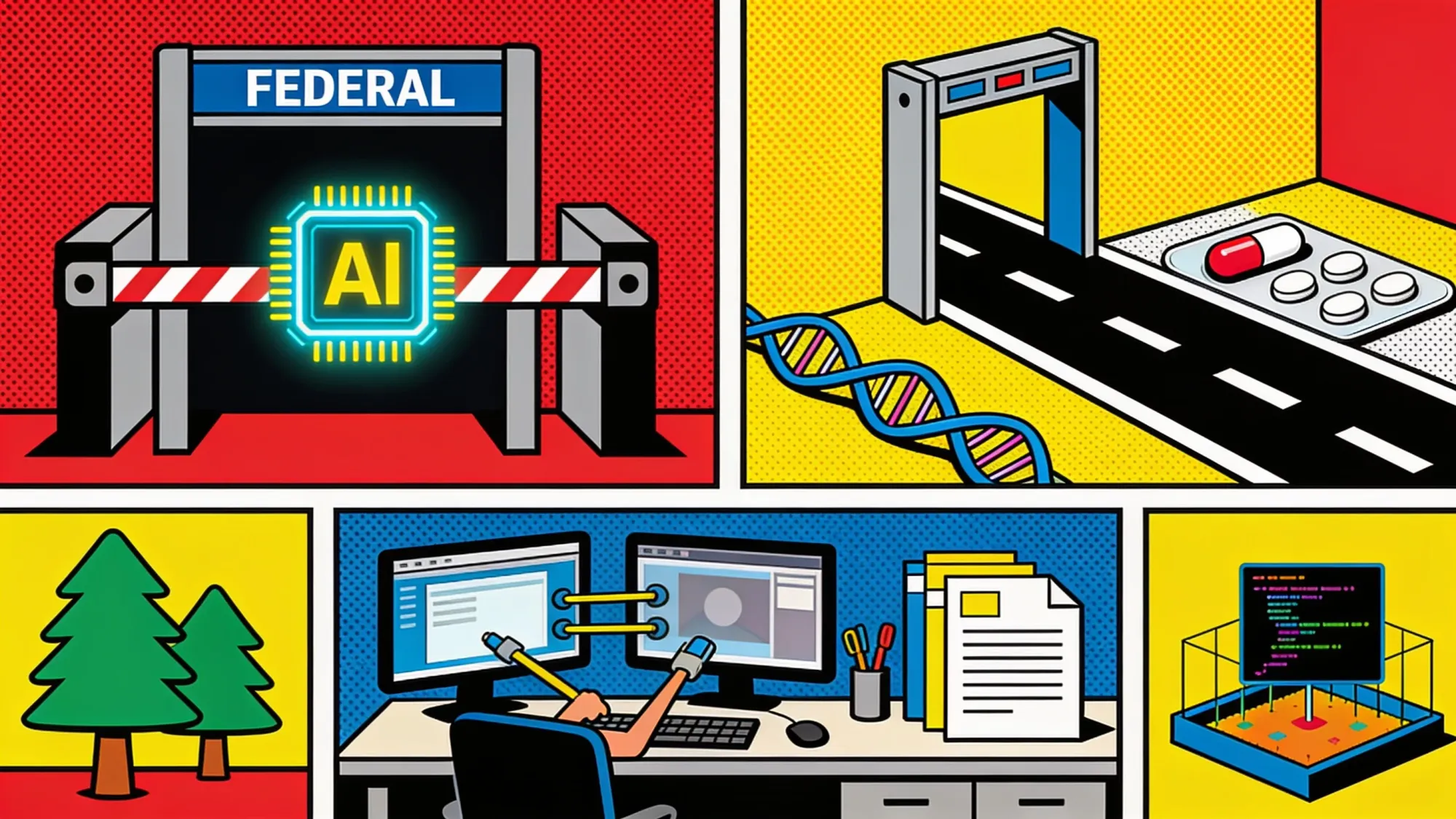
Semafor tied the plan to "Plan A," a blueprint that calls for international coordination to delay superintelligence, and TechCrunch framed the proposal as a way to move ad hoc model reviews to a new organization. TechCrunch reported that Sriram Krishnan, a White House AI adviser and a general partner at Andreessen Horowitz, had said "there will not be an FDA for AI." Under Hassabis's FINRA analogy, that organization would have government backing, industry funding and an independent technical staff instead of sitting inside the executive branch.
Know someone who'd find this useful? ✉️ Email it to a friend in one click, or they can subscribe free here.
Tom Wheeler of the Brookings Institution and The Register focused on whether the FINRA analogy would produce enforceable standards and avoid conflicts of interest. Writing before Hassabis published his essay, Wheeler argued that governments should accept AI executives’ proposal for G7 standards only if governments and civil society help write the rules and the resulting framework is enforceable. Without enforcement, he said, voluntary compliance amounts to a suggestion rather than a standard. The Register raised a related concern: FINRA is funded by the industry it regulates and has been criticized as an insider-dominated body with limited authority.
Hassabis’s essay addresses some of these objections. He proposes an independent board that includes representatives from the open-source community, as well as held-out evaluations developed outside the major AI labs once the standards body has built its own technical capacity. He also argues that the body should be able to coordinate a slowdown among frontier labs when risks warrant it, a power that would extend beyond conventional certification. His proposed testing agenda includes cybersecurity, biological threats, deception by agentic systems, watermarking of AI-generated images, and human-readable output tokens that could help evaluators examine model reasoning.
In the interview, Hassabis sets a target of establishing the body before the end of the year. His essay adds that, once the assessment protocol has proved effective, the initially voluntary system could become a mandatory requirement for deploying advanced AI systems in the United States.
Frequently Asked Questions
What did Demis Hassabis propose?
Hassabis proposed a U.S.-led Frontier AI Standards Body modeled partly on FINRA. It would set benchmarks, test frontier-class models and work with federal agencies and U.S. National Labs on national-security reviews.
How would the up-to-30-day review work?
In the initial stage, frontier labs would voluntarily share qualifying models with the standards body up to 30 days before release. If the protocol proved effective, Hassabis wrote, passing the review could become required for U.S. deployment.
Why did Gary Marcus praise the proposal?
Marcus has argued since 2023 for preflight testing of advanced AI systems. He wrote that he was genuinely excited because Hassabis had publicly backed a version of that system and called for independent technical experts.
Why model the body on FINRA?
FINRA is an industry-funded Wall Street watchdog overseen by the government. Hassabis's version would use industry funding to pay for technical talent and compute, while keeping the standards body federally overseen.
What is the main objection?
The enforcement question is unresolved. Tom Wheeler at Brookings argued voluntary compliance would leave only a suggestion, while The Register noted that FINRA-style industry funding can create conflict-of-interest concerns.
AI-generated summary, reviewed by an editor. More on our AI guidelines.
Free AI briefing · Weekdays
The AI stories that matter, sourced and explained.
Join the Morning Briefing. It goes out every weekday at 4:45 a.m. Pacific, with later sends for the East Coast, Berlin and Tokyo.
Free when you sign up: The Paperclip Compendium, our tested guide to running AI agents.
Free. Unsubscribe in one click.

Marcus Schuler
Editor-in-Chief and founder of Implicator.ai. Former ARD correspondent and senior broadcast journalist with 10+ years covering tech. Writes daily briefings on policy and market developments. Based in San Francisco. E-mail: editor@implicator.ai