
musk-testifies-twitter-shareholder-fraud-trial
Elon Musk stood in a San Francisco federal courtroom on Wednesday and told jurors he never meant to tank Twitter's stock price, the Associated Press reported. The posts he fired off in 2022, the ones casting doubt on his own $44 billion offer to buy the company, were honest expressions of frustration. Not market manipulation. That is the core of his defense, and he spent hours Wednesday trying to sell it to eight people who will decide whether he cheated investors out of billions. A loss could cost him close to a billion dollars in damages. This thing drags on through March 19 at least.
Black suit, dark tie, the witness box. Musk faced a jury picked from a pool where nearly half the candidates got sent home because they couldn't set their feelings about him aside. He bounced between self-deprecation and defiance all day. If you have followed his legal fights, you know this version of Musk: emboldened, a little contrite when it helps, and always performing a calculation about how much candor the room can handle. This is the world's richest person defending conduct from four years ago, back when his fortune was smaller, X was still called Twitter, and the combined SpaceX-xAI-X empire now valued at $1.25 trillion did not yet exist.
The Breakdown
- Musk testified he never intended to tank Twitter's stock, calling his 2022 "deal on hold" tweet honest frustration
- He conceded he "may have" used a rope-a-dope strategy during takeover talks, potentially the trial's most damaging admission
- Twitter stock dropped up to 20% after the May 2022 tweet; plaintiffs say Musk trashed the company to renegotiate $54.20/share
- Trial runs through March 19 with a potential $1 billion damages judgment at stake
'Not my wisest tweet'
One post started all of it. Musk tapped it out on May 13, 2022, broadcasting to tens of millions of followers: "Twitter deal temporarily on hold," he wrote, "pending details supporting calculation that spam/fake accounts do indeed represent less than 5% of users."
The stock cratered. Almost 10% gone on the day of the post alone, and in premarket the next morning, shares dropped as much as 20%. Two months later Musk tweeted that he was walking away from the deal entirely. Twitter closed at $36.81 on July 8, which put the stock 32% below the $54.20 he had offered.
Arnzen, the plaintiffs' lead attorney, asked Musk about that May 13 post on Wednesday. Musk shrugged it off. Compared it to telling someone you'd be late for a meeting. "It doesn't mean you are not going to be at the meeting," he told jurors. He pointed out that just two hours after the original tweet, he followed up saying he was "still committed to acquisition." But the stock had already been hit.
Musk acknowledged it probably wasn't his best moment. "It may not be my wisest tweet," he said. Paused. "I wouldn't necessarily describe it as incredibly stupid. But if it led to this trial, I guess I would qualify it as such."
Here is what the plaintiffs keep hammering at: nothing in the merger agreement gave Musk the right to put the deal on hold. Twitter never agreed to a pause. The tweet described something that wasn't happening, and the stock moved on false information. That is the argument, anyway.
"I was simply speaking my mind," Musk repeated when Arnzen pressed him on whether he considered the market impact. He said that again. And again.
The rope-a-dope concession
Arnzen switched tactics Wednesday afternoon. Rope-a-dope. That was Arnzen's word. Ali's old trick, leaning into the ropes, absorbing shots until the other fighter can't lift his gloves. Arnzen asked Musk flat out whether he had run the same play during takeover talks.
Had he?
"May have," Musk said.
Those two words might outlast everything else from Wednesday. Musk had spent most of the day giving clipped answers, rotating through yes, no, and a lot of "I don't recall." At one point he snapped at Arnzen, accusing the attorney of framing questions to "mislead the jury." Judge Charles Breyer stopped the proceedings. Looked straight at Musk. Then told Arnzen to keep going.
The careful answers weren't just a Musk thing. Jared Birchall, Musk's personal business manager and closest financial adviser, had testified the day before. Birchall's performance was something. Arnzen asked about meetings, conversations, emails, anything tied to the Twitter deal. Birchall's answer, over and over: "I don't recall." Dozens of times. He even claimed he couldn't remember that Jack Dorsey had been running Twitter before the takeover bid. Dorsey, who is friends with Musk. Dorsey, who had left the CEO job just months before Musk came calling after seven years running the company.
Trash the company, tank the stock
Arnzen gave jurors his version of events during Monday's opening. He called it "incredibly straightforward."
Fifty-four dollars and twenty cents per share. That was Musk's offer for Twitter in April 2022, a "take it or leave it" number. He skipped due diligence entirely, which meant he surrendered his right to dig through Twitter's nonpublic books before closing. Arnzen's word for the arrangement was "deal certainty." It was supposed to move fast.
Then Musk's money situation got worse. He had to sell Tesla shares to pay for Twitter. Tesla's stock kept falling as he sold, which meant he had to sell even more shares to cover the price. Buying Twitter was getting more expensive by the week.
Join 10,000+ AI professionals
Strategic AI news from San Francisco. No hype, no "AI will change everything" throat clearing. Just what moved, who won, and why it matters. Daily at 6am PST.
No spam. Unsubscribe anytime.
So he went after bots. Tweeted about spam accounts. Responded to Twitter CEO Parag Agrawal with a poop emoji when Agrawal tried to explain how the company measured fake users. Told a conference audience on May 16 that at least 20% of accounts were fake, almost four times Twitter's public number. Said the deal could not go forward.
"Trash Twitter with his personal megaphone, punish the stock and renegotiate," Arnzen told the jury. "That explains everything that happened after May 13."
Brian Belgrave, one of the named plaintiffs, took the stand Monday. He had purchased 15,000 Twitter shares between May and June 2022, expecting to cash out at $54.20 when the deal went through. Musk said he was walking away in July, and Belgrave dumped his shares at about $33.
"Six weeks later, he bought the company," Belgrave told the jury. "I got lied to, felt like I got cheated."
'They lied'
Musk and his Quinn Emanuel legal team are running a simple counter-argument. The tweets were true. Twitter's bot numbers were garbage. And Musk was genuinely furious about it.
Michael Lifrak, Musk's lead attorney, walked jurors through one detail in his opening: Twitter figured out its 5% bot estimate by paying human reviewers to eyeball 100 accounts per day. A hundred. Musk found this "stunning," Lifrak said, and his concerns were "real, not fraud."
Musk pushed harder on the stand Wednesday. He described a tense May 2022 sit-down with Twitter's leadership team where he asked, point blank, how they counted bots. "They did not actually know," he told the New York Times' Kate Conger from the witness box. "My jaw hit the floor. That was stunning."
After the acquisition closed, Musk said he put an internal team on the problem. Their count came back "much higher than 5 percent." He never released the number publicly.
He also told jurors he believed the board "had engaged in fraud" by misrepresenting user data. "I did make it clear that I thought it was BS," he said.
But the defense has an exposed flank. Twitter's SEC filings had carried bot estimates for years, and every one included a warning: the real count might run higher. We know. Twitter itself paid $809.5 million just three years earlier to settle accusations that it had pumped up its own user growth figures. That's public record. All of this was public. Musk could have asked about the methodology. He could have looked at the disclaimers. He could have done due diligence. He didn't. Before he signed the merger agreement. Before the first tweet.
Arnzen asked Musk directly on Wednesday: did you inquire about Twitter's method for counting bots before you waived due diligence? Musk said no. He had assumed that anything filed with the SEC "would be accurate."
Teflon, tested
Musk walks into courtrooms and walks out winning. That is the pattern, and it is hard to argue with. In 2023, a San Francisco jury took two hours to clear him in the Tesla "funding secured" case, where investors said his tweet about taking the automaker private at $420 per share had burned them. He beat a shareholder suit over Tesla's purchase of SolarCity. And last December, the Delaware Supreme Court gave him back his $139 billion pay package after a lower court had thrown it out. Twice.
His lawyers at Quinn Emanuel built a practice around keeping that streak alive. Alex Spiro, who runs Musk's defense, also advised him during the Twitter acquisition. Plaintiffs tried to get Spiro kicked off the trial team because he could end up as a witness. Didn't work.
The rest of Musk's legal calendar is busy. The SEC went after him in January 2025 for sitting on a 9.1% Twitter stake without telling regulators, saying he underpaid by $150 million. Another investor suit is pending in New York. Musk's attorney told a Washington judge on Wednesday that he is still negotiating a possible settlement with the SEC.
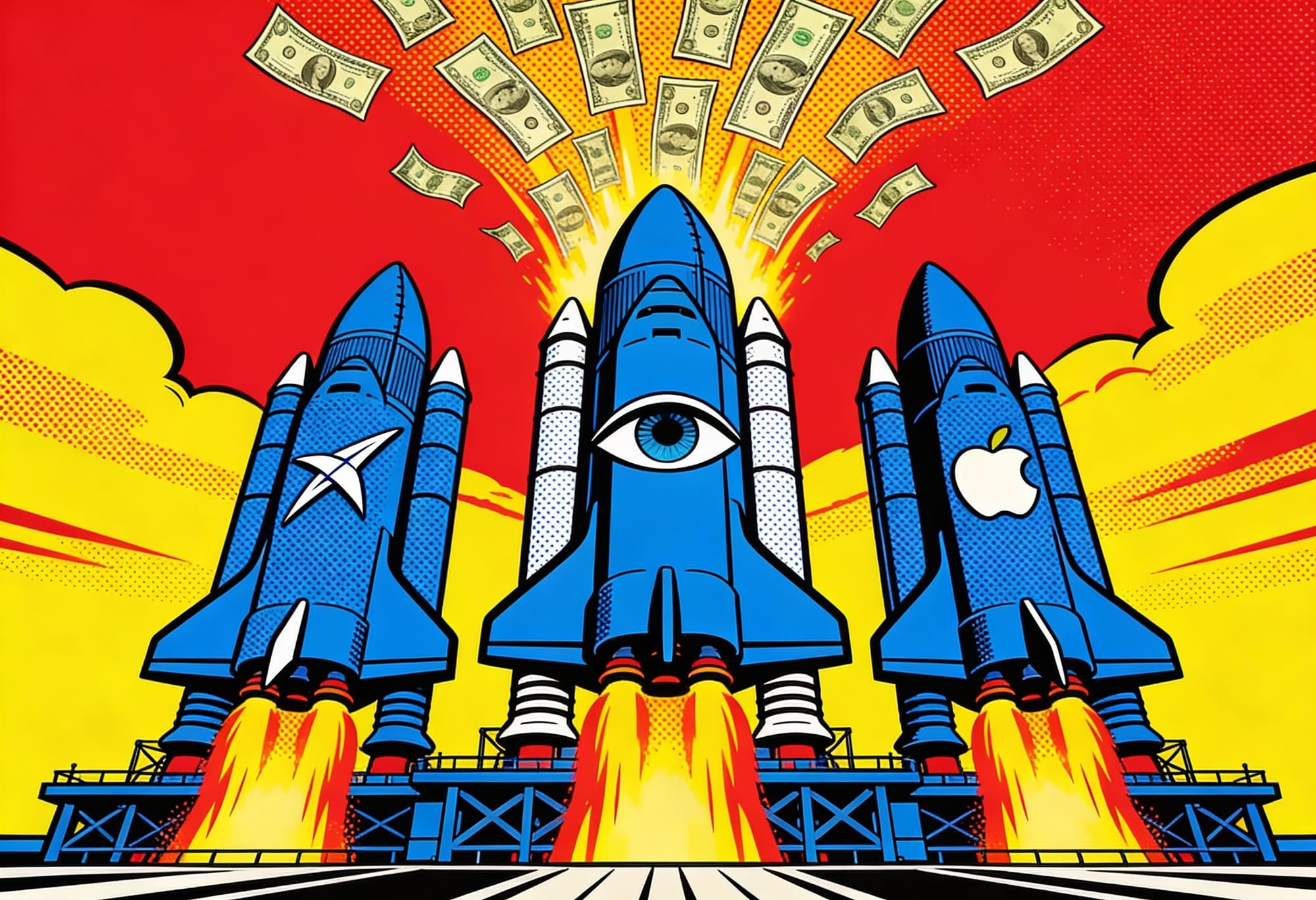
Scale changes everything about what happens next. Twitter in October 2022 was one company, bleeding cash and losing advertisers. Musk renamed it X, merged it into xAI, and stuffed the whole thing into SpaceX. That consolidation cost existing SpaceX investors $250 billion in dilution overnight and produced a $1.25 trillion private company that Musk wants to take public. Could be the biggest IPO on record.
Any judgment from this trial, any precedent about what a tweet can cost shareholders, lands on that larger target now. The man being asked about a poop emoji from 2022 controls more concentrated economic power than at any point in his career. Thursday morning he'll be back in that San Francisco courtroom. Two more weeks of testimony. Eight hundred forty-one billion dollars sitting in the witness chair.
Frequently Asked Questions
What are shareholders accusing Musk of in this trial?
Shareholders claim Musk deliberately drove down Twitter's stock price through misleading tweets in 2022, including his "deal temporarily on hold" post, so he could renegotiate or escape his $54.20 per share buyout offer. They argue his public statements about bots and spam accounts were a calculated strategy, not genuine concerns.
How much could Musk owe if he loses?
Musk faces close to $1 billion in damages if the jury sides with shareholders. The class action covers investors who sold Twitter stock at depressed prices between May and July 2022, after Musk's tweets knocked the share price down as much as 32% from his original offer.
What was the rope-a-dope admission?
Plaintiffs' attorney Arnzen asked Musk whether he used a rope-a-dope strategy during takeover talks, referring to Muhammad Ali's technique of absorbing punishment before counterattacking. Musk replied "may have," conceding he might have deliberately worn down Twitter's negotiating position through his public attacks on the company.
Why didn't Musk do due diligence before signing the merger agreement?
Musk skipped the standard due diligence process, waiving his right to examine Twitter's nonpublic books before committing to buy. His attorney framed the $54.20 offer as a "take it or leave it" deal designed for speed. Musk later said he assumed anything filed with the SEC would be accurate.
How does this trial connect to the SpaceX-xAI-X empire?
Twitter became X, merged into xAI, and was folded into SpaceX in a consolidation that created a $1.25 trillion private company. Any judgment or legal precedent from this trial now applies to a far larger corporate structure that Musk wants to take public in what could be the biggest IPO ever.