IMPLICATOR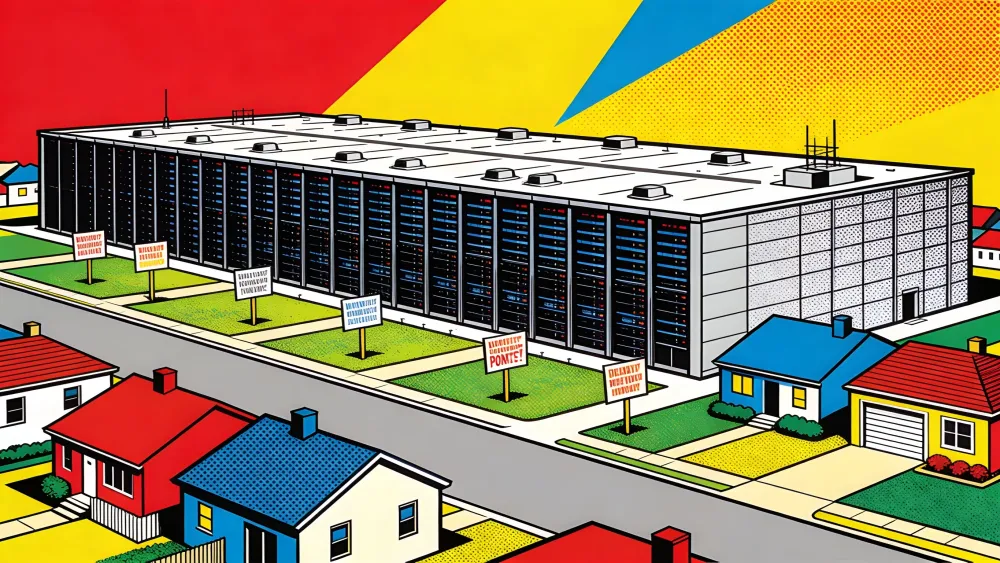
Seven in 10 Americans oppose building data centers for artificial intelligence in their local area, according to a Gallup survey released Wednesday, the first time the firm has polled on the topic. The March survey found 71% opposed and 48% strongly opposed, with resistance crossing party lines and exceeding the 53% who would oppose a nearby nuclear power plant. Gallup said overcoming that opposition "stands as a major hurdle in the expansion of AI computing."
Key Takeaways
- A Gallup survey released May 13 found 71% of Americans oppose AI data centers in their area, with 48% strongly opposed.
- More respondents would oppose a nearby data center than a nuclear power plant, which drew 53% opposition.
- Half of opponents cited resource use; environmental worry was the strongest predictor of opposition, at 78%.
- Resistance has halted $18 billion in projects and reached statehouses and Congress, with moratorium bills advancing.
AI-generated summary, reviewed by an editor. More on our AI guidelines.
What the poll measured
The poll, conducted March 2 through March 18, reached 1,000 adults across all 50 states and the District of Columbia and carries a margin of error of 4 percentage points. Just a quarter of respondents favored data center construction in their area; 7% favored it strongly. Gallup has asked a parallel question about nuclear power plants since 2001, and opposition to those has never topped 63%. The data center result tracks a year of intensifying local conflict, with multibillion-dollar campus proposals now facing rejection in communities that once courted them.
A separate Washington Post-Schar School survey in April found 59% of Virginia voters opposed to a nearby data center. Fewer than one in four held that view in a 2023 poll.
Environmental concerns drive the opposition
A follow-up web survey in April, fielded through the Gallup Panel, asked opponents why. Half pointed to data centers' heavy use of resources, with 18% each naming water and energy. Another 16% raised pollution of the noise, air and water kind. Quality-of-life worries such as traffic and land use drove roughly one in five, and about as many flagged the prospect of higher utility bills or construction costs landing on taxpayers.
The case for data centers was narrower. Among supporters, two-thirds talked about economic benefits, job creation most of all at 55%, with tax revenue trailing at 13%.
Track the AI buildout and its backlash
Strategic AI news from San Francisco. No hype, no "AI will change everything" throat clearing. Just what moved, who won, and why it matters. Daily at 6am PST.
No spam. Unsubscribe anytime.
A partisan and demographic split
The opposition was bipartisan, but its intensity was not. Democrats were strongly opposed at 56%, well ahead of Republicans at 39% and independents at 48%, and women outpaced men, 55% to 43%. Gallup found no meaningful gaps by age, race, education or income. Environmental worry mattered more: 78% of adults concerned about environmental quality opposed the projects, against 52% of those who were not.
Moratoriums and halted projects
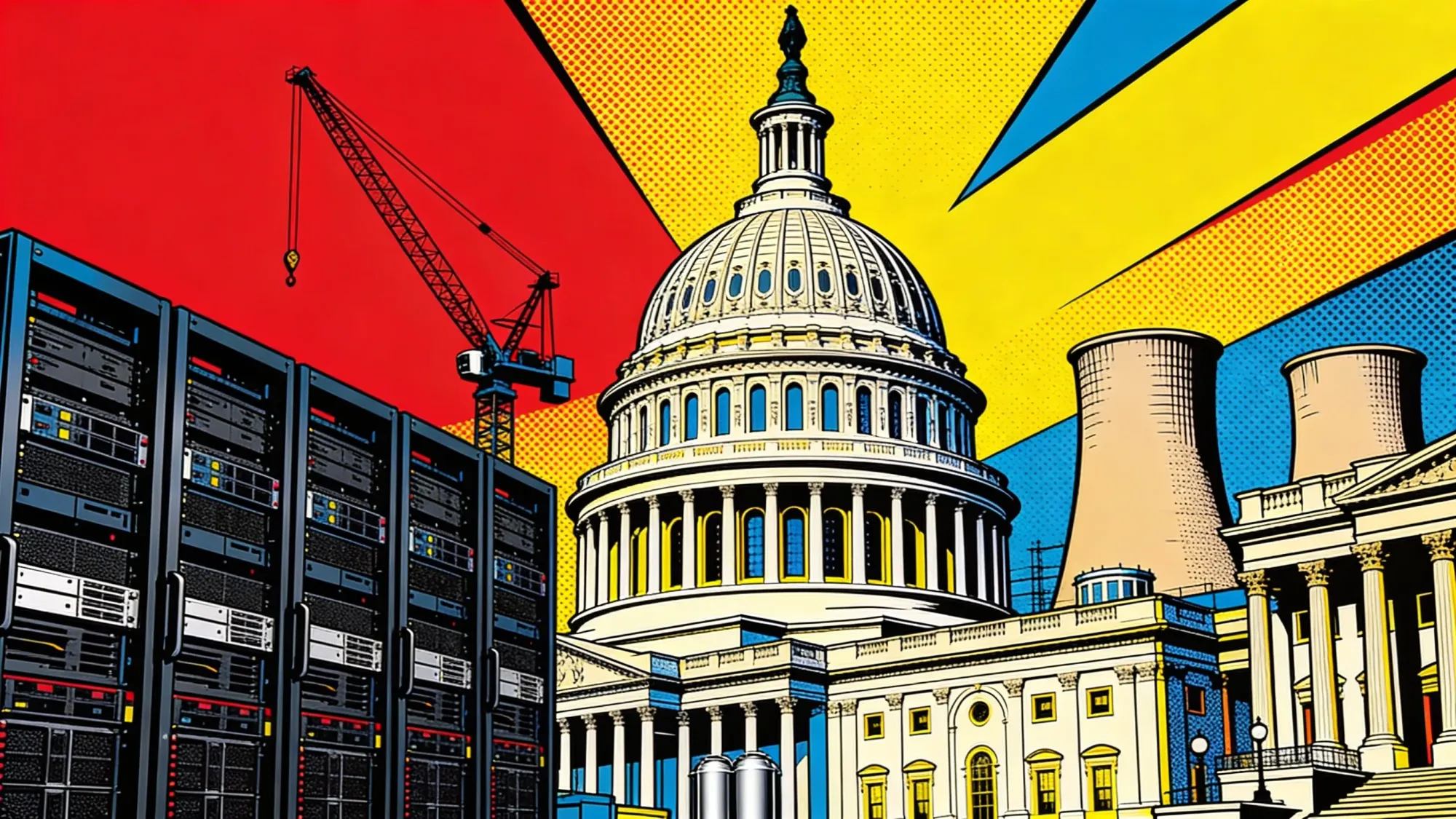
Organized opposition has already halted $18 billion in data center projects and delayed another $46 billion over two years, by Data Center Watch's count, with at least 142 groups now active across 24 states. Gallup expects the friction to grow, writing that the opposition's intensity "means that proposed data centers are likely to spur grassroots activism from local residents as well as legal challenges." In Maine, the legislature passed the first statewide moratorium this spring; Governor Janet Mills vetoed it. On Wednesday, New York lawmakers rallied at the state Capitol for a three-year pause. The effort has also reached Congress, where Senator Bernie Sanders and Representative Alexandria Ocasio-Cortez have introduced a national moratorium bill, and Ocasio-Cortez says more than 100 local communities across 12 states have already passed their own.
Industry pushes back
Tech company leaders and President Trump cast the buildout as essential to keeping ahead of China, while the Data Center Coalition pushes back on the idea that the facilities are what is driving up power bills. Khara Boender, the coalition's state policy director, said Lawrence Berkeley National Laboratory research attributes rising costs to "a myriad of factors," including "the need to update and harden the grid due to extreme weather events." Steven Dickens, chief executive of HyperFrame Research, told Data Center Knowledge the projects will be built regardless. "The question is where, and where the jobs and investment will land," he said.
Frequently Asked Questions
How many Americans oppose data centers in their community?
Gallup's March 2026 survey found 71% oppose building an AI data center in their local area, including 48% who are strongly opposed. Barely a quarter favor the projects. It was the first time Gallup polled on the topic, and the result aligns with other recent surveys, including an April Washington Post-Schar School poll that put Virginia opposition at 59%.
Why do people oppose data centers?
In a follow-up Gallup survey, half of opponents cited data centers' heavy use of resources, with 18% each naming water and energy. Another 16% raised pollution, and roughly one in five pointed to quality-of-life effects or higher utility bills. Environmental worry was the strongest predictor: 78% of environmentally concerned adults opposed the projects, versus 52% of those who were not.
Do Americans oppose data centers more than nuclear power plants?
Yes. In the same March survey, 71% opposed a nearby data center, compared with 53% who opposed a nearby nuclear power plant. Gallup has asked the nuclear question since 2001, and opposition to nuclear plants has never topped 63%.
Is opposition to data centers partisan?
Majorities across every major demographic group oppose nearby data centers, but intensity varies. Strong opposition reached 56% among Democrats, against 39% of Republicans and 48% of independents. Women were more strongly opposed than men, 55% to 43%. Gallup found no meaningful gaps by age, race, education or income.
What are governments doing about data center construction?
Data Center Watch counts $18 billion in projects halted and $46 billion delayed over two years. Maine's legislature passed the first statewide moratorium this spring, though the governor vetoed it. New York lawmakers are pushing a three-year pause, and Senator Bernie Sanders and Representative Alexandria Ocasio-Cortez have introduced a national moratorium bill.
AI-generated summary, reviewed by an editor. More on our AI guidelines.


Marcus Schuler
Editor-in-Chief and founder of Implicator.ai. Former ARD correspondent and senior broadcast journalist with 10+ years covering tech. Writes daily briefings on policy and market developments. Based in San Francisco. E-mail: editor@implicator.ai