IMPLICATOR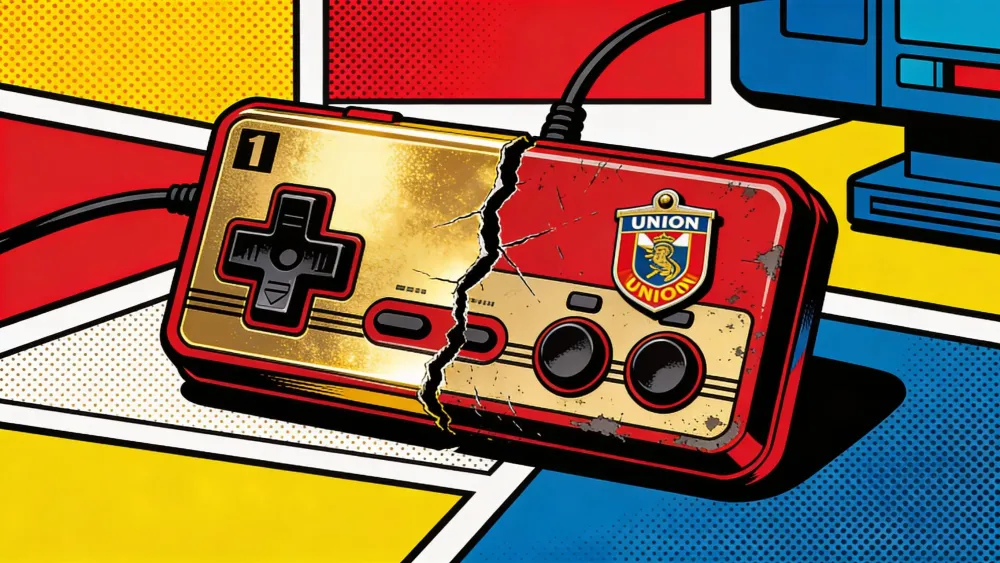
More than half of game industry professionals now believe generative AI is harming their industry, according to the 2026 State of the Game Industry report released ahead of the GDC Festival of Gaming. The survey of more than 2,300 professionals found that 52% view generative AI negatively, nearly triple the 18% recorded two years ago. Only 7% of respondents called it a positive force, down from 13% in last year's report.
The survey arrived at a conference already split in two. In the main halls, developers attended sessions on unionization and job security. In a side theater, investors sold a very different vision of AI's future. The distance between those two rooms says more about the industry than any earnings call.
The Breakdown
- 52% of game professionals now view AI negatively, tripling from 18% two years ago; only 7% call it positive
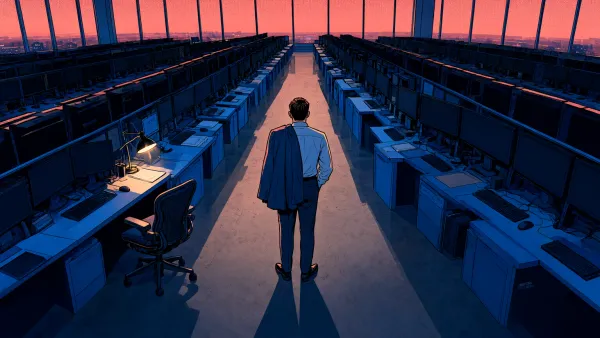
- 28% of respondents were laid off in past two years; two-thirds at AAA studios reported company layoffs
- Lightspeed VC called developer hostility "demonizing" while Block cut 4,000 workers citing AI weeks earlier
- 82% of US respondents support unionization; zero opposition among 18-24 year olds
One in four developers lost their job
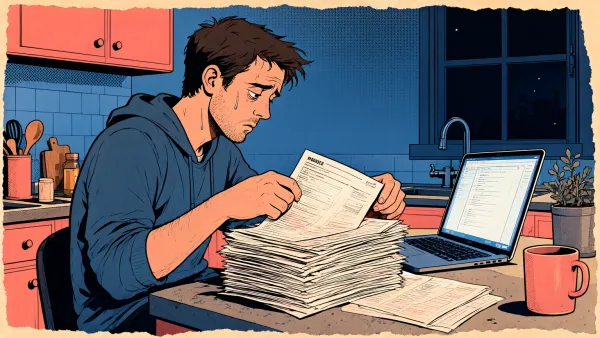
Behind the sentiment shift sits a jobs crisis with no bottom in sight. Twenty-eight percent of survey respondents were laid off in the past two years. In the United States, that figure climbs to one-third. Half said their current or most recent employer conducted layoffs within the past 12 months.
AAA studios took the hardest hits. Two-thirds of respondents at major studios reported company layoffs. Even indie developers weren't spared, with one-third reporting the same.
The damage extends beyond current workers. Ask the students hoping to break in, and 74% will tell you the job market terrifies them. Fewer entry-level openings, laid-off veterans competing for whatever's left, AI eating into the rest. No abstract fear. Concrete math.
Lightspeed investor calls AI backlash "demonizing"
At a GDC panel on capitalizing on "shifting trends in customer engagement," Moritz Baier-Lentz offered a reaction that made the divide explicit. The head of gaming at Lightspeed Venture Partners, a firm with stakes in Anthropic and Epic Games, told attendees he was "shocked and sad" that the industry had not embraced generative AI. He accused skeptics of "demonizing" a "marvelous new technology."
His explanation for the negativity? Developers are worried about their jobs after the post-COVID correction. Baier-Lentz framed the layoffs as natural, a predictable adjustment from pandemic-era overinvestment in digital entertainment.
But the survey data already answered him. Workers in visual and technical art hold the most unfavorable views at 64%, followed by game design and narrative at 63% and programming at 59%. The people closest to the work AI claims to automate are the ones most hostile to it. That's not irrational. That's pattern recognition.
And the conference floor staged the tension as if a political cartoonist had designed the layout. A Campaign to Organize Digital Employees booth promoting unionization sat directly next to a cluster of AI startups, one of which promises users can build entire games by "chatting with AI."
Stay ahead of the curve
Strategic AI news from San Francisco. No hype, no "AI will change everything" throat clearing. Just what moved, who won, and why it matters. Daily at 6am PST.
No spam. Unsubscribe anytime.
Block cut half its workforce weeks before the survey
The GDC survey dropped weeks after Block, parent of Square and Cash App, laid off roughly 4,000 workers citing AI. Nearly half the company gone. CEO Jack Dorsey told Wired that coding tool advances from Anthropic and OpenAI in December "presented an option to dramatically change how any company is structured."
Block's stock rose on the news. Investors rewarded the signal. Raffaella Sadun at Harvard Business School warned The Atlantic that the pattern feeds itself. One company blames AI for cuts, the stock bumps, and competitors feel obligated to match. Whether the technology justifies it barely matters.
Mollick at Wharton skipped the hedging. "It is hard to imagine a firm-wide sudden 50%+ efficiency gain that justifies massive organizational cuts," he wrote. Former Block employees questioned the reasoning too. One called the AI justification genuine. The other noted every major tech company uses these same tools heavily. None had cut at that scale.
82% of US respondents back unionization
Eighty-two percent of US-based respondents support unionization. Zero respondents aged 18-24 opposed it. Ten percent already belong to an industry-wide union like the United Videogame Workers-CWA, which launched at GDC last year. Another 62% expressed interest in joining.
This isn't ambient discontent. It's organized. The generation entering the industry has watched a third of its potential mentors get shown the door. Students surveyed aren't just pessimistic. They're calculating.
Thirty-six percent of gaming professionals already use generative AI tools on the job. They're not Luddites. They're people who work with the technology daily and still believe, by a seven-to-one margin, that it's doing more harm than good.
With 62% of respondents interested in joining a union and anti-AI sentiment tripling in two years, the pressure points are moving from survey responses toward organizing drives and contract negotiations. The investors made their case from a theater set off to the side of the main conference. The union booth sat on the expo floor, right next to the AI startups.
Frequently Asked Questions
How many game developers were surveyed for the GDC 2026 report?
More than 2,300 game industry professionals responded, including developers, marketers, executives, investors, educators, and students. The survey was released ahead of the GDC Festival of Gaming in March 2026.
Which game development roles are most opposed to AI?
Visual and technical artists hold the most negative views at 64%, followed by game design and narrative professionals at 63%, and programmers at 59%. Business professionals are far more positive, with 19% viewing AI favorably compared to 7% industry-wide.
What did Block's AI layoffs have to do with gaming?
Block cut roughly 4,000 workers citing AI just weeks before the GDC survey. Economists warned the move could trigger copycat layoffs across tech as investors rewarded Block's stock price for the signal.
What AI tools do game developers actually use?
Among the 36% using AI tools, ChatGPT leads at 74%, followed by Google Gemini at 37% and Microsoft Copilot at 22%. The most common use is research and brainstorming at 81%, followed by daily tasks and code assistance at 47% each.
How strong is the push for unionization in gaming?
82% of US-based respondents support unionization, with zero opposition among 18-24 year olds. The United Videogame Workers-CWA launched at GDC in 2025, and 62% of professionals expressed interest in joining a union.
Free AI briefing · Weekdays
The AI stories that matter, sourced and explained.
Join the Morning Briefing. It goes out every weekday at 4:45 a.m. Pacific, with later sends for the East Coast, Berlin and Tokyo.
Free when you sign up: The Paperclip Compendium, our tested guide to running AI agents.
Free. Unsubscribe in one click.

Marcus Schuler
Editor-in-Chief and founder of Implicator.ai. Former ARD correspondent and senior broadcast journalist with 10+ years covering tech. Writes daily briefings on policy and market developments. Based in San Francisco. E-mail: editor@implicator.ai