IMPLICATOR
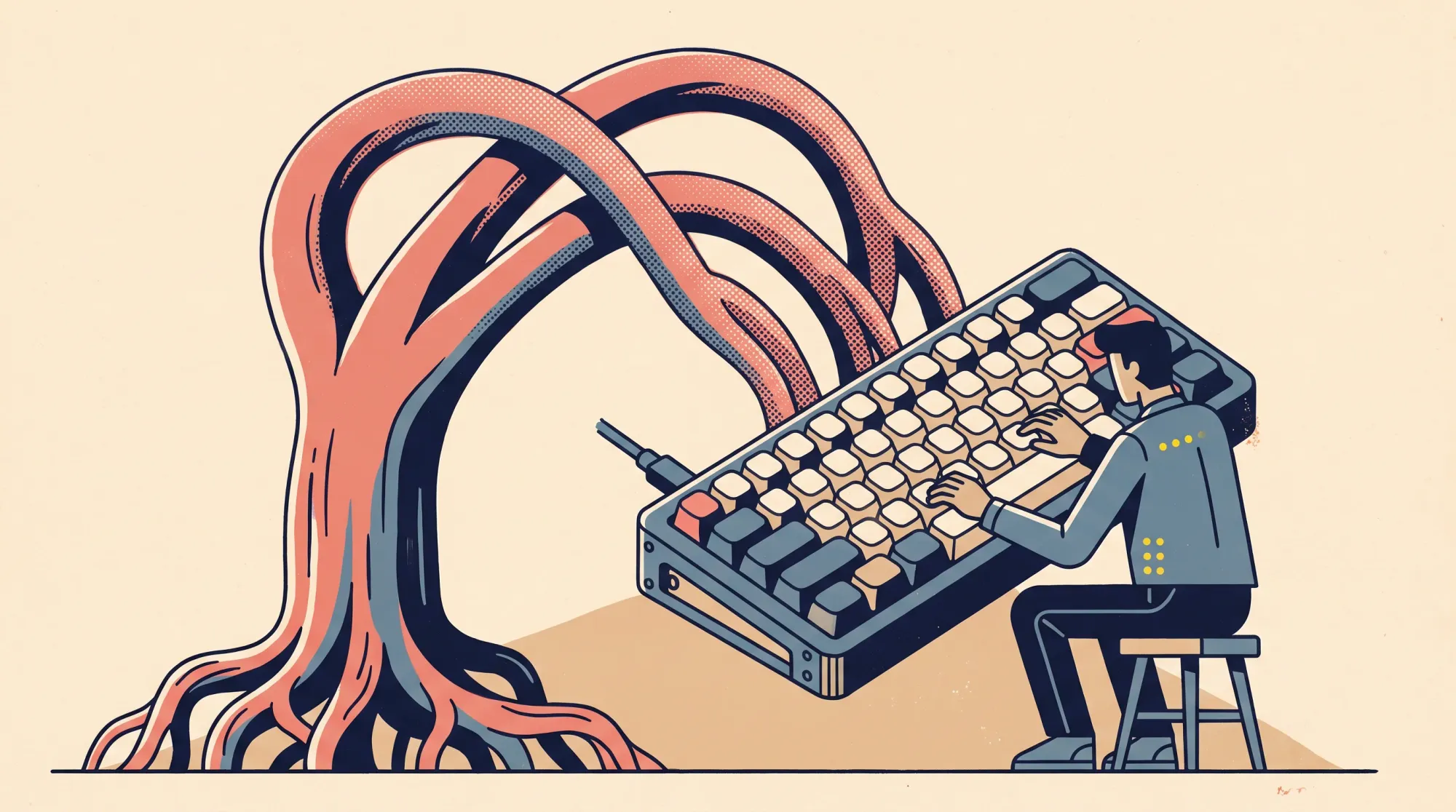
Microsoft distinguished engineer David Fowler said, “Typing code is absolutely over,” arguing that manual entry is becoming a smaller part of software work. Microsoft’s existing Aspire workflow gives agents a compiled map of an application, manages its running services and exposes logs they can inspect. In that model, a developer hands off a task and later checks the build and proposed changes before accepting them.
Fowler has spent 18 years at Microsoft as of September 2026. He co-created SignalR, helped found NuGet and the Kudu deployment engine, worked on ASP.NET Core and now leads Aspire, Microsoft’s toolchain for distributed applications.
What Changed
- Microsoft engineer David Fowler says manual code typing is over as agents take on tasks that developers review.
- Aspire lets agents compile an application model, run services and inspect logs without repeated manual feedback.
- GitHub added Windows development environments for its coding agent in February 2026. Human reviewers still decide whether to merge changes.
- METR’s newer productivity estimates were inconclusive and affected by task selection and difficulties measuring time.
AI-generated summary, reviewed by an editor. More on our AI guidelines.
The application becomes readable to agents
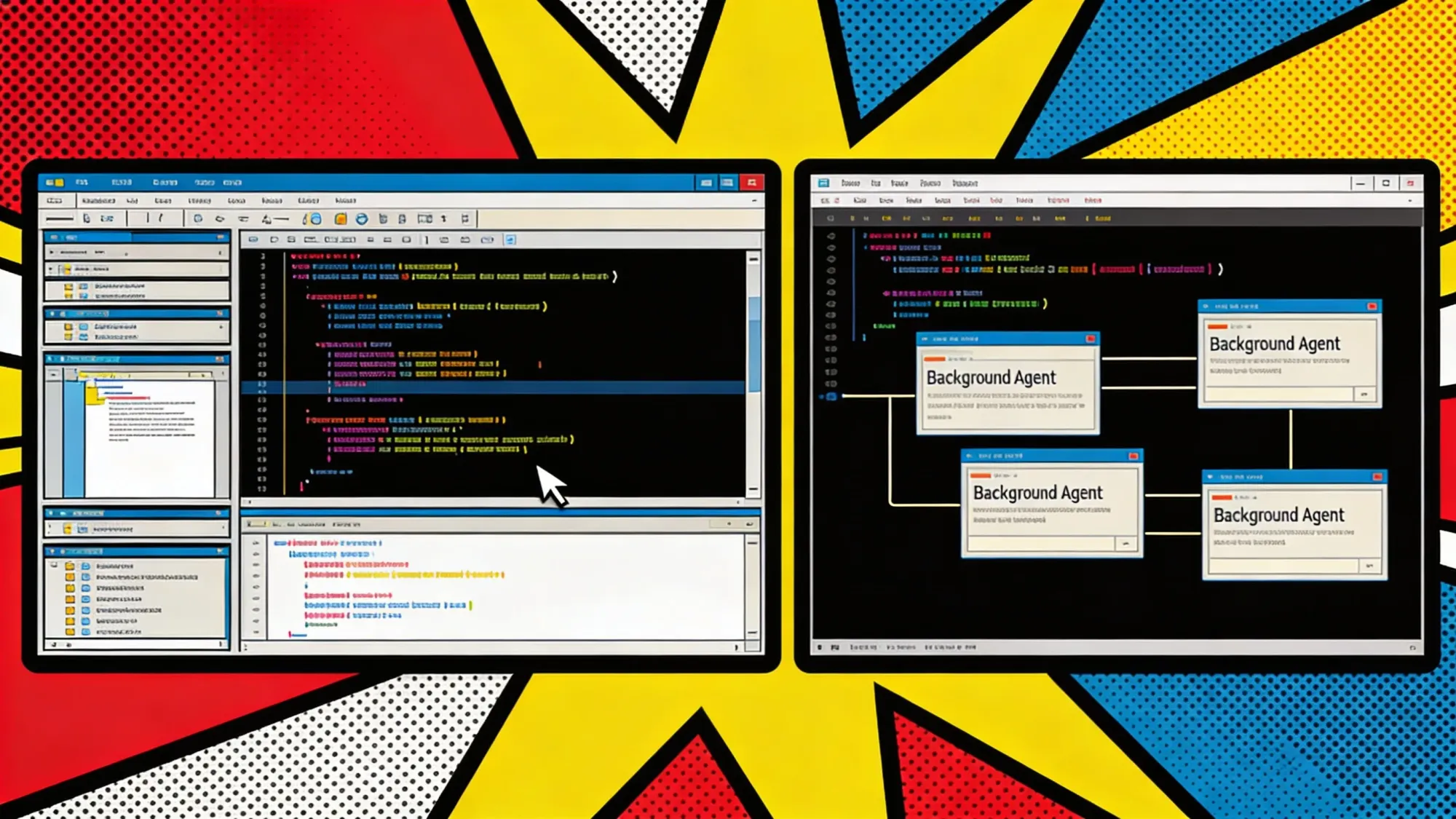
Aspire defines an application’s services, containers and databases in a single model written in C# or TypeScript. By April 2026, its agent support could start those services in isolation and collect logs and telemetry while the software ran. An agent can read how the parts connect, make a change, compile it and inspect an error without waiting for a person to paste output into a chat window.
That loop changes where the human enters the process. The agent produces a patch and tests it against the application. The engineer still defines the task and decides whether the resulting change should ship after review.
FREE WEEKDAY MORNING BRIEFING
Follow how AI changes the work of building software.
The Implicator Morning Briefing filters the AI news cycle to the stories worth your attention and explains their consequences. From San Francisco, every weekday at 4:45 a.m. Pacific, 7:45 a.m. Eastern.
About five minutes. No hype. No spam.
Pull requests replace autocomplete
GitHub’s coding agent shows the same shift. The service works in a background environment, modifies a repository and opens a pull request. On February 18, 2026, GitHub added Windows development environments, allowing the agent to build and test projects that target Windows before returning its work for review.
By February 26, the agent could review its own changes and run code, secret and dependency scans before opening a pull request. A human reviewer still receives the proposed change and decides whether to merge it.
Those capabilities do not establish that an agent wrote a named Windows 11 feature or patch. By June, Microsoft’s MDASH security system was being used by Windows, Azure and identity teams to find vulnerabilities in existing code. That is evidence of AI examining software, not of AI authoring the operating system.
Productivity data has a selection problem
Independent measurements do not yet support a simple claim that agents make every programmer faster. A February 24 METR update covered 57 experienced open-source developers, 143 repositories and more than 800 tasks. Its late-2025 estimates suggested an 18% reduction in task-completion time for 10 returning participants and a 4% reduction for 47 new recruits, but both confidence intervals crossed zero.
Know someone who'd find this useful? ✉️ Email it to a friend in one click, or they can subscribe free here.
METR said selection effects likely biased its estimate of AI’s benefit downward. Between 30% and 50% of participants said they withheld some tasks because they did not want to risk being assigned to complete them without AI. Developers running several agents at once also had trouble recording task time. METR called the resulting productivity signal unreliable.
Its earlier finding that AI users took 19% longer applied to work performed from February through June 2025. It cannot measure tools available in September 2026.
Engineers still decide what ships
In Aspire’s workflow, instead of entering each line, an engineer can assign a task, then review the build and proposed changes before accepting them. GitHub’s coding agent follows the same handoff by returning a pull request for a human reviewer, who decides whether to merge it.
Maddy Montaquila, Aspire’s principal product manager, stated the boundary in April: agents are “really good at writing code,” but “generating code and shipping working full-stack apps are very different things.”
Frequently Asked Questions
Who is David Fowler?
Fowler is a Microsoft distinguished engineer who leads Aspire. He co-created SignalR, helped found NuGet and the Kudu deployment engine, and worked on ASP.NET Core. He had spent 18 years at Microsoft as of September 2026.
What does Aspire let an AI agent do?
Aspire provides a compiled model of an application’s services, containers and databases. Its agent support can run services in isolation and expose logs and telemetry, letting an agent inspect errors and test changes without a person repeatedly pasting output into chat.
How does GitHub’s coding agent return its work?
The agent modifies a repository in a background environment and opens a pull request for human review. By February 26, 2026, it could review its own changes and run code, secret and dependency scans before opening that request. A human decides whether to merge it.
Does this show that AI wrote Windows 11?
No named Windows 11 feature or patch is established as agent-written by these capabilities. GitHub’s Windows environments let agents build and test Windows-targeted projects. Microsoft’s MDASH system finds vulnerabilities in existing code; that does not establish AI authorship of the operating system.
Does METR’s research show that AI makes developers faster?
Its February 2026 update reported inconclusive estimates for work studied in late 2025. The two cohorts showed estimated task-time reductions of 18% and 4%, but both confidence intervals crossed zero. Task selection and difficulties tracking concurrent-agent work made the productivity signal unreliable.
AI-generated summary, reviewed by an editor. More on our AI guidelines.

Free AI briefing · Weekdays
The AI stories that matter, sourced and explained.
Join the Morning Briefing. It goes out every weekday at 4:45 a.m. Pacific, with later sends for the East Coast, Berlin and Tokyo.
Free when you sign up: The Paperclip Compendium, our tested guide to running AI agents.
Free. Unsubscribe in one click.

Marcus Schuler
Editor-in-Chief and founder of Implicator.ai. Former ARD correspondent and senior broadcast journalist with 10+ years covering tech. Writes daily briefings on policy and market developments. Based in San Francisco. E-mail: editor@implicator.ai