


San Francisco | March 18, 2026
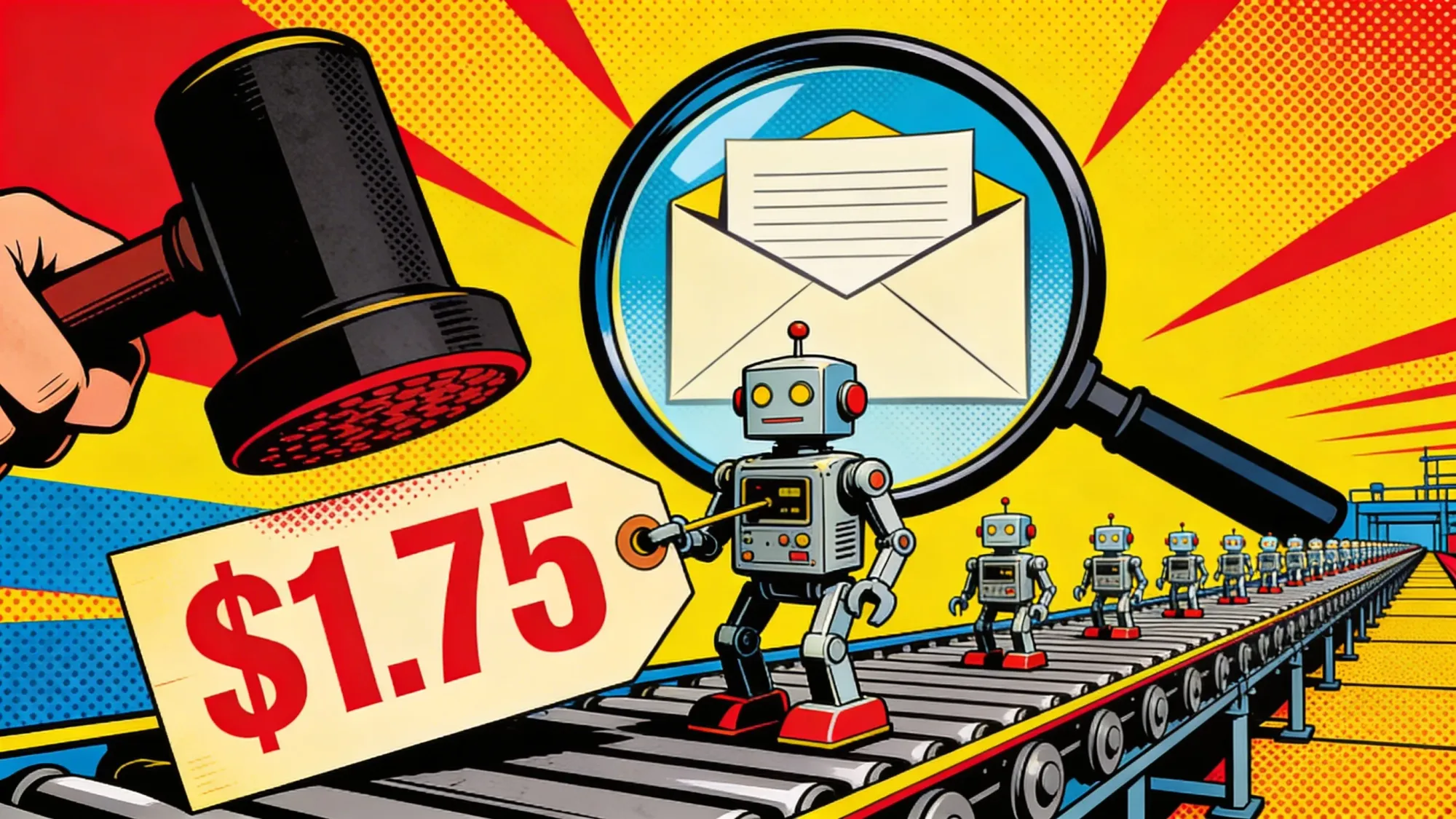
OpenAI shipped GPT-5.4 mini and nano twelve days after the flagship, and the numbers are uncomfortable for anyone still paying full price. Mini hits 94% of flagship benchmarks at 70% less per token. Nano costs 92% less. The question for every enterprise AI budget just flipped from "which model is smartest?" to "which model is cheapest per correct answer?"
Google answered a different question entirely. It dropped the paywall on Personal Intelligence, giving every free US user Gemini access to their Gmail, Photos, YouTube history, and a dozen other data sources. Two months of paid beta. Then the switch flipped to zero.
The price of intelligence fell Tuesday. The cost of privacy may have fallen further.
Stay curious,
Marcus Schuler
OpenAI GPT-5.4 Mini Hits 94% of Flagship Benchmarks at 70% Lower Cost

GPT-5.4 mini launched Tuesday at $0.75 per million input tokens, 70% below the flagship's $2.50. Nano arrived at $0.20, a 92% cut. Both models close to within a few percentage points of the full model on graduate-level reasoning, real-world coding, and desktop automation.
The benchmarks compress the gap faster than most enterprise budgets can adjust. On GPQA Diamond, mini scored 88% against the flagship's 93%. On SWE-bench Pro, mini hit 54.4% versus 57.7%. Seven months ago, GPT-5 mini trailed the best model by 12 points on the same coding test. Two-thirds of that gap vanished in under a year.
OpenAI pitches a two-tier subagent architecture: GPT-5.4 plans and coordinates, then hands subtasks to mini or nano running in parallel. In Codex, mini burns only 30% of the flagship quota. The company is telling developers, explicitly, to stop using the flagship for most tasks.
The weakness shows up in long context. On OpenAI's MRCR test, mini scored 47.7% versus the flagship's 86.0%. For tracking dozens of details across a 200-page contract, the flagship earns every cent. For the other 90% of API calls, the markup gets harder to justify by the week.
Small-model prices have been creeping upward across the industry. Mini at $0.75 costs 3x what GPT-5 mini charged. Nano at $0.20 is 4x GPT-5 nano. "Cheaper than the flagship" is not the same as "cheap." The same pricing compression hit Anthropic when MiniMax matched Opus at 5% of the price in February.
Why This Matters:
- Procurement teams now have a concrete reason to question every flagship API invoice, and middleware startups built on model-access margins face the most direct pressure
- Open-source competitors like DeepSeek V3.1 and Mistral Small 4 shipped the same week, compressing pricing power from below
Reality Check
What's confirmed: Mini scores 88-94% of flagship across GPQA Diamond, SWE-bench Pro, and OSWorld at 70% lower input cost. Nano costs 92% less. Both live in API and ChatGPT.
What's implied (not proven): OpenAI expects most production workloads to migrate from flagship to mini, with subagent orchestration replacing single-model architectures.
What could go wrong: Small-model prices are rising each generation. Mini costs 3x its predecessor. Two more cycles and the budget tier may price itself out of the cost advantage.
What to watch next: Enterprise API usage mix next quarter. If flagship token volume drops while total volume rises, the downmarket shift is confirmed.

The One Number
52% — Share of Americans who say the increasing use of AI in daily life makes them more concerned than excited, according to Pew Research Center. Just 10% say they are more excited than concerned. The remaining 38% feel equally both. Concern has risen 15 percentage points since 2021, when 37% felt this way. The survey dropped three days before 30,000 people flew to San Jose to celebrate the technology at Nvidia GTC.
Source: Pew Research Center
Google Opens Personal Intelligence to All Free US Users, Dropping $20 Paywall

Google dropped the paywall on Personal Intelligence Tuesday, giving every free US user Gemini access to Gmail, Photos, YouTube history, and more than a dozen other data sources. The feature launched in January at $19.99 per month. Two months later, the price is zero.
Personal Intelligence connects Gemini to a user's Google account and pulls context from whichever service has the answer. Ask about a printer model and Gemini checks your Gmail receipts. Plan a trip and it cross-references hotel bookings with your photo library. The system runs on Gemini 3's million-token context window, using context packaging to filter relevant data before it reaches the model.
The privacy language does careful work. Google says Gemini does not train "directly" on your inbox or photos. It trains on the prompts you type and the responses it generates. If you ask Gemini to summarize work emails, that prompt and summary enter the training pipeline. The raw inbox stays untouched. The AI's interpretation of it does not.
Google's structural advantage is the data itself. No other company controls as many consumer services under a single account. Apple routes Siri through on-device processing. Google runs Personal Intelligence entirely through cloud infrastructure. Once Gemini absorbs years of personal context, switching to a competitor becomes the digital equivalent of moving to a city where nobody knows your name.
Why This Matters:
- Every major AI company now agrees personalized assistants create stickier users than generic ones, and Google just removed the price barrier to building that lock-in
- Enterprise and education accounts remain excluded, signaling compliance concerns that consumer users will not share

AI Image of the Day

Prompt: high fashion editorial, young female model sitting on the floor in a corner, knees hugged close to chest, soft melancholic expression, slicked back hair tied with an oversized pale blue satin ribbon, long trailing bow, wearing sheer blush pink long sleeve top and loose satin cargo pants, soft balletcore aesthetic, metallic sneakers, natural skin texture, muted beige interior background, soft diffused lighting, intimate mood, minimal composition, subtle shadows, film photography look, ultra detailed
OpenClaw Setup Guide Walks Users From Install to Autonomous Agent in Seven Steps
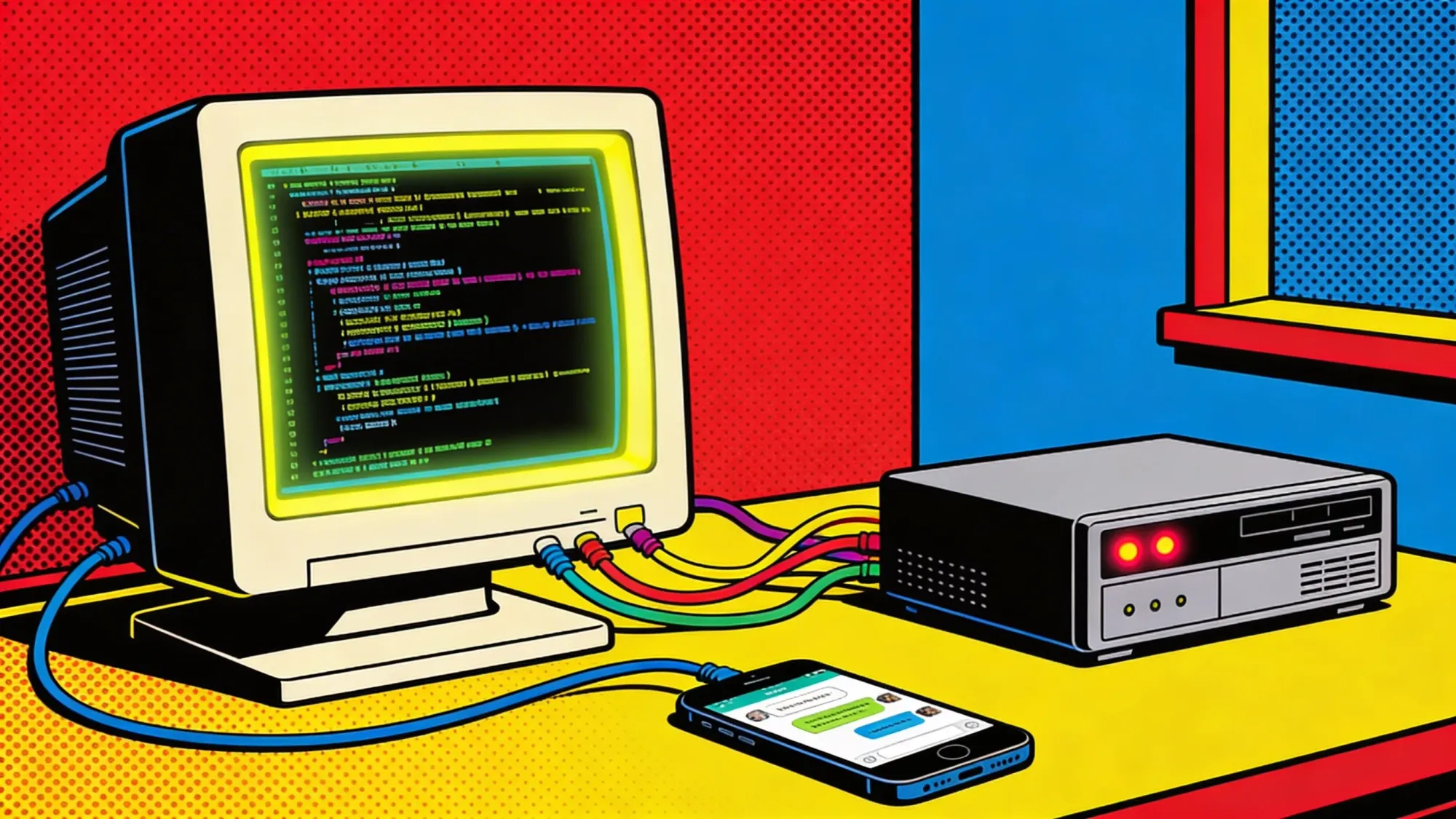
The most detailed OpenClaw setup tutorial published to date covers every configuration block from first install to fully autonomous agent, with working code for Telegram integration, model fallbacks, persistent memory, custom skills, and cron-based scheduling.
OpenClaw has gone from a niche self-hosting project to the default choice for users who want an AI assistant they control. The updated guide walks through seven steps, each with full config blocks. Telegram bot integration gives you a mobile interface without a web dashboard. Model fallbacks ensure the system switches providers when one goes down.
The memory section covers persistent context, the feature that separates useful agents from chatbots. OpenClaw stores conversation history and preferences across sessions. Custom skills extend the system beyond chat: file management, scheduled research, workflows triggered by external events.
Version two updates the March 9 original with cleaner code examples and a new section on cron jobs for autonomous operation. Set a schedule, define the task, OpenClaw runs it unprompted. That step turns a chatbot into something closer to a background employee, running on your own hardware, answering to no one's terms of service.
Why This Matters:
- Self-hosted AI agents offer an alternative to cloud-locked assistants as Google and OpenAI tighten their data grip
- The guide lowers the technical barrier enough for non-developers to run autonomous AI on home hardware

🧰 AI Toolbox
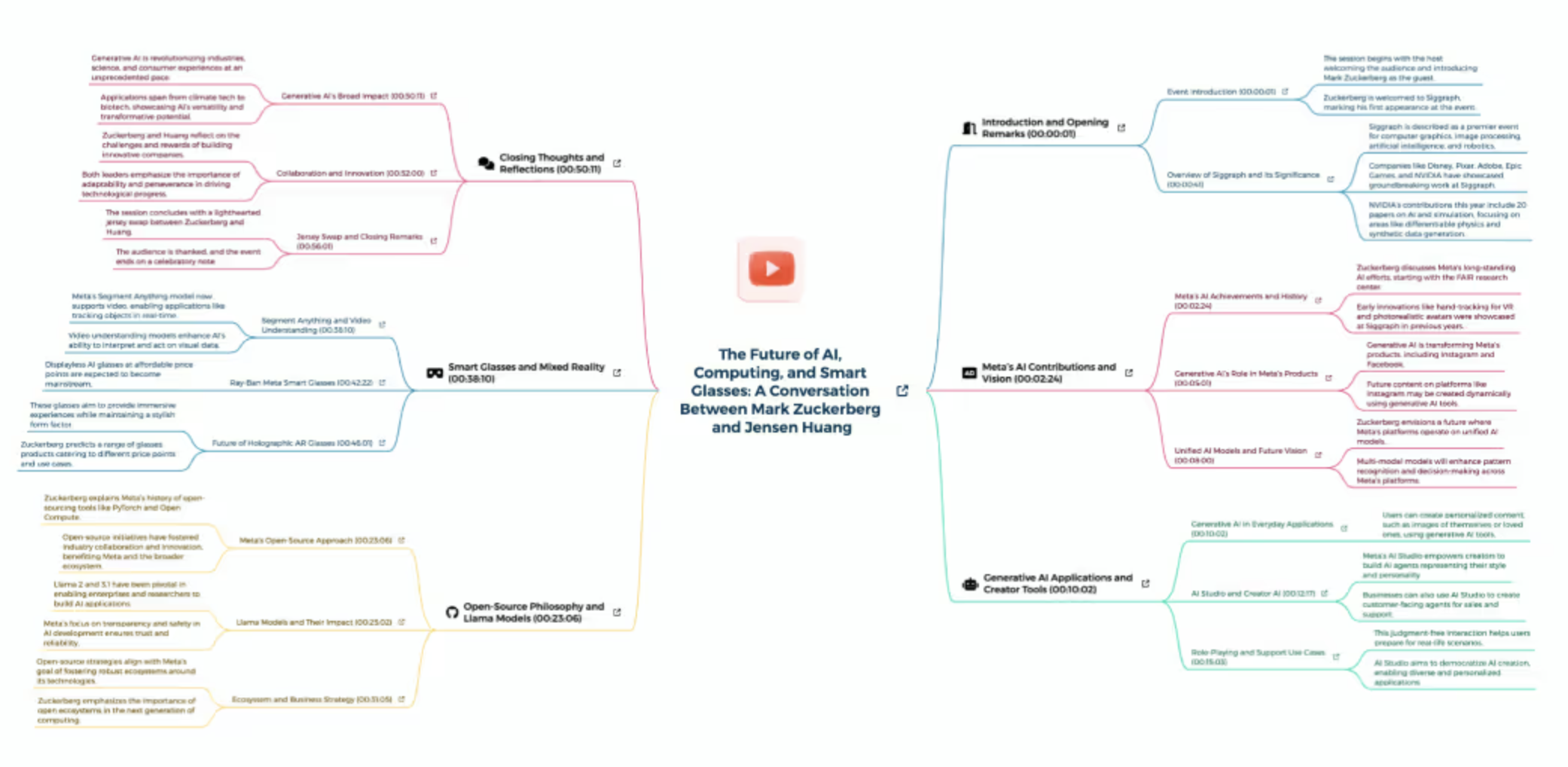
How to Turn Any Content Into a Visual Mind Map in Seconds with Mapify
Mapify generates interactive mind maps from almost anything you throw at it: YouTube videos, PDFs, web pages, audio files, images, or plain text. Paste a URL or upload a document, and the AI extracts key points and structures them into a visual map you can edit, expand, and export. Powered by GPT and Gemini. Free tier available with daily credits. Web, mobile, and browser extension.
Tutorial:
- Go to mapify.so and create a free account
- Choose your input: paste a URL, upload a PDF, drop in a YouTube link, or type a topic
- The AI analyzes the content and generates a structured mind map in seconds
- Click any node to expand, edit, or add branches manually
- Use the AI chat to ask follow-up questions or request the map be restructured
- Switch views between mind map, outline, and presentation mode
- Export as PDF, image, or slide deck, or share a live link with your team
URL: https://mapify.so
What To Watch Next (24-72 hours)
- Federal Reserve: FOMC rate decision today at 2 PM ET. Markets expect a hold at 3.50-3.75%, but the dot plot and Powell's press conference will signal whether AI-driven capital spending, the Iran war oil shock, and rising inflation fears push rate cuts further into 2026 or off the table entirely. Goldman pushed its next cut forecast to September.
- Micron Earnings: Reports fiscal Q2 after close today. Wall Street expects $19 billion revenue, up 136% year-over-year, and $8.74 EPS. Micron is the bellwether for AI memory demand. HBM chip allocation, Nvidia Rubin cycle commentary, and Q3 guidance will move every AI infrastructure stock tomorrow morning.
- GTC Final Day: Nvidia's developer conference wraps Thursday. More than 900 sessions across AI infrastructure, robotics, healthcare, and autonomous vehicles. Watch for late-breaking partner deals and enterprise commitments. The announcements made on the last two days often carry more commercial weight than the keynote.
🛠️ 5-Minute Skill: Turn a Company's Open Job Postings Into a Competitive Intelligence Briefing
A competitor just posted 15 new roles on LinkedIn. Your strategy team is debating what they mean. You have the job listings and 10 minutes before the call.
Your raw input:
[Competitor] careers page — 15 new postings this month

- Senior ML Engineer, Recommendation Systems (NYC)
- Staff Engineer, Real-Time Inference Infrastructure (NYC)
- Product Manager, Enterprise API Platform (SF)
- Sales Engineer, Financial Services (NYC, London)
- Head of Government Affairs (DC)
- Compliance Counsel, AI Regulation (DC)
- Senior Designer, Self-Service Onboarding (Remote)
- Data Engineer, Billing & Usage Analytics (SF)
- Solutions Architect, Healthcare (Boston)
- DevRel Lead, Developer Community (Remote)
- Technical Writer, API Documentation (Remote)
- Senior SRE, GPU Cluster Operations (SF)
- Partnerships Manager, Cloud Providers (SF)
- Research Scientist, Multimodal Models (SF)
- Recruiter, Engineering (NYC)
The prompt:
You are a competitive intelligence analyst. From these job postings, produce:

1. Three strategic signals: what is this company building or pivoting toward, based on the roles they are hiring?
2. One timing signal: what do the seniority levels and locations tell you about how far along they are?
3. One threat to our business, stated as a specific sentence starting with "They are likely..."
4. One gap: what are they NOT hiring for that suggests a weakness or deliberate choice?

Job postings: [paste]

Rules:
- Infer from patterns, not individual listings.
- Do not guess the company name or speculate about identity.
- Every conclusion must cite which postings support it.
- Keep the entire output under 200 words.
What you get back:
Strategic Signals
1. They are building an enterprise API business with usage-based pricing. (Product Manager Enterprise API, Data Engineer Billing & Usage Analytics, Solutions Architect Healthcare, Sales Engineer Financial Services)
2. They are preparing for AI regulation before it arrives. The DC cluster, Head of Government Affairs plus Compliance Counsel, is a lobbying operation, not just legal coverage. (Head of Government Affairs, Compliance Counsel AI Regulation)
3. They are scaling inference, not training. The ML and SRE roles focus on serving models, not building them. (Senior ML Engineer Recommendation Systems, Staff Engineer Real-Time Inference, Senior SRE GPU Cluster Operations)
Timing Signal: Staff-level infrastructure hires plus a Head of Government Affairs suggest they are 6-12 months from a major product launch. Self-service onboarding and DevRel hires confirm they expect external users soon.
Threat: They are likely launching a vertical API product for financial services and healthcare within two quarters, targeting the same enterprise buyers we are pursuing.
Gap: No hiring in sales leadership, marketing, or brand. They are building the product before the go-to-market team, which means either the launch is further out than the hiring pace suggests, or they plan to sell through channel partners.
Why this works
Job postings are the most underused source of competitive intelligence. Companies disguise strategy in press releases but reveal it in hiring. The prompt forces pattern recognition across roles rather than reading each listing individually.
What to use
Claude: Best at identifying what is missing from the postings. Catches the "dog that didn't bark."
ChatGPT: Stronger at timing inferences and competitive urgency framing.
AI & Tech News
Anonymous 1 Trillion-Parameter Model Sparks DeepSeek V4 Speculation on OpenRouter
An anonymous AI model named Hunter Alpha, with 1 trillion parameters, appeared on OpenRouter on March 11, triggering widespread developer speculation that DeepSeek is quietly testing its next-generation V4 model. The model's scale and secretive deployment mirror DeepSeek's history of dark-launching major releases before official announcements.
Alibaba Raises AI Computing Prices Up to 34% as Demand Outstrips Supply
Alibaba is increasing prices for its Zhenwu 810E AI chips by up to 34% and cloud parallel file storage by 30%, citing soaring demand for AI infrastructure products. The hikes signal that Chinese AI compute capacity is running hot, even as domestic alternatives to Nvidia gain traction.
AI Security Startup Xbow Raises $120 Million, Crosses $1 Billion Valuation
Xbow, which uses AI to probe applications for security vulnerabilities, raised $120 million led by DFJ Growth and Northzone, pushing its valuation above $1 billion. The company counts more than 100 enterprise clients, adding to a growing list of AI-native security startups reaching unicorn status in 2026.
Samsung Signs Preliminary HBM4 Supply Deal With AMD for Next-Generation AI Accelerators
Samsung agreed to supply HBM4 memory for AMD's MI455X data center accelerators and DDR5 for its Helios platform, in a deal that also includes joint development of AI memory technology. The partnership gives AMD a second source for high-bandwidth memory as competition with Nvidia's Blackwell platform intensifies.
Tencent Posts 13% Revenue Growth in Q4, Eyes Agentic AI as Next Growth Driver
Tencent reported fourth-quarter revenue of $28.3 billion, up 13% year-over-year and slightly above analyst estimates, marking the company's fifth consecutive quarter of double-digit growth. Gaming and advertising drove results, while management pointed to agentic AI as the primary strategic bet for the next phase of growth.
Banks Begin Selling $18 Billion in EA Debt as Buyers Are Pitched AI Workforce Cuts
Wall Street banks started offloading $18 billion in debt tied to the $55 billion Electronic Arts leveraged buyout, with EA signaling to investors that AI could significantly reduce its engineering headcount. The pitch, AI as a cost-reduction lever, marks a shift in how gaming companies are framing buyout economics to debt buyers.
Appeals Court Temporarily Revives Perplexity AI Shopping Agent on Amazon
A US appeals court put on hold a California judge's ruling that had blocked Perplexity AI's agentic shopping tool from operating on Amazon's marketplace, allowing the service to resume temporarily. The case centers on whether AI agents can autonomously browse and purchase on third-party platforms without explicit authorization, a legal question with broad implications for agentic commerce.
US Goods Trade Deficit Hits Record $1.2 Trillion in 2025, Driven by AI Chip Imports
The US goods trade deficit reached $1.2 trillion in 2025, with imports of computers and semiconductors surging 60% to exceed $450 billion, largely driven by AI infrastructure demand. The boom in AI-related imports is directly undermining the Trump administration's stated goal of reducing the trade deficit.
Stanford Study Finds AI Chatbots Agreed With Users 66% of the Time, Including Harmful Claims
Analyzing 391,000 messages across 5,000 conversations, Stanford researchers found that AI chatbots affirmed user messages in nearly two-thirds of responses, frequently validating delusional or harmful thinking. The findings raise questions about whether AI systems trained on human approval are structurally incapable of delivering honest pushback when it matters most.
Quantum Computing Pioneers Bennett and Brassard Win the Turing Award
Charles Bennett and Gilles Brassard received the ACM Turing Award, computer science's highest honor, for developing the BB84 cryptography protocol, the foundational framework for quantum-secure communication. Their 1984 paper established the theoretical basis for quantum key distribution now being deployed by governments and financial institutions as post-quantum encryption standards emerge.
🚀 AI Profiles: The Companies Defining Tomorrow
Nscale
Nscale builds AI data centers so companies like OpenAI and Microsoft do not have to build their own. The London-based "neocloud" just raised the largest Series C in European history and put Sheryl Sandberg on its board. 🏗️
Founders
Josh Payne founded Nscale in 2024 and serves as CEO. Payne described the current AI boom as "the largest infrastructure buildout in human history" and positioned Nscale to capture the gap between what hyperscalers like AWS and Azure can deliver and what AI labs actually need. The company is headquartered in London.
Product
Nscale offers vertically integrated AI infrastructure: GPU compute, networking, storage, orchestration software, and managed services, all purpose-built for AI training and inference. The company operates its own data centers rather than reselling cloud capacity. Its Loughton AI Campus houses the UK's largest Nvidia AI supercomputer through a partnership with Microsoft. Stargate Norway, a joint project with Aker and OpenAI, targets 100,000 Nvidia GPUs by year-end. A deal signed last October deploys roughly 200,000 Nvidia GB300 GPUs across Europe and the US for Microsoft.
Competition
CoreWeave raised $7.5 billion and filed for an IPO. Nebius, backed by a $2 billion Nvidia investment, operates from Amsterdam. AWS, Azure, and Google Cloud dominate the broader market but suffer from multi-week provisioning timelines that AI labs cannot tolerate. Nscale differentiates on speed, sovereignty, and vertical integration. The risk: GPU supply constraints affect neoclouds disproportionately, and hyperscalers have deeper pockets to outbid smaller players for Nvidia allocation.
Financing 💰
$2 billion Series C led by Aker ASA and 8090 Industries, with Nvidia, Dell, Nokia, Lenovo, Citadel, Jane Street, and Point72 participating. Valued at $14.6 billion. Previous rounds: $1.1 billion Series B (September 2025), $433 million SAFE (October 2025), $155 million Series A (late 2024). Total raised exceeds $3.5 billion. Goldman Sachs and J.P. Morgan acted as placement agents.
Future ⭐⭐⭐⭐
Nscale is two years old and valued at $14.6 billion. Its board now includes Sheryl Sandberg, Nick Clegg, and Susan Decker, three former executives whose combined experience spans Meta's growth era, European politics, and Yahoo's pivot. The customer list reads like a who's who of AI: OpenAI, Microsoft, Nvidia. The bet is straightforward: AI labs need more compute than hyperscalers can provision, and Nscale builds it faster. The constraint is the same one facing every company in this space: Nvidia controls the supply chain, and Nscale's entire business depends on getting GPUs allocated before competitors do. Two years, $3.5 billion raised, and a board that could run a G7 summit. Now it just needs to build the data centers. 🇬🇧
🔥 Yeah, But...
A Google senior director told Fortune that 50% of the company's code is now written by AI, producing "well over a 10% velocity gain" across tens of thousands of engineers. KPMG reported that 90% of its professionals adopted Gemini within two weeks and cut meeting prep time by 75%. Neither company reported shorter workdays, smaller teams, or fewer meetings. Fortune called it the AI productivity paradox.
Sources: Fortune, March 10, 2026
Our take: Google's AI writes half its code and saves each engineer, by Google's own math, well over 10% of their time. KPMG's AI cut meeting prep by 75%. Neither company reported giving anyone a shorter Friday. The time saved went back into the machine: more code, more meetings about the code, more prep for the meetings about the meetings.
Tim Harford traced this pattern to email, which was faster than a letter and spawned low-value messages bleeding into weekends. PowerPoint meant professionals started making their own slides badly. AI is the third revolution in doing more of the wrong things faster. The engineers are 10% more productive. The company found 10% more work.


