IMPLICATOR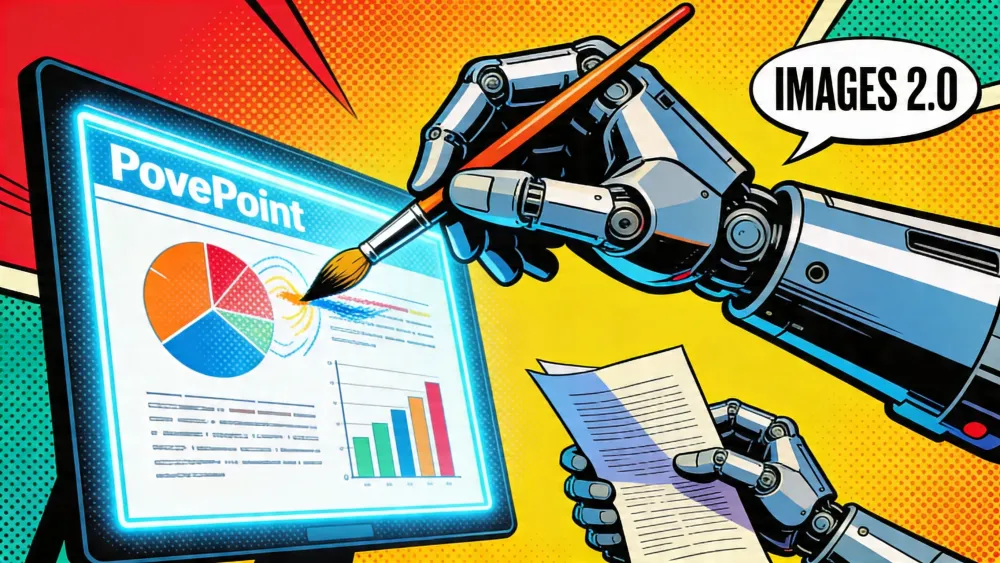
OpenAI on Tuesday released ChatGPT Images 2.0, a reasoning-capable image model that can search the web and generate up to eight consistent images from a single prompt, the company announced during a livestream. The new GPT Image 2 model scored 1,512 on LM Arena's Text-to-Image leaderboard, a 242-point lead over Google's Nano Banana 2 and what Arena called the largest gap between #1 and #2 ever recorded. The launch arrives nearly five months after CEO Sam Altman's post-Thanksgiving "code red" memo, which pushed the company to close a consumer-mindshare gap against Google.
The Arena score is the headline. It isn't the story.
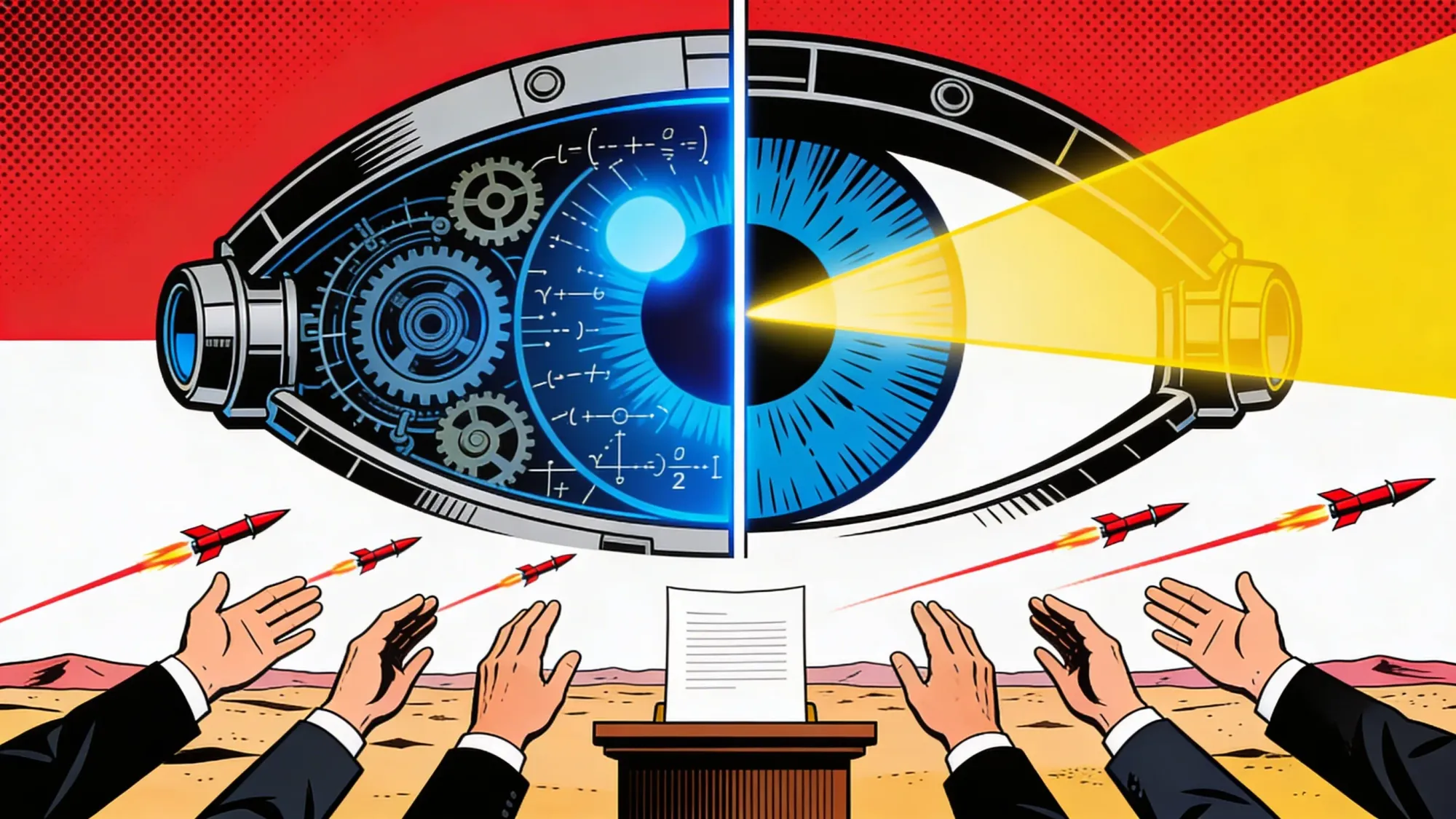
What OpenAI actually shipped is a structural bet on what an image model is for. The company called images "a language, not decoration." Read that line again. Then look at what the model now does: it opens a PowerPoint file you uploaded, reasons through the layout, pulls fresh data from the web, and outputs a consistent eight-image campaign. You're not prompting a painter anymore. You're briefing an analyst who draws.
That's the pivot. And it reshapes the competition.
Key Takeaways
- GPT Image 2 scored 1,512 on LM Arena, a record 242-point lead over Google's Nano Banana 2.
- The model reasons, searches the web, and reads uploaded files before generating up to eight consistent images.
- OpenAI reframed image generation as a reasoning problem, not a rendering one, shifting the competitive moat.
- High-quality output costs $0.21 per image via API, pressuring Adobe, Canva, Midjourney, and agency billable hours.
AI-generated summary, reviewed by an editor. More on our AI guidelines.
The race everyone thought they were running
For most of the past year, image AI has been framed as a race over pixel quality. Google set the pace. Its Nano Banana model, released in August 2025, pulled Gemini's monthly users from 450 million to 650 million inside three months. Nano Banana Pro went viral in November for finally rendering text inside images cleanly. Altman declared "code red" within days, Fortune reported. The company had eight weeks to respond.
OpenAI shipped Image 1.5 in December. It topped benchmarks but never caught fire the way Nano Banana did. Allie Miller, an AI investor, told Fortune about a Mark Cuban event where the phrase "Nano Banana" got instant recognition from a crowd new to AI. ChatGPT Images got no such moment. OpenAI sounded rattled.
Then came the quieter move. OpenAI killed Sora, the video app, a month ago. It pivoted Codex to enterprise. It wired image generation into the same "thinking" capability that powers its reasoning models. And it released a model that acts less like Midjourney and more like a junior designer with internet access.
Amanda Silberling at TechCrunch asked in a press briefing what architecture powers Images 2.0. OpenAI declined to answer. Research Lead Boyuan Chen said only that it's a "generalist model" or "GPT for images." The company is being coy on purpose. The reveal isn't the weights. It's what the weights sit inside.
What OpenAI actually shipped
Every competitor framed image generation as a problem of rendering. Better diffusion. Sharper text. Nano Banana Pro won on realism and multi-image consistency. Adobe Firefly won on precision editing.
OpenAI just reframed the problem as reasoning.
In a press demo, Product Lead Adele Li uploaded an internal PowerPoint and asked the model for a poster. The system didn't pattern-match. It read the document, pulled the right logos, kept the source formatting, then rendered. The model "thinks" about your slide deck before picking up the pencil.
The Arena data backs the shift. GPT-Image-2 jumped +316 points in Text Rendering over its predecessor. Portraits gained +296. Photorealism, product branding, and 3D imaging all landed somewhere in the +247 to +277 band. Those aren't rendering wins. Those are the gains you get when the model can verify its own output and pull reference material from the web before committing pixels. OpenAI just made image generation an agent.
The AI race, analyzed daily
Strategic AI news from San Francisco. No hype, no "AI will change everything" throat clearing. Just what moved, who won, and why it matters. Daily at 6am PST.
No spam. Unsubscribe anytime.
Google saw this coming. Nano Banana Pro added reasoning in November. But Google built reasoning into an image model. OpenAI built an image tool into a reasoning model. That architectural difference is what the 242-point Elo gap measures.
The super-app play
ChatGPT killed Sora in March. It replaced it with what CNET calls a "super app" built out of Codex, where text, code, image, and design share one reasoning stack. Adele Li called it "your creative assistant." What she means: the model drafts your email and mocks up your brand deck from one chat window.
Sora was a fork. Images 2.0 is a root. That matters because OpenAI is reportedly racing toward an IPO expected this year, with profitability still far off, per Gizmodo. Investors want a coherent financial story, not a grab bag of consumer apps. A single agentic stack with a creative layer on top is easier to sell than a dozen separate products each bleeding compute.
ChatGPT has 900 million weekly active users. If Images 2.0 produces a viral moment the way GPT-4o did with Studio Ghibli memes last year, the path to a billion opens. That's the business case sitting under the benchmark score. And the model is good enough that you, the paying user, will probably open Photoshop less this week than last.
Where the moat lives now
For two years, image AI's moat was training data and model quality. That moat is thinning. Benchmark leadership changes hands every quarter now. What's durable is the stack sitting around the model.
OpenAI has three things the competition doesn't. A 900-million-user chat surface. A reasoning layer that the image model can call. And an enterprise pipeline through Codex that makes image generation a normal workflow step, not a creative detour. Google has Search distribution, but Gemini still doesn't feel like an assistant. Midjourney has the artists. Adobe has the professionals. OpenAI is cornering the middle, the marketer with a Thursday deadline and the teacher building a study guide from scratch.
Nano Banana 2 is cheaper. Nano Banana Pro locks characters across 14 reference images. Adobe owns precision editing. None of that matters if the model your users already talk to every day can read your slide and hand back eight on-brand assets before you finish your coffee.
That's not a drawing tool. That's a replacement for a creative agency.
Who loses and how fast
Three things follow.
Google's position looks defensive. Nano Banana's mindshare win relied on virality and speed. Now OpenAI has the stronger reasoning product and still owns the bigger distribution surface. Google's response will probably be to fold image work deeper into Gemini and Search, which it's already doing by making Nano Banana 2 free in Search across 141 countries. The cost-per-image race is Google's to win. But OpenAI just made cost-per-image the wrong question.
Adobe's situation is quieter and worse. Enterprise design still runs on Adobe's file formats and workflows. Images 2.0 doesn't replace Photoshop. But it makes much of what a marketing team creates each week something you can generate inside ChatGPT for $0.21 per high-quality image, according to OpenAI's API pricing. That's not a product threat. It's a volume threat. Adobe's pricing power depends on professional customers treating design as a specialized activity. OpenAI just made it a conversation.
The last shift is the hardest to price. When images become outputs of reasoning rather than inputs to it, the labor between idea and visual gets compressed into the prompt. Teachers stop briefing a design team. Marketing managers stop routing assets through freelancers. That intermediate rendering labor disappears into the chat window. Midjourney's addressable market, Canva's premium tier, and a nontrivial slice of agency billable hours all fold into a $20-a-month subscription.
OpenAI's release notes called images "a language." The company means it literally. Every competitor still thinks it's shipping a camera. OpenAI just shipped a writer who knows how to draw.
Watch what Altman does next. If GPT-5.4 gets native video generation in the next quarter, that's the same play, running on the same rails, aimed at the same moat. The Arena score was the opening move.
Frequently Asked Questions
What is ChatGPT Images 2.0?
It's OpenAI's new image generation model, also called GPT Image 2. It can search the web, read uploaded documents like PowerPoint files, and produce up to eight consistent images from a single prompt. The company calls it a reasoning-capable image model that sits inside the same stack as ChatGPT's reasoning engine, rather than a standalone diffusion tool.
How did it score on LM Arena?
GPT Image 2 scored 1,512 on LM Arena's Text-to-Image leaderboard. That's 242 points ahead of Google's Nano Banana 2, which Arena called the largest gap between the #1 and #2 models ever recorded on its leaderboard.
How does it compare to Google's Nano Banana 2?
Nano Banana 2 still wins on cost and is free in Google Search across 141 countries. Nano Banana Pro locks characters across 14 reference images. But OpenAI's model can reason about uploaded documents and web data before generating, a capability Google built into Gemini differently. The Arena score suggests OpenAI's reasoning-first architecture pulls ahead on quality.
How much does it cost?
High-quality image generation runs $0.21 per image through OpenAI's API, according to the company's pricing page. Inside ChatGPT's $20-a-month subscription, image generation is included. That pricing puts direct pressure on Adobe's enterprise design tools, Canva's premium tier, and freelance creative workflows.
Why does it matter for Adobe and Canva?
The shift compresses the labor between idea and finished visual into a single chat prompt. Marketing teams, teachers, and product managers can now generate on-brand assets without routing through design tools or agencies. Adobe's pricing power depends on design staying a specialized activity. OpenAI just made it a conversation, and that's a volume threat to the entire creative software stack.
AI-generated summary, reviewed by an editor. More on our AI guidelines.
Free AI briefing · Weekdays
The AI stories that matter, sourced and explained.
Join the Morning Briefing. It goes out every weekday at 4:45 a.m. Pacific, with later sends for the East Coast, Berlin and Tokyo.
Free when you sign up: The Paperclip Compendium, our tested guide to running AI agents.
Free. Unsubscribe in one click.

Marcus Schuler
Editor-in-Chief and founder of Implicator.ai. Former ARD correspondent and senior broadcast journalist with 10+ years covering tech. Writes daily briefings on policy and market developments. Based in San Francisco. E-mail: editor@implicator.ai