IMPLICATOR
OpenAI said Thursday, June 4, it is rolling out a new ChatGPT memory system to U.S. Plus and Pro users and will extend it to Free and Go users in more countries over the next several weeks. The system, described by OpenAI, uses a background process the company calls “dreaming” to synthesize context from past chats, and "recent improvements reduced the compute required to serve dreaming to Free users by approximately 5x," it wrote, making the feature practical for free accounts. A separate ChatGPT release note says paid users get twice the memory capacity and a page for reviewing what ChatGPT may use to personalize replies.
Key Takeaways
- OpenAI is rolling Dreaming V3 to U.S. Plus and Pro users first.
- Free and Go users are scheduled for the system over the next several weeks.
- OpenAI says a 5x compute cut made free-tier memory practical.
- Researchers have flagged privacy risks in automated memory creation.
AI-generated summary, reviewed by an editor. More on our AI guidelines.
From saved memories to background dreaming
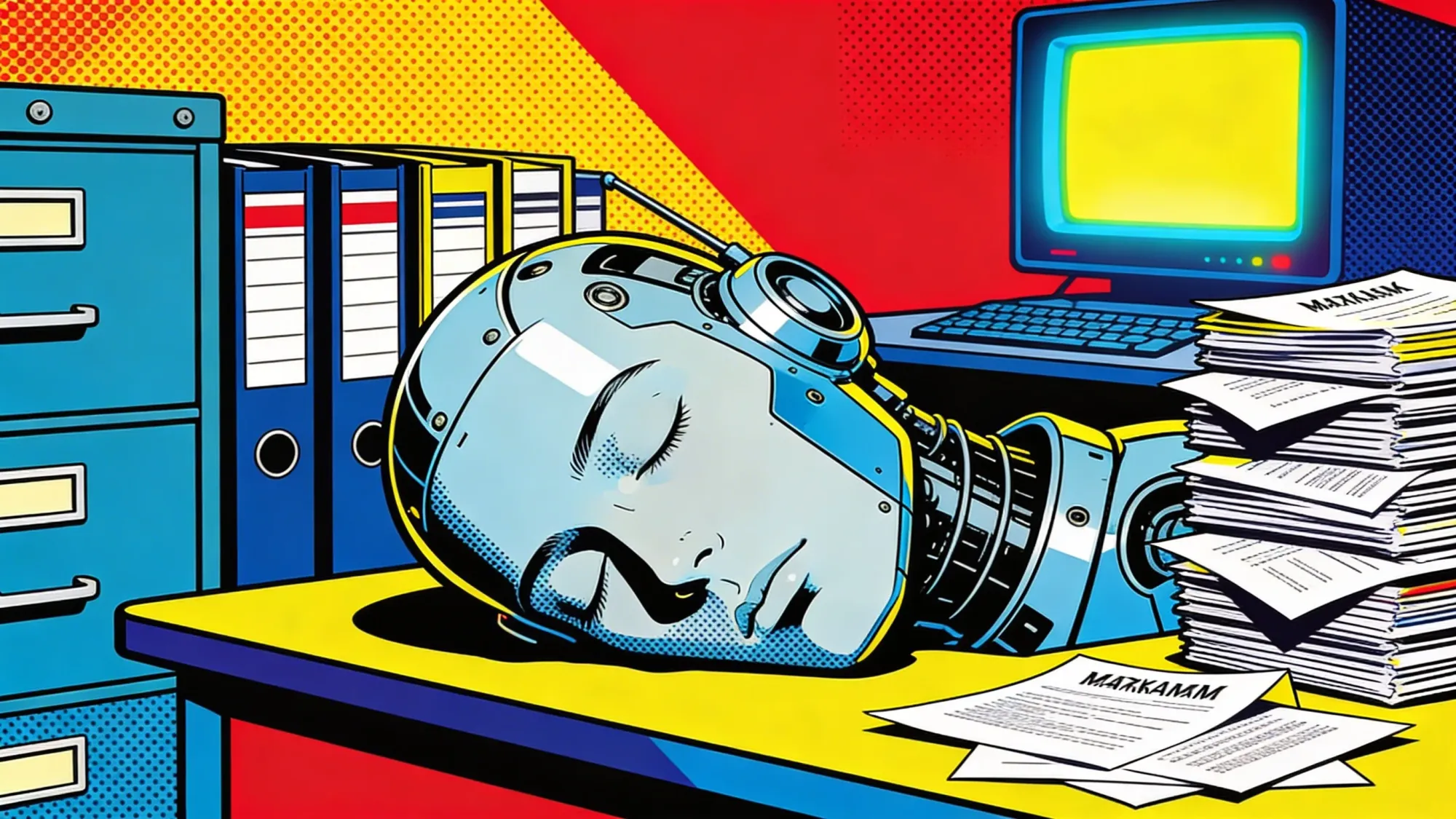
Saved memories, introduced in April 2024, depended on direct cues such as a user telling ChatGPT to "remember I'm traveling to Singapore in July." OpenAI said the first version of dreaming arrived in April 2025, when ChatGPT began drawing on chat history outside that saved-memories list. Dreaming "supplemented saved memories" but "historically was never sufficient as a standalone memory system," the company wrote, and the version it began shipping Thursday makes the background process the standalone base.
In OpenAI's published examples, ChatGPT uses an earlier conversation about a Sony A1 II camera and Nauticam housing to answer a later underwater-gear question, and rewrites a stored Singapore trip from upcoming to finished once the dates pass. The Decoder, reviewing the interface, reported that ChatGPT now keeps a "coherent prose profile" sorted into categories such as work, hobbies, and travel instead of a bulleted list of facts.
OpenAI's own benchmarks, no outside comparison
The performance figures are OpenAI's own. The company said its internal tests measure recall, adherence to stated preferences, and sensitivity to elapsed time, and it reported fact retrieval at 82.8 percent under the new system (67.9 percent in 2025, 41.5 percent in 2024), preference-following at 71.3 percent (from 31.4 percent), and freshness at 75.1 percent (from 52.2 percent). OpenAI called the system "significantly more capable and compute-efficient" but published no comparison against a rival assistant or an independent benchmark.
The summary page builds on the sources panel OpenAI shipped with GPT-5.5 Instant in May, which lets users see which prior chats, files, and connected Gmail items shaped a given answer. Engadget reported that the new summary is "designed to complement" that feature, letting users add or correct facts about themselves and tell ChatGPT when to draw on them.
Track the AI memory race weekly
Strategic AI news from San Francisco. No hype, no "AI will change everything" throat clearing. Just what moved, who won, and why it matters. Daily at 6am PST.
No spam. Unsubscribe anytime.
A study of 2,050 saved memories
A February arXiv paper, "The Algorithmic Self-Portrait," by Abhisek Dash and colleagues and accepted at the ACM Web Conference 2026, analyzed 2,050 memory entries from 80 ChatGPT users and found that 96 percent "are created unilaterally by the conversational system," rather than by explicit user instruction. The same dataset held General Data Protection Regulation (GDPR)-defined personal data in 28 percent of entries and psychological insights in 52 percent, while 84 percent were grounded in the user's own context.
The expansion lands against a safety record tied to the same feature. After OpenAI's April 2025 dreaming update let ChatGPT reference a user's full chat history, some users told The Wall Street Journal the assistant kept steering unrelated conversations back to personal disclosures, and the update has surfaced in wrongful-death and product-safety suits against the company. One complaint, cited by Futurism, argues the expanded memory "stored and referenced user information across conversations in order to create deeper intimacy." The pattern matches earlier cases of ChatGPT delusional spirals, where persistent memory let the same personal threads resurface in new chats. OpenAI's release notes let users revert at Settings > Memory > Saved memories, and the company says each account gets an in-product notice when the update arrives.
Paid U.S. users first, free tier in weeks
Plus and Pro users in the United States get the new system first, and OpenAI told iOS and Android users to update their ChatGPT apps to receive it. Free and Go users, along with additional countries, are scheduled over the next several weeks, with no country-by-country timetable in the release notes.
The European Commission says transparency obligations under the EU AI Act take effect in August 2026, and OpenAI's expansion to additional countries falls in the months before that deadline.
Know someone who'd find this useful? ✉️ Email it to a friend in one click, or they can subscribe free here.
Frequently Asked Questions
What is OpenAI Dreaming V3?
Dreaming V3 is OpenAI's new ChatGPT memory architecture. It synthesizes useful context from past chats in the background, then uses a memory summary page to show users what the system may rely on.
Who gets the new ChatGPT memory first?
OpenAI says U.S. Plus and Pro users get the update first. Free and Go users, along with additional countries, are scheduled to receive it over the next several weeks.
Why can OpenAI bring dreaming memory to free users now?
OpenAI says recent work cut the compute required to serve dreaming to Free users by roughly 5x. The company says that makes broader rollout practical while paid users get more capacity.
How can users review or change ChatGPT memories?
OpenAI says users can review the information through sources or the memory summary page. Release notes also point users to Settings > Memory > Saved memories if they prefer the legacy system.
What privacy issue does the article flag?
A February arXiv paper analyzing 2,050 ChatGPT entries found that 96 percent were created by the system rather than explicit user instruction, including personal data and psychological insights.
AI-generated summary, reviewed by an editor. More on our AI guidelines.

Free AI briefing · Weekdays
The AI stories that matter, sourced and explained.
Join the Morning Briefing. It goes out every weekday at 4:45 a.m. Pacific, with later sends for the East Coast, Berlin and Tokyo.
Free when you sign up: The Paperclip Compendium, our tested guide to running AI agents.
Free. Unsubscribe in one click.

Marcus Schuler
Editor-in-Chief and founder of Implicator.ai. Former ARD correspondent and senior broadcast journalist with 10+ years covering tech. Writes daily briefings on policy and market developments. Based in San Francisco. E-mail: editor@implicator.ai