


San Francisco | Friday, January 30, 2026
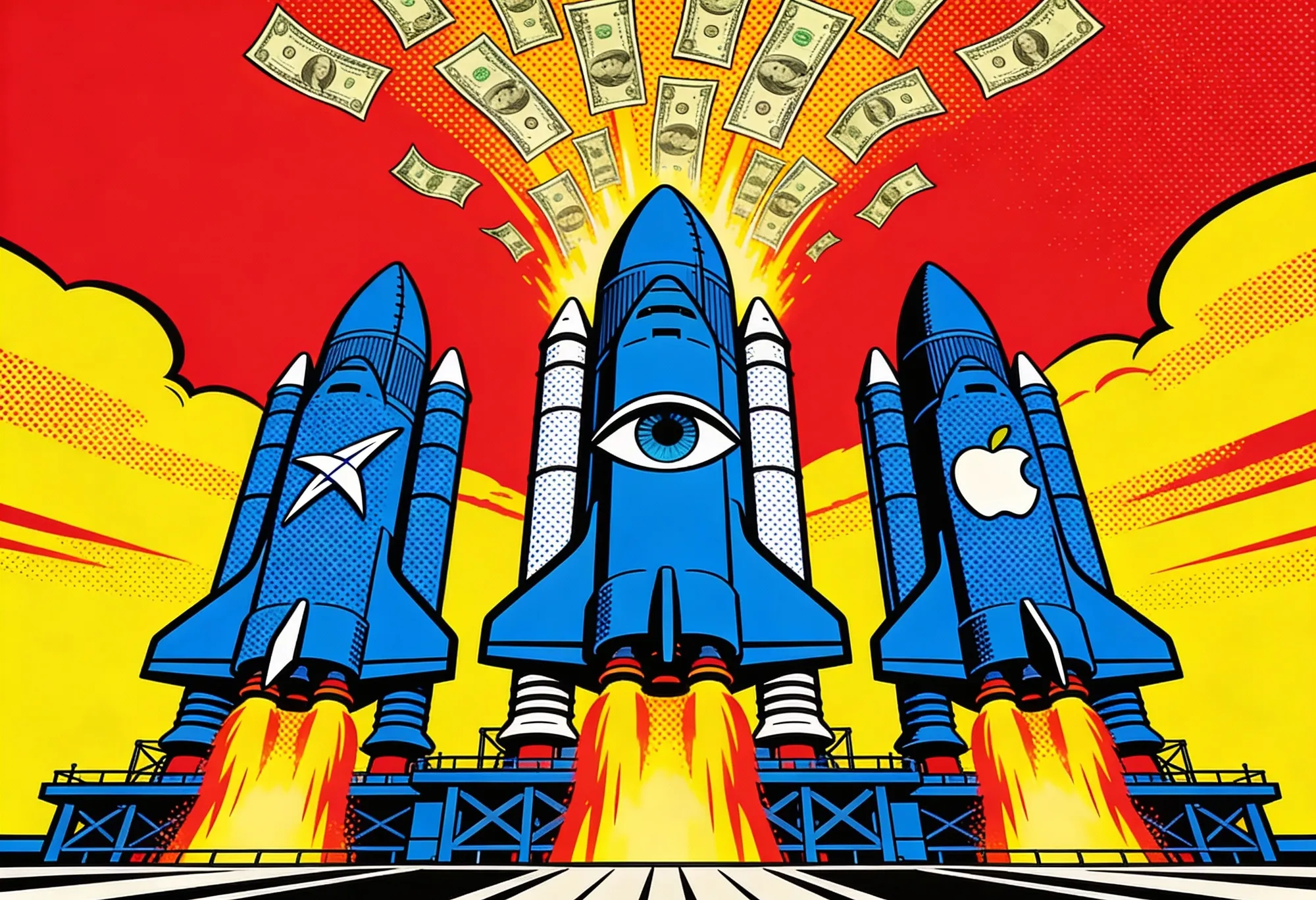
Elon Musk filed two shell companies in Nevada nine days before Reuters confirmed SpaceX and xAI are merging ahead of the largest IPO in history. The pitch: orbital data centers powered by solar. The reality: financial engineering at $1.5 trillion, with a $200 million Pentagon contract doing the quiet work.
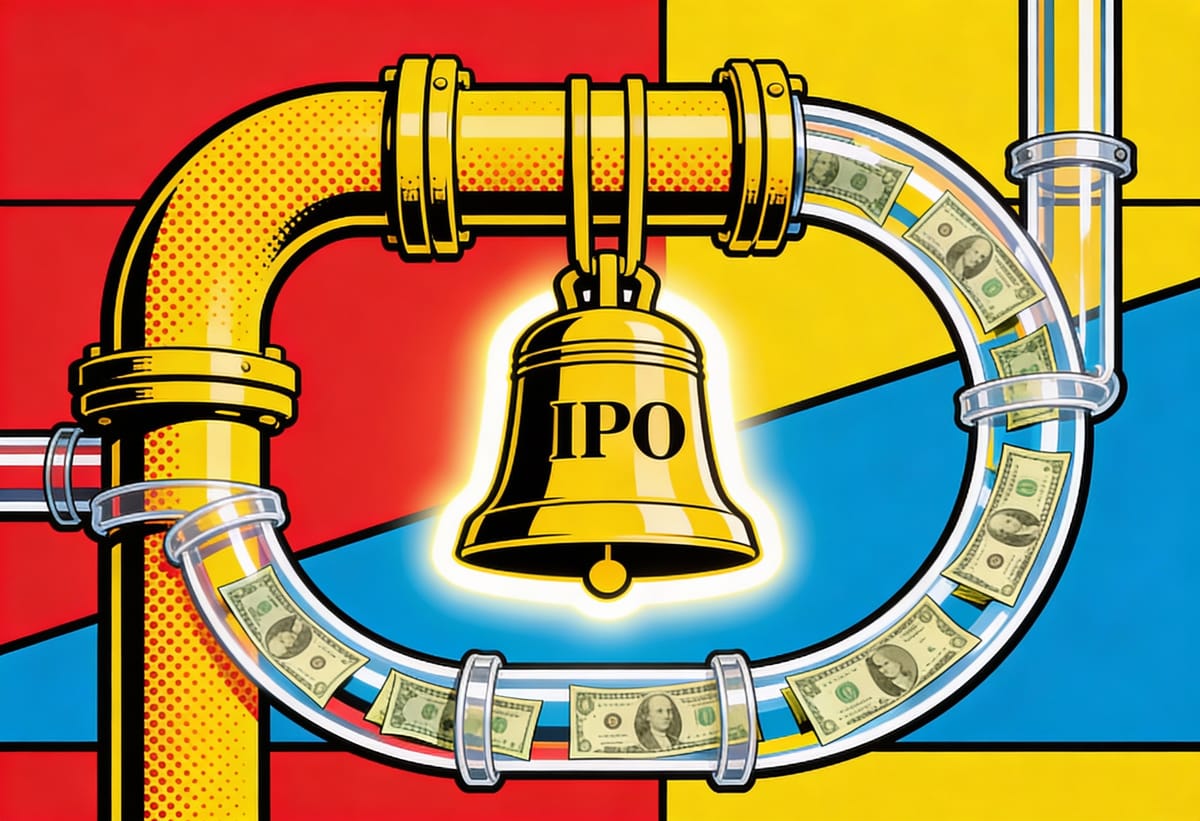
Sam Altman wants $100 billion more before going public at $830 billion. His biggest investors are also his biggest vendors. The money flows in a circle, and nobody can afford to step off the ride.
Apple, meanwhile, paid $2 billion for an Israeli startup that reads your face. Silent speech recognition for future wearables. The acquisition signals Cupertino's answer to Siri's failures and Meta's smart glasses.
Stay curious,
Marcus Schuler
SpaceX and xAI Merge Ahead of Record $1.5 Trillion IPO
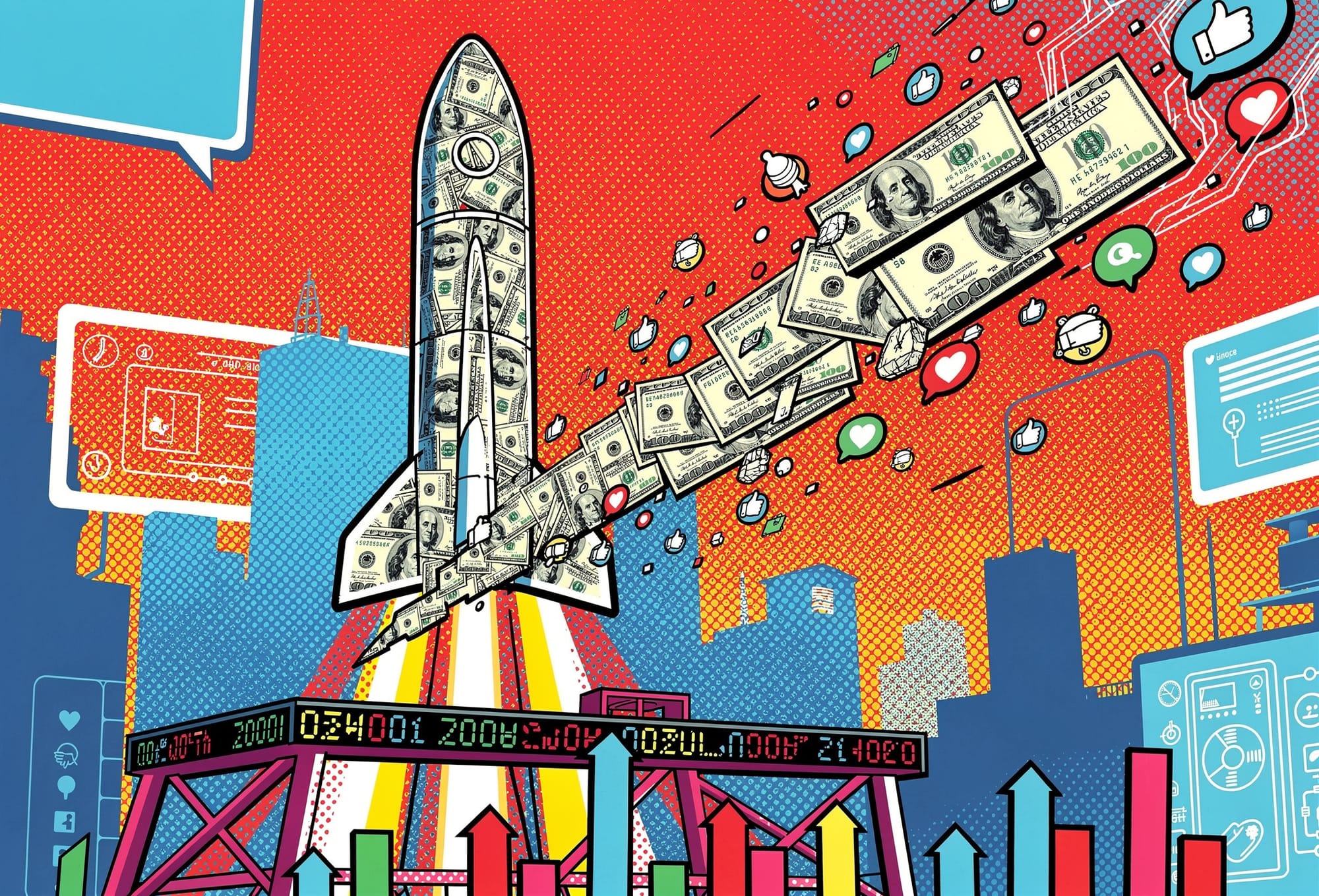
Two shell companies. One CFO. A $50 billion listing that would dwarf Saudi Aramco. SpaceX and xAI are merging, and the orbital data center pitch is covering for something simpler: financial engineering on a scale Wall Street has never priced.
K2 Merger Sub Inc. and K2 Merger Sub 2 LLC appeared in Nevada on January 21, both listing SpaceX CFO Bret Johnsen as an executive. Nine days later, Reuters confirmed merger talks. Under the proposed deal, xAI shares convert to SpaceX stock ahead of a summer IPO targeting $1.5 trillion.
The problem: SpaceX generated $24 billion in revenue last year. At that valuation, buyers pay 60 times revenue. Musk's answer is orbital data centers powered by solar energy. No working prototype exists. Google and Blue Origin are researching similar concepts, but neither has proposed merging their AI divisions with their launch companies to justify the math.
The quieter rationale is defense. xAI holds a $200 million Pentagon contract for Grok. SpaceX's classified Starshield satellites already run AI-powered sensors for a U.S. intelligence agency. The merged entity becomes a one-stop contractor for military AI. Pentagon contracts won't dazzle an IPO roadshow, but the revenue is real.
Ross Gerber, whose firm holds stakes in both Tesla and xAI, offered the most honest assessment: "It's like a bunch of overvalued companies merging together into one big overvalued mess run by Elon. But it's a pure play now. You want to invest in Elon? Here you go."
Why This Matters:
- A successful listing would be the largest IPO in history and set the valuation benchmark for every AI company preparing to go public in 2026.
- The merger extends Musk's pattern of consolidating his own companies, after Tesla-SolarCity and xAI-Twitter, raising governance questions that public-market scrutiny will amplify.
✅ Reality Check
What's confirmed: Two shell companies filed in Nevada list SpaceX's CFO. Reuters confirmed merger talks. xAI holds a $200 million Pentagon contract for Grok integration.
What's implied (not proven): Orbital data centers justify the merger on technical merit, not just financial engineering ahead of an IPO at 60x revenue.
What could go wrong: Absorbing xAI's cash burn and unproven AI revenue dilutes SpaceX's launch business, the one segment investors actually understand.
What to watch next: S-1 filing timeline and whether xAI's Grok revenue gets broken out separately. Polymarket puts merger odds at 48% by mid-year.
OpenAI Targets Q4 IPO While Raising $100 Billion at $830 Billion Valuation
Sam Altman smiled for cameras in Seoul. His finance team was hiring the people you bring on when you're about to go public. The photo ops were for the press. The hires were for Wall Street.
OpenAI is preparing to list in Q4 2026 while closing a pre-IPO round that could exceed $100 billion. Amazon CEO Andy Jassy is personally negotiating up to $50 billion. SoftBank is discussing $30 billion. Nvidia could put in $20 billion. Microsoft, already the largest investor, is in talks for another $10 to $20 billion.
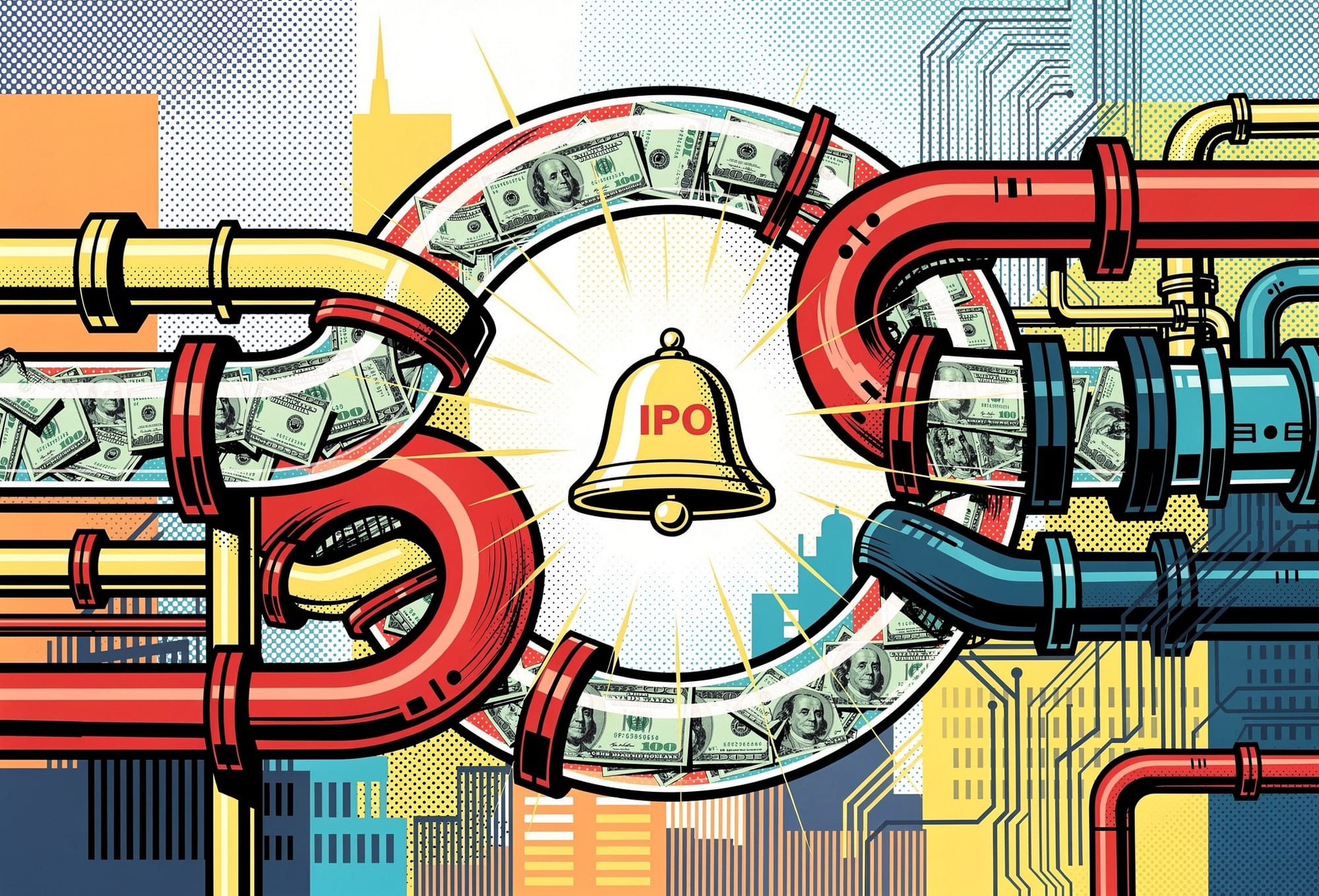
The circular dependency is the story. Three of those investors are also OpenAI's largest infrastructure providers. They sell the company chips, cloud computing, and data center capacity. When they invest, some of that money flows directly back to them as revenue. Microsoft disclosed this week that OpenAI accounts for 45 percent of its $625 billion in future contracts. Microsoft shares dropped nearly 10 percent.
OpenAI generated $13 billion in revenue last year and expects to triple that in 2026. But the company has locked in $1.4 trillion in long-term compute commitments. Anthropic projects breakeven by 2028. OpenAI says 2030. Altman himself said on a podcast in December: "Am I excited to be a public company CEO? 0%."
Why This Matters:
- The first pure-play AI company to list captures a massive pool of retail investors who have had zero options to own generative AI directly. OpenAI and Anthropic are both racing for that window.
- Microsoft's 10% stock drop after revealing its OpenAI exposure signals that public markets are already nervous about the circular funding structure.
Apple Pays $2 Billion for Silent Speech Technology

Apple just made its second-largest acquisition ever. The target: an Israeli startup with 100 employees that reads your face.
Apple acquired Q.AI for close to $2 billion, gaining machine learning models that track facial skin micro-movements to decode silent and whispered speech. The system uses small embedded cameras in devices like glasses or earbuds to interpret jaw, lip, and throat muscle contractions without requiring audible sound.
Q.AI founder Aviad Maizels has been here before. He sold PrimeSense to Apple in 2013 for $350 million. That technology became Face ID across more than one billion iPhones. The deal represents roughly an 80x return on Q.AI's total venture funding of $24.5 million.
Two use cases drive the acquisition. Input: users could ask Siri questions by mouthing words through AirPods on a crowded train. Audio enhancement: combining facial movement data with microphone input for better speech recognition in noisy environments. Both feed directly into Apple's 2026-2027 smart glasses development timeline.
"We combined advanced machine learning with physics to build something truly deep and unique," Maizels said. Johny Srouji, Apple's hardware VP, called the technology "pioneering."
Why This Matters:
- The acquisition fills a gap that repeated Siri AI upgrades have failed to close, and positions Apple against Meta's Ray-Ban smart glasses and Google's wearable AI push.
- An 80x return on invested capital signals that Apple priced the underlying technology, not current revenue, a premium that will attract more Israeli AI startups to Cupertino's orbit.
AI Image of the Day

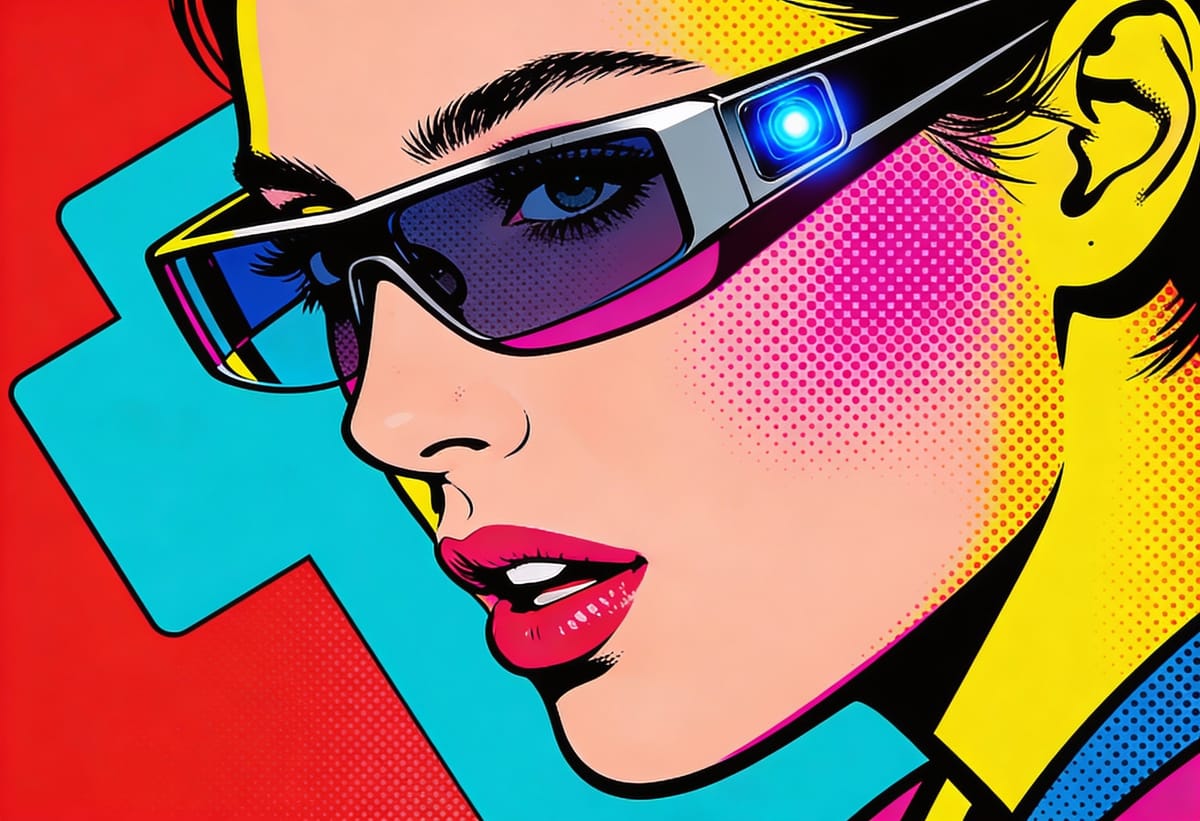
Prompt: a portrait of a mantis girl fusion, bio-metamorphosis, character design, highly realistic digital illustration in the style of Tran Nguyen
What To Watch Next (24-72 hours)
- Web Summit Qatar: Opens Sunday in Doha with 15,000 attendees expected. Gulf sovereign wealth funds are deploying billions into AI infrastructure. Watch for partnership announcements between Western AI labs and regional players.
- Palantir Earnings Preview: Reports Monday, February 2. The government AI contractor has tripled in value over 12 months. Guidance on AIP commercial expansion will test whether the valuation has room to run.
- February Jobs Report Prep: Next Friday's employment data will shape Fed rate expectations. Tech hiring trends and AI-related job growth will signal whether automation fears or labor shortages dominate the narrative.
The One Number
50 million to 300 million — JioHotstar's subscriber count before and after moving IPL cricket behind a paywall in early 2025. Four months. That's what happens when you control the content 1.4 billion people actually want to watch. Netflix has 20 million subscribers in India. Amazon Prime has 65 million. Cricket has the upper hand.
Source: India Dispatch / HSBC
🧩 Workflow of the Day
Workflow of the Day: "Turn an earnings call into an executive brief"
Who: A product strategist or investor who needs to extract signal from quarterly earnings transcripts without listening to two hours of corporate filler.
Problem: Earnings calls bury the important information under prepared remarks, hedging language, and analyst crosstalk. Reading the full transcript takes 45 minutes. Skimming misses the deflections that matter most.
Workflow (with Claude or ChatGPT):
- Grab the transcript from Seeking Alpha, the company's IR page, or a financial data provider. Paste the full text into your AI tool.
- Run the extraction prompt: "Identify every concrete number, forward guidance statement, and competitive mention. Separate confirmed metrics from management projections."
- Flag the deflections: "Which analyst questions did management answer indirectly or redirect? What topics were conspicuously absent?"
- Generate the brief: "Write a 300-word executive summary: what changed, what was promised, and what wasn't said."
- Verify one claim: Pick the most surprising number from the brief, trace it back to the transcript, and confirm context.
- Export as a one-page memo with three sections: Numbers, Commitments, Red Flags.
Payoff: A focused executive brief in 15 minutes instead of a 45-minute transcript slog, with the deflections highlighted, not buried.
Gotcha: AI tools sometimes confuse analyst estimates with management guidance. Always verify whether a number came from a question or an answer.
Tools: Claude | Seeking Alpha
Better Prompting... Today: Financial Due Diligence
Your AI can read a balance sheet faster than you can find the right tab. These prompts turn it into a junior analyst who never sleeps.
The Circular Dependency Mapper
"Here is [company]'s latest investor list and revenue breakdown: [paste]. Map every case where an investor is also a customer or supplier. For each link, calculate what percentage of the company's revenue comes from its own investors. Flag any dependency above 15%."
Best on: Claude (handles complex relationship mapping) or Perplexity (can pull current financial data)
The IPO Red Flag Scanner
"Review this S-1 filing or earnings transcript: [paste]. List every risk factor, related-party transaction, and forward-looking statement that uses hedge language ('may,' 'could,' 'expects'). Rank the top 5 risks by financial exposure. For each, state what would make it worse."
Best on: Claude (long document analysis, subtext detection)
The Valuation Sanity Check
"Company X has [revenue], [growth rate], and is valued at [valuation]. Compare this to 5 public companies in the same sector at the time of their IPO. Show me the price-to-revenue multiple for each. Is Company X's valuation in line, aggressive, or historically unprecedented? Show your math."
Best on: Perplexity (real-time comparable data) then Claude (analysis and comparison)
The best financial analysis doesn't start with the numbers. It starts with asking who benefits from the way those numbers are presented.
🧰 AI Toolbox
How to Turn Any Text Into Visual Diagrams
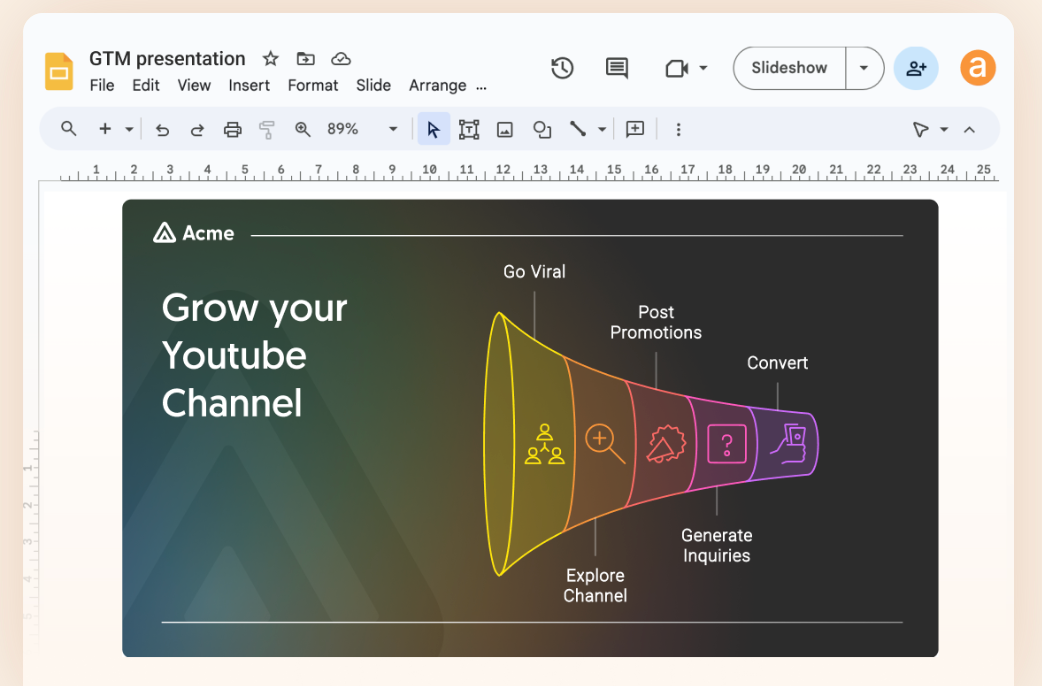
Napkin AI converts written explanations into clean diagrams, flowcharts, and infographics with no design skills required. Paste a paragraph describing a process, competitive overview, or system architecture, and the tool generates multiple visual options. Edit colors, layout, and labels directly. Export as PNG or SVG for presentations.
Tutorial:
- Go to the Napkin AI website and sign up for a free account
- Paste any text block, a product brief, a strategy doc, a meeting summary
- Napkin generates 3-4 visual interpretations automatically
- Select the layout that fits your use case (flowchart, matrix, timeline)
- Edit labels, colors, and positioning with drag-and-drop
- Export as PNG for slides or SVG for web
- Use the "regenerate" button to get alternative visual structures from the same text
AI & Tech News
China Greenlights DeepSeek's Nvidia H200 Purchase
Beijing has conditionally approved DeepSeek's purchase of Nvidia's H200 AI chips, a move that could accelerate the Chinese startup's already formidable capabilities. The regulatory conditions attached to the deal are still being finalized, but the approval signals China's intent to keep its top AI lab competitive.
Perplexity Signs $750 Million Microsoft Azure Deal
AI search startup Perplexity has signed a three-year, $750 million cloud agreement with Microsoft to deploy its models through Azure and Foundry. The deal diversifies Perplexity's infrastructure beyond its existing AWS partnership amid an ongoing dispute with Amazon.
Apple Forecasts 13-16% Q2 Revenue Growth
Apple beat Wall Street estimates and projected Q2 growth of 13-16%, well above the 10% consensus. The company flagged iPhone processor supply constraints and warned that memory costs will rise after Q2.
Apple Posts Record China Quarter on iPhone 17 Demand
Greater China revenue surged 38% to $25.5 billion, Apple's strongest quarter in the region in four years. CEO Tim Cook credited customers upgrading and switching from competing platforms to iPhone 17.
OpenAI Retiring GPT-4o and Legacy Models February 13
OpenAI will discontinue GPT-4o, GPT-4.1, and o4-mini from ChatGPT next month. The company says only 0.1% of users still select GPT-4o, though the model retains a dedicated following among users who prefer its style.
Cloudflare Blocks Record 31.4 Tbps DDoS Attack
Cloudflare mitigated the largest DDoS attack ever publicly disclosed, a 31.4 terabits-per-second assault by the Aisuru botnet that peaked at 200 million requests per second. The December 2025 attack represents a significant escalation in botnet capabilities.
France Blocks Eutelsat Antenna Sale to Counter Starlink
The French government vetoed a €550 million deal that would have sold Eutelsat's ground antenna business to private equity firm EQT. Paris cited the need to preserve Europe's only competitor to SpaceX's Starlink constellation.
Hassabis Discusses AGI Timeline and Google AI Glasses
Google DeepMind CEO Demis Hassabis shared his outlook on AGI research, citing breakthroughs in continual learning and revealing plans for AI-powered smart glasses. He pushed back on claims that AI progress is slowing down.
Ethos IPO Raises $200M at Half Its 2021 Valuation
Sequoia-backed insurtech Ethos Technologies debuted on Nasdaq at $19 per share, raising $200 million. The $1.1 billion market cap at listing represents a steep decline from the company's $2.7 billion private valuation in 2021.
Aronofsky Launches AI-Generated Revolutionary War Series
Director Darren Aronofsky released a short-form series created with Google DeepMind AI tools while retaining human voice actors for performances. The project, produced through his company Primordial Soup, blends automated visual generation with traditional talent to depict events from 250 years ago.
🚀 AI Profiles: The Companies Defining Tomorrow
Granola
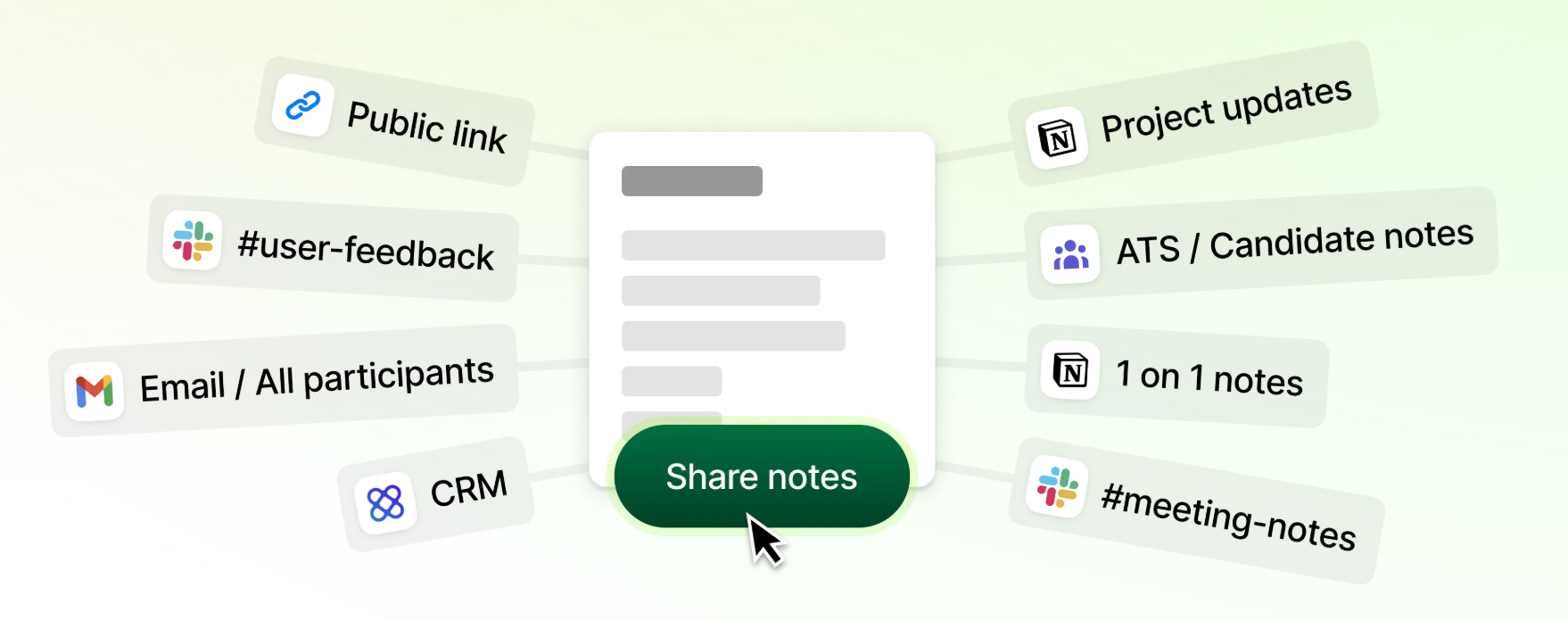
Granola turns your meetings into structured, searchable notes without recording anyone's voice. The New York-based company runs a local AI model that watches your screen during calls and generates organized summaries the moment you hang up. 📝
Founders
Chris Pedregal and Sam Witteveen launched Granola in 2024. Pedregal previously co-founded a Y Combinator-backed startup. The team has grown to roughly 30 employees, most of them engineers focused on on-device AI processing.
Product
A macOS app that sits quietly during video calls, captures screen context and your rough notes, then produces clean meeting summaries organized by topic, action items, and decisions. No bot joins your call. No audio leaves your machine. The AI runs locally, which sidesteps the privacy objections that kill most meeting tools at enterprise procurement.
Competition
Otter.ai, Fireflies, and Fathom all record and transcribe meetings using cloud-based AI. Microsoft Copilot in Teams offers similar functionality inside the Microsoft ecosystem. Granola differentiates by not recording audio at all, a distinction that matters in industries where legal, compliance, or client confidentiality blocks recording tools entirely.
Financing 💰
Raised $20 million in a round led by Lightspeed Venture Partners. The company reports strong organic growth driven by word-of-mouth among consultants, lawyers, and product managers, roles where meeting density is high and recording consent is hard to get.
Future ⭐⭐⭐⭐
Granola's bet is that privacy constraints, not features, determine which AI tools get adopted in enterprises. If the regulatory environment tightens around workplace recording (GDPR enforcement, state wiretapping laws), Granola's architecture becomes a structural advantage. The risk: Apple or Microsoft builds the same capability natively into their OS. The upside: most meetings still produce zero written output, and that gap is enormous. 🎯


