IMPLICATOR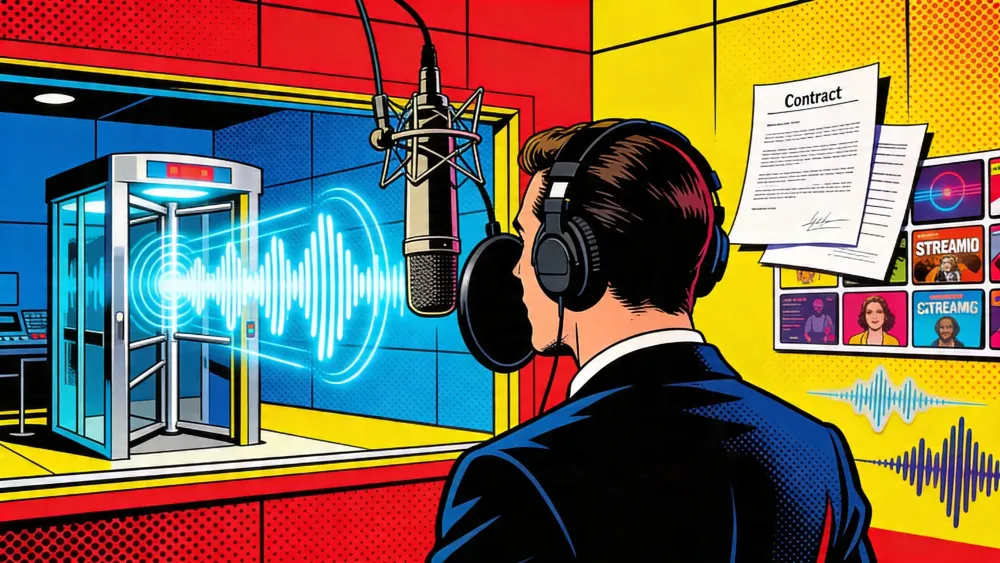
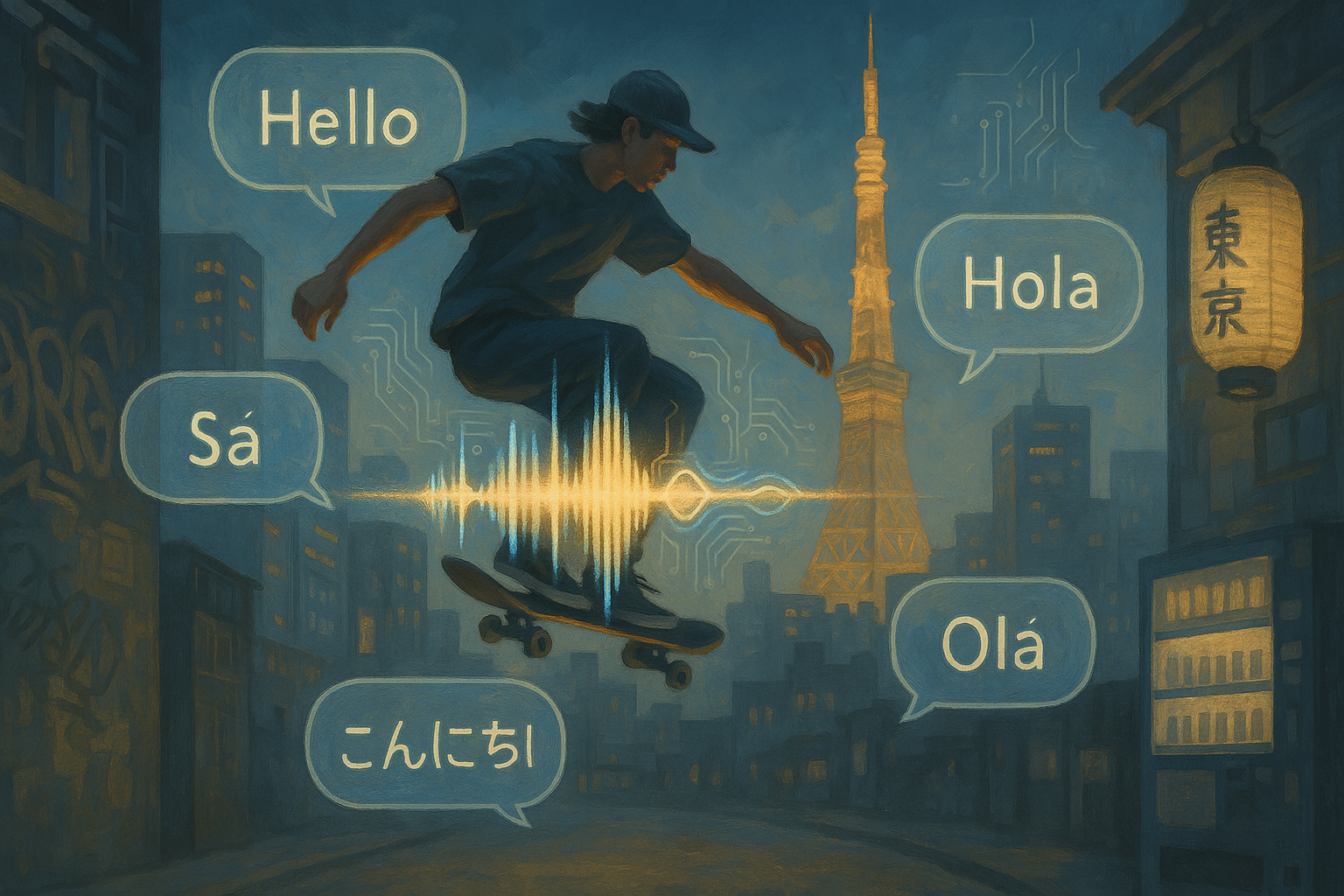
In December 2025, anime fans opened Prime Video and heard something wrong. The words arrived in English and Latin American Spanish. The plot remained legible. But the voices, in titles including Banana Fish and No Game, No Life Zero, sounded flat enough that viewers treated the dub itself as an insult.
Amazon soon pulled the AI-made tracks after complaints, according to Ars Technica and Anime News Network. That rollback looked like a quality failure. It was also a contract preview.
The complaint landed in the smallest place a platform usually tries to hide cost savings: the gap between a line and a feeling. A dub can be technically present and still fail as acting. Fans noticed because dubbing is intimate. It does not sit on the screen like a caption. It sits inside a character's mouth.
The fight over AI dubbing is usually framed as a cheaper machine trying to replace a paid actor. That is too small. The deeper conflict is over a turnstile. Once a voice actor steps through a studio door, the recording may no longer be only a finished performance. It can become training data, a model input, a synthetic voice, a future foreign-language track, or a tool a platform uses across a catalog.
That is why the argument from voice actors in Brazil, India, Mexico, Germany, and Hollywood has hardened so quickly. They are not just defending today’s session fee. They are trying to stop one job from becoming the entry point to a machine that can sell their future absence.
Key Takeaways
- AI dubbing turns one paid performance into a reusable voice asset unless contracts separate training, cloning, deployment, and renewal.
- The weakest workers are non-celebrity voice actors whose voices have market value but little legal leverage.
- Mexico and Brazil are treating dubbing as cultural work, not just a cheaper localization service.
- Disclosure helps audiences, but actors need consent, audit rights, and continuing pay.
AI-generated summary, reviewed by an editor. More on our AI guidelines.
The contract is where the trick happens
A traditional dubbing deal had limits that everyone could see. An actor performed a role. A studio used the recording in a defined title, market, or campaign. The bargain could still be unfair, but the object was legible.
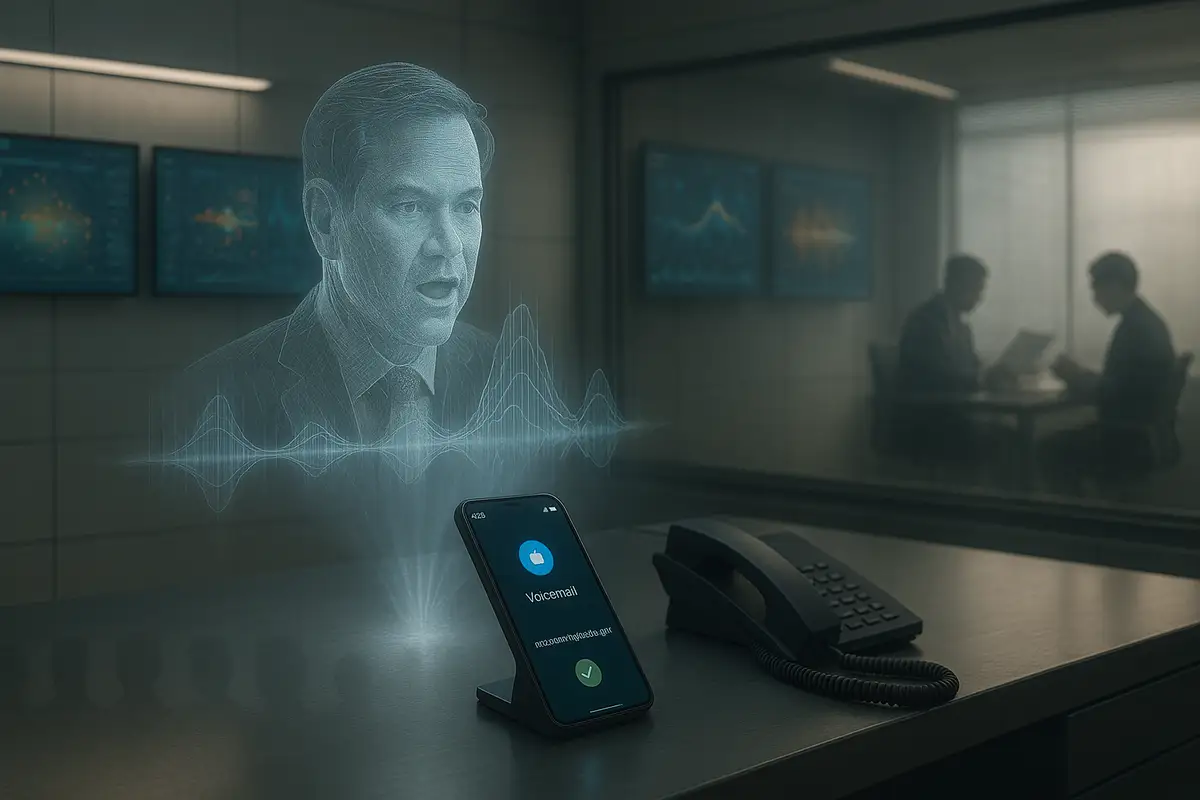
AI changes that object. A recording can train a model. A model can create outputs. An output can move into languages, territories, trailers, ads, games, education clips, and later works that did not exist when the actor entered the booth.
SAG-AFTRA’s 2023 AI terms matter because they name that split. The union separates employment-based digital replicas, independently created replicas, synthetic performers, and digital alterations in its TV and theatrical AI terms. That vocabulary is not legal decoration. It is a map of the turnstile.
If a contract grants a producer ordinary editing rights, that is one bargain. If it grants model training, that is another. If it grants a reusable synthetic voice, that is another still. Collapsing those events into one signature is how a dubbing contract becomes a data contract without saying so plainly.
The German dispute around Netflix shows the danger. Reuters reported in February 2026 that German voice actors objected to language they believed could let recordings be used for AI training without specified pay, even as related talks addressed consent for digital voice replicas. That distinction is the whole fight. A company can promise not to deploy your clone without consent while still wanting the right to learn from your recordings.
For platforms, this is tempting. The industry wants more localization across more titles at lower cost. Amazon has presented AI-aided dubbing as a way to bring English and Latin American Spanish tracks to licensed movies and series that might otherwise receive no dub. You can see the appeal if you run a catalog full of old titles, niche films, creator videos, and training material. Every new language can open another audience.
But a lower language cost does not erase the question of who supplied the voice material, who approved its reuse, and who gets paid when one recording starts working after the actor leaves.
The weakest worker pays first
The people first exposed to AI dubbing will not be famous actors with lawyers and public leverage. They will be the workers whose voices are valuable but not famous.
India shows the split. WIPO’s analysis of the Arijit Singh case says the Bombay High Court protected the singer’s name, voice, vocal style, technique, arrangements, likeness, and mannerisms from AI misuse. That is a strong identity-rights signal. It helps celebrities because their voice is recognizable as their property in the market.
Most voice actors work in a colder economy. They disappear into characters, ads, manuals, corporate videos, promos, audiobooks, training clips, and regional dubs. Their value comes from making the product sound natural, not from being known by name. If their voice is copied, converted, or used to train a system, they may struggle to prove the same public identity harm.
This is where institutional fear enters the room. Workers fear losing pay. Studios fear higher costs. Platforms fear a catalog that cannot travel. Vendors fear rules that slow a market they have already promised to scale. That fear does not spread evenly. The freelance actor with a rent payment absorbs it first.
Hollywood’s union contracts create a partial answer, but they do not travel well. SAG-AFTRA can bargain for covered productions. It cannot automatically protect a dubbing actor in São Paulo, Mumbai, Mexico City, Berlin, or Seoul working under local terms. The global platform still arrives with a global contract stack. The local actor arrives with local bargaining power.
That imbalance is why boilerplate matters. Phrases about future technologies, technical improvement, quality control, successors, assigns, and rights in all media can look routine until the studio owns enough permission to turn the recording into fuel.
Culture is the product, not the garnish
The access argument is real. Some titles will not get human dubs because the expected audience is too small. AI can help with rough translation, timing, lip-sync work, draft tracks, and lower-risk accessibility. It can make a forgotten movie or niche creator video easier to watch.
Get the next AI power shift before it hits the contract.
Strategic AI news from San Francisco. No hype, no "AI will change everything" throat clearing. Just what moved, who won, and why it matters. Daily at 6am PST.
No spam. Unsubscribe anytime.
Yet dubbing is not file conversion. A local dub carries jokes, class markers, rhythm, taboo, slang, breath, insult, flirtation, and fandom memory. A bad subtitle can be ignored. A bad voice sits in the viewer’s ear.
Brazil’s debate makes this plain. Rest of World quoted Brazilian actor Fabio Azevedo warning of cultural pasteurization if AI removes local idiom and performance from imported works. Agência Senado has reported that a proposal before the Senate would protect professional dubbing from AI competition and preserve jobs, cultural identity, and artistic quality.
That is not nostalgia dressed as policy. Brazil has a deep dubbing culture, with audiences who recognize recurring voices and expect foreign works to arrive through local craft. Mexico is moving in a similar direction. FIA reported in April 2026 that pending reforms would require foreign productions dubbed into Mexican languages to use voice performers, and would add written authorization and remuneration duties for AI uses of voice and image.
Those efforts treat dubbing as cultural infrastructure. A platform may see a dub as an audio track. A country with a strong dubbing tradition may see it as a local editorial act. Both can be true, but only one side controls the platform interface.
This is the second institutional emotion: impatience. Platforms are impatient with local friction because scale rewards standardization. Actors and local studios are impatient with vague assurances because they know vague language becomes cheap procurement later.
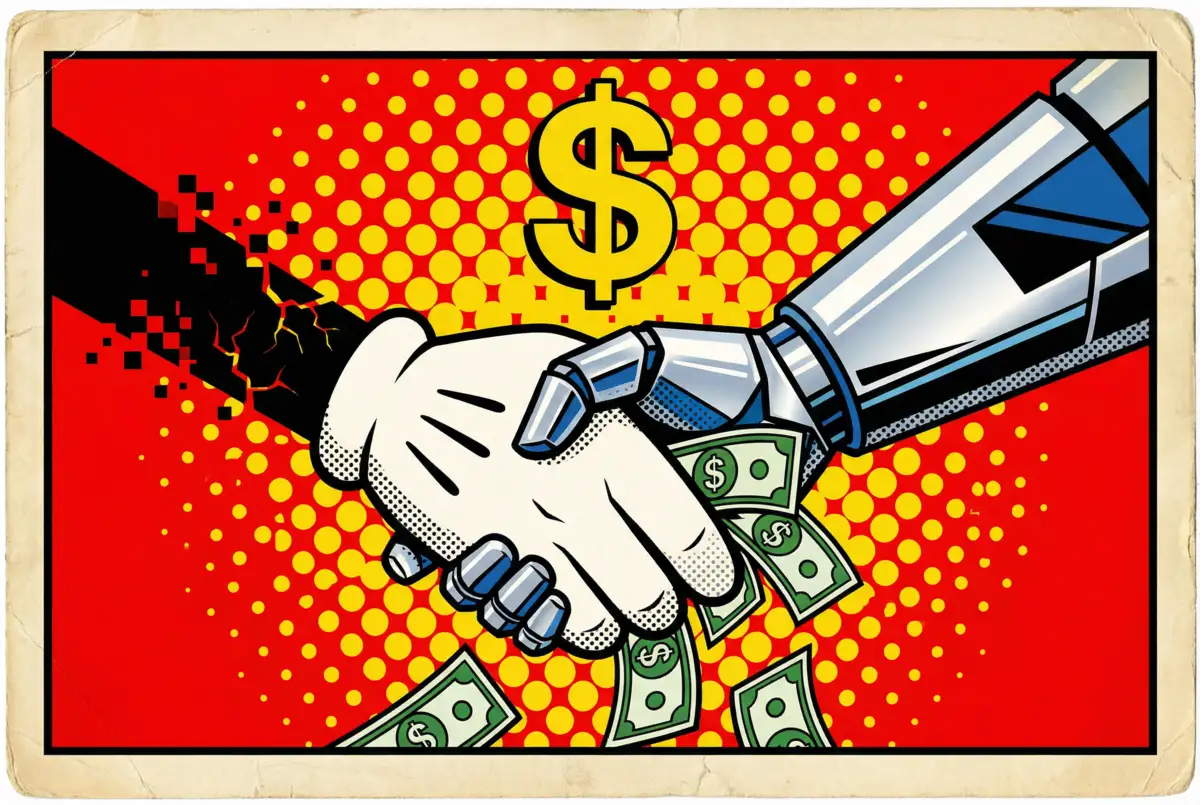
The turnstile appears again. A human performer enters a studio as a worker. The platform wants them to exit as a reusable asset. National dubbing rules are attempts to lock that turnstile before the asset leaves.
Disclosure is not enough
The EU AI Act and other synthetic-media rules can help audiences know when audio has been generated or altered. Labels reduce deception. Provenance rules can force companies to track what they release.
But a label does not pay the actor. It does not identify whose recordings trained a model. It does not say whether a local-language performer approved voice conversion. It does not preserve credit for the human actor whose timing and emotion sit underneath a synthetic star voice.
That is why transparency-only policy is inadequate. The question is not only whether viewers are told that AI was used. The question is whether the people whose voices or performances made the output possible had the right to say yes, say no, limit the use, see the records, and share in the upside.
A workable system needs separate permissions for five events: recording, training, model creation, output deployment, and renewal. It also needs separate money for each event. A session fee pays for time in the booth. It does not pay for a voice model that can keep producing after the session ends.
Permissioned voice markets can work. SAG-AFTRA’s deal with Replica Studios showed one route for AI voice licensing in games, built around consent and compensation. Voice marketplaces can also give actors new income if they provide use limits, actor dashboards, revocation rights, audit logs, and continuing payments.
But the market will fail performers if licensing becomes a cleaner word for buyout. A one-time fee for a durable model is not innovation. It is a cheap transfer of future work.
The real fight is over defaults
The future is unlikely to split neatly between human dubbing and machine dubbing. Prestige releases are likely to keep human actors because bad voices can damage expensive franchises. Long-tail catalog work is likely to see more automation because the economics are hard to resist. Countries with strong dubbing traditions are already testing human-performance mandates. Courts have so far protected celebrities more clearly than ordinary performers. Freelancers will remain exposed unless default contracts change.
For studios and platforms, the sensible path is a tiered system. Human-only dubbing for culturally sensitive and high-value works. Human-led hybrid dubbing when AI assists translation, timing, or lip sync but local actors, adapters, and directors remain credited and paid. Disclosed synthetic tracks only for lower-risk uses, with licensed voices, clear complaint channels, and release checks.
That approach is slower than pressing a button. It is also less likely to trigger public backlash, labor boycotts, or rights-holder disputes. If you are a platform, trust is a production cost. Refusing to budget for it does not make it disappear.
For actors, the practical demand should be blunt: no hidden training, no unpaid clone, no perpetual rights, no sensitive uses without approval, no uncredited performance conversion, no deployment without continuing pay.
AI dubbing can widen access. It can help smaller works travel. It can support studios that already respect local performance. But it cannot be allowed to turn every voice booth into a data intake point with better acoustics.
The test is simple. When the next actor steps through the studio door, does the contract hire them for a performance, or does it quietly move them through the turnstile into a platform asset?
Frequently Asked Questions
What is the main risk of AI dubbing for voice actors?
The main risk is that a paid recording becomes training data or a reusable voice model without separate consent, limits, credit, or continuing compensation.
Why did the Prime Video anime dubs matter?
They showed that audiences can reject AI dubbing when it sounds cheap, emotionally flat, or disrespectful to a work with loyal fans.
How are Mexico and Brazil approaching AI dubbing?
Both are moving toward treating dubbing as protected cultural and labor work. Mexico is considering human performer requirements, while Brazil has a Senate proposal to protect professional dubbing.
Is all AI dubbing bad for performers?
No. Human-led AI workflows can help with translation, timing, accessibility, and lower-risk catalog work when voices are licensed and performers are paid.
What should voice actors demand in AI-era contracts?
They should demand separate consent for training, cloning, conversion, deployment, and renewal, plus audit rights, credits, sensitive-use limits, and continuing pay.
AI-generated summary, reviewed by an editor. More on our AI guidelines.
Free AI briefing · Weekdays
The AI stories that matter, sourced and explained.
Join the Morning Briefing. It goes out every weekday at 4:45 a.m. Pacific, with later sends for the East Coast, Berlin and Tokyo.
Free when you sign up: The Paperclip Compendium, our tested guide to running AI agents.
Free. Unsubscribe in one click.

Marcus Schuler
Editor-in-Chief and founder of Implicator.ai. Former ARD correspondent and senior broadcast journalist with 10+ years covering tech. Writes daily briefings on policy and market developments. Based in San Francisco. E-mail: editor@implicator.ai