IMPLICATOR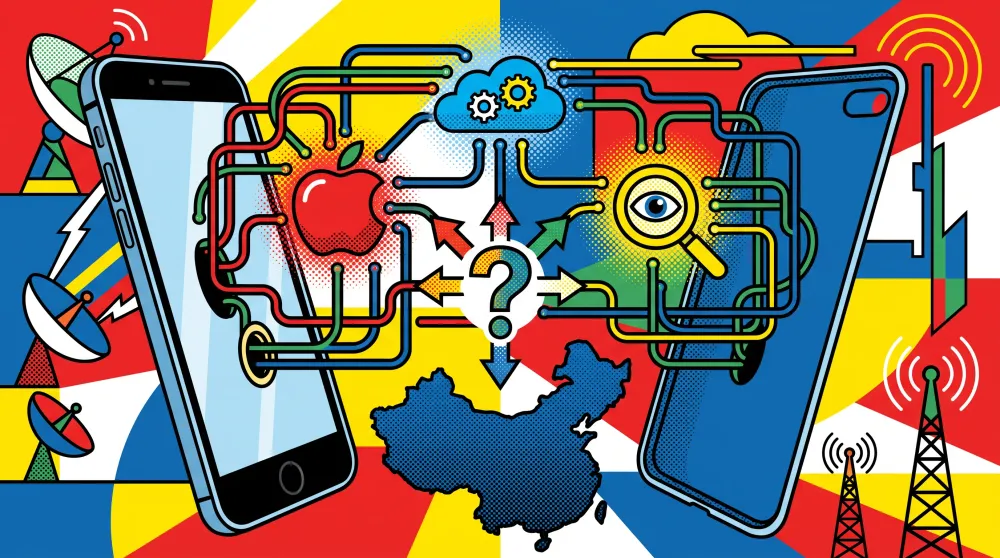
Apple has trained a large language model specifically for China, according to three people familiar with the unannounced work, Reuters reported in an exclusive. Alibaba helped train the model, while Apple is also preparing to use Alibaba’s Qwen and technology from Baidu in its Chinese version of Apple Intelligence. The arrangement could give Apple more control over a service that has yet to reach its most competitive overseas market.
Apple generated $20.5 billion in Greater China sales during the April-to-June 2026 quarter, up 28% from the same period a year earlier. Apple’s China model could become the first proprietary AI system from a foreign company approved for public use there.
What Changed
- Apple trained a China-specific language model with Alibaba’s support, according to three people familiar with the unannounced work.
- Apple’s model will operate beside Alibaba’s Qwen and Baidu technology, but the division of work has not been disclosed.
- Apple generated $20.5 billion in Greater China sales in the April-to-June 2026 quarter, up 28% year over year.
- China registered Apple Intelligence on July 15, but Apple has not announced a launch date.
AI-generated summary, reviewed by an editor. More on our AI guidelines.
Apple adds its own model
The Apple-trained system departs from the company’s earlier plan to rely on Chinese partners’ models. Alibaba has said Qwen will be integrated across iOS, iPadOS, macOS and visionOS for users in China, with text and image understanding and generation available inside Apple Intelligence. Baidu has separately confirmed that it is developing features for Chinese users.
Apple’s own model now sits beside those commitments. The parallel systems leave the China rollout dependent on both Apple’s technology and services supplied by domestic partners. It is not yet known how Apple’s model will divide work with Qwen and Baidu, where inference will run, or exactly when the service will launch. Apple and Alibaba did not respond to requests for comment on the new training work. The people familiar with the project said Apple Intelligence is expected to arrive in China in the coming months after an iOS update, but the companies have made no public launch announcement.
Registration cleared one hurdle
China’s Cyberspace Administration registered Apple Intelligence on July 15, 2026, listing it among seven on-device generative AI services for mobile phones that completed registration. The filing named Apple Technology Development (Shanghai) as the registrant. U.S. services that Apple uses elsewhere, including OpenAI’s ChatGPT, are not available in China.
Apple posted a Chinese-language guide on August 8, 2026, showing eligible Mac users how to connect Qwen to Siri and Writing Tools. The page disappeared by August 9, without an explanation. The guide required macOS 26.6 or later and a Qwen account, and said Alibaba could not use submitted material to train or improve its models.
That short-lived document covered a Mac extension, while the July registration covered an on-device service for mobile phones.
Get Implicator.ai in your inbox
Strategic AI news from San Francisco. No hype, no "AI will change everything" throat clearing. Just what moved, who won, and why it matters. Daily at 6am PST.
No spam. Unsubscribe anytime.
Local partners set the terms
China’s rules make domestic providers central to companies like Apple offering generative AI there. Multinationals that need AI services or cloud infrastructure for Chinese operations often have to work with local companies because foreign providers face restrictions, said Kitty Fok, managing director of IDC China.
Know someone who'd find this useful? ✉️ Email it to a friend in one click, or they can subscribe free here.
“Inside China, a lot of this isn’t a choice,” Fok said of Apple’s work with Alibaba and Baidu.
That constraint explains why training its own model does not free Apple from Qwen, Baidu or Beijing’s registration process.
Sales add pressure
Its iPhone shipments in China rose 24.4% year over year during the April-to-June 2026 quarter even as the broader smartphone market contracted. Those gains came before Apple Intelligence was available in the country, while Huawei and other domestic rivals already offered phones with generative AI features.
When a Chinese iPhone user asks Siri a question, will Apple’s model answer, will Qwen take over, or will Baidu handle the request?
Frequently Asked Questions
What did Apple train for China?
Apple trained a large language model specifically for China with Alibaba’s support, according to three people familiar with the unannounced work.
Will Apple still use Alibaba’s Qwen?
Yes. Alibaba has said Qwen will be integrated into Apple Intelligence across iOS, iPadOS, macOS and visionOS for users in China.
What role will Baidu have?
Baidu has confirmed that it is developing Apple Intelligence features for Chinese users. Apple has not disclosed how its own model, Qwen and Baidu will divide the work.
Has Apple Intelligence been approved in China?
China’s Cyberspace Administration registered Apple Intelligence on July 15, 2026, among seven on-device generative AI services for mobile phones.
When will Apple Intelligence launch in China?
The people familiar with the project expect it in the coming months after an iOS update, but Apple and its partners have not announced a precise date.
AI-generated summary, reviewed by an editor. More on our AI guidelines.




Marcus Schuler
Editor-in-Chief and founder of Implicator.ai. Former ARD correspondent and senior broadcast journalist with 10+ years covering tech. Writes daily briefings on policy and market developments. Based in San Francisco. E-mail: editor@implicator.ai