IMPLICATOR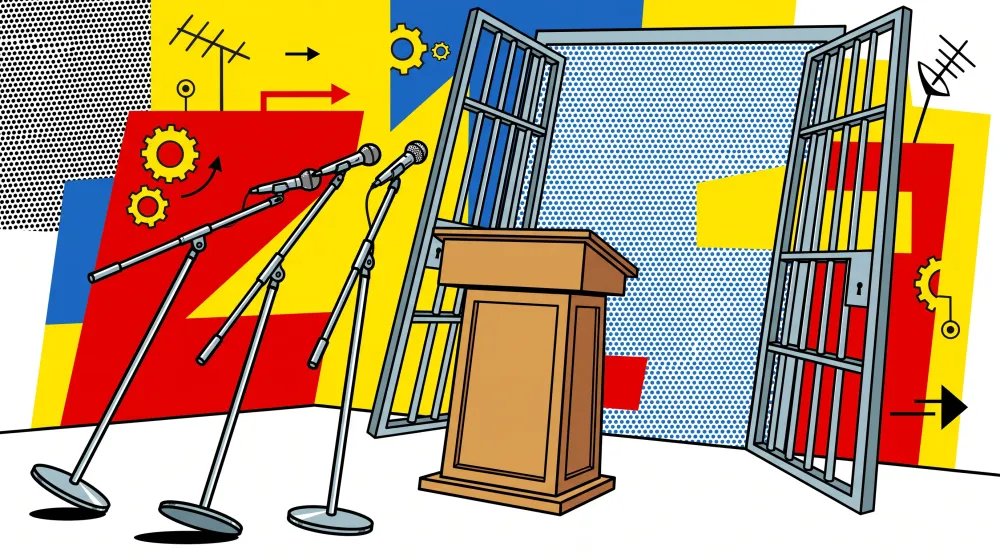
Mark Zuckerberg told the Financial Times on Tuesday that the United States should not block Chinese AI models and warned that American frontier labs could gain too much influence over reviews of competing models. He said there was “always this question of regulatory capture” when businesses with their own interests conduct peer review, and questioned whether frontier labs would want an open-source model to succeed. The Trump administration is expected to announce a voluntary testing framework as early as this week.
What Changed
- Mark Zuckerberg told the Financial Times on Tuesday that the United States should not block Chinese AI models, and warned that American frontier labs could gain too much influence over reviews of competing models.
- On July 28 he published a Wall Street Journal op-ed and gave interviews to the Financial Times and The New York Times. The Trump administration is expected to announce a voluntary testing framework as early as this week.
- Anthropic Chief Executive Dario Amodei has called for stronger AI regulation and said he does not accept that open-weight models necessarily make safeguards easier to develop. Google DeepMind chief Demis Hassabis has proposed a self-regulatory organization modeled on the Financial Industry Regulatory Authority.
- Meta Superintelligence Labs released Muse Spark 1.1 as a closed model on July 9, nineteen days before the remarks, at $4.25 per million output tokens and $1.25 per million input tokens. Meta cited safety as a reason for keeping it proprietary.
AI-generated summary, reviewed by an editor. More on our AI guidelines.
Zuckerberg's alternative
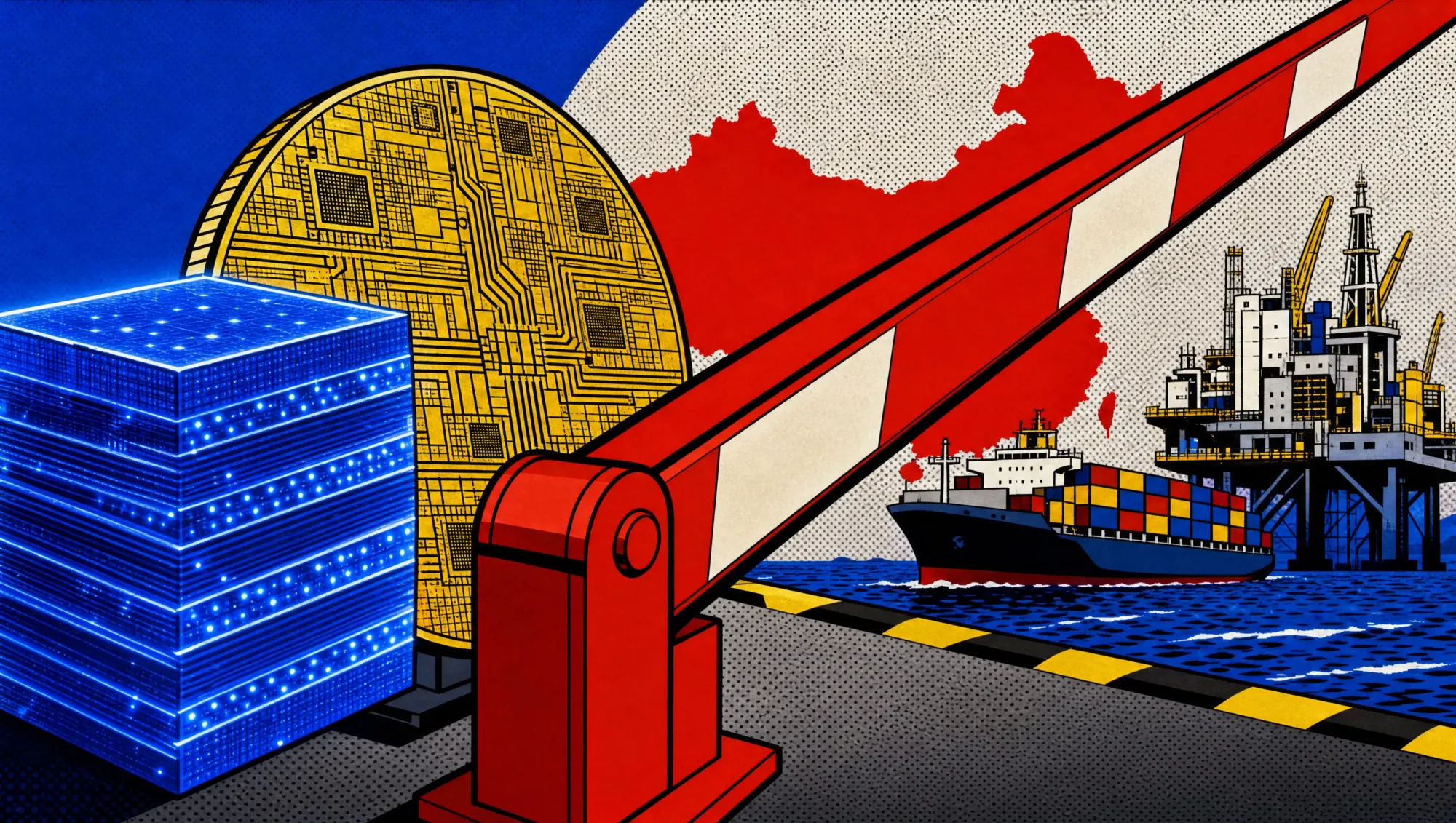
Banning cutting-edge Chinese models would not be “an effective solution,” Zuckerberg said in the same interview. He urged US companies to “systematically” identify bottlenecks that constrain their ability to compete. He said vetting could help if it were “done well with thoughtful people.” His objection was to giving leading AI companies too much influence over the review.
In the op-ed, Zuckerberg proposed distributing personal superintelligence widely. In the New York Times interview, he described the concept as configuring AI bots to suit people's own needs and desires. He said it was “literally impossible to have a single benevolent superintelligence that is simultaneously aligned with everyone at once.” The op-ed argued that open-source software had shown the value of broad access in cybersecurity. He also called for more coordination between governments and other institutions on biological risks.
Amodei and Hassabis
Anthropic Chief Executive Dario Amodei has called for stronger AI regulation. He has also said he does not accept that open-weight models necessarily make safeguards easier to develop or that broader access helps defenders more than attackers.
Get Implicator.ai in your inbox
Strategic AI news from San Francisco. No hype, no "AI will change everything" throat clearing. Just what moved, who won, and why it matters. Daily at 6am PST.
No spam. Unsubscribe anytime.
Google DeepMind chief Demis Hassabis has proposed a self-regulatory organization modeled on the Financial Industry Regulatory Authority. Treasury Secretary Scott Bessent said last week that “sanctions” were possible for Chinese labs that “cross the line into IP theft.” The White House acted on a separate security concern in June. It restricted Anthropic's most advanced technology because of fears that its vulnerability-finding ability could disrupt the global financial system.
Know someone who'd find this useful? ✉️ Email it to a friend in one click, or they can subscribe free here.
Muse Spark 1.1
Meta Superintelligence Labs released Muse Spark 1.1 as a closed model on July 9, nineteen days before Zuckerberg's July 28 remarks. The release opened the first paid public preview of its Model API. Developers pay $4.25 per million output tokens and $1.25 per million input tokens. Meta cited safety as a reason for keeping the model proprietary, while the Financial Times reported that the company's open models had lagged frontier-lab rivals.
The expected framework
A voluntary system, by the White House's account. An official told CNBC on July 17 that companies retained control over the timing and scope of releases. Trump's June executive order had asked developers to give the government early access for testing. The administration has not yet announced the framework.
Frequently Asked Questions
What did Zuckerberg say about Chinese AI models?
He told the Financial Times on Tuesday that the United States should not block Chinese AI models, and that banning cutting-edge Chinese AI would not be "an effective solution." He urged US companies to "systematically" identify bottlenecks that constrain their ability to compete.
What did he mean by regulatory capture?
Zuckerberg said there was "always this question of regulatory capture" when businesses with their own interests conduct peer review, and questioned whether frontier labs would want an open-source model to succeed. He said vetting could help if it were "done well with thoughtful people," but objected to giving leading AI companies too much influence over the review.
What framework is the Trump administration expected to announce?
A voluntary system for developers to submit models for testing before release. A White House official told CNBC on July 17 that companies retained control over the timing and scope of releases. Trump's June executive order had asked developers to give the government early access for testing. The administration has not yet announced the framework.
Who takes the opposite position?
Anthropic Chief Executive Dario Amodei has called for stronger AI regulation and said he does not accept that open-weight models necessarily make safeguards easier to develop or that broader access helps defenders more than attackers. Google DeepMind chief Demis Hassabis has proposed a self-regulatory organization modeled on the Financial Industry Regulatory Authority.
Is Meta's own newest model open?
No. Meta Superintelligence Labs released Muse Spark 1.1 as a closed model on July 9, opening the first paid public preview of its Model API at $4.25 per million output tokens and $1.25 per million input tokens. Meta cited safety as a reason for keeping the model proprietary, while the Financial Times reported that the company's open models had lagged frontier-lab rivals.
AI-generated summary, reviewed by an editor. More on our AI guidelines.

Free AI briefing · Weekdays
The AI stories that matter, sourced and explained.
Join the Morning Briefing. It goes out every weekday at 4:45 a.m. Pacific, with later sends for the East Coast, Berlin and Tokyo.
Free when you sign up: The Paperclip Compendium, our tested guide to running AI agents.
Free. Unsubscribe in one click.

Marcus Schuler
Editor-in-Chief and founder of Implicator.ai. Former ARD correspondent and senior broadcast journalist with 10+ years covering tech. Writes daily briefings on policy and market developments. Based in San Francisco. E-mail: editor@implicator.ai