 IMPLICATOR
Cambricon Technologies said in a Shanghai Stock Exchange filing Friday that revenue more than doubled to 5.996 billion yuan (US$890 million) in the first half of 2026. The sales came as Beijing pressed local technology companies to replace Nvidia hardware and approved shipments of Nvidia accelerators into China stayed limited.
What Changed
- Cambricon's first-half 2026 revenue reached 5.996 billion yuan ($890 million), up 108% from a year earlier, per its August 7 Shanghai Stock Exchange filing
- Net profit rose 123% to 2.311 billion yuan; second-quarter revenue of 3.1 billion yuan edged the 3 billion yuan consensus in a Bloomberg poll
- Chinese executives expect to direct 46% of AI-accelerator budgets to locally made chips within 12 months, up from 30%, per a June Bloomberg Intelligence survey
- Inventory stood at 45% of total assets at the end of June, and a July 28 incentive plan requires 13.5 billion yuan of 2026 revenue for full vesting
AI-generated summary, reviewed by an editor. More on our AI guidelines.
The filing
Revenue rose 108% from a year earlier in the six months through June 2026. Net profit attributable to shareholders was 2.311 billion yuan in the 2026 period, up 123% from 1.038 billion yuan a year earlier, according to the filing. Profit excluding non-recurring gains was 2.166 billion yuan, up 137% over the same comparison.
Cambricon booked 3.1 billion yuan of revenue in the quarter through June 2026, just above the 3 billion yuan consensus in a Bloomberg poll. Net profit for that quarter was 1.298 billion yuan, up from 1.013 billion yuan in the quarter through March 2026.
For comparison, Cambricon recorded 6.497 billion yuan in revenue during full-year 2025, according to the company's annual report. Its first-half 2026 sales were within 8% of that full-year total.
The figures are Cambricon's own filing. No independent same-day analyst reaction was available at publication.
Domestic demand
Chinese technology executives expected to direct 46% of their AI-accelerator budgets to locally made chips over the 12 months following a June 2026 Bloomberg Intelligence survey, up from 30% at the time of the poll. Cambricon and Hygon processors were under evaluation by a large group of respondents.
Morgan Stanley estimated that China's AI-chip self-sufficiency could reach 70% by the end of 2030, up from 42% in 2025. The bank tied that estimate to a five-year, 2 trillion yuan (US$295 billion) data-center program that would source at least 80% of its technology from Chinese suppliers.
Get Implicator.ai in your inbox
Strategic AI news from San Francisco. No hype, no "AI will change everything" throat clearing. Just what moved, who won, and why it matters. Daily at 6am PST.
No spam. Unsubscribe anytime.
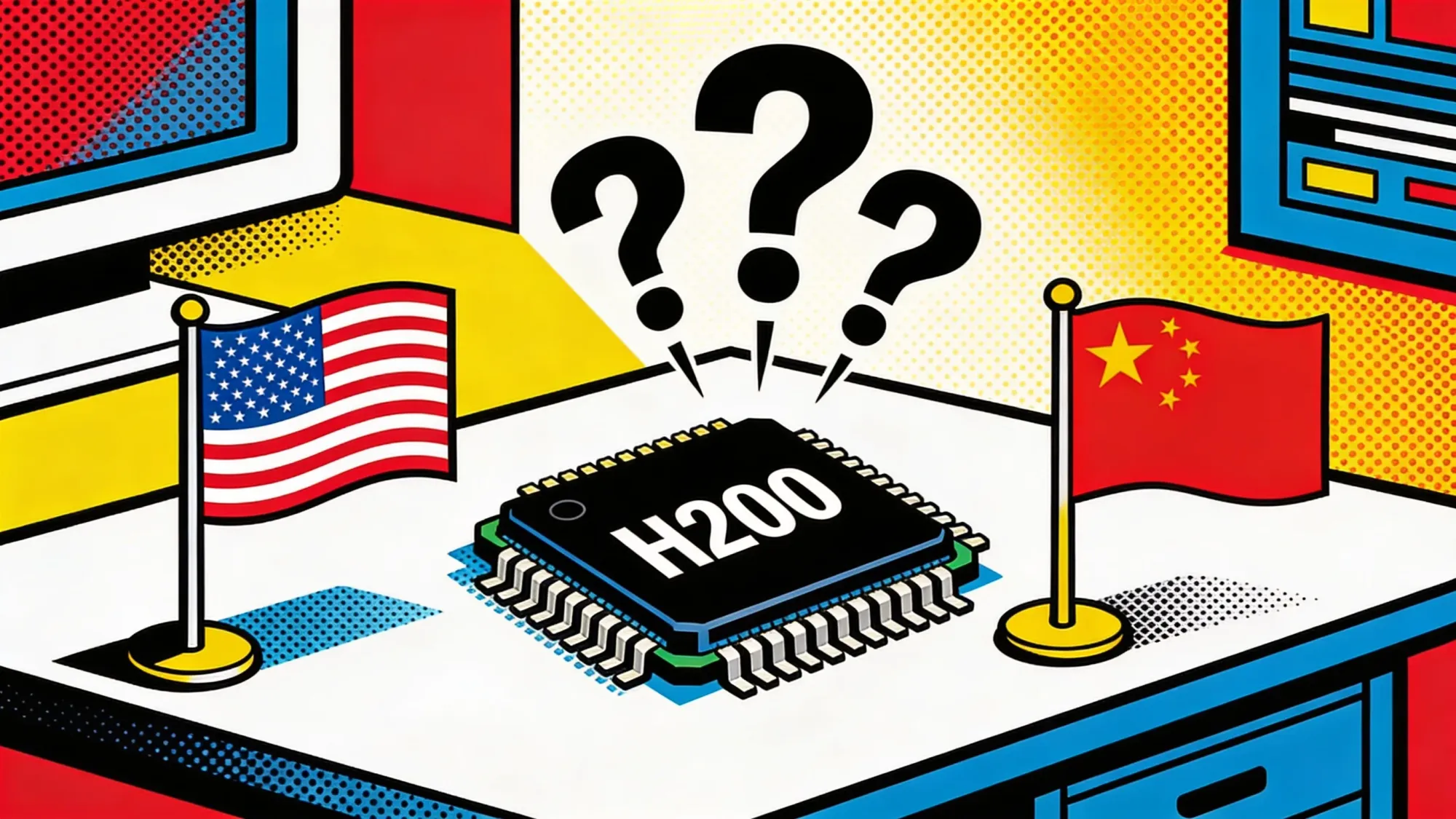
At a July 14, 2026 congressional hearing, Commerce Under Secretary Jeffrey Kessler described H200 deliveries to mainland China and Hong Kong as a "Very small quantity of chips, so it's trivial."
Production constraints
Sci-Tech Daily reported that inventory carrying value stood at 8.248 billion yuan at the end of June 2026, up 67% from a year earlier and equal to 45% of assets. Prepaid expenses reached 2.914 billion yuan on the same date, up 291% year on year.
Know someone who'd find this useful? ✉️ Email it to a friend in one click, or they can subscribe free here.
An April 30, 2026 report by Tom's Hardware said Cambricon aimed to ship 500,000 AI accelerators in 2026, compared with an estimated 116,000 units in 2025. That target depended heavily on SMIC's 7-nanometer-class manufacturing process, where reported yields were about 20% in April 2026.
The same report said Chinese processors remained multiple generations behind Nvidia's Blackwell architecture in raw performance.
Cambricon's five largest clients supplied 94% of revenue in the first half of 2025, and its largest customer supplied about 80% during that period. Caixin identified ByteDance as the leading buyer, but whether that concentration eased in subsequent quarters is unclear.
The next target
A July 28, 2026 stock-incentive plan set a revenue threshold of at least 13.5 billion yuan for full-year 2026, more than twice the 5.996 billion yuan booked in its first half. Full vesting also requires cumulative revenue of at least 40.5 billion yuan from 2026 through 2027 and at least 100 billion yuan from 2026 through 2028.
Frequently Asked Questions
What did Cambricon report for the first half of 2026?
Revenue of 5.996 billion yuan (US$890 million), up 108% year on year, with net profit up 123% to 2.311 billion yuan, according to its Shanghai Stock Exchange filing published Friday, August 7.
Why is Cambricon growing so fast?
Beijing has pressed local technology companies to replace Nvidia hardware while approved Nvidia H200 shipments into China stay limited. A June Bloomberg Intelligence survey found Chinese executives expect to direct 46% of AI-accelerator budgets to locally made chips within 12 months, up from 30%.
What are the risks behind the surge?
Inventory carrying value stood at 8.248 billion yuan, 45% of total assets, and prepaid expenses rose 291% year on year. Shipment targets also depend on SMIC's 7-nanometer-class process, where reported yields were about 20% as of April 2026.
Who buys Cambricon's chips?
Its five largest clients supplied 94% of revenue in the first half of 2025, with the largest customer, identified by Caixin as ByteDance, at about 80%. Whether that concentration eased in later quarters is unclear.
What targets has Cambricon set for itself?
A July 28 stock-incentive plan requires at least 13.5 billion yuan of revenue in 2026, 40.5 billion yuan cumulative through 2027, and 100 billion yuan cumulative through 2028 for full vesting.
AI-generated summary, reviewed by an editor. More on our AI guidelines.



Marcus Schuler
Editor-in-Chief and founder of Implicator.ai. Former ARD correspondent and senior broadcast journalist with 10+ years covering tech. Writes daily briefings on policy and market developments. Based in San Francisco. E-mail: editor@implicator.ai