OpenAI Sprints. Google Grades Itself. Trump Threatens. Disney Pays.
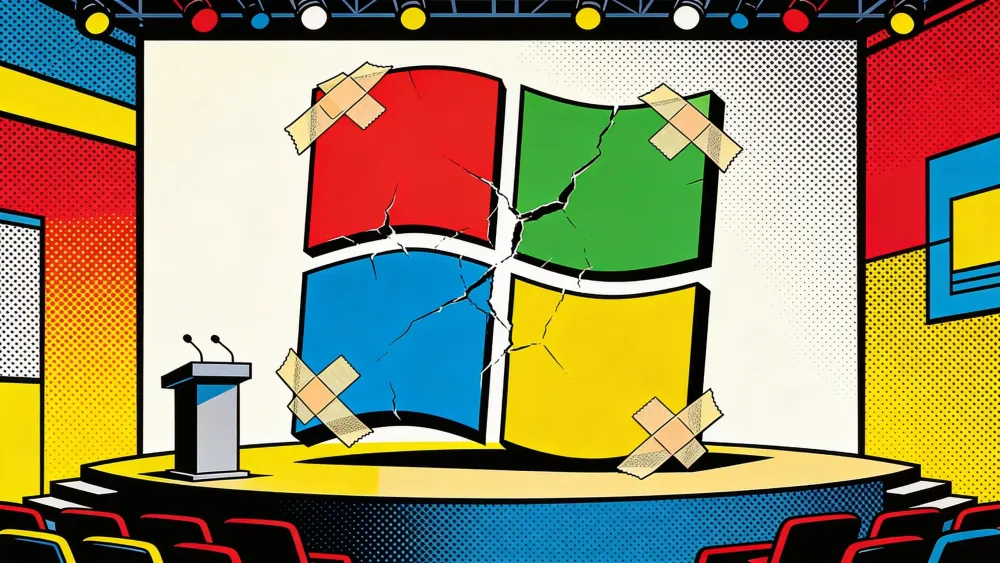
San Francisco | December 12 Sam Altman's memo about Gemini 3 triggered a ten-day sprint to ship GPT-5.2.
Enterprises are spending billions on AI pilots, but MIT's research shows most deliver no return. It's not the technology failing. The gap between impressive demos and working systems comes down to data quality, technical debt, and organizational readiness.
Good Morning from San Francisco, Anthropic crowned its new model the coding champion. The White House invoked the Manhattan Project
Trump's Genesis Mission invokes Manhattan Project urgency to accelerate AI-driven science. But the executive order commits zero new dollars, claims credit for existing partnerships, and arrives while university research funding gets slashed.
Anthropic's Opus 4.5 reclaims coding leadership and cuts prices 67%. But security tests show 22-point variance between evaluations, and one developer couldn't distinguish it from Sonnet in real work. Here's what actually matters.
Anthropic cut Opus prices by 67% and claimed benchmark leadership. But confused usage limits, a Microsoft paradox, and user expectations of post-launch degradation reveal competitive pressure reshaping AI economics.
OpenAI's new shopping bot achieves 64% accuracy while the company bleeds $5 billion yearly. As Amazon blocks access and processing takes 5 minutes, the tool reveals a deeper crisis: OpenAI needs revenue desperately but can't build it.
OpenAI paid $6.5 billion for Jony Ive's hardware startup but can't explain what they're building. The former Apple designer now advocates for lickable AI devices while studying the history of pockets.
California granted Waymo permission to operate across 47,493 square miles—but the company runs just 2,500 vehicles in five cities. The gap between regulatory approval and actual deployment reveals unit economics Waymo won't disclose and local opposition the state ignores.
Google kept AI Mode ad-free for a year to compete with ChatGPT. Last week, ads appeared. The retreat reveals more than monetization strategy—it shows Google's $175B advertising business makes competing structurally impossible.
Google must double AI compute every six months to meet demand, but capacity limits are already capping product rollouts and revenue. As bubble concerns mount, the company bets that underinvesting poses the greater risk in the infrastructure arms race.
Good Morning from San Francisco, Federal agencies now wire intelligence systems through a chatbot that declared Musk fitter than LeBron
Facebook claims 52% daily usage while TikTok hits 24%, suggesting clear dominance. But Pew's survey measures visits, not time spent. That distinction reshapes everything about platform power, ad economics, and which apps actually own user attention.
Get the 5-minute Silicon Valley AI briefing, every weekday morning — free.