IMPLICATOR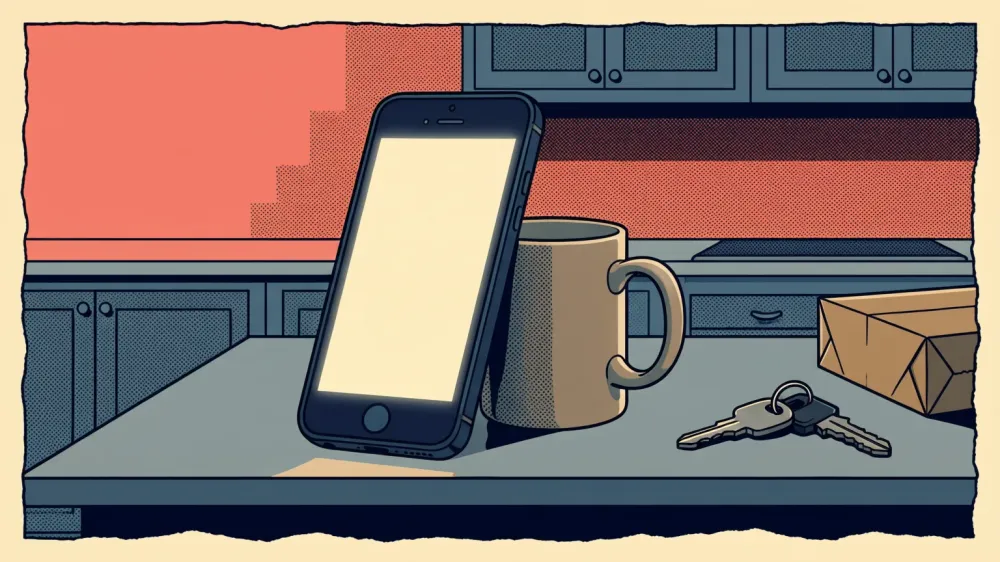
Meta's Muse reached No. 1 on Apple's US free iPhone chart on September 18, ten days after launching. The personal agent moved ahead of ChatGPT, Gemini, Claude and Instagram. Muse connects to a user's email, calendar, payment methods and other personal accounts, then acts on the user's behalf.
What Changed
- Muse reached No. 1 on Apple's US free iPhone chart on September 18, ten days after its September 8 launch, ahead of ChatGPT, Gemini, Claude and Instagram.
- Sensor Tower counted more than 730,000 US downloads after launch, against 707,000 for the Meta AI app over its first five days; an earlier estimate put Muse at roughly 83,000 US iOS downloads in its first two days.
- In an Oppenheimer & Co. survey of 1,500 US consumers, 8% said they would trust Meta with their passwords, against 30% for Google, 23% for Apple and 16% for ChatGPT.
- Meta released a free Mac version on September 17 and set the free tier at roughly 100 million Muse tokens a week, with paid plans at $20 and $100 a month in the iOS app.
AI-generated summary, reviewed by an editor. More on our AI guidelines.
Launch and expansion
Muse launched in the US on September 8 through iOS, Android, muse.ai and WhatsApp. It is a standalone brand, unlike Meta AI and Threads, which were promoted to Instagram's existing users.
Meta released a free Mac version on September 17. It can work with files, messages, calendars, notes and mail inside their native apps. The Mac software is downloaded from the web, so those installations do not contribute to Apple's iPhone chart.
The company also added the ability to call US businesses during the week of September 14. Rival agent Instinct introduced a calling feature that same week. Mark Zuckerberg announced the desktop release on X, writing, "The team is shipping fast."
Downloads behind the ranking
Sensor Tower counted more than 730,000 US downloads after Muse's September 8 launch, against 707,000 downloads for the Meta AI app during its first five days. An earlier Sensor Tower estimate put Muse at roughly 83,000 US iOS downloads in its first two days, or about 41,000 a day. ChatGPT averaged around 83,300 daily downloads during its debut week.
FREE · ABOUT FIVE MINUTES
Follow what personal AI agents get access to.
Implicator cuts the flood to the developments worth your attention, with concise reporting on what changed and why it matters. Delivered every weekday at 4:45 a.m. Pacific, 7:45 a.m. Eastern.
From San Francisco. No spam. Unsubscribe anytime.
Those estimates cover different windows and are not directly comparable. The App Store chart measures download momentum, not sustained use. It does not show how many people remain active or convert to a paid plan.
The early pace also trailed two Meta launches with built-in distribution. Threads drew 4.3 million downloads on its first day, while the Meta AI app drew 108,000. Muse has had to find users without being folded into an existing Instagram installation.
Consumer trust
An Oppenheimer & Co. survey of 1,500 US consumers found that 8% would trust Meta with their passwords. Google drew 30%, Apple 23% and ChatGPT 16%. Another 58% said they would not share passwords with any AI agent.
Visa's Earning Trust Report found that 23% of consumers trusted generative AI for payments. Sixty percent would not let AI handle money without human oversight, while 47% had canceled or switched brands over data concerns involving AI.
Know someone who'd find this useful? ✉️ Email it to a friend in one click, or they can subscribe free here.
Muse arrived less than two weeks after Meta agreed in August 2026 to a multistate settlement over social media harms reported at up to $18 billion. Meta says Muse isolates each user's work in a dedicated virtual machine and requires approval for sensitive actions, but the survey results measure confidence in the company rather than its design.
Free use and paid tiers
At the September 8 launch, Meta set the free allowance at roughly 100 million Muse tokens a week. Power raises the weekly limit to 500 million and Maximum to 3 billion. The plans cost $20 and $100 a month in the iOS app, compared with $16 and $80 on the web for the same allowances. Meta has not explained the difference.
Muse carries no advertising. Meta is considering taking a share of purchases made through the agent, though it has not chosen a commercial model.
"For the vast majority of users, they should be able to do what they need to within the free tier," chief AI officer Alexandr Wang said. "But for real power users, you know, those subscription tiers help us cover the compute costs."
Frequently Asked Questions
When did Meta's Muse reach No. 1 on the App Store?
On September 18, ten days after launching in the US on September 8. It led ChatGPT, Gemini, Claude and Instagram on Apple's US free iPhone chart.
How many people have downloaded Muse?
Sensor Tower counted more than 730,000 US downloads after the September 8 launch, against 707,000 for the Meta AI app during its first five days. An earlier estimate put Muse at roughly 83,000 US iOS downloads in its first two days, about 41,000 a day.
Does an App Store ranking show how many people actually use Muse?
No. The chart measures download momentum, not sustained use. It does not show how many people remain active or convert to a paid plan, and the available Sensor Tower estimates cover different windows.
What does Muse cost?
The free tier is metered at roughly 100 million Muse tokens a week. Power raises that to 500 million and Maximum to 3 billion, at $20 and $100 a month in the iOS app, compared with $16 and $80 on the web for the same allowances. Meta has not explained the difference.
How much do consumers say they trust Meta with personal credentials?
In an Oppenheimer & Co. survey of 1,500 US consumers, 8% said they would trust Meta with their passwords, against 30% for Google, 23% for Apple and 16% for ChatGPT. Another 58% said they would not share passwords with any AI agent.
AI-generated summary, reviewed by an editor. More on our AI guidelines.


Marcus Schuler
Editor-in-Chief and founder of Implicator.ai. Former ARD correspondent and senior broadcast journalist with 10+ years covering tech. Writes daily briefings on policy and market developments. Based in San Francisco. E-mail: editor@implicator.ai