IMPLICATOR
On July 25, 2026, Nimbalyst shipped v0.71.0 as a prerelease that made Claude Opus 5 the default Claude model. The rest of the update widened the app's workflow controls, but a separate release fact determined which desktop users could run them.
The same build arrived for macOS, Windows and Linux.
Nimbalyst is an MIT-licensed desktop workspace with one board for Claude Code and Codex sessions beside the files those agents edit, plus visual review across both providers. Users still need separate provider access, the Electron app carries more resource cost than a native app, and no support service-level agreement has been published.
What Changed
- Nimbalyst v0.71.0 shipped as a prerelease for macOS, Windows and Linux on July 25, 2026, with Claude Opus 5 as its default Claude model.
- The workspace puts Claude Code and Codex sessions on one board, adds visual diff review and can isolate parallel agents in git worktrees.
- Individual use is free and the desktop and iOS code is MIT-licensed, but users still need separate Claude Code or Codex access.
- Independent adoption evidence remains thin, and a documented Codex MCP failure required a fix in Nimbalyst v0.68.0.
AI-generated summary, reviewed by an editor. More on our AI guidelines.
One board for two agents
A Nimbalyst session appears as a card on a kanban board, with the related files and edits attached. Users can run Claude Code beside Codex, reopen earlier sessions and inspect changes in rendered markdown, mockups, diagrams, data models or code. Red and green diffs provide accept and reject controls at the block level instead of requiring a blind merge from terminal output.
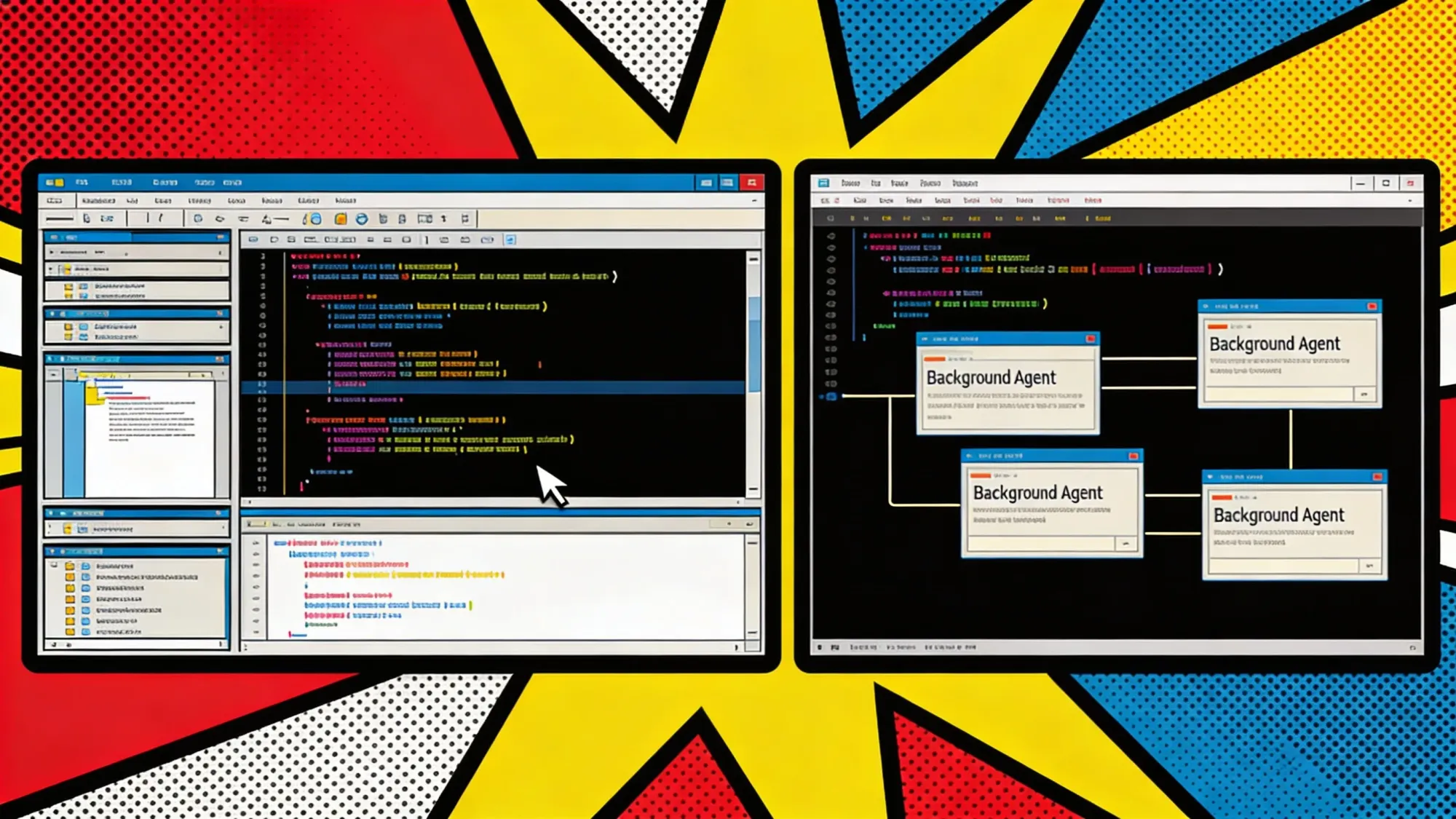
Optional git worktrees keep parallel sessions apart. A worktree is a separate working directory tied to another branch, so two agents can modify the same repository without writing into the same files. That isolation costs disk space on large repositories, but it addresses simultaneous edits landing in a shared checkout.
The July prerelease pushed this management layer further. Editable tracker grids and saved views put triage beside execution. Agents gained access to inline document comments, and per-session chat panels placed discussions with the workstream that produced them. Relocated configuration-directory support also let Claude Code and Codex find their usage records, histories, settings, plugins, commands and skills after users moved those files.
The cross-platform claim
Nimbalyst distributes a DMG for macOS, an EXE for Windows and an AppImage for Linux, narrowing the comparison set. Vibe Kanban supported more than 10 coding-agent command-line tools when captured on August 11, 2026, but its repository also said the product was sunsetting. Supacode offered a worktree command center with a native terminal, yet its repository required macOS 26 or later on the same capture date.
Those downloads establish availability. No comparative benchmark, broad user survey or support-response data establishes Nimbalyst as the strongest visual manager across the three systems. Nimbalyst is built with Electron, which carries more resource cost than a native desktop app, and each provider still requires its own Claude Code or Codex subscription or API access.
Get Implicator.ai in your inbox
Strategic AI news from San Francisco. No hype, no "AI will change everything" throat clearing. Just what moved, who won, and why it matters. Daily at 6am PST.
No spam. Unsubscribe anytime.
Nimbalyst opened its desktop and iOS code under the MIT license on April 29, 2026. Karl and Greg signed that announcement, which said individual use would remain free. No feature limit or trial period applies to that tier, but Ry Walker's June 11 review found no published Teams price.
A growing but narrow record
The repository showed about 1,500 stars, 203 forks and 450 tags when captured on August 11, 2026. The June 11 review counted 795 stars and 110 forks, compared with more than 3,000 stars for Crystal, the deprecated predecessor. The later total shows attention growing after the code opened. Stars do not show how many people use the app across all three operating systems or run both agent providers.
Know someone who'd find this useful? ✉️ Email it to a friend in one click, or they can subscribe free here.
Walker also recorded 233 open issues as of June 2026 and little independent discussion. Independent user evidence remains thin, and the available criticism comes mainly from GitHub issue traffic rather than a broad user study. A sponsored walkthrough published under the SitePoint Sponsors byline cannot fill that gap.
A free individual tier lowers the cost of trying the interface, but it does not supply a support commitment. The young open-source history began less than three months before the July prerelease, leaving a short public record for judging maintenance under upgrades and regressions.
The Codex failure
Issue 464 supplies one detailed test. A user documented built-in Nimbalyst MCP calls failing under Codex in version 0.61.1 on May 27, 2026. The app displayed “user rejected MCP tool call” even though no visible prompt had been rejected. Logs instead showed a null response where Nimbalyst expected a structured approval object.
The fault survived permission changes and account login. On July 10, another user reproduced the same behavior in version 0.67.3 under a different sandbox setup, while the same session worked after switching to Claude Code. That report placed the failure across several releases and two permission configurations.
On July 13, 2026, a project collaborator said version 0.68.0 had already fixed the null-response handling and added a regression test. The request to affected users was specific: “A retest on v0.68.0 or newer should come back clean; if it does not, a fresh log slice here would be gold.”
Frequently Asked Questions
What is Nimbalyst?
Nimbalyst is a desktop workspace for managing Claude Code and Codex sessions beside the files those agents edit.
Which operating systems does Nimbalyst support?
Nimbalyst distributes a DMG for macOS, an EXE for Windows and an AppImage for Linux.
Is Nimbalyst free?
Individual use has no feature limit or trial period, and the desktop and iOS code is MIT-licensed. Claude Code or Codex access is separate.
How do git worktrees help coding agents?
A worktree gives an agent a separate working directory tied to another branch, reducing collisions when parallel agents modify one repository.
What are Nimbalyst’s documented limits?
The available sources provide no comparative benchmark or broad user survey, the Electron app has more resource cost than a native app, and no Teams price or support SLA was published in the June review.
AI-generated summary, reviewed by an editor. More on our AI guidelines.

Marcus Schuler
Editor-in-Chief and founder of Implicator.ai. Former ARD correspondent and senior broadcast journalist with 10+ years covering tech. Writes daily briefings on policy and market developments. Based in San Francisco. E-mail: editor@implicator.ai