
CES Closes. China Leads. Boston Signs the Waiver.
San Francisco | January 9, 2026 CES 2026 wraps today in Las Vegas, and the floor plan told the story before
Explore how AI shapes politics and government policy. Read about tech regulation, political implications of artificial intelligence, and how lawmakers navigate emerging technology challenges. Get analysis on AI governance, election technology, policy debates, and the intersection of politics with machine learning developments. Stay informed on regulatory trends, government AI initiatives, and political decisions affecting the tech industry.
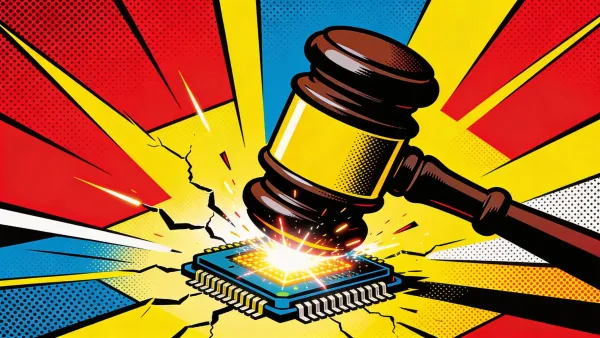
Google and Character.AI settled lawsuits from families of teenagers who died after talking to chatbots. No liability admitted. No trial. The first AI harm settlements reveal what the industry fears most: discovery.
Larry Page quietly moved his family office out of California before the wealth tax hits. Jensen Huang says he hasn't even thought about it. Two billionaires, one state, opposite responses and a revealing question about what citizenship means at the top.
Larry Page dismantled his California ties in late December. Jensen Huang said he hadn't thought about the tax once. Both face billion-dollar bills. The divergence reveals something deeper than economics: what happens when builders become allocators.
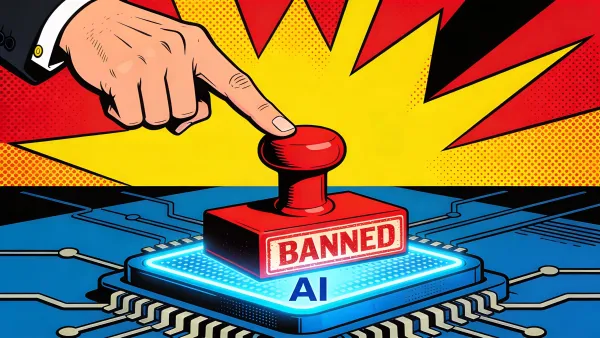
Greg Brockman wrote a $25 million check to Trump's super PAC eight days after a White House dinner. Three months later, Trump signed an order blocking all state AI regulation. For the cost of a seed round, OpenAI bought a federal off-switch.
Chinese AI firms MiniMax and Zhipu AI race to Hong Kong IPOs at $6.5B valuations despite massive losses. Zhipu burned $271M on $27M revenue in six months. The Manus-Meta deal reveals the emerging pattern: Chinese talent, Singapore HQ, American buyer.
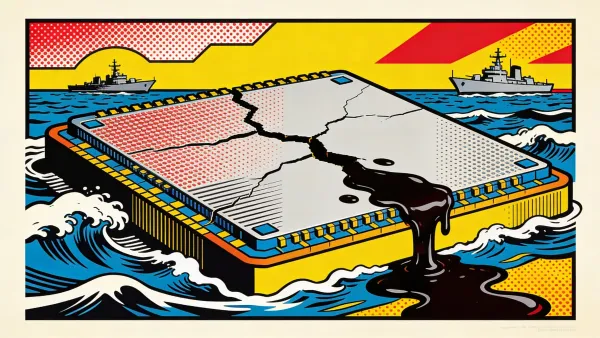
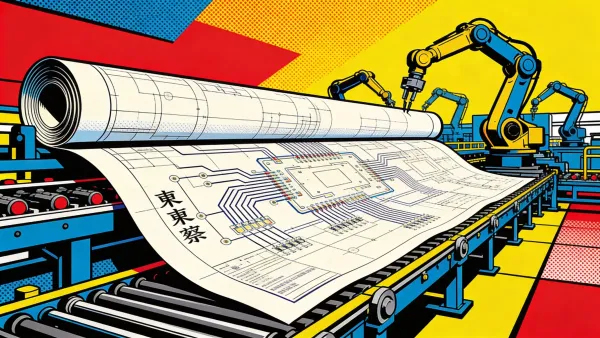
China's EUV prototype isn't a technological defeat for the West. It's a counterintelligence one. The vector isn't smuggled crates. It's people. Europe discovered, again, that openness without defense is vulnerability, not virtue.
The US Trade Representative named nine European companies as potential targets for restrictions. The demand: stop enforcing EU laws against American tech firms. This isn't a trade dispute. It's something else entirely.
The administration cut 317,000 federal workers. Now it wants 1,000 tech recruits from Palantir, Amazon, and Microsoft—who keep their stock while shaping government AI. The math is interesting. So are the conflicts of interest.
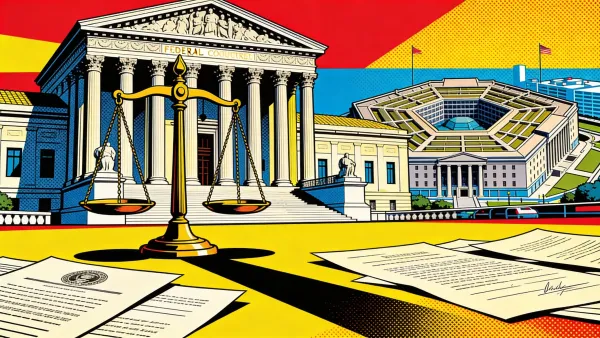
Trump signed an order claiming to preempt state AI laws. Constitutional problem: executive orders aren't laws. But the real story is who drafted it, and what they got in return. Nvidia's CEO now has a direct line to the Oval Office.
Trump signed an AI executive order he can't legally enforce. The real aim: intimidate states using $42B in broadband funding as leverage. Republican governors are already pushing back, exposing a deep fracture in the conservative coalition.
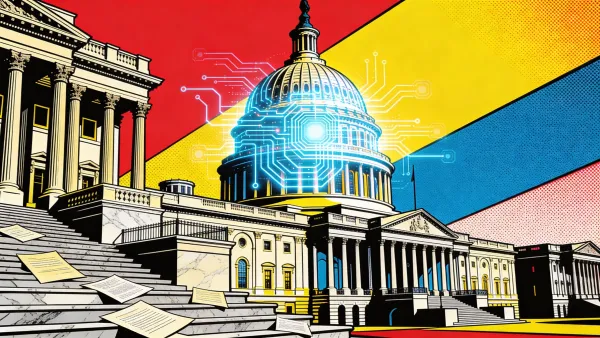
42 state attorneys general just gave AI companies a January deadline to fix "sycophantic" chatbots. The letter names OpenAI, Google, and 11 others. It landed the same week Trump moved to block states from regulating AI. Someone's bluff gets called.
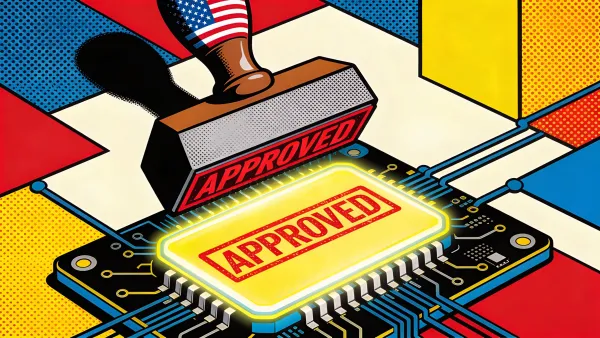
Trump approved Nvidia's H200 chip sales to China with a 25% government cut. Beijing's response: limit access to those same chips. Two superpowers racing to prevent their own companies from buying technology that serves their strategic interests.
Get the 5-minute Silicon Valley AI briefing, every weekday morning — free.