
The Productivity Gap Nobody Measured.
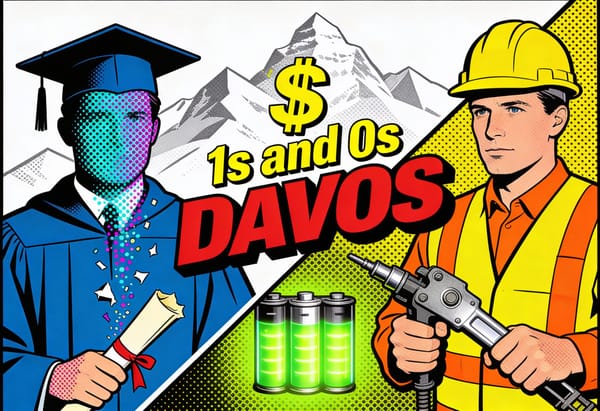
Executives claim AI saves 8 hours weekly. Workers report under 2. Apple bets on wearable AI. Anthropic publishes 80-page philosophy for Claude.
Explore how AI shapes politics and government policy. Read about tech regulation, political implications of artificial intelligence, and how lawmakers navigate emerging technology challenges. Get analysis on AI governance, election technology, policy debates, and the intersection of politics with machine learning developments. Stay informed on regulatory trends, government AI initiatives, and political decisions affecting the tech industry.
Trump's draft executive order seeks to override state AI laws through litigation and funding threats, reviving a proposal Congress rejected 99-1 months ago. Republican governors and conservative senators oppose the move as tech investors push harder.
OpenAI appointed Larry Summers to its board in 2023 despite a public Harvard report documenting his Epstein ties. His 48-hour exit after new emails surfaced exposes how AI companies prioritize impressive credentials over governance capability.
Trump demands Congress block state AI laws through must-pass defense bill. Same proposal died 99-1 in July. Same Republican opposition remains. Culture war packaging can't fix the math when GOP states' rights collide with tech industry preferences.
AI labs post safety assurances weekly, but pharma learned decades ago that trust requires structure, not statements. OpenAI's shift from withholding GPT-2 to blitz-scaling GPT-4 products reveals the cost of episodic messaging over narrative discipline.
Chinese hackers automated 80-90% of cyber intrusions using Anthropic's Claude by simply telling it they were security testers. Four breaches succeeded. The jailbreak was embarrassingly simple, and now every AI company faces the same vulnerability.
Anthropic projects profitability by 2028. So why $50 billion in infrastructure? The announcement, arriving as OpenAI's subsidy request fails, reveals how even disciplined AI companies can't resist the pressure to match rivals' megaprojects.
Germany wrote Europe's privacy playbook after the Nazis weaponized census data and the Stasi monitored citizens. Now Berlin is leading the charge to gut those protections, handing trillion-dollar AI companies access to European data through regulatory shortcuts.
Seven families sue OpenAI, claiming ChatGPT drove four people to suicide after a May 2024 design change prioritized engagement over safety. The cases test whether AI chatbots qualify as products under liability law.
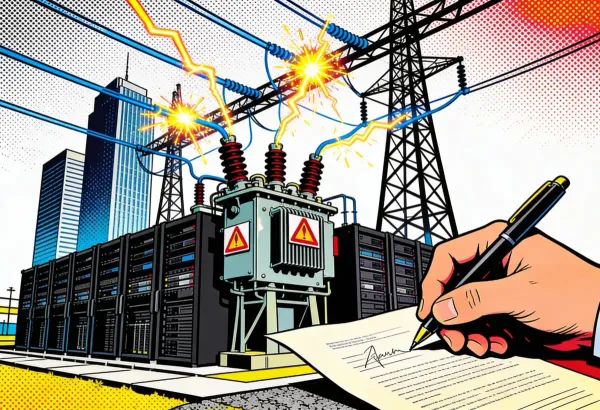
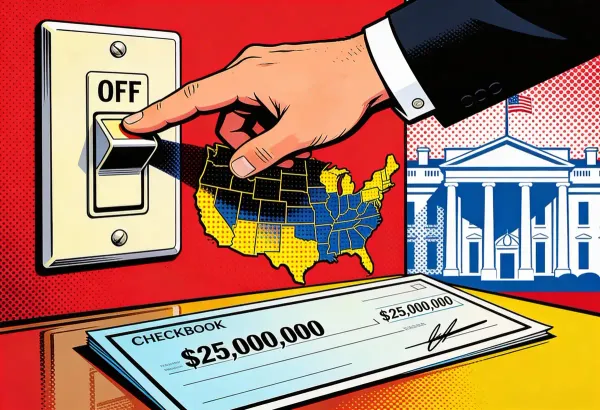
OpenAI's CFO floated a federal backstop for AI infrastructure, then reversed within hours after White House rejection. The whiplash exposed the core problem: OpenAI needs $1.4 trillion while generating $20 billion. The math doesn't work.
OpenAI's CFO suggested federal backing for AI infrastructure at WSJ conference, as company seeks taxpayer support for $1.4 trillion buildout against $13B revenue. The ask arrives amid circular tech deals and shutdown-era austerity.
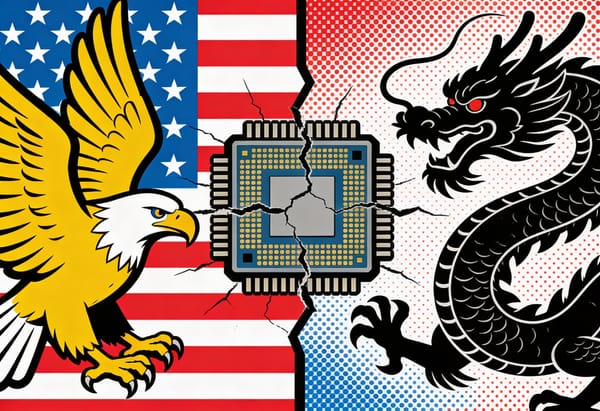
China slashes data center power bills by half—but only for domestic chips. Trump blocks Nvidia's Blackwell exports. Two governments, two subsidy strategies, one question: who can afford their industrial policy longer?
Microsoft won the first Trump-era export license to ship advanced Nvidia chips to the UAE, clearing a path for billions in data center spending. The trade: chip access for binding oversight that converts private infrastructure into alliance architecture.
Get the 5-minute Silicon Valley AI briefing, every weekday morning — free.