IMPLICATOR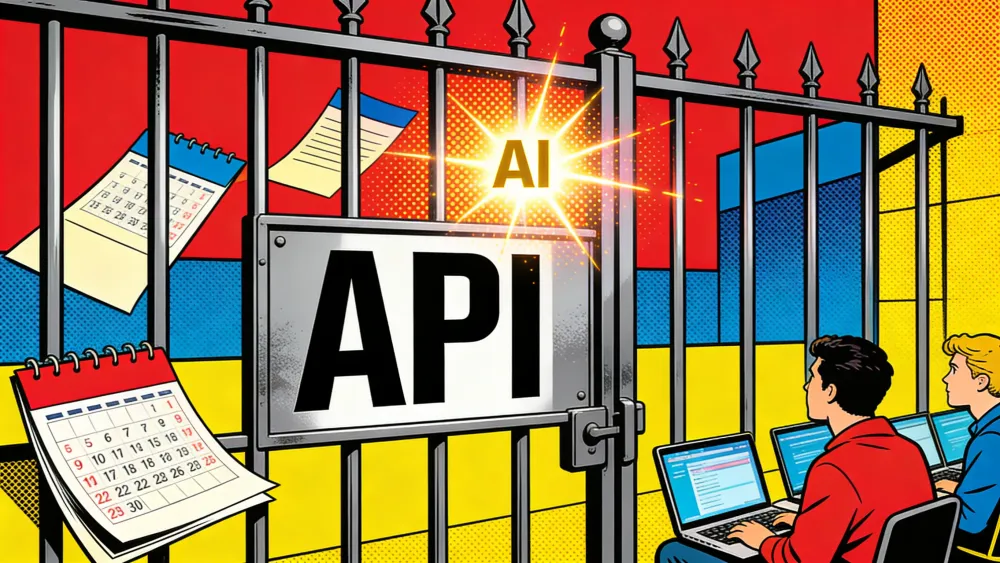
Meta Platforms has repeatedly delayed the release of the developer interface for its Muse Spark artificial-intelligence model and, as of Tuesday, June 2, had set no launch date, The Wall Street Journal reported, citing people familiar with the matter. A company spokesman said Meta was testing the application programming interface, or API, with partners and planned to release it this month. The slip now stretches close to two months past the April debut of Muse Spark, when chief AI officer Alexandr Wang told developers the interface would arrive "soon," and it delays the paid developer access Meta has signaled it eventually wants for the model, which it built to rival OpenAI and Anthropic.
Key Takeaways
- Meta has repeatedly delayed the Muse Spark developer API and had no launch date set as of June 2, the Journal reported.
- A spokesman said the API is in partner testing and ships this month, nearly two months after Alexandr Wang promised it "soon."
- The first delay, from April to May, was tied to bugs and infrastructure needs; the timeline then slipped to June.
- The stall tests Meta's monetization plan as it lifts 2026 capital spending to as much as $145 billion.
AI-generated summary, reviewed by an editor. More on our AI guidelines.
Closed model, no public access
Muse Spark is closed-source, the first Meta model released without the files that let developers download and run it themselves. For proprietary models, an API is the only way outside developers can reach the technology, which companies usually ship with the model or within weeks of it. OpenAI and Anthropic earn part of their revenue selling that access.
Developers have largely been unable to test Muse Spark beyond a few third-party evaluation firms that Meta granted access ahead of launch, according to the Journal. Reuters separately reported on Wednesday that Meta was testing the API with early partners and aimed to ship it this month, citing a company spokesperson. The model powers Meta's AI assistant, which the company is extending across Facebook, Instagram, WhatsApp, Messenger and Threads.
AI's business moves, decoded each morning
Strategic AI news from San Francisco. No hype, no "AI will change everything" throat clearing. Just what moved, who won, and why it matters. Daily at 6am PST.
No spam. Unsubscribe anytime.
Two delays since April
Meta first planned to release the API around the time it launched Muse Spark in April, according to the same people. Two days after the launch, Wang posted on X that the API would come "soon" and that the company had been "thrilled with the amount of excitement amongst developers who want to try muse spark inside their agentic harnesses."
The interface never shipped. The first delay, from April to May, was attributed to bugs found in testing and the need to build more infrastructure, those people told the Journal, and the timeline then moved to June. Neither Meta nor the Journal's sources cited a performance problem or a safety hold.
Know someone who'd find this useful? ✉️ Email it to a friend in one click, or they can subscribe free here.
Capex pressure and new subscriptions
Meta raised its 2026 capital-expenditure forecast to as much as $145 billion, up from a January range of $115 billion to $135 billion, and its stock fell more than 5% in after-hours trading in April. Chief Executive Mark Zuckerberg has said companies ask Meta every week to set up an API service, and that a cloud-computing business is "definitely on the table" to monetize spare capacity.
On May 27 Meta announced paid Instagram, Facebook and WhatsApp tiers and Meta AI subscription plans priced at $7.99 and $19.99 a month that it would begin testing, TechCrunch reported.
After Behemoth, a second delayed model
Muse Spark came out of a secretive Superintelligence Labs unit called TBD Lab. It followed Behemoth, which Meta delayed last year and never released after engineers struggled to improve it. Zuckerberg formed Meta Superintelligence Labs and installed Wang, the former Scale AI chief, after a $14.3 billion investment in that startup. Meta's internal evaluations rated Muse Spark competitive with OpenAI and Anthropic and ahead of xAI's Grok on most tests, results outside developers cannot yet check.
This week Meta pressed another part of that plan, introducing a business agent for WhatsApp, Instagram and Messenger at its Conversations event in London. The company had already signed up more than a million businesses to test the agent, in markets including India, Mexico and Brazil. Getting started is free, Meta said, with the feature moving behind a paid subscription in the coming months.
Frequently Asked Questions
What is Muse Spark?
Muse Spark is Meta's first closed-source AI model, released in April from its Superintelligence Labs unit TBD Lab. It powers Meta's AI assistant and was built to compete with models from OpenAI, Anthropic and Google.
Why does the API delay matter?
For closed models, an API is the only way outside developers can build on the technology. Without it, they cannot integrate Muse Spark into their own products, which delays how Meta earns money from the model.
When will the Muse Spark API launch?
Meta has not set a firm date. A spokesman said the company is testing the API with partners and plans to release it this month, but gave no specific day.
Why was the API delayed?
The first delay, from April to May, was attributed to bugs found in testing and the need to build more infrastructure, people familiar with the matter told the Journal. The timeline then moved to June, with no performance or safety problem cited.
How does this affect Meta's AI spending?
Meta raised its 2026 capital-expenditure forecast to as much as $145 billion. The delay tests whether that spending yields shippable products, even as Meta's ad business and new subscriptions add revenue.
AI-generated summary, reviewed by an editor. More on our AI guidelines.


Free AI briefing · Weekdays
The AI stories that matter, sourced and explained.
Join the Morning Briefing. It goes out every weekday at 4:45 a.m. Pacific, with later sends for the East Coast, Berlin and Tokyo.
Free when you sign up: The Paperclip Compendium, our tested guide to running AI agents.
Free. Unsubscribe in one click.

Marcus Schuler
Editor-in-Chief and founder of Implicator.ai. Former ARD correspondent and senior broadcast journalist with 10+ years covering tech. Writes daily briefings on policy and market developments. Based in San Francisco. E-mail: editor@implicator.ai