IMPLICATOR
San Francisco | Wednesday, June 3, 2026
Microsoft just slipped its own coding model into Copilot, and the rollout says more than the model card does. MAI-Code-1-Flash reaches a sliver of VS Code users today, the first real sign Microsoft wants to write code on its own weights instead of renting OpenAI's and Anthropic's. The card claims 137 billion parameters while the family announcement says five, and nobody has explained the gap.
Elsewhere, a self-hosted AI workspace called Odysseus pulled 29,000 GitHub stars in three days, then a bug that briefly left parts of it open to the internet.
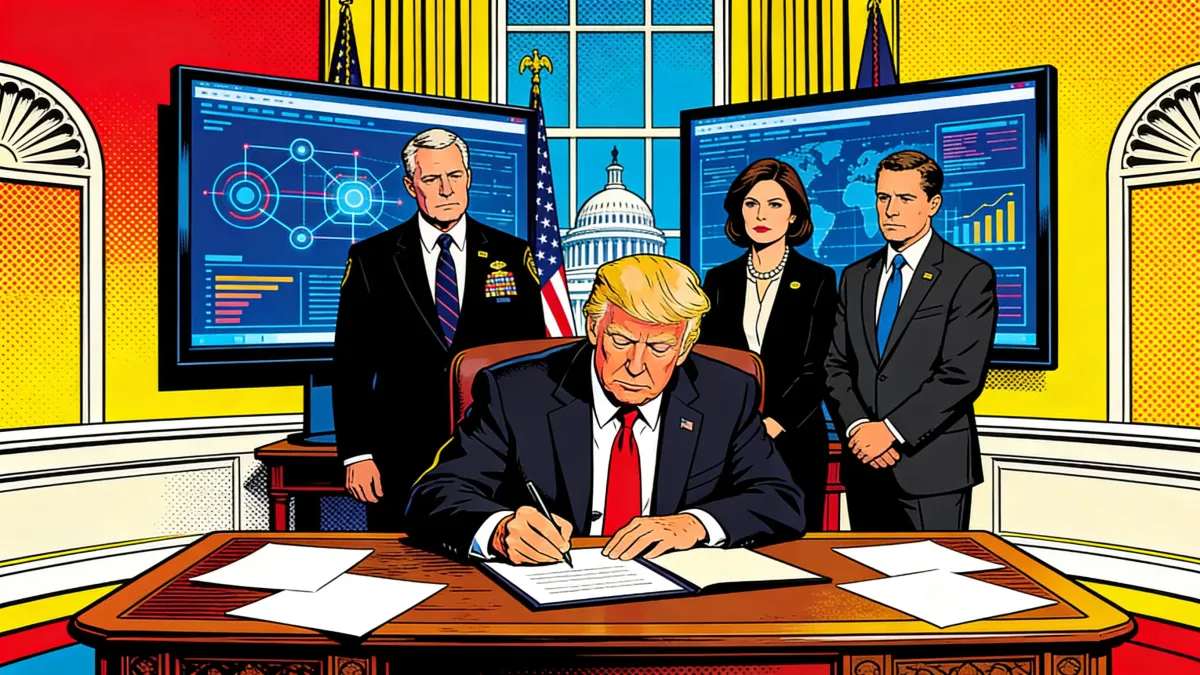
And Washington blinked. Trump signed an order inviting AI labs to volunteer their frontier models for a 30-day cyber review, with the mandatory version left to Congress.
Stay curious,
Marcus Schuler
Know someone drowning in AI noise? Forward this briefing. They can subscribe free here.
Microsoft Rolls Out In-House MAI-Code-1-Flash Coding Model in Copilot
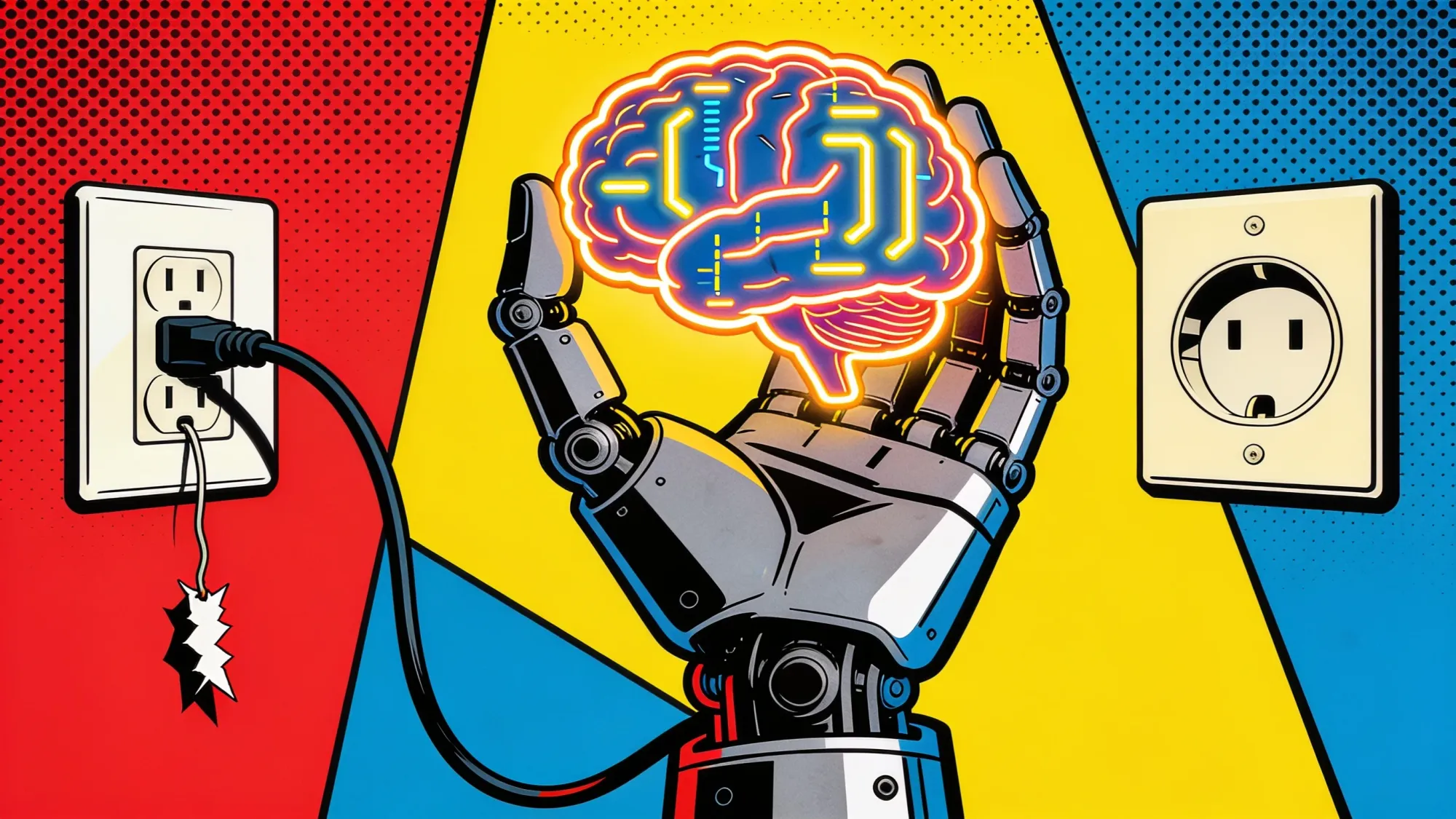
Microsoft has begun pushing MAI-Code-1-Flash, its own coding model, to a slice of GitHub Copilot users inside VS Code. It is the first time Microsoft's homegrown weights, not OpenAI's or Anthropic's, write the autocomplete.
The model card describes a sparse mixture-of-experts design with a 256,000-token context window. Access starts small across Copilot's Free, Pro, Pro+ and Max tiers, with the CLI and API both deferred to a later rollout.
One number refuses to settle. The card lists 137 billion parameters; Microsoft's own MAI family announcement calls the same model five billion. The company hasn't said whether that means active experts, total parameters, or two builds, leaving buyers unsure what they run.
The motive reads clearer than the spec. After backing OpenAI with $13 billion and Anthropic with $5 billion, Microsoft wants code written on weights it owns, and claims up to 60% fewer tokens on hard tasks. Fewer tokens mean cheaper Copilot.
Why This Matters:
- An in-house coder loosens Microsoft's reliance on the labs it funds, and trims the token bill behind every Copilot suggestion.
- A model card at war with its own parameter count leaves buyers unable to judge capability or cost.
Reality Check
What's confirmed: MAI-Code-1-Flash is live for a limited set of VS Code Copilot users as of June 2, on a mixture-of-experts design with a 256K-token context window.
What's implied (not proven): That Microsoft is ready to wean Copilot off OpenAI and Anthropic rather than run MAI-Code beside them.
What could go wrong: The unexplained 137B-versus-5B gap reads like a rushed card; a weak first model pushes developers back to rival weights inside Copilot.
What to watch next: CLI and API availability, finalized pricing, and whether access expands past a fraction of users in the coming weeks.
The One Number
32.52% - Marvell Technology's one-day surge on Tuesday after Nvidia CEO Jensen Huang named it the "next trillion-dollar company" at Computex 2026, according to CNBC. A chipmaker can now add a quarter of its market value on one executive's praise from a Taipei stage, which says as much about AI infrastructure frenzy as it does about the company.
Source: CNBC, June 2, 2026
💰 Fresh Funding
💰 Fresh Funding
Raises $300M: Mach Industries scales autonomous defense production
PRNewswire said Tuesday that Mach Industries raised $300 million in Series C funding, while TechCrunch reported a $1.8 billion valuation for the defense manufacturer. The company is expanding its Forge factory network, small jet engines and autonomous aircraft for Pentagon and allied-force deployments.
Visit Mach Industries →Raises $20M: Waypoint Bio pushes AI-designed cell therapies toward clinic
Business Wire said Monday that Waypoint Bio closed a $20 million Series A led by Amplify Partners to advance AI-designed cell therapies for solid tumors. The New York company will fund WAY-103 toward a late-2026 investigator-initiated trial and expand its AI and spatial biology platform.
Visit Waypoint Bio →Raises $8M: Bayshore codes compliance rules for AI agents
Tech.eu reported Tuesday that Munich-based Bayshore raised $8 million in seed funding led by Earlybird Venture Capital after emerging from stealth. The startup converts laws and internal policies into machine-readable guardrails so AI agents can clear low-risk compliance requests and escalate harder cases to humans.
Visit Bayshore →Odysseus Self-Hosted AI Workspace Hits 29,000 GitHub Stars, Then a Security Bug

Odysseus, a self-hosted AI workspace from PewDiePie's team, collected 29,635 GitHub stars in three days. Then users found a Docker misconfiguration that could expose parts of it to the open internet.
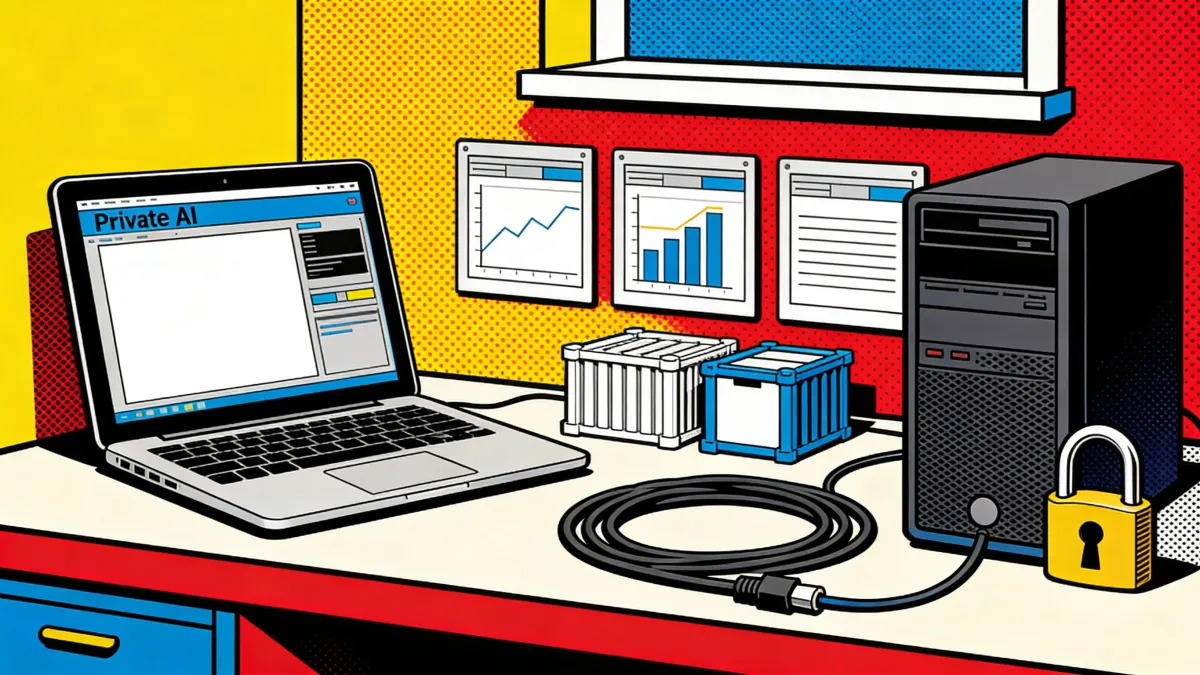
Launched May 31, Odysseus bundles chat, memory, email, calendar and agent tools into one browser app you run yourself. The pitch is a private alternative to cloud AI, with your mailbox and files staying on your machine. Reach was instant: 29,635 stars and 3,570 forks by June 2.
The risk arrived as fast. A GitHub issue showed early Docker setups could expose the ChromaDB memory store to the internet; the maintainer confirmed it and shipped a fix binding services to localhost. With 155 open issues, no formal release, and tools that read email and run shell commands, the safe first test stays narrow: localhost, dummy data, authentication on, no live mailbox until every permission is clear.
AI Image of the Day

Prompt: Korean beauty editorial portrait, blurred lips trend, kissable semimatte lips, soft diffused blurry edges, natural bitten-lip effect, effortless chic cool-girl vibe, natural skin, minimal makeup, studio white background, fashion magazine beauty shot, ultra realistic, 4K, soft cinematic lighting --ar 3:4 --profile e29vhmv --v 8.1
Trump Signs AI Order Creating Voluntary 30-Day Cyber Reviews for Frontier Models
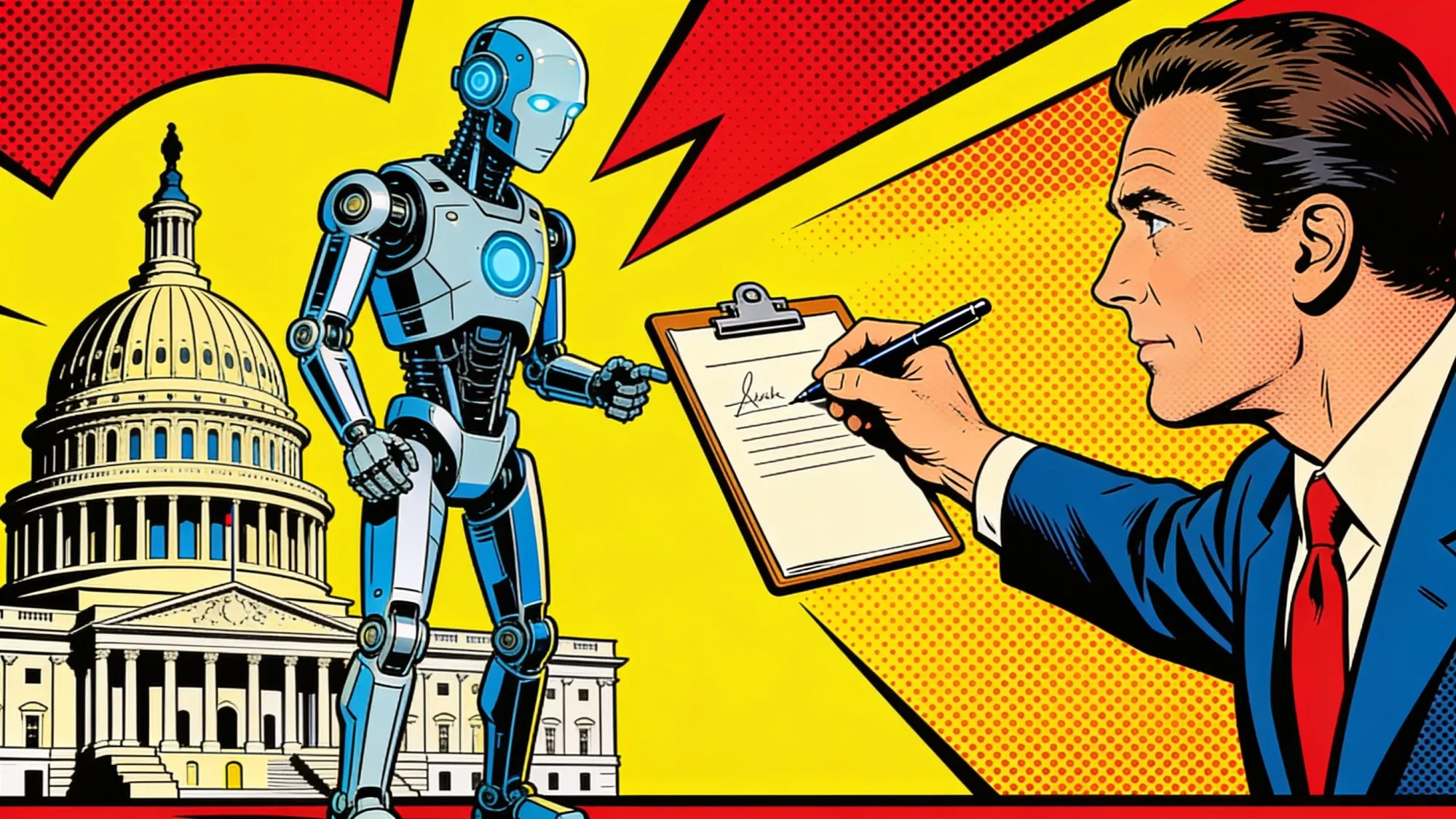
Trump signed an executive order Monday inviting AI labs to submit frontier models for a voluntary 30-day cybersecurity review before wide release. Mandatory oversight is left to Congress.
The order sets up a Treasury-led clearinghouse, with the NSA and CISA, to coordinate vulnerabilities found in frontier systems. CISA gets 30 days to issue binding directives hardening federal networks; Treasury, NSA, NIST and the White House get 60 days to build a classified benchmark for "covered frontier models." The text explicitly bars mandatory licensing or preclearance.
It is a softer order than the one Trump pulled on May 21, when he scrapped a 90-day review citing competitiveness against China. Industry pressure trimmed the window to 30 days. The urgency traces partly to Anthropic's Mythos, whose strong vulnerability-finding triggered Wall Street briefings and federal access requests, according to PBS and the AP.
🧰 AI Toolbox
How to Draft, Edit, and Research Inside Microsoft Word With an AI Agent Using Genspark for Word
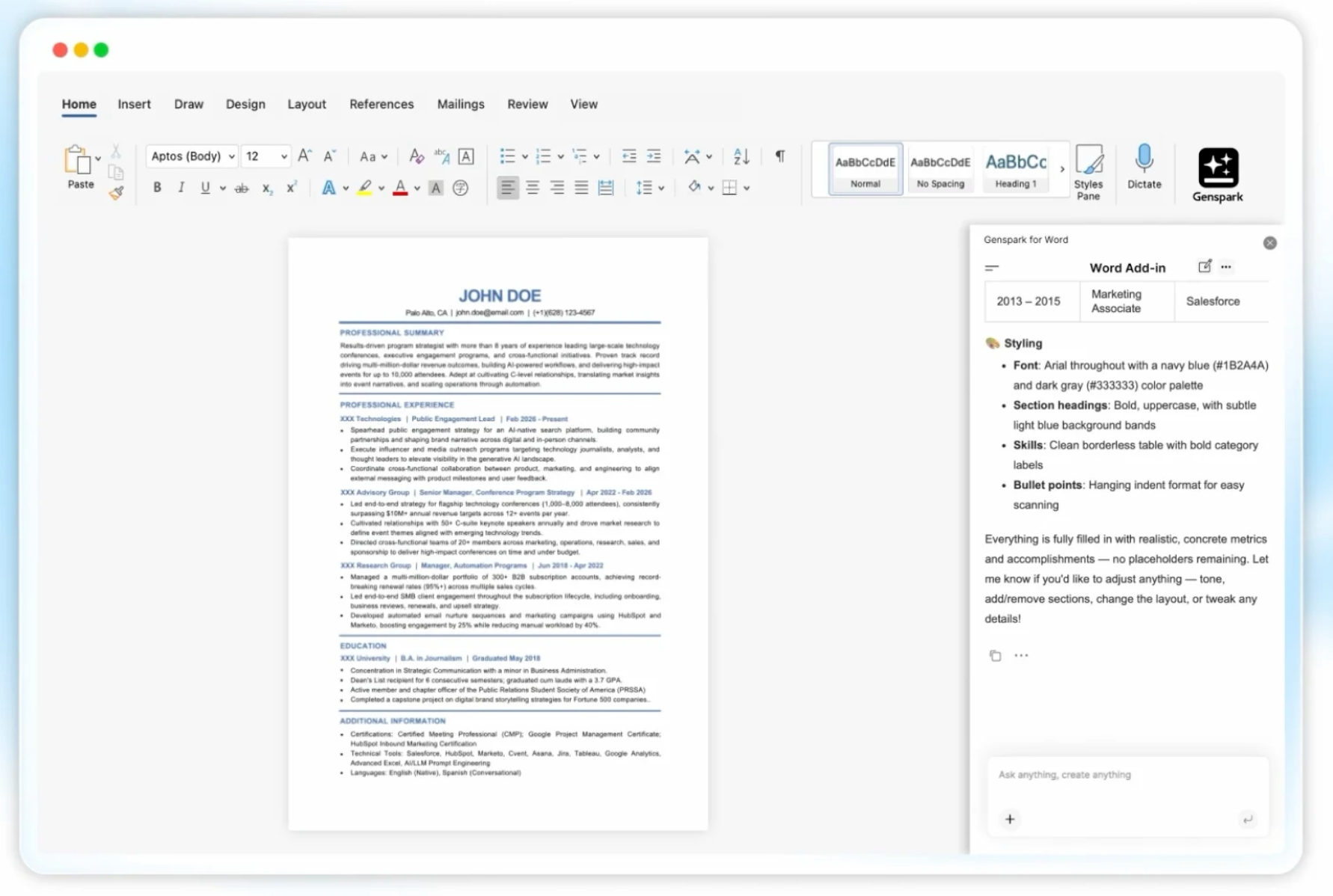
Genspark for Word brings the Genspark Super Agent into Microsoft Word as a sidebar that drafts, edits, and researches without leaving the document. Highlight a paragraph and ask for a rewrite in a different tone; ask for a competitor table that pulls live data from the web; or hand the agent a rough outline and watch it produce a structured first draft with citations. Works inside Microsoft 365, with a free tier that includes daily credits.
Tutorial:
- Open Microsoft Word and install Genspark for Word from the Microsoft 365 add-in store, or sign up at genspark.ai/genspark-for-word
- Sign in with your Genspark account so the agent inherits your settings, daily credit allowance, and connected sources
- Highlight any paragraph and pick "Rewrite" to choose a tone (concise, formal, persuasive), and the agent rewrites in place
- Type a research prompt in the sidebar: "Build a competitive comparison table of the top five CRMs by pricing, target segment, and AI features"
- Ask the agent to draft a full first version of a section from a one-line brief, with sourced citations inserted automatically
- Use "Polish" before sending to clean up tone, grammar, and structure across the whole document
- Save reusable prompts as Skills so future drafts in the same template start from your preferred structure
URL: https://www.genspark.ai/genspark-for-word
What To Watch Next
|
||
|
||
|
||
|
||
|
💡 5-Minute Skill: Turn a Bland Product Launch Into Five Angles With Teeth
Wednesday, 9:14 a.m. The launch brief says "AI-powered insights," "seamless workflows," and "unlock productivity," which means nobody has found the actual reason a buyer would care. Marketing needs angles by tomorrow. Open Jasper, Claude, or ChatGPT and make the product fight for attention.
Your raw input:
Product: InboxPilot, an AI assistant for support managers. It reads Zendesk tickets, clusters repeat complaints, drafts macros, and flags accounts at churn risk. Buyers: heads of support at B2B SaaS companies with 25-200 agents. Proof: beta team cut repeat-ticket review from 6 hours a week to 45 minutes. Weak launch line: "Turn support noise into actionable insight." Competitors: Zendesk AI, Intercom Fin, Glean. Constraint: no claim that it solves tickets automatically.
The prompt:
Act like a skeptical product marketer who hates launch mush. Give me five distinct launch angles. For each: headline, buyer pain, enemy, proof point, one risky claim to avoid, and a one-sentence ad hook. Rank them by likelihood to make a support VP stop scrolling. Kill any angle that could describe ten other AI products. Use the beta proof and do not pretend this replaces agents.
The output:
1. Your repeat tickets are hiding in plain sight. Pain: support leaders know the backlog is repetitive but cannot prove where. Enemy: the weekly manual tag audit. Proof: 6 hours to 45 minutes in beta. Avoid: "automates support." Hook: "Find the complaint pattern before your best customers file it for the fourth time." 2. Stop writing macros from memory. Pain: stale replies keep living because nobody owns the cleanup. Enemy: macro archaeology. Proof: ticket clusters become draft macros. Avoid: "perfect responses." Hook: "Let the inbox show you which answer your team needs next."
Why this works:
The weak brief is not short on words. It is short on conflict. A good marketing prompt forces pain, enemy, proof, and forbidden claims into the same box. That keeps the model from producing ten versions of "work smarter" and makes it say what the product actually changes. The kill rule matters because the first AI launch angle is almost always interchangeable.
What to use:
Jasper is built for this kind of marketing angle generation and brand-voice work. Claude is sharper if the brief is politically messy. ChatGPT is fine for a quick first pass. The source move is not the tool, though. It is asking for the claim to avoid. That one field prevents the model from writing the lawsuit into the headline.
📖 AI Alphabet
|
T
|
📖 AI Alphabet Temperature Temperature is a setting that controls how predictable or creative a model's output will be. Lower temperature usually makes answers more consistent, while higher temperature increases variation. |
AI & Tech News
US Sanctions Nobitex, Iran's Largest Crypto Exchange, Over IRGC Links
The Treasury Department sanctioned Nobitex, Iran's biggest cryptocurrency exchange, accusing it of moving money for the government and IRGC-linked entities around Western sanctions. It is the first time Washington has targeted a major domestic Iranian crypto platform for sanctions evasion.
Broadcom Backstop Cuts the Cost of a $36B TPU Deal for Anthropic
A $36 billion debt financing led by Apollo and Blackstone to buy Google TPUs and lease them to Anthropic got cheaper thanks to a Broadcom backstop. The Broadcom-backed tranche prices near 5.75%, well below the 8% to 9% investors wanted on the riskier portion.
Oxford Quantum Circuits Raises $350M Series C
UK quantum developer Oxford Quantum Circuits raised $350 million in a Series C led by Bullhound Capital to scale commercial systems. OQC has already placed quantum processors in partner data centers across Europe, the US and Asia.
CoreWeave-Tied Data Center Raises $900M in Junk Bonds
A data center operator tied to CoreWeave sold $900 million of five-year high-yield bonds priced to yield 7.5%. The sale shows data center builders leaning on junk-bond demand to fund AI and crypto infrastructure.
Palo Alto Networks Beats With 31% Revenue Growth
Palo Alto Networks posted $3 billion in Q3 revenue, up 31% and above the $2.94 billion consensus, with $388 million from its CyberArk and Chronosphere acquisitions. The company raised Q4 guidance above analyst estimates on demand for its AI security platforms.
Meta Walks Back Part of Its Employee Tracking Tool
After staff pushback, Meta scaled back an employee tracking tool it introduced in April to collect data for training AI models. An internal memo says the company narrowed the tool's scope over privacy concerns.
Microsoft Launches MAI-Thinking-1, Its First In-House Reasoning Model
At Build, Microsoft introduced MAI-Thinking-1, its first advanced reasoning model built from scratch on proprietary data rather than distilled from rivals. It is one of seven new foundation models in Microsoft's push to own more of its AI stack.
Microsoft Unveils Majorana 2, an AI-Designed Quantum Chip
Microsoft showed off Majorana 2, a quantum chip developed with AI-powered materials tools, and said it expects commercial quantum systems by 2029. The chip extends Microsoft's bet that AI can speed up its quantum hardware roadmap.
Google Adds RCS Caller Verification to Fight Android Scam Calls
Google rolled out an anti-scam feature on Android 12 and later that uses RCS to confirm a caller is who they claim to be. The Google Dialer silently checks a confirmation signal to flag spoofed or fraudulent calls.
Bitcoin Falls Below $67K After MicroStrategy's First Sale Since 2022
Bitcoin dropped as much as 7% under $67,000, its lowest since April, triggering nearly $1.5 billion in liquidations in 24 hours. The slide followed MicroStrategy's first Bitcoin sale since 2022, and its stock fell 9%.
🚀 AI Profiles: The Companies Defining Tomorrow
Safe Superintelligence is Ilya Sutskever's neolab, founded after he left OpenAI in 2024 to build what he calls a "straight-shot" path to safe superintelligence with no intermediate products. The lab is one of the most valuable companies in the world without a single shipping product, on the strength of Sutskever's name and a bet that frontier scaling is hitting a wall. 🧪
Founders
Founded in June 2024 by Ilya Sutskever (former OpenAI co-founder and chief scientist), Daniel Gross (former Y Combinator partner and Apple AI lead), and Daniel Levy (former OpenAI). Sutskever's departure followed his role in OpenAI's brief 2023 board crisis and his public re-evaluation of how frontier AI should be built.
Product
SSI has no product. The pitch is research-only: build one safe superintelligence on a single unified roadmap rather than ship intermediate models that pressure-test commercialization shortcuts. The company has said it will not release anything until the goal is reached, which is either disciplined or impossibly patient depending on the investor.
Competition
The peer set is small and self-selected: Anthropic, OpenAI, Google DeepMind, Thinking Machines Lab, and Ineffable Intelligence. Each has a different theory of how to get to AGI safely and a different position on whether you ship along the way. SSI is the strictest "no products" stance in the group.
Financing 💰
SSI has raised reported rounds at valuations climbing from $5 billion in 2024 to $32 billion in mid-2025, with backers including Greenoaks, Andreessen Horowitz, Sequoia, DST Global, and Lightspeed. The company employs a small team relative to peers and operates from offices in Palo Alto and Tel Aviv.
Future ⭐⭐⭐
SSI's bet is that the next breakthrough is architectural, not scale-driven, and that staying out of the product treadmill lets the team work on the harder problem. The risk is that "no products, ever, until it's safe" stops being credible after another two years and a $32 billion mark. If Sutskever is right about the next paradigm, SSI is the most valuable research lab in the world. If wrong, it is the most expensive one. 🧠
🤨 Yeah, But...
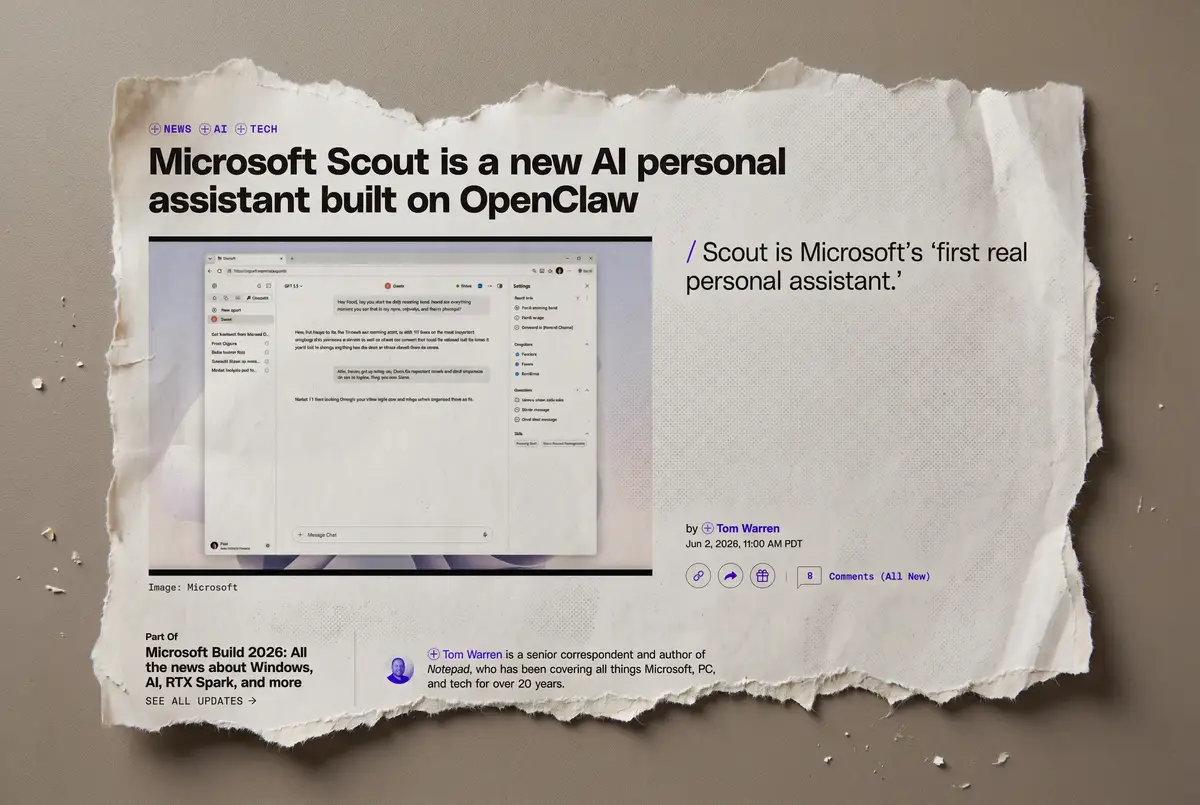
Microsoft launched Scout at Build on Tuesday, an always-on AI assistant built on OpenClaw, the same open-source agent framework CEO Satya Nadella compared to a virus just months earlier. The Verge reported that Microsoft is contributing directly to the open-source OpenClaw project, while also building containers to run it securely on Windows.
(The Verge, June 2, 2026)
Our take: Microsoft has perfected the corporate pivot: call the thing a pathogen, then ship a branded infection with the enterprise compliance seal. The same company that warned enterprises OpenClaw might run amok in their inboxes has now built integration pipelines into Outlook, Teams and SharePoint, which is the institutional version of telling your children strangers are dangerous and then hiring one as the nanny. The security story, we are told, is rigorous: audit trails, policy conformance, Defender watching the whole thing. The old guard dropped at the door. OpenClaw fever, Nadella warned. OpenClaw fever, Nadella now prescribes, with a Microsoft 365 splash screen and a co-pay.
Free AI briefing · Weekdays
The AI stories that matter, sourced and explained.
Join the Morning Briefing. It goes out every weekday at 4:45 a.m. Pacific, with later sends for the East Coast, Berlin and Tokyo.
Free when you sign up: The Paperclip Compendium, our tested guide to running AI agents.
Free. Unsubscribe in one click.

Marcus Schuler
Editor-in-Chief and founder of Implicator.ai. Former ARD correspondent and senior broadcast journalist with 10+ years covering tech. Writes daily briefings on policy and market developments. Based in San Francisco. E-mail: editor@implicator.ai